How Fast Can You Build Credit With a Student Credit Card?
It's a common dilemma for college students: you need credit to get approved for things like an apartment or even utilities, but how are you supposed to get credit in the first place when no one will give you a chance? It feels like a real Catch-22, especially when you're just starting out with no credit history. This guide is here to walk you through how student credit cards are specifically designed to break that cycle and how quickly you can start seeing real progress on your credit score by using one responsibly.
Understanding Student Credit Cards and How They Work
Navigating the world of credit can feel overwhelming when you're a student. You might hear about different types of cards, loans, and all sorts of jargon that makes your head spin. But student credit cards are a unique product specifically tailored to help people in your exact situation: building credit from scratch.
What Makes a Student Credit Card Different?
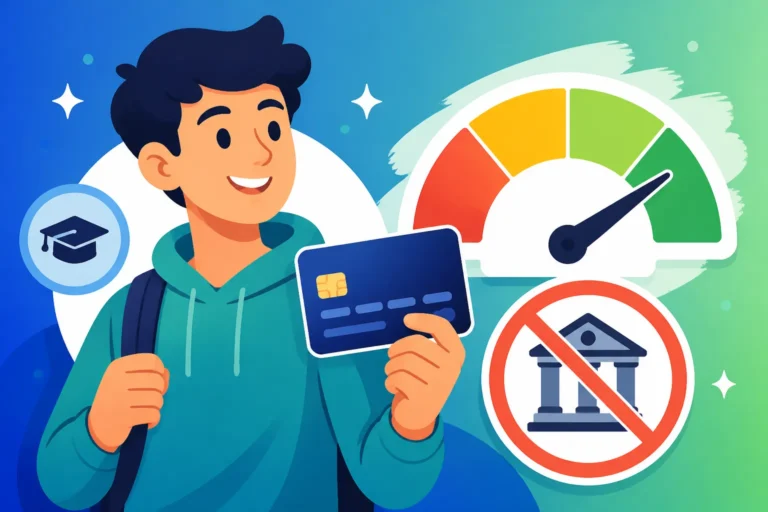
Unlike regular unsecured credit cards, student credit cards are designed with a specific audience in mind: college and university students. This means the eligibility requirements are often much more forgiving. While a traditional card might demand a lengthy credit history and a high income, student cards typically focus on your enrollment status and your ability to make payments, even if your income isn't super high or your credit file is practically blank. Lenders understand that students are often new to credit, so they're willing to take a chance on you, usually with a lower credit limit to start, perhaps around $500 to $1,000. This smaller limit acts as a protective measure, preventing you from getting into too much debt too quickly.
Beyond the relaxed eligibility, many student cards also come with features aimed at financial education. You might find resources on budgeting, understanding interest, or even alerts to help you track your spending. They're often seen as a stepping stone, a way for you to demonstrate financial responsibility before you graduate to more robust credit products. Think of it as your credit training wheels – they're there to help you learn and build confidence. Many providers like Discover and Capital One offer popular student credit card options that often come with rewards programs and tools designed to help students manage their finances.
The Mechanics of Building Credit with a Student Card
So, how does simply using a piece of plastic actually translate into a better credit score? It all comes down to reporting. When you use a student credit card, the issuer reports your payment activity to the three major credit bureaus: Equifax, Experian, and TransUnion. These bureaus collect this information and compile it into your credit report, which then forms the basis for your credit scores.
The two most important factors influencing your credit score are your payment history (accounting for a whopping 35% of your FICO Score) and your credit utilization (making up another 30%). With a student card, every on-time payment you make demonstrates to lenders that you are a reliable borrower. Consistently paying your bill in full and on time builds a positive payment history. Simultaneously, keeping your outstanding balance low relative to your credit limit (your credit utilization ratio) shows you can manage your credit responsibly without maxing out your cards. Over time, these consistent positive actions will populate your credit report with valuable data points, allowing credit scoring models to calculate a score for you. If you want a deeper dive into all the components, you can check out our guide on How Credit Scores Work: The Complete Guide.
Factors Influencing How Quickly You Build Credit
Building credit isn't an overnight sprint; it's more like a steady marathon. While a student credit card is an excellent tool, how quickly you see your score grow largely depends on how you use it. There are key behaviors that will either accelerate or hinder your progress.
Your Payment History is King
I cannot stress this enough: paying your bills on time is the single most important thing you can do for your credit score. Missed payments, especially those 30 days or more past due, can cause significant damage to your score and stay on your credit report for up to seven years. Even if you're only making the minimum payment, ensuring it hits by the due date is crucial. For example, if your bill is due on the 15th of the month and you forget until the 16th, that's considered a late payment. If you don't pay it by the 30th day, the credit card company will likely report it to the credit bureaus.
Imagine this scenario: you're diligent for five months, paying every bill early. Then, one month, you're slammed with exams and completely forget your payment for over 30 days. That single oversight can wipe out much of the positive progress you've made. It's frustrating, but credit scoring models view consistency as paramount. To avoid this common pitfall, consider setting up automatic payments for at least the minimum amount. You can always pay more manually before the due date, but this ensures you'll never miss a payment entirely. Understanding How Long Does a Late Payment Stay on Your Credit Report? can give you more perspective on the long-term impact.
Keeping Your Credit Utilization Low
The second most impactful factor is your credit utilization ratio, which is the amount of credit you're using compared to your total available credit. For example, if you have a student credit card with a $500 limit and you charge $250, your utilization is 50%. Most experts recommend keeping this ratio below 30%, but honestly, aiming for 10% or even lower is ideal for maximizing your score. The lower, the better!
Let's say your student card has a $500 limit. If you spend $400 on textbooks and food, your utilization jumps to 80%. Even if you pay it all off before the due date, the credit bureaus might see that high utilization reported at the time of your statement closing and it could ding your score for that month. To mitigate this, try to make multiple small payments throughout the month, or pay off your balance before your statement even closes. This way, when the issuer reports your activity, your reported balance is much lower. This strategy is particularly effective with the relatively low credit limits typical of student cards. Dive deeper into this topic with our guide on Credit Utilization: The Complete Guide.
The Role of Credit Age and Mix
While payment history and utilization are within your immediate control, credit age and credit mix are factors that naturally improve over time. Your "average age of accounts" refers to how long all your credit accounts have been open. The longer your credit history, the better it generally looks to lenders. Starting with a student credit card while you're young and establishing a consistent, long-term payment record is incredibly valuable. This is one of those areas where patience truly pays off. You're literally creating history!
Credit mix, which typically accounts for about 10% of your score, considers the different types of credit accounts you have (e.g., credit cards, student loans, car loans, mortgages). While you'll likely only have one or two credit cards to start, adding a student loan to your report (if you have one) can contribute positively to your credit mix down the line. Don't go opening new accounts just for the sake of mix, though; focus on responsible use of the accounts you have. Remember, building a robust credit profile takes time and consistent effort, which is a major part of How Long Does It Take to Build Credit?.
Realistic Timeline for Building Credit with a Student Card
Understanding the factors that influence your credit score is one thing, but knowing what to expect in terms of a timeline is another. It's easy to get frustrated if you don't see instant results, so let's set some realistic expectations for building credit with a student card.
The Initial 6-12 Months: Laying the Foundation
For most people starting with no credit history, you'll typically need at least six months of activity on your credit report before a FICO Score can even be generated. This means that for the first half-year, you're simply building the data points necessary for the scoring models to do their work. Don't be discouraged if you don't see a score immediately after getting your card!
Once you hit that 6-month mark of consistent on-time payments and low utilization, you should see your first FICO Score. What can you expect? Usually, scores will fall into the "Fair" to "Good" range initially, perhaps somewhere between 600 and 680. This is a fantastic start! It proves that you can manage credit responsibly. This initial score is a huge milestone because it signifies that you are no longer in the "thin file" category and have established a measurable credit history. This baseline score opens up more possibilities for future credit products. For more context on scores, consider reading What Is a Good Credit Score? (2026 Ranges Explained).
Here’s a general idea of what you might expect in terms of credit score ranges as you build credit:
| Credit Score Range | Typical Definition | What to Expect Initially (6-12 months) |
|---|---|---|
| 300-579 | Poor | Unlikely if used responsibly |
| 580-669 | Fair | Most common starting range |
| 670-739 | Good | Achievable with excellent habits |
| 740-799 | Very Good | Possible after 12+ months |
| 800-850 | Exceptional | Takes many years to reach |
Beyond the First Year: Continued Growth and Better Opportunities
After your first year with a student credit card, assuming you've maintained those excellent habits of on-time payments and low utilization, your score should continue to climb. You might see it move from the "Fair" category into "Good" or even "Very Good" (700+). The longer your positive payment history grows, the more stable and higher your score tends to become.
Around this time, or sometimes even earlier, your credit card issuer might offer you a credit limit increase. This is a good sign that they trust your ability to manage more credit. A higher limit, if you continue to keep your spending habits the same, can actually lower your credit utilization ratio automatically, giving your score another boost. This is also the point where you might start considering graduating from your student card. Some student cards automatically convert to a regular unsecured card after a certain period of good behavior, or you might be in a position to apply for a better rewards card. This consistent positive trajectory is key to reaching milestones like How to Go From No Credit to 700. You're building not just a score, but a positive financial reputation.
Best Practices for Maximizing Credit Building with a Student Card
Getting a student credit card is just the first step. To truly accelerate your credit-building journey, you need to develop smart habits and stay on top of your financial health. These practices will not only boost your score faster but also set you up for long-term financial success.
Smart Spending and Payment Strategies
The biggest mistake students make is treating their credit card like free money. It's not. It's a tool, and like any tool, it needs to be used correctly. A fantastic strategy is to use your student credit card for small, predictable expenses that you would normally pay with a debit card or cash. Think about things like your Netflix subscription, your phone bill, or your weekly gas purchase. The key is to pick expenses you know you can pay off in full every single month.
By doing this, you're generating regular activity on your card, which is reported to the credit bureaus, but you're also ensuring you never carry a balance and therefore never pay interest. For instance, if you budget $50 for streaming services and gas each month, put that on your student card, and then immediately pay it off from your checking account. This makes sure your credit utilization is always reported as low, or even zero, which is excellent for your score. Consider reading How to Use a Credit Card to Build and Keep Good Credit for more insights on responsible card use.
Monitoring Your Progress and Spotting Errors
Your credit report is your financial resume, and it's essential to keep an eye on it. The Fair Credit Reporting Act (FCRA) entitles you to a free credit report from each of the three major bureaus (Equifax, Experian, and TransUnion) once every 12 months through AnnualCreditReport.com. Make it a habit to pull one report every four months (e.g., Experian in January, Equifax in May, TransUnion in September) so you can monitor your progress throughout the year without cost.
When you get your report, don't just glance at it. Read it thoroughly! Look for any accounts you don't recognize, incorrect payment statuses, or outdated information. Errors happen more often than you might think, and they can unfairly drag down your score. If you spot an error, dispute it immediately. This process can be time-consuming, but removing inaccurate negative items can significantly boost your score. Our guides on How to Read Your Credit Report (2026 Guide), How to Dispute Credit Report Errors (Step-by-Step), and How to Get Your Free Credit Report can provide detailed instructions and help you navigate this important process. Being proactive in monitoring your credit is a powerful way to protect and build it. For students, who are often targets for identity theft due to their accessible personal information, this step is even more critical.
Disclaimer
This article is for general informational purposes only and does not constitute professional advice. Laws, prices and regulations vary by location and change over time. Consult a qualified professional for guidance on your specific situation.