How to Build Credit After a Repossession Using a Secured Card
A vehicle repossession can feel like a financial earthquake, shaking your confidence and leaving a deep crater in your credit score. It's an incredibly frustrating experience that can make you feel like you're starting from square one, with seemingly no way to get back on track. But don't despair; this comprehensive guide will walk you through how to use a secured credit card effectively to rebuild your credit after such a significant setback, offering clear steps and realistic expectations.
Understanding the Deep Impact of a Repossession on Your Credit
Let's be honest, a repossession isn't just a minor blip on your financial radar; it's a major event that sends ripples through your entire credit profile. It signals to potential lenders that you've had trouble making payments on a secured loan, which can be a huge red flag. Understanding exactly how this negative mark affects you is the first step toward recovery.
The Immediate Aftermath on Your Score
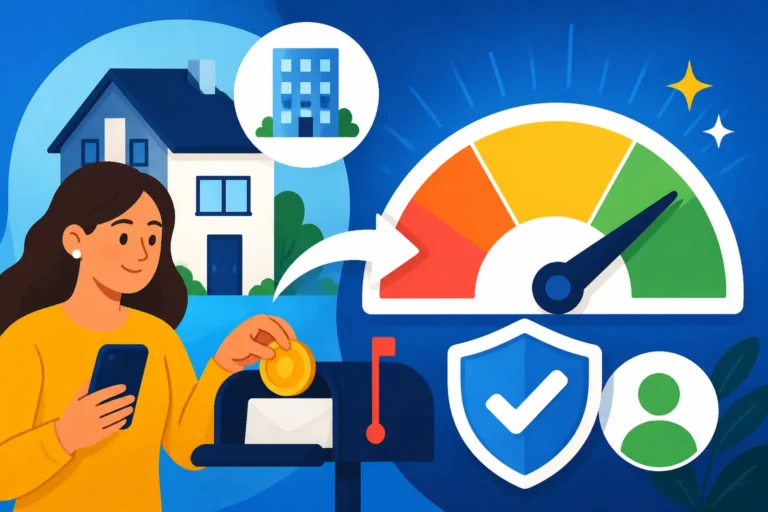
When a vehicle is repossessed, it almost always means you've fallen behind on your payments. Each missed payment leading up to the repossession, along with the repossession itself, is reported to the three major credit bureaus: Equifax, Experian, and TransUnion. These negative marks hit your payment history, which is the single most important factor in your FICO score, accounting for 35% of its calculation. This can cause a significant, immediate drop in your score – often by 100 points or more, depending on your credit profile before the event. If you were close to a good credit score, you might find yourself plummeting into the "poor" or "fair" categories overnight. It's a painful reality, but one that needs to be acknowledged as you start to rebuild.
Furthermore, the original lender will likely sell the repossessed vehicle at auction. If the sale price doesn't cover the remaining loan balance and all the associated fees (towing, storage, auction costs), you'll be on the hook for the "deficiency balance." This unpaid amount often ends up going to a collections agency, adding yet another devastating negative item to your credit report. These collections accounts further compound the damage, making it even harder to secure new credit or even rent an apartment in the future. The feeling of being trapped by this cycle can be overwhelming, but there are ways to move forward.
The Long-Term Scar on Your Credit Report
A repossession isn't a temporary problem that disappears after a few months. It's a long-term stain on your credit history, typically remaining on your credit report for up to seven years from the date of the first missed payment that led to the repossession. That's a considerable amount of time where lenders will see this negative mark every time they pull your report. This means securing new loans, like a mortgage or another car loan, can become incredibly challenging, if not impossible, during this period. Even seemingly simple things like getting approved for an apartment lease or certain jobs can be impacted. For a deeper dive into the specific timeline, you might want to read about How Long Does a Repossession Stay on Your Credit Report?.
While the repossession itself remains for seven years, its impact on your credit score gradually lessens over time. Newer, positive information will eventually start to dilute its negative effect. However, waiting seven years isn't a viable strategy for most people who need to regain financial footing sooner. That's why actively working to build new, positive credit history is crucial. This proactive approach helps mitigate the damage and shows lenders that you've learned from past mistakes and are committed to responsible financial behavior.
Why a Secured Card is a Lifeline After Repossession
Given the severe hit your credit takes after a repossession, getting approved for traditional, unsecured credit can feel like an impossible feat. Most lenders will see the repossession and immediately decline your application. This is where secured credit cards step in as a true lifeline, offering a practical and accessible path to credit rebuilding.
How Secured Cards Function for Rebuilding
A secured credit card works differently from a regular credit card. Instead of the bank lending you money based on your creditworthiness (which is likely low after a repossession), you provide a security deposit, typically ranging from $200 to $2,500. This deposit then acts as your credit limit. For instance, if you deposit $500, your credit limit will be $500. This deposit completely removes the risk for the lender, making them much more willing to approve applicants with damaged credit. It's a win-win: you get a functional credit card that reports to the major credit bureaus, and the bank is protected if you default on payments.
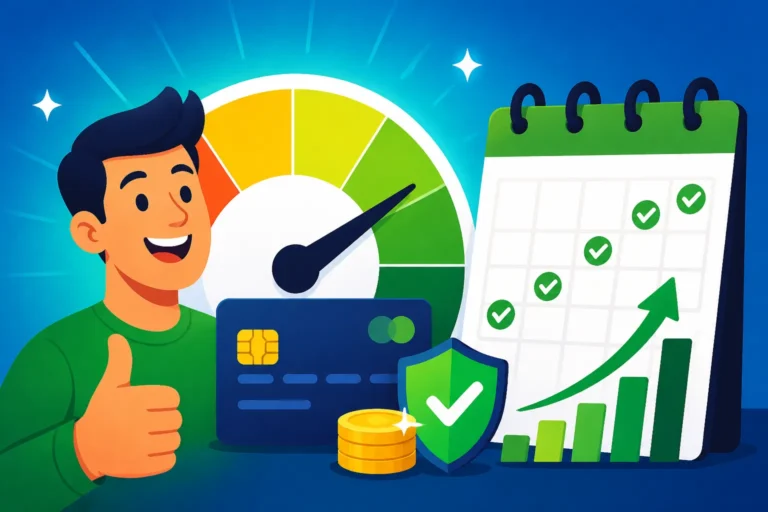
The magic of a secured card for credit rebuilding lies in its reporting. Most reputable secured cards report your payment activity to all three major credit bureaus (Equifax, Experian, and TransUnion). Every time you make an on-time payment, it creates a positive entry on your credit report. Over time, these positive entries will start to outweigh the negative impact of the repossession. It's like planting new, healthy trees in a scorched forest – slowly but surely, new life begins to emerge. This consistent, positive reporting is what gradually helps increase your credit score and demonstrates a renewed sense of financial responsibility. If you're completely new to this, our guide on How to Build Credit From Scratch (2026 Guide) offers a great foundation.
Choosing the Right Secured Card After a Hardship
Not all secured cards are created equal, especially when you're trying to recover from a repossession. It's important to be strategic in your choice to maximize its credit-building potential. Look for cards that report to all three credit bureaus, as some might only report to one or two, which isn't as effective. You'll also want to consider fees; some secured cards have annual fees, maintenance fees, or even application fees. While a small annual fee might be unavoidable in some cases, aim for cards with the fewest extra charges.
Another critical feature to look for is a pathway to an unsecured card. Many secured card providers, like Discover and Capital One, offer programs where they review your account after a certain period (e.g., 6-12 months) of responsible use. If you've managed your secured card well, they might "graduate" you to an unsecured version, returning your security deposit and increasing your credit limit. This is a fantastic goal to work towards as it signifies a real turnaround in your credit health. Some alternative credit-building products, like those from Credit Strong, combine a secured loan with a savings component, offering another avenue to rebuild, but a secured card provides direct experience with revolving credit. For more details, explore Secured Credit Cards: How They Build Credit.
Here's a quick comparison of what to look for:
| Feature | Ideal for Post-Repossession | Less Ideal / Avoid |
|---|---|---|
| Credit Bureau Reporting | All 3 (Equifax, Experian, TransUnion) | Only 1 or 2 |
| Annual Fee | Low or None | High |
| Security Deposit Range | Flexible ($200 – $2,500) | Very High Minimum |
| Upgrade Path to Unsecured | Yes (e.g., after 6-12 months) | No clear path |
| Additional Fees | None or minimal | Monthly maintenance, application, foreign transaction fees |
| APR | Not as critical if paid in full monthly | High (if carrying balance) |
Remember, your focus right now is demonstrating reliability and building positive payment history, so the APR isn't as crucial if you plan to pay your balance in full every month.
Steps to Successfully Build Credit with a Secured Card
Getting a secured card is just the first step. The real work, and the real impact on your credit, comes from how you use it. Consistency and responsible habits are key to overcoming the shadow of a repossession.
Applying and Funding Your Secured Card
The application process for a secured card is generally straightforward. You'll fill out an application similar to any other credit card, providing personal information, income details, and your Social Security Number. Don't be surprised if your application asks about past credit issues, but because it's secured by your deposit, approval rates are much higher even with a repossession on your record. Once approved, you'll need to send in your security deposit. This can usually be done via bank transfer, check, or sometimes even a debit card payment. The amount you deposit will directly become your credit limit.
For example, if you decide to go with a secured card from a major issuer like Capital One or Discover, you'll find their application processes user-friendly. Some people also look into other credit-building tools like credit builder loans from services like Credit Strong in conjunction with a secured card to diversify their credit mix, but for direct credit card history, the secured card is paramount. Make sure you choose a deposit amount that you are comfortable with and that gives you a useful credit limit without overextending your finances. It's often recommended to start with at least $200-$300.
Responsible Usage for Maximum Impact
This is where the rubber meets the road. How you use your secured card will dictate how quickly and effectively you rebuild your credit.
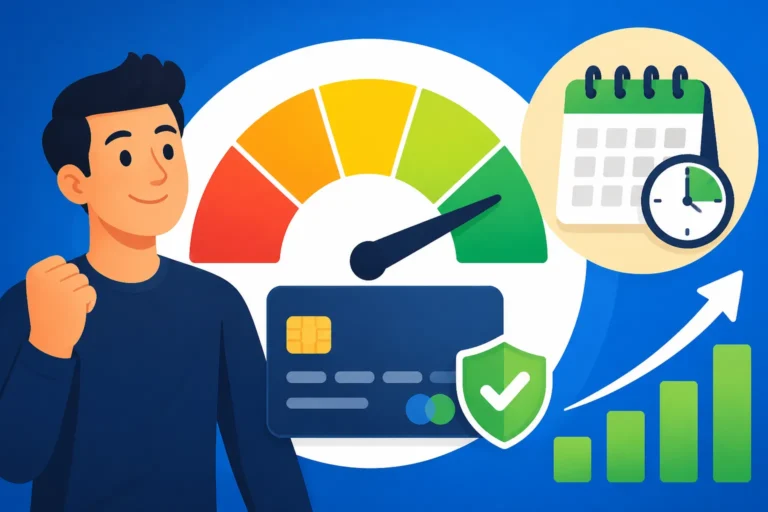
The absolute golden rule is to always pay your bill on time, every single month. Even a single late payment can set you back significantly, undoing weeks or months of progress. Set up automatic payments if possible, or create calendar reminders, whatever it takes to ensure you never miss a due date.
Next, focus on keeping your credit utilization low. Credit utilization is the amount of credit you're using compared to your total available credit. For instance, if your secured card has a $500 limit and you charge $250, your utilization is 50%. Lenders like to see this number below 30%, but for optimal credit building, aiming for under 10% is even better. This means if you have a $500 limit, try to keep your monthly spending under $50. You can use the card for small, everyday expenses like gas or groceries, then pay it off in full before the statement closing date. This practice ensures that a low utilization rate is reported to the credit bureaus. Understanding What Is a Good Credit Utilization Ratio? can really supercharge your efforts.
Even if you make multiple payments throughout the month, what really matters for your credit score is the balance reported on your statement closing date. So, if you charge $200 but pay $180 before the statement closes, only $20 will be reported, keeping your utilization low. It's a powerful trick to boost your score efficiently.
Monitoring Your Progress and Next Steps
Regularly checking your credit report is essential as you rebuild. You can get a free copy of your credit report from each of the three major bureaus once a year at AnnualCreditReport.com. This allows you to verify that your secured card payments are being reported accurately and on time, and that the repossession information is correct. Our guide on How to Read Your Credit Report (2026 Guide) can help you decipher what you're seeing. Additionally, you can check your credit score for free through many banking apps or credit monitoring services like Credit Karma or your card issuer's portal.
As you consistently make on-time payments and keep your utilization low for 6 to 12 months, you should start to see your credit score gradually improve. This is the moment to consider your next steps. Many secured cards will automatically review your account for an upgrade to an unsecured card, returning your deposit. If yours doesn't, you can often reach out to the issuer to inquire about it. This graduation is a huge milestone!
If your secured card doesn't offer a clear path to upgrade, or if you're looking to further diversify your credit profile, you might consider applying for another beginner-friendly credit card or even a small credit-builder loan once your score has seen significant improvement. Options like Credit Strong and other similar credit-builder loans can be excellent for adding an installment loan to your mix, which also positively impacts your credit diversity. Just make sure you're ready for the commitment of another financial product and that you continue to apply the same responsible habits you learned with your secured card. Knowing When Should You Upgrade From a Secured Card? is a key part of this strategy.
Remember, rebuilding credit after a repossession is a marathon, not a sprint. It takes patience, discipline, and consistent effort. But with a secured credit card and smart financial habits, you absolutely can turn the tide and move towards a healthier financial future.
Disclaimer
This article is for general informational purposes only and does not constitute professional advice. Laws, prices and regulations vary by location and change over time. Consult a qualified professional for guidance on your specific situation.