How to Build Credit After a Repossession Using a Self Loan
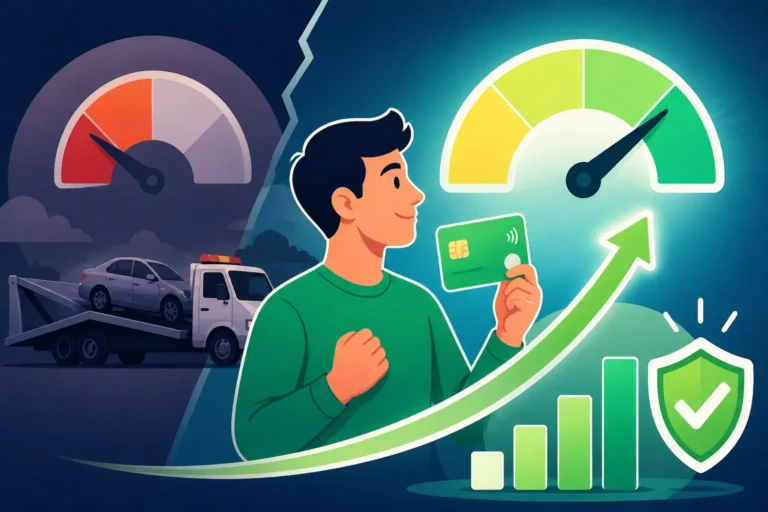
Dealing with a vehicle repossession is a tough blow, not just emotionally, but financially. It can feel like your credit score has been completely derailed, leaving you wondering how on earth you'll ever get back on track. This guide is here to walk you through how a Self Loan, a type of credit builder loan, can be a strategic tool to help you rebuild your credit after such a significant setback.
Understanding the Impact of a Repossession on Your Credit
A repossession is one of those negative marks on your credit report that really stings. It's a clear signal to potential lenders that a previous loan agreement wasn't fulfilled, which can make securing new credit incredibly challenging. But understanding exactly how it impacts your score is the first step toward recovery.
How a Repossession Damages Your Credit Score
When a lender repossesses your vehicle, it's not just the loss of the car you have to contend with; it's the significant damage to your credit score. A repossession indicates that you failed to make payments as agreed, which directly hits the "payment history" category, the largest factor in your FICO Score, accounting for 35% of it. This negative mark will typically remain on your credit report for up to seven years from the date of the first missed payment that led to the repossession.
Beyond the initial repossession entry, you might also see other negative items linked to it. For instance, if the lender sells the repossessed vehicle for less than what you still owed on the loan, the remaining balance, known as a "deficiency balance," can also be reported to credit bureaus as a collection or charge-off. This adds another layer of negative information, further dragging down your score. Each of these entries tells a story of financial risk, making it harder for you to access credit at favorable terms. It's truly a cascade effect that can feel overwhelming.
The Long-Term Effects on Your Financial Life
The ripple effects of a repossession extend far beyond an immediate credit score drop. For years, you might find yourself facing higher interest rates on any new loans or credit cards you apply for, simply because lenders view you as a higher risk. This means paying significantly more for things like personal loans, future car loans, or even mortgages. Trying to secure new credit becomes a frustrating cycle of denials or offers that come with steep costs.
Beyond lending, a repossession can influence other aspects of your life. Landlords often check credit reports as part of their tenant screening process, and a repossession can make it harder to rent an apartment, potentially requiring a larger security deposit or even a co-signer. Some insurance companies may also factor credit history into their premium calculations, meaning your car insurance rates could increase. Even employers in certain industries might conduct credit checks, though these are typically "soft inquiries" that don't directly impact your score. It’s a stark reminder that your credit report is a comprehensive financial resume that impacts almost every financial decision you make. If you're wondering how to fix your credit after a repossession, know that it's a marathon, not a sprint, but it's absolutely achievable.
What is a Self Loan and How Does It Work?
After experiencing a repossession, you might feel like no lender will ever trust you again. This is where credit builder loans, like those offered by Self, can be a game-changer. They're specifically designed to help people establish or rebuild a positive payment history, even with past financial missteps.
The Unique Structure of a Credit Builder Loan
A Self Loan works a bit differently than a traditional loan. Instead of receiving a lump sum of money upfront, you make regular, fixed payments into a locked, interest-bearing certificate of deposit (CD) account. This isn't money you can access immediately. Think of it like a forced savings plan that simultaneously builds your credit. For example, if you get a Self Loan for $500 over 12 months, you might pay around $45 a month. These payments go into that CD account.
The beauty of this structure is twofold: First, you're not borrowing money that you then need to figure out how to repay, which can be a relief when you're already managing other financial pressures. Second, because the loan amount is secured by the money you're depositing, it significantly reduces the risk for the lender. This makes these types of loans accessible to individuals with poor credit or no credit history, precisely when other doors might be closed. It's a controlled environment designed for positive financial habits. If you're curious about the mechanics, you can dive deeper into how credit builder loans work.
How Self Loans Report to Credit Bureaus
The most critical aspect of a Self Loan for rebuilding credit is its reporting mechanism. Self Financial, like other reputable credit builder loan providers such as Credit Strong, consistently reports your monthly payments to all three major credit bureaus: Equifax, Experian, and TransUnion. Every on-time payment you make is a positive entry on your credit report. Over time, these consistent, positive reports begin to counteract the negative impact of the repossession.
As these positive entries accumulate, they start to demonstrate your reliability as a borrower. Lenders primarily look at your payment history to gauge risk, and a consistent string of on-time payments, even for a smaller credit builder loan, shows that you are capable of managing financial obligations responsibly. After you've successfully paid off the loan, the funds in the CD account are unlocked and returned to you, minus a small administrative fee and any interest, giving you a lump sum of savings and a significantly improved credit profile. This positive reporting is exactly what you need to gradually raise your credit score.
Step-by-Step: Using a Self Loan to Rebuild Credit After Repossession
Taking control after a repossession might seem daunting, but a structured approach with tools like a Self Loan can make all the difference. Let's break down how to effectively use this strategy.
Assessing Your Current Financial Situation
Before jumping into any new financial product, it's crucial to get a clear picture of your current financial standing. Start by pulling your credit reports from AnnualCreditReport.com. These are your free, legally mandated reports, and you should check them regularly. Look for the repossession entry and any associated deficiency balances or collections. Understanding exactly what's on your report will help you gauge the depth of the challenge.
Next, create a detailed budget. This means tracking all your income and expenses to understand how much disposable income you genuinely have each month. Be realistic. If you're still struggling with other debts, like the deficiency balance from the repossession, factor that into your budget. The goal is to ensure you can comfortably afford the monthly payments for a Self Loan without stretching yourself too thin, which could lead to further missed payments – the very thing you're trying to avoid. There are many ways to manage your money, and understanding your cash flow is critical for a successful credit rebuilding journey.
Applying for and Managing Your Self Loan
Once you've assessed your finances, applying for a Self Loan is relatively straightforward. You'll typically need to provide some personal information, prove your identity, and set up automatic payments from your bank account. Self offers various loan amounts and terms, allowing you to choose a payment that fits your budget. It's wise to start with a smaller loan that you're absolutely certain you can manage, even if unexpected expenses arise.
The key to success with a Self Loan, or any credit builder loan, is consistency. Set up automatic payments to ensure you never miss a due date. Late payments will negate the positive impact you're trying to build and can further damage your score. Treat these payments with the same priority as your rent or utility bills. Regularly check your Self account and, after a few months, monitor your credit score through a reliable service (many credit card companies offer this for free or you can use services like Credit Karma). You should start to see the positive impact of your consistent payments over time. This consistent payment history is one of the pillars of building credit from scratch.
Best Practices for Maximizing Credit Building
To get the most out of your Self Loan, consider these strategies:
- Never Miss a Payment: This is non-negotiable. One late payment can undo months of progress. Set reminders, automate payments, and ensure you always have sufficient funds in your linked bank account.
- Keep Your Loan Active: Don't pay off the loan early unless you absolutely have to. The longer your history of positive payments, the better. Let the loan run its full course (e.g., 12 or 24 months) to maximize the reporting period.
- Monitor Your Credit Reports: Even with a Self Loan, it's crucial to keep an eye on your full credit reports for errors or new negative entries. You can check your reports for free annually. If you spot anything inaccurate, dispute credit report errors immediately.
- Consider a Second Credit Builder Loan (Later On): Once you've successfully completed one Self Loan, or if you feel confident managing multiple small accounts, consider another credit builder loan or a secured credit card. Diversifying your credit mix slightly with different types of accounts, all managed responsibly, can further boost your score. Services like Credit Strong also offer credit builder loans that report to all three bureaus, which could be an option for a second tradeline.
- Address Other Debts: While the Self Loan builds new, positive history, it's also important to address any outstanding deficiency balances from the repossession or other collections. Negotiating with debt collectors for a "pay-for-delete" arrangement, if possible, can help remove those negative marks faster.
Alternative and Complementary Strategies for Credit Rebuilding
While a Self Loan is a fantastic tool, it's often most effective when combined with other smart financial habits and credit-building products. A multi-pronged approach is usually the fastest way to see significant improvements after a repossession.
Secured Credit Cards and Authorized User Status
After a repossession, getting approved for an unsecured credit card can be nearly impossible. This is where secured credit cards step in. With a secured card, you put down a cash deposit, which typically becomes your credit limit. For example, if you deposit $200, your credit limit is $200. This deposit minimizes risk for the issuer, making them more willing to approve applicants with damaged credit.
The key is to use the secured card responsibly: make small purchases you can pay off in full every month, ideally before your statement closes, to keep your credit utilization low. This shows positive payment behavior and responsible credit management. After 6-12 months of on-time payments, many secured card issuers will review your account and may offer to "graduate" you to an unsecured card and return your deposit. Discover it Secured Card and Capital One Platinum Secured Card are popular options known for their graduation paths.
Another quick way to add positive history is by becoming an authorized user on someone else's well-managed credit card account. If a trusted friend or family member with excellent credit adds you to their account, their positive payment history and low utilization can appear on your credit report. This can provide an immediate boost, but choose wisely – their irresponsible use could also negatively affect you. Ensure you understand the authorized user benefits and risks before proceeding.
The Importance of Diversifying Your Credit Mix
Credit scoring models, like FICO and VantageScore, look at your "credit mix," which means having a healthy variety of credit accounts. This usually includes a combination of revolving credit (like credit cards) and installment loans (like car loans, mortgages, or personal loans). A Self Loan provides an excellent installment loan entry on your report. Adding a secured credit card would then introduce a revolving credit account, creating a more balanced credit profile.
However, don't go overboard opening multiple accounts too quickly. Each new application can result in a hard inquiry on your credit report, which can cause a temporary dip in your score. The goal is strategic diversification, gradually adding different types of credit that you can easily manage and pay on time. Having a good mix demonstrates to lenders that you can handle various forms of credit responsibly, making you a more attractive borrower in the long run.
Consistent Positive Payment Behavior
No matter which credit-building tools you use, the most crucial factor in rebuilding your credit after a repossession is consistent positive payment behavior. This means paying all your bills on time, every time. Payment history makes up the largest portion of your credit score, so every on-time payment you make, whether it's for your Self Loan, your secured credit card, or even your rent (if reported), slowly chips away at the negative impact of the repossession.
Beyond your credit accounts, consider paying all your other regular bills on time too. While utility bills and rent aren't always reported to credit bureaus, a missed payment could still lead to a collection account, which would be detrimental to your score. Focus on building rock-solid financial habits, because ultimately, your credit score is a reflection of your financial responsibility. This dedication to on-time payments is the most effective way to learn how to raise your credit score.
Here's a quick comparison of credit building tools after a repossession:
| Feature | Self Loan (Credit Builder Loan) | Secured Credit Card | Authorized User Status |
|---|---|---|---|
| Type of Credit | Installment loan (fixed payments) | Revolving credit (variable payments) | Revolving credit (shared account) |
| Money Upfront | No initial lump sum for you, but you make payments into savings | Requires a security deposit | No money upfront from you |
| Reports to Bureaus | Yes, all 3 major bureaus | Yes, all 3 major bureaus | Yes, all 3 major bureaus (if primary user's card reports AU) |
| Credit Score Impact | Builds payment history and credit mix | Builds payment history, utilization, and credit mix | Leverages primary user's good history |
| Accessibility | Often available with poor or no credit | Often available with poor or no credit (requires deposit) | Depends on someone else's willingness and credit |
| Key Benefit | Builds savings while building credit, low risk for borrower | Establishes revolving credit, potential for graduation | Quickest way to add positive history (if primary user is good) |
| Primary Drawback | Funds locked until loan completion | Requires a cash deposit, can be easy to overspend | Dependent on another person's financial habits |
| Best Used For | Establishing installment history, forced savings | Establishing revolving credit, improving utilization | Rapid credit boost through association |
Final Thoughts on Rebuilding Credit After a Repossession
Experiencing a repossession can feel like hitting rock bottom when it comes to your credit. The fear and frustration are completely valid. But remember, it's not the end of your financial journey. Tools like a Self Loan offer a clear, structured path to start building positive payment history, even when other avenues seem closed.
Combine this with other smart strategies like secured credit cards and diligently monitoring your credit reports, and you'll be well on your way to a healthier financial future. It takes time, discipline, and consistent effort, but every on-time payment you make is a step forward, proving to lenders – and to yourself – that you are a responsible borrower capable of achieving your financial goals. Your credit score is a reflection of your financial story, and you have the power to write a positive new chapter.
Disclaimer
This article is for general informational purposes only and does not constitute professional advice. Laws, prices and regulations vary by location and change over time. Consult a qualified professional for guidance on your specific situation.