How to Read Your Credit Report (2026 Guide)
Navigating your credit report can feel like trying to read a foreign language, full of confusing terms, numbers, and dates that seem to hold the key to your financial future but refuse to give up their secrets easily. Many of us know we should check our reports, but the sheer volume of information, often presented in a less-than-user-friendly format, can be incredibly daunting. This comprehensive guide is here to unravel that mystery, breaking down exactly what you'll find on your credit report, why each section matters, and how to read it like a seasoned pro so you can confidently understand and protect your financial health.
Understanding the "Why": Why Your Credit Report Matters So Much
It’s easy to think of a credit report as just some dusty file that lenders glance at. But in reality, it's a living, breathing document that tells a very detailed story about your financial behavior. Every missed payment, every new account, every time someone checks your credit—it all gets logged. Understanding this document isn't just about curiosity; it's about empowerment. It gives you the ability to challenge inaccuracies, spot potential fraud, and strategically improve your financial standing.
More Than Just a Score: The Details Lenders See
When a lender considers you for a mortgage, a car loan, or even a new credit card, they aren't just looking at a single number. While your credit score is certainly a major factor, it's merely a snapshot derived from the deeper narrative within your credit report. They want to see the nitty-gritty details: your payment history, the types of credit you've managed, how much debt you currently carry, and how long you've been managing credit. This granular information helps them assess your risk profile far beyond what a three-digit score can convey.
For example, two people might have a similar FICO Score, say 720. But if one person's report shows a long history of on-time payments across various credit types (credit cards, student loans, car loans) with low balances, while the other's shows a recent surge in credit card debt and several new accounts opened in the last few months, a lender will view these two individuals very differently. The report provides context, revealing patterns of financial responsibility or potential distress. This is why knowing What Affects Your Credit Score The 5 Factors is so crucial – because every single one of those factors is laid bare in your report.
Your Shield Against Identity Theft: Catching Errors Early
In today's digital age, identity theft is a constant threat. Your credit report acts as one of your most powerful defenses. Regularly reviewing it allows you to spot suspicious activity, such as accounts opened in your name that you don't recognize, addresses you've never lived at, or employers you've never worked for. Catching these errors early can save you immense headaches, financial loss, and the arduous process of untangling a compromised identity.
Imagine a scenario where you apply for a new apartment, only to be denied because your credit report shows an open credit card with a massive, unpaid balance that isn't yours. This isn't just an inconvenience; it's a direct consequence of identity theft going undetected. By making it a habit to check your credit reports at least once a year, you become your own first line of defense. It's not just about what you owe; it's about ensuring your financial identity is accurately represented and protected. If you notice anything amiss, knowing How to Report Identity Theft to the Credit Bureaus immediately is paramount.
Getting Your Hands on Your Credit Report (The Right Way)
Before you can dive into the details, you need to actually get your hands on your credit report. And while there are many services out there promising "free credit reports," it's crucial to know the official, legally mandated way to access them, as well as other legitimate avenues. Don't fall for scams that try to trick you into signing up for costly monitoring services just to see your report.
AnnualCreditReport.com: Your Official Go-To
The single most important resource for obtaining your credit reports is AnnualCreditReport.com. This is the only website authorized by federal law to provide you with a free credit report from each of the three major credit bureaus—Equifax, Experian, and TransUnion—once every 12 months. During the COVID-19 pandemic, this was expanded to weekly access, and that weekly access has been extended indefinitely, which is fantastic news for consumers!
There's no catch, no hidden fees, and no requirement to sign up for anything else. You simply visit the site, verify your identity (which might involve answering some security questions based on your credit history), and then you can access your reports. It’s a completely free service that every American is entitled to, and utilizing it is a cornerstone of good financial hygiene. Many people find it useful to pull one report every four months (e.g., Experian in January, Equifax in May, TransUnion in September) to monitor their credit throughout the year, but with weekly access, you can check all three anytime you want!
Credit Bureau Specifics: Equifax, Experian, TransUnion
It’s important to remember that you don't just have one credit report; you have three, one from each major credit bureau. These three agencies—Equifax, Experian, and TransUnion—are separate entities, and while they collect similar information, their reports can often contain slight variations. One bureau might have an old address that the others don't, or a collection account might appear on one report but not another. This is why it's so vital to review all three of them regularly.
When you request your reports through AnnualCreditReport.com, you’ll have the option to select one, two, or all three bureaus. I always recommend getting all three. Pay close attention to any discrepancies between them, as these differences can be significant indicators of errors or potential fraud. Understanding The 3 Credit Bureaus Equifax, Experian & TransUnion is the first step in mastering your credit report journey, as each has its own portal and dispute process if you need to go directly to them.
Beyond the Annual Report: Other Ways to Access
While AnnualCreditReport.com is your primary free source, there are other legitimate ways to view your credit report throughout the year. Many credit card companies, like Capital One with its CreditWise service or Discover with its Credit Scorecard, offer free access to one of your credit scores and often a simplified version of your credit report, typically from TransUnion or Experian. Services like Credit Karma provide free VantageScores and reports from TransUnion and Equifax.
These services can be great for frequent monitoring, but remember they might not show the full, comprehensive report you'd get from AnnualCreditReport.com, and the scores they provide (often VantageScore) might differ from the FICO Scores most lenders use. Still, they offer a convenient way to keep an eye on your credit health between your annual pulls from the official site. Additionally, if you've been denied credit, the lender is legally required to provide you with a free copy of the credit report they used, along with an adverse action notice explaining why you were denied.
The Anatomy of a Credit Report: What You'll Find Inside
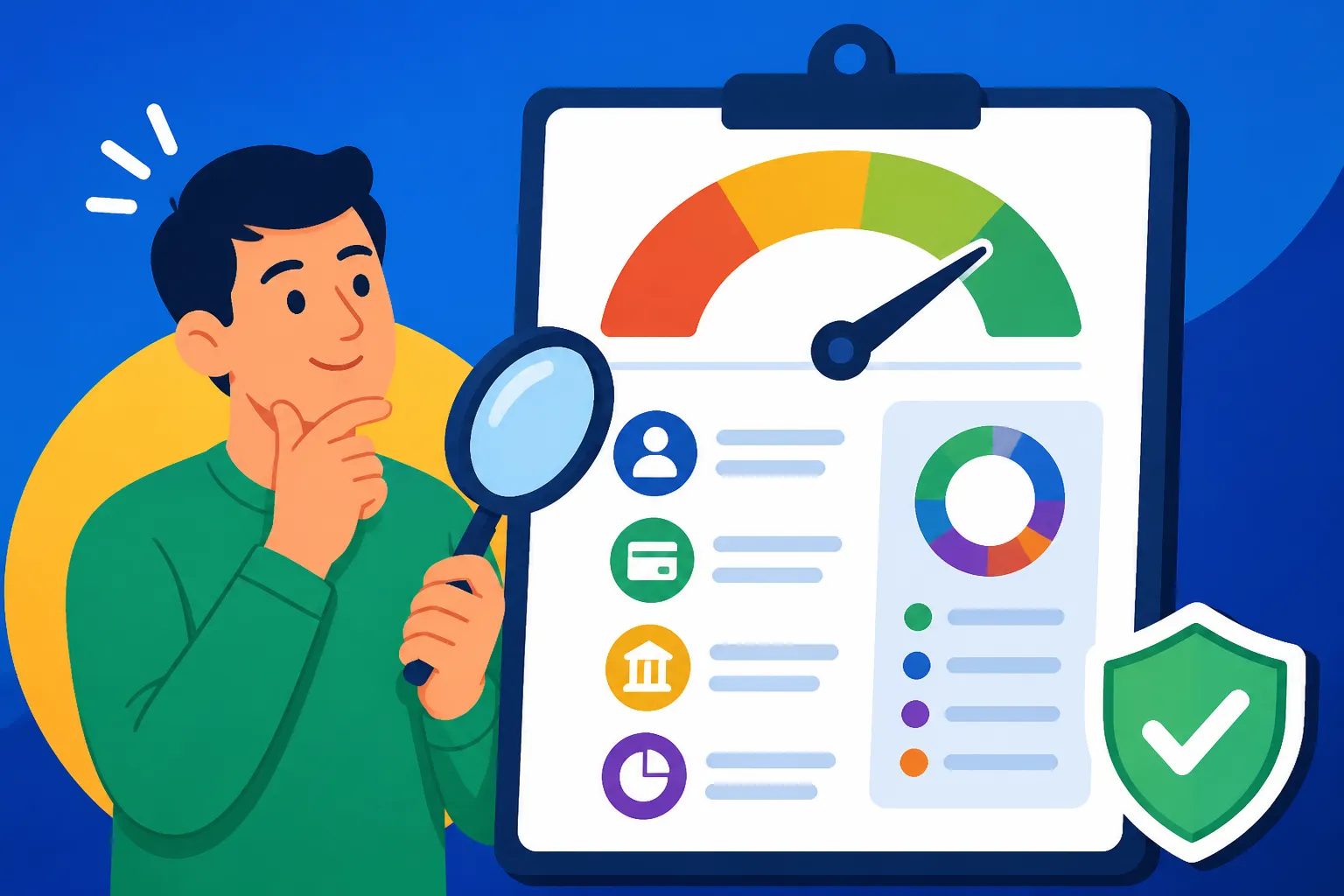
Okay, you've got your reports in hand. Now what? Let's dissect a typical credit report section by section. While the exact layout might vary slightly between Equifax, Experian, and TransUnion, the core information they contain is standardized and falls into several key categories. Knowing what to expect in each section will make the process much less overwhelming.
Personal Information: Ensuring Accuracy
The very first section of your credit report typically contains your personal identifying information. This includes your name (current and any previous names), current and past addresses, Social Security Number (often partially masked for security), date of birth, and employment information. It might also list phone numbers or email addresses associated with your accounts.
It's absolutely critical to review this section for accuracy. Even a minor misspelling of your name, an outdated address, or an employer you never worked for could indicate an error that needs correcting, or worse, a sign of identity theft. For example, if you see an address listed where you've never lived, it could mean someone else is using your identity to open accounts. Making sure this foundational data is correct helps ensure your credit history isn't being mixed up with someone else's.
Account Information (Tradelines): The Heart of Your Report
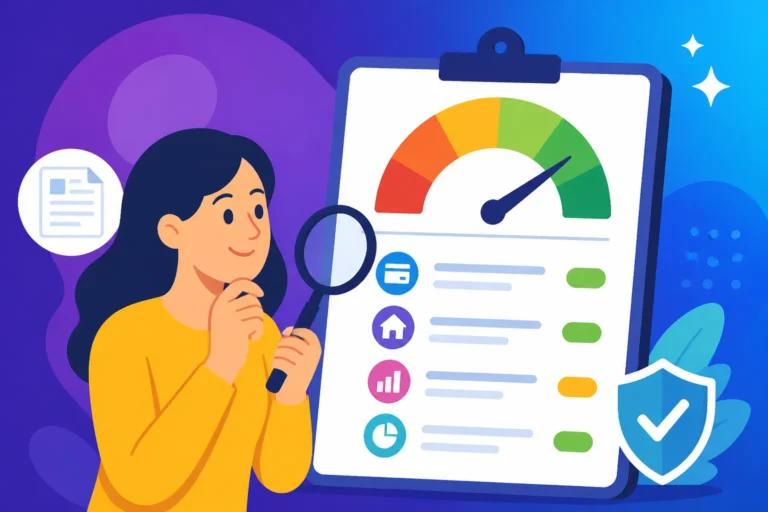
This is, without a doubt, the largest and most detailed section of your credit report. Often called "tradelines," this section lists every credit account you've ever had that reports to that specific bureau. This includes credit cards, mortgages, auto loans, student loans, and even personal loans. For each account, you’ll see a wealth of information, typically including:
- Account Name: The name of the creditor (e.g., Bank of America, Sallie Mae, Capital One).
- Account Number: Usually partially masked for security.
- Account Type: Revolving (like credit cards) or Installment (like car loans).
- Date Opened: When you first opened the account.
- Credit Limit or Loan Amount: The maximum you can borrow or the original loan amount.
- Balance: How much you currently owe.
- Payment Status: Whether the account is current, past due, or charged off.
- Payment History: A month-by-month record of your payments, often going back several years. This is usually indicated by codes like "OK" for on-time or "30" for 30 days late.
- Date of Last Activity: The most recent action on the account.
This section is paramount because it directly fuels your credit score. Lenders scrutinize this data to understand your payment habits, how much credit you're using, and the variety of credit you manage. If you're looking to build positive credit history, consistent, on-time payments here are your best friend. Even alternative credit solutions like a Credit Strong credit builder loan report payment activity to the major bureaus, establishing a positive tradeline that contributes to this crucial section.
Public Records and Collections: The Tough Stuff
This section is where some of the most damaging information can appear, impacting your credit score significantly. Public records can include bankruptcies, foreclosures, and sometimes tax liens or civil judgments (though changes in reporting have made these less common on credit reports in recent years). Collections accounts, which occur when a debt goes so delinquent that the original creditor sells it to a third-party collection agency, are also listed here.
Seeing a public record or collection account can be disheartening. These items signal serious financial distress and can remain on your report for many years—typically 7 years for collections and foreclosures, and 7-10 years for bankruptcies. It's crucial to ensure any information listed here is accurate and genuinely belongs to you. If you spot an error, knowing How to Remove Collections From Your Credit Report or other negative items is a critical skill for credit repair.
Inquiries: Who's Been Peeking?
This section lists every instance where someone has accessed your credit report. There are two main types of inquiries, and understanding the difference is key:
- Hard Inquiries: These occur when you apply for new credit, such as a credit card, mortgage, or car loan. Each hard inquiry can slightly (usually by a few points) lower your credit score and typically remains on your report for two years, although their impact diminishes after about a year. Too many hard inquiries in a short period can signal to lenders that you're desperate for credit, making you appear riskier.
- Soft Inquiries: These are inquiries that do not affect your credit score. They happen when you check your own credit report, when a lender pre-approves you for an offer, or when a company you already do business with reviews your credit. Soft inquiries are only visible to you.
When reviewing this section, you're primarily looking for hard inquiries you don't recognize. If you see a hard inquiry from a company you never applied for credit with, it could be a red flag for identity theft. Regularly checking your credit allows you to spot these unauthorized inquiries quickly. For more details, explore What Is a Soft Inquiry vs a Hard Inquiry?.
Deciphering Account Information: Unpacking Tradelines
The "Account Information" section, or tradelines, is where the bulk of your credit history resides. It tells the story of how you've managed various types of credit over time. Understanding the nuances here can provide incredible insight into your financial habits and how lenders perceive you.
Types of Accounts: Revolving, Installment, and Open
Credit reports categorize accounts into different types, and your "credit mix" (having a healthy blend of these types) can actually be a positive factor for your score.
- Revolving Accounts: These are accounts where you have a credit limit, and you can borrow, repay, and re-borrow up to that limit. Credit cards are the most common example. The key characteristic is that the balance fluctuates, and you're typically required to make a minimum payment. Your credit utilization ratio (how much you owe versus your total available credit) is a major factor derived from these accounts.
- Installment Accounts: These involve a fixed loan amount that you repay over a set period, with fixed monthly payments. Once the loan is paid off, the account is closed. Examples include car loans, mortgages, student loans, and personal loans.
- Open Accounts: These are less common but include things like charge cards (where the balance must be paid in full each month, like an American Express Green Card from years ago) or utility accounts that report payment history.
Having a good mix of these accounts demonstrates your ability to responsibly manage different kinds of debt. For instance, if you're trying to establish credit and only have a secured credit card, adding an installment loan through a reputable provider like Credit Strong can diversify your credit mix and show lenders you can handle different types of financial obligations.
Account Status and Payment History: The Good, the Bad, and the Ugly
This is where your track record really shines—or unfortunately, where past missteps come to light.
- Current Status: Ideally, you want all your accounts listed as "current" or "paid as agreed." This means you're making payments on time and according to your agreement with the lender.
- Payment History: Look for a detailed history, often a grid of "OK" or "P" for paid on time, or numbers like "30," "60," "90," or "120" to indicate how many days late a payment was. A single late payment can ding your score, and multiple late payments are a serious red flag. Even worse, statuses like "charge-off," "repossession," or "foreclosure" represent severe delinquencies.
Carefully review every single month's payment history. If you know you've made a payment on time but see it reported as 30 days late, that's a clear error you need to dispute. Remember, your payment history is the most significant factor in your credit score, accounting for 35% of your FICO score. Protecting this record is paramount, and if you have a genuine late payment, you might consider sending a What Is a Goodwill Letter and Does It Work? to the creditor.
Balances and Credit Limits: Understanding Utilization
For revolving accounts like credit cards, your credit report will show your current balance and your credit limit. This information is crucial for calculating your credit utilization ratio, which is the amount of credit you're using compared to your total available credit.
For example, if you have a credit card with a $5,000 limit and a $1,000 balance, your utilization for that card is 20%. Lenders generally prefer to see your overall credit utilization (the sum of all your revolving balances divided by the sum of all your revolving limits) kept below 30%. High utilization can severely lower your credit score, even if you pay on time.
When reading your report, ensure the balances and credit limits are accurate. If a credit limit is reported lower than it actually is, or a balance is higher than what you believe you owe, this could negatively impact your utilization and thus your score. If you're struggling with high balances, focusing on How to Lower Your Credit Utilization Fast can be a quick way to see some positive movement on your score.
Spotting Errors and Discrepancies: Your Detective Toolkit
You're not just reading your credit report; you're auditing it. Think of yourself as a financial detective, meticulously searching for anything that looks out of place. Errors on your credit report are surprisingly common, and they can significantly hurt your credit score, making it harder to get approved for loans or secure favorable interest rates.
Common Mistakes to Look For
So, what kinds of mistakes should you be looking for? The possibilities are wider than you might think:
- Incorrect Personal Information: Misspelled names, wrong addresses, incorrect dates of birth, or even an employer you never worked for. Sometimes, credit files can get mixed up with someone else who has a similar name.
- Accounts You Don't Recognize: This is a major red flag for identity theft. If you see credit cards, loans, or even utility accounts listed that you never opened, take immediate action.
- Incorrect Account Status or Payment History: A payment you know you made on time reported as late, a closed account reported as open, or an account you paid off still showing an outstanding balance.
- Duplicate Accounts: Sometimes, the same account might be reported twice by the same creditor or by different creditors (e.g., the original creditor and a collection agency) as if they were separate debts.
- Incorrect Balances or Credit Limits: Your report might show a higher balance than you actually owe or a lower credit limit than what your card actually provides, both of which can negatively impact your credit utilization.
- Outdated Information: Negative information like late payments or collections should generally fall off your report after seven years (bankruptcies after 7-10 years). If you see items that are past their statutory reporting period, they need to be removed. How Long Do Items Stay on Your Credit Report? goes into detail on these timelines.
- Unauthorized Hard Inquiries: While soft inquiries don't hurt your score, unauthorized hard inquiries (from applications you never submitted) can.
Developing a keen eye for these common errors is your first line of defense in maintaining a healthy credit profile.
The Impact of Errors on Your Score
Even small errors can have a surprisingly large impact on your credit score. For instance, a single late payment reported incorrectly can drop your FICO score by dozens of points, especially if you otherwise have a pristine payment history. An incorrect high balance can artificially inflate your credit utilization, a factor that accounts for 30% of your FICO score, making you appear riskier to lenders.
Think of it this way: your credit score is a reflection of the information on your credit report. If that information is flawed, your score will be flawed. These inaccuracies can lead to higher interest rates on loans, denied applications for credit or housing, and even affect things like insurance premiums or job prospects. It’s not just about a few points; it’s about access to opportunities and saving money over the long term.
How to Document and Prepare for Disputes
Finding an error is only the first step; the next is to gather your evidence. Before you even think about submitting a dispute, you need to be organized.
- Circle or Highlight the Errors: On the physical or digital copy of your credit report, clearly mark every single item you believe is inaccurate.
- Gather Supporting Documents: For each error, collect any evidence you have to support your claim. This might include:
- Bank statements showing on-time payments.
- Canceled checks.
- Credit card statements with correct balances or limits.
- Letters from creditors confirming an account closure or payment.
- Police reports or FTC identity theft reports if you suspect fraud.
- Proof of residence for address discrepancies.
- Keep a Detailed Log: Document when you pulled the report, which bureau it's from, the date you noticed the error, and what supporting documents you have. This paper trail will be invaluable if the dispute process becomes complicated.
Being prepared with concrete evidence strengthens your case significantly and makes the dispute process much smoother. Remember, the burden of proof often lies with the reporting entity, but providing your own evidence can expedite resolution.
Taking Action: What to Do After Reading Your Report
Once you've thoroughly reviewed your credit reports and identified any issues, it's time to take proactive steps. Ignoring discrepancies or potential issues won't make them go away; in fact, they could fester and cause more problems down the line.
Disputing Inaccuracies: Your Right to a Clean Report
If you find any errors, your next step is to dispute them. You have the legal right under the Fair Credit Reporting Act (FCRA) to dispute inaccurate information on your credit report directly with the credit bureaus and the information providers (the original creditors).
Here's a general approach to disputing:
- Contact the Credit Bureau: You can typically dispute errors online, by mail, or by phone. It's often recommended to dispute in writing via certified mail with a return receipt requested, so you have proof of when your dispute was sent and received. Clearly identify the inaccurate item and provide your supporting documentation.
- Contact the Information Provider: While the credit bureaus are legally obligated to investigate, it's also a good idea to send a dispute letter directly to the creditor or collection agency that reported the information.
- Follow Up: The credit bureaus typically have 30 days (sometimes 45 days, depending on circumstances) to investigate your dispute. If they can't verify the information, they must remove it. If you don't hear back, follow up diligently.
For a detailed walkthrough, check out How to Dispute Credit Report Errors Step-by-Step. It’s not always a quick process, but persistence is key to getting these items removed.
Protecting Yourself Further: Freezes and Alerts
Beyond disputing errors, there are powerful tools you can use to protect your credit from future fraud and unwanted access:
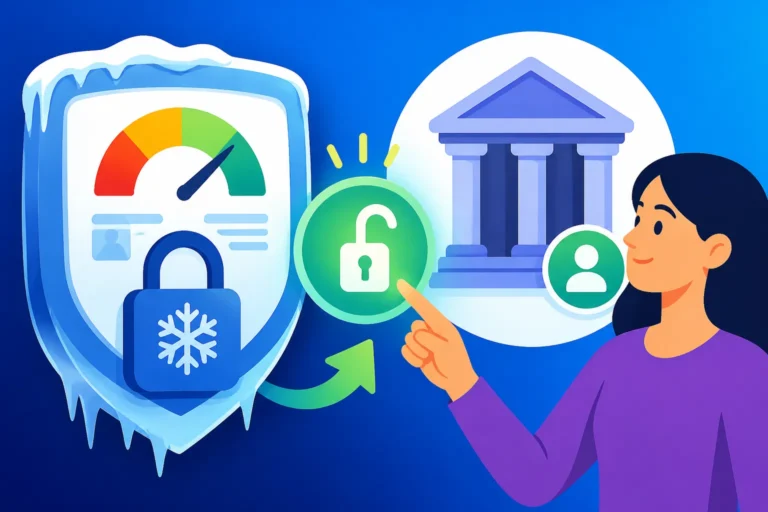
- Credit Freeze: This is the strongest protection. A credit freeze restricts access to your credit report, meaning new credit accounts cannot be opened in your name. If you're not planning to apply for new credit, a freeze is highly recommended. It's free to place and lift a freeze with all three bureaus. You'll get a PIN or password to manage it.
- Fraud Alert: If you suspect you're a victim of identity theft, you can place a fraud alert on your credit report. This requires creditors to take extra steps to verify your identity before extending new credit. Initial fraud alerts last for one year, while extended alerts (requiring an identity theft report) last for seven years.
- Credit Lock: Some credit bureaus and services offer credit locks, which are similar to freezes but often managed through an app and can be turned on and off more instantly. While convenient, locks may not offer the same legal protections as a federally mandated credit freeze.
Understanding the differences between Credit Freeze vs Credit Lock vs Fraud Alert will help you choose the right level of protection for your situation.
Building and Maintaining Good Credit: Proactive Steps
Reading your credit report isn't just about fixing past mistakes; it's also about identifying areas for improvement and taking proactive steps to build a stronger financial future.
- Pay Bills On Time: This is the single most important factor. Set up automatic payments or reminders to ensure you never miss a due date.
- Keep Credit Utilization Low: Aim to keep your credit card balances below 30% of your credit limits (and ideally even lower, like under 10%). Pay down balances, or consider requesting a credit limit increase (if done responsibly and not accompanied by higher spending).
- Maintain a Good Credit Mix: Responsibly managing a mix of revolving and installment accounts can positively impact your score. If you only have one type of credit, consider adding another, perhaps a credit-builder product like the one offered by Credit Strong, to diversify your profile.
- Don't Close Old Accounts: The length of your credit history (credit age) is a factor in your score. Keeping older accounts open, even if unused, maintains that history.
- Apply for New Credit Sparingly: Each hard inquiry can slightly lower your score. Only apply for credit when you genuinely need it.
By consistently monitoring your reports and implementing these strategies, you can not only fix past issues but also actively cultivate an excellent credit profile.
Credit Report vs. Credit Score: A Crucial Distinction
It’s easy to use the terms "credit report" and "credit score" interchangeably, but they are distinct entities. Understanding their relationship is fundamental to mastering your personal finance. Think of it like this: your credit report is the raw data, the detailed book of your financial history, while your credit score is the summary grade based on that book.
The Report Feeds the Score: Understanding the Relationship
Your credit report is the comprehensive document issued by each of the three major credit bureaus (Equifax, Experian, and TransUnion) that details your credit accounts, payment history, public records, and inquiries. It's filled with dates, numbers, and statuses for every financial obligation you've ever had.
Your credit score, on the other hand, is a three-digit number derived from the information within your credit report. Credit scoring models, like FICO and VantageScore, analyze the data in your report using complex algorithms to predict your likelihood of repaying debt. They take various factors from your report—like payment history, amounts owed, length of credit history, credit mix, and new credit—and assign them different weights to produce that single, influential number. This is why when you get your How to Check Your Credit Score for Free from various sources, it's often accompanied by a simplified report.
Therefore, you can't have a credit score without a credit report. The score is merely a numerical interpretation of the information contained within the report. If there are errors in your report, those errors will directly affect your score. This fundamental connection is why learning How Credit Scores Work The Complete Guide is incomplete without understanding the underlying report.
Why Scores Vary: Different Models, Different Data Points
One of the most common frustrations people face is seeing different credit scores from different sources. You might check your score with one service and see 710, then check another and see 695. This isn't necessarily because one is "wrong" and the other is "right."
There are a few key reasons for this variance:
- Different Scoring Models: The two most common credit scoring models are FICO Score and VantageScore. Both have multiple versions (e.g., FICO 8, FICO 9, VantageScore 3.0, VantageScore 4.0), and each version uses slightly different methodologies and weighting of factors. Lenders often use specific industry-tailored FICO scores (e.g., FICO Auto Score, FICO Bankcard Score). Understanding FICO Score vs VantageScore What's the Difference? clarifies these nuances.
- Different Bureaus' Data: As we discussed, your credit report can vary between Equifax, Experian, and TransUnion. Since different scoring models are applied to different sets of data, your score will naturally vary depending on which bureau's report is used.
- Timing of Updates: Credit bureaus update their reports at different intervals. An account might update with Experian today, but not with Equifax or TransUnion for another week. This slight delay can cause scores to fluctuate.
The most important takeaway is to understand that there isn't one universal credit score. Instead, focus on the overall trend of your scores and ensure the underlying information in all three of your credit reports is accurate. If you consistently maintain healthy credit habits, all your various scores will generally trend in a positive direction, regardless of the model or bureau.
What is on Your Credit Report Summary Table
To help you quickly grasp the essential components of your credit report, here's a summary of what you'll typically find in each major section and what it means for you.
| Section Name | What You'll Find | Why It Matters | What to Look For |
|---|---|---|---|
| Personal Information | Name, Address, SSN, DOB, Employers (current & past) | Identifies you; ensures correct association of credit history. | Misspellings, unknown addresses, incorrect employers. |
| Account Information | Creditor name, account type, open date, balance, credit limit, payment history | Most critical for score. Shows your payment habits, debt levels, and credit mix. | Late payments, incorrect balances, accounts you don't own, correct account status. |
| Public Records | Bankruptcies, foreclosures, civil judgments, tax liens | Indicates severe financial distress; significant negative impact on score. | Records that aren't yours, items past reporting limits. |
| Collections | Details of debts sent to collection agencies | Major negative impact on score; shows failure to pay original debt. | Accounts you don't owe, duplicate entries, incorrect amounts. |
| Inquiries | List of who accessed your report (hard & soft) | Hard inquiries can slightly lower scores; too many can signal risk. | Unauthorized hard inquiries from companies you didn't apply to. |
| Consumer Statement | Optional personal statement from you (explaining an issue) | Provides context for unusual items (e.g., medical emergency causing late payment). | Ensure any statement you added is correct and clear. |
This table provides a quick reference, but remember, the depth and detail in each section are what truly matter. Take your time, go through each line item, and be your own best advocate for your financial well-being.
Disclaimer
The information provided in this guide is for general educational purposes only and should not be considered financial or legal advice. Credit laws and regulations can be complex and may vary. Always consult with a qualified financial advisor or legal professional for advice tailored to your specific situation.