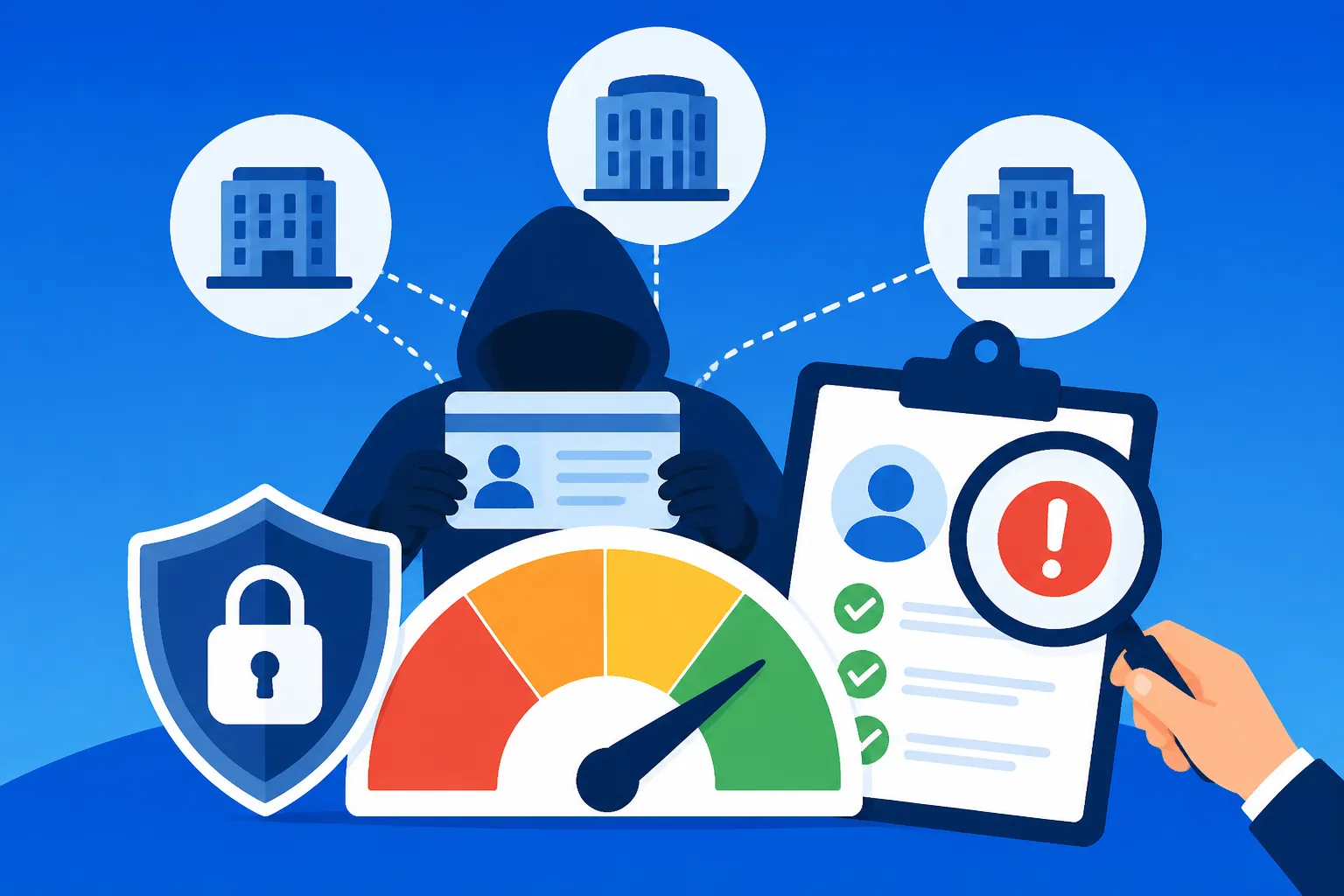
How to Report Identity Theft to the Credit Bureaus
Discovering that you've become a victim of identity theft can feel like a punch to the gut. It's an incredibly violating experience, leaving you feeling exposed, frustrated, and often completely overwhelmed about where to even begin. You might be staring at unfamiliar charges, receiving collection calls for debts that aren't yours, or even finding new accounts opened in your name. This comprehensive guide is designed to walk you through the crucial steps of reporting identity theft directly to the three major credit bureaus, helping you reclaim your financial identity and peace of mind.
The Shocking Reality: What Identity Theft Means for You
When identity theft strikes, it's not just a financial inconvenience; it's a deep invasion of your personal space and security. Many people don't realize the sheer scope of what an identity thief can do with just a few pieces of your information. They can open new credit lines, file fraudulent tax returns, steal your medical benefits, or even commit crimes in your name. The ripple effects can haunt you for years, impacting everything from your ability to secure a loan to renting an apartment. It's a truly disheartening situation, and it’s completely understandable to feel a mix of anger, fear, and helplessness. But remember, you're not alone, and there are concrete steps you can take to fight back.
Understanding the Personal Impact
Beyond the immediate financial losses, identity theft can take a significant toll on your emotional well-being. The constant worry, the time spent on phone calls, disputes, and paperwork, and the feeling of having your privacy compromised can lead to immense stress and anxiety. Imagine trying to get approved for a mortgage, only to find out that your credit score has plummeted due to accounts you never opened. Or, receiving calls from aggressive debt collectors demanding payment for services you never received. These aren't just hypothetical scenarios; they are the daily realities for millions of identity theft victims. The struggle is real, and it's essential to acknowledge the emotional burden this crime carries. Your sense of security is shattered, and rebuilding that trust takes time and diligence.
Common Types of Identity Theft You Might Encounter
Identity theft isn't a single, monolithic crime; it comes in many forms, each with its own specific challenges. Knowing what you're up against can help you identify the scope of the problem. Credit card fraud, where someone makes unauthorized purchases on your existing accounts, is one of the most common. Then there's new account fraud, where thieves open entirely new credit cards, loans, or utility accounts in your name. Medical identity theft can lead to false medical records and bills, while tax identity theft involves someone filing a phony tax return to steal your refund. There's also child identity theft, which can go undetected for years, or even criminal identity theft, where someone provides your identifying information to law enforcement during an arrest. Each type requires a slightly different approach, but the core principle of reporting to the credit bureaus remains constant as a first line of defense.
Immediate First Steps When You Discover Identity Theft
The moment you suspect identity theft, time is of the essence. While your immediate instinct might be to panic, taking swift, decisive action can significantly limit the damage. Think of it like a fire: the sooner you call for help and start putting out the flames, the less widespread the destruction will be. These initial steps are crucial before you even contact the credit bureaus directly, as they lay the groundwork for a more effective recovery process. Don't skip these; they're your foundational defense.
Securing Your Finances and Personal Information
Your very first move should be to secure any accounts that may have been compromised. This means contacting your banks, credit card companies, and any other financial institutions where you've noticed suspicious activity. Report fraudulent transactions immediately. For instance, if you see an unauthorized charge on your Chase Sapphire Reserve card, call Chase right away. They can often cancel the card, issue a new one, and dispute the charges. Change all your passwords – not just for financial accounts, but for email, social media, and any online services that might hold personal information. Use strong, unique passwords and consider enabling two-factor authentication wherever possible. It's also a good idea to notify utility companies if new accounts have been opened in your name for services like electricity or internet. This proactive approach helps to cut off the thief's access and prevent further unauthorized activity while you gather your thoughts and plan your next moves.
Filing an Identity Theft Report with the FTC
One of the most critical steps, and one that many people unfortunately overlook, is to file an official Identity Theft Report with the Federal Trade Commission (FTC). This isn't just a suggestion; it's a vital document that empowers you with certain rights and simplifies subsequent steps. You can do this easily online at IdentityTheft.gov. The FTC report serves as official proof that you're a victim of identity theft. It creates a personalized recovery plan, including pre-filled letters you can send to creditors and credit bureaus. When you reach out to creditors, having an FTC report often carries more weight than simply calling as an individual. It also helps with the process of disputing fraudulent accounts and can assist in removing negative items from your credit report. Think of it as your official declaration of war against the identity thief; it’s a necessary tool for fighting back. To learn more about this initial phase, check out our guide on how to get an identity theft report, or consider consulting a broader resource like What to Do If You're a Victim of Identity Theft.
Reporting Identity Theft to Equifax, Experian, and TransUnion
Now that you've taken those vital initial steps and ideally have an FTC Identity Theft Report in hand, it's time to directly engage with the gatekeepers of your financial reputation: Equifax, Experian, and TransUnion. These three major credit bureaus are where most of the fraudulent activity will ultimately be reported, and it's essential to notify all of them, as they don't automatically share information with each other. This direct communication is a cornerstone of the identity theft recovery process, helping to prevent new fraud and address existing damage.
Contacting Each Credit Bureau Individually
This is where the real legwork begins, but don't let it intimidate you. You need to contact Equifax, Experian, and TransUnion separately. Yes, all three. The reason is simple: lenders often report to only one or two bureaus, meaning fraudulent accounts might show up on one report but not another. By contacting all three, you ensure comprehensive coverage.
Here's the contact information you'll typically need:
| Credit Bureau | Identity Theft Phone Number | Fraud/ID Theft Address (General) | Website for ID Theft Resources |
|---|---|---|---|
| Equifax | 1-800-525-6285 | P.O. Box 740256, Atlanta, GA 30374-0256 | Equifax Identity Theft |
| Experian | 1-888-397-3742 | P.O. Box 9554, Allen, TX 75013 | Experian Identity Theft |
| TransUnion | 1-800-680-7289 | P.O. Box 2000, Chester, PA 19016 | TransUnion Identity Theft |
When you call, explain clearly that you are a victim of identity theft. They will guide you through their specific process, which usually involves verifying your identity and documenting the fraud. Have your FTC Identity Theft Report number ready, as this is often requested and can expedite the process. You'll likely also want to mention that you want to dispute any fraudulent accounts that appear on your report. For more details on interacting with these specific bureaus, you might find our guide on How to Dispute With Equifax, Experian, and TransUnion helpful.
Placing a Fraud Alert and Credit Freeze
After contacting the bureaus, two incredibly powerful tools at your disposal are placing a fraud alert and initiating a credit freeze. These are absolutely essential for protecting yourself from further harm.
- Fraud Alert: When you place an initial fraud alert with just one of the credit bureaus, that bureau is legally required to notify the other two. This alert lasts for one year and tells potential creditors that they must take reasonable steps to verify your identity before extending credit. This means if a thief tries to open a new line of credit in your name, the lender should contact you first to confirm it's really you. It's a layer of protection that adds friction for the thief. You can also place an extended fraud alert if you've already filed an FTC Identity Theft Report, which lasts for seven years. Learn more about How to Place a Fraud Alert on Your Credit.
- Credit Freeze: A credit freeze, sometimes called a security freeze, is even stronger. It completely restricts access to your credit report, meaning no new credit can be opened in your name until you temporarily "unfreeze" or "thaw" it. Unlike a fraud alert, a credit freeze requires you to contact each of the three bureaus individually to place it. Once in place, it acts as a very effective barrier against new account fraud. You'll receive a PIN or password for each bureau, which you'll need to "lift" the freeze when you genuinely need to apply for credit, such as a mortgage or a new credit card. This is a must-do step for any identity theft victim. We have a detailed guide on How to Freeze Your Credit (All 3 Bureaus) that walks you through the entire process. The combination of these two measures provides robust protection against further fraudulent activity, giving you a chance to breathe and focus on the next steps in your recovery.
Disputing Fraudulent Accounts and Charges
Reporting identity theft is just the first step; now comes the meticulous work of cleaning up your credit reports. This often feels like a daunting task, like trying to untangle a ball of yarn that’s been tossed around by a hurricane. However, disputing fraudulent accounts and charges is absolutely critical to restoring your credit profile and ensuring you're not held responsible for debts that aren't yours. This process requires patience, attention to detail, and persistence, but it is achievable.
Gathering Your Evidence and Documentation
Before you start sending letters or making calls, you need to arm yourself with evidence. This is where your FTC Identity Theft Report becomes invaluable. It's your official proof that you're a victim. Beyond that, gather copies of any correspondence related to the fraudulent accounts, such as collection letters or billing statements. If you have any proof of your whereabouts at the time accounts were opened or charges were made (e.g., travel receipts, work schedules), include those. Make a detailed list of every fraudulent account or charge, including the account number, the creditor's name, the amount, and the date it appeared on your credit report. When you pull your credit reports (and you should do so frequently after identity theft – you're entitled to free reports), highlight the inaccurate information. Take screenshots or make copies of any online evidence. The more organized and thorough your documentation, the stronger your case will be when you challenge these items. This might also be a good time to thoroughly understand How to Read Your Credit Report (2026 Guide) to ensure you don't miss any lingering issues.
Crafting Effective Dispute Letters
Once you have your evidence, it's time to dispute the fraudulent items. While you can often initiate disputes online or by phone, sending dispute letters via certified mail with a return receipt is generally recommended. This creates a paper trail and proof that the bureaus received your dispute. Your dispute letter should be clear, concise, and professional.
Here’s a general outline of what to include:
- Your Personal Information: Full name, address, date of birth, and Social Security Number.
- Statement of Identity Theft: Clearly state that you are a victim of identity theft.
- FTC Identity Theft Report: Include a copy and state its report number.
- Specific Items to Dispute: List each fraudulent account or charge, explaining why it's fraudulent (e.g., "account was opened fraudulently by an identity thief").
- Supporting Documents: Enclose copies of all your evidence, never send originals.
- Request for Removal: Ask the credit bureau to remove the fraudulent items from your report and update their records.
You'll need to send a separate letter to each of the three credit bureaus (Equifax, Experian, TransUnion) for each item you're disputing. The bureaus typically have 30 days to investigate your dispute once they receive it. Be prepared for a back-and-forth process. If an item is verified as fraudulent, it must be removed. This careful process is key to cleaning up your credit. For a detailed walkthrough and templates, consider reading our article on How to Dispute Fraudulent Accounts or even How to Write a Credit Dispute Letter (Template).
Here's a quick comparison of dispute methods:
| Method | Pros | Cons | Recommendation for ID Theft |
|---|---|---|---|
| Online | Fastest initial submission, easy to upload documents | Less proof of receipt, may not get direct human review | Good for initial notification; follow up with mail. |
| Phone | Immediate interaction, can ask questions | No paper trail, easy to miss details, long wait times | Use for urgent inquiries/fraud alerts; follow up with mail. |
| Certified Mail | Provides proof of mailing & receipt, creates a physical record | Slower processing, requires more effort (printing, postage) | Highly Recommended for official disputes and sending evidence. |
Long-Term Protection and Credit Recovery
Dealing with identity theft isn't a one-and-done kind of situation. Even after you've reported the theft, disputed the fraudulent accounts, and cleaned up your credit report, the journey isn't over. Think of it like recovering from a serious illness: you need ongoing care and preventive measures to ensure you stay healthy. The long-term impact of identity theft can linger, so establishing robust protection habits and actively working on your credit recovery are essential for truly moving past this ordeal.
Continuous Monitoring and Vigilance
Once you've been a victim, you become more aware of how vulnerable your personal information can be. This awareness should fuel a commitment to continuous credit monitoring and vigilance. Make it a habit to regularly check your credit reports from all three bureaus. Remember, you're entitled to a free copy of your credit report from each of the major bureaus once every 12 months via AnnualCreditReport.com. In the wake of identity theft, you may even be eligible for more frequent reports. Scrutinize every account, every inquiry, and every piece of personal information listed. If you spot anything unfamiliar, no matter how small, investigate it immediately.
Consider signing up for a credit monitoring service. Many financial institutions and credit card companies offer this for free as a perk, or you can opt for paid services that provide more in-depth alerts. These services can notify you about new accounts opened in your name, changes to your credit score, or even suspicious activity on existing accounts. This constant watchfulness is your best defense against future attempts at fraud. For further protection strategies, explore topics like Credit Monitoring: Is It Worth It?. Also, learn how to get your own How to Get Your Free Credit Report regularly.
Rebuilding Your Credit After the Ordeal
Identity theft can leave a nasty scar on your credit score, even after the fraudulent items are removed. The good news is that credit is resilient, and you can absolutely rebuild it. The first step is to ensure that all negative, fraudulent items have indeed been removed from your reports. If they haven't, you'll need to follow up with the credit bureaus and creditors. Once your reports are clean, focus on the fundamentals of good credit management. This includes paying all your legitimate bills on time, every time. Payment history is the biggest factor in your credit score, so this is paramount. Keep your credit utilization low, ideally below 30% of your available credit, but even lower is better, sometimes aiming for below 10%.
If your credit has taken a significant hit, you might consider strategies to actively build it up. This could involve getting a secured credit card, which requires a deposit but reports to the credit bureaus, or exploring a credit builder loan. Companies like Credit Strong offer programs designed to help individuals establish or improve their credit by making regular payments on a secured savings loan that gets reported to the credit bureaus. While this isn't directly related to reporting identity theft, it's a vital step in recovering your financial standing after the reporting and cleanup are done. The key is consistent, responsible financial behavior. Over time, your credit score will recover, and you'll regain access to favorable lending terms. Remember, for more in-depth guidance on recovery, articles like How to Rebuild Credit After Debt Settlement or How to Fix Your Credit After Bankruptcy can provide valuable insights that apply broadly to post-identity theft credit recovery.
Common Questions and Misconceptions About Identity Theft Reporting
Dealing with identity theft is a stressful and confusing time, and it's natural to have a myriad of questions. There are also many myths and misunderstandings floating around that can hinder your recovery efforts. Let's address some of the most common concerns, hoping to clear up any confusion and empower you with accurate information as you navigate this challenging process. Knowing the truth can save you a lot of time, worry, and potential pitfalls.
Does Reporting Hurt Your Credit Score?
This is a very common and understandable fear. Many people worry that alerting the credit bureaus or disputing items will somehow flag them as a risk or negatively impact their score. The truth is, reporting identity theft itself does not hurt your credit score. In fact, it's quite the opposite. By reporting the theft and placing fraud alerts or credit freezes, you are taking proactive steps to protect your credit score from further damage. The fraudulent accounts and negative marks left by the thief are what harm your score, not your efforts to remove them. When you dispute these fraudulent items, and they are successfully removed, your score should actually improve. The credit bureaus and creditors understand that identity theft is a crime, and they have processes in place to help victims. So, rest assured, reporting is a defensive measure, not an offensive one against your credit. For more on this, you might explore the topic of Does Disputing Hurt Your Credit Score?.
How Long Does the Process Take?
Another frequently asked question, and one without a single, easy answer, is about the timeline for identity theft recovery. Unfortunately, there's no magic button or quick fix. The process can vary significantly depending on the complexity and scope of the theft. Simple credit card fraud on an existing account might be resolved in a few weeks or months. However, if a thief has opened multiple new accounts across different types of credit, or if you're dealing with more complex issues like tax or medical identity theft, the recovery process can easily stretch to six months, a year, or even longer.
The credit bureaus are legally required to investigate disputes within 30 to 45 days, but this is just one piece of the puzzle. You'll need to follow up with creditors, possibly law enforcement, and continuously monitor your reports. Be prepared for a marathon, not a sprint. The key is persistent effort and patience. Don't get discouraged if it takes longer than you expect. Every step you take, no matter how small, brings you closer to full recovery. What matters most is staying diligent and not giving up until every fraudulent trace is eradicated from your financial life.
Disclaimer
Please remember that this article provides general information and should not be considered legal or financial advice. If you are a victim of identity theft, it is highly recommended to consult with a qualified legal or financial professional who can provide advice tailored to your specific situation. Laws and regulations regarding identity theft and credit reporting can change, so always refer to the most current information from official sources like the FTC and the individual credit bureaus.