How to Rebuild Credit After Debt Settlement
It's incredibly frustrating when you've finally put a difficult chapter behind you, like debt settlement, only to realize that the ghost of that past still haunts your credit report. Many people feel a sense of relief when a settlement is reached, but then they quickly discover that rebuilding their credit from that point feels like an uphill battle. This comprehensive guide is here to walk you through how to systematically and effectively rebuild your credit after debt settlement, turning that frustration into a clear path forward.
Understanding Debt Settlement and Its Credit Impact
Let's start by getting a clear picture of what debt settlement really means for your financial standing and, more importantly, your credit profile. It's a significant step, and understanding its implications is the first key to moving past it.
What Debt Settlement Really Means
Debt settlement is essentially an agreement reached with your creditor or a collection agency to pay back a portion of what you owe, rather than the full amount. For many, it's a lifeline when they're truly struggling to meet their financial obligations. Imagine you owe a credit card company $10,000, but due to job loss or an unexpected medical emergency, you simply can't pay it back. A debt settlement company, or even you directly, might negotiate with the credit card issuer, say, Capital One, to pay back $5,000 as a full and final settlement. This provides immense relief, freeing you from a debt burden that felt insurmountable. It prevents bankruptcy in many cases and stops the relentless calls from debt collectors, allowing you to breathe again financially.
However, it's crucial to understand that while it offers immediate relief, it's not without its costs. This isn't like paying off a debt in full. It signals to future lenders that you weren't able to fulfill your original agreement. While it can be a necessary step to avoid an even worse financial outcome like bankruptcy, it does leave a mark on your credit history that you'll need to actively address.
How Debt Settlement Appears on Your Credit Report
This is where many people get tripped up. When you settle a debt for less than the full amount, it doesn't just disappear from your credit report. Instead, it typically gets reported in a way that reflects the partial payment. You might see terms like "settled for less than the full amount," "paid as agreed (settled)," or it might be associated with a "charge-off" status if the account was already severely delinquent. A charge-off, in particular, means the creditor has written off the debt as a loss, but it still remains on your report as a severely negative item.
Each of the three major credit bureaus – Equifax, Experian, and TransUnion – will likely report this information, and the exact phrasing can vary. The crucial point is that it will be recorded as a negative event in your payment history. This negative entry indicates that the original terms of the credit agreement were not met, which significantly impacts the payment history component of your credit score, which is the most influential factor.
The Lingering Effects on Your Credit Score
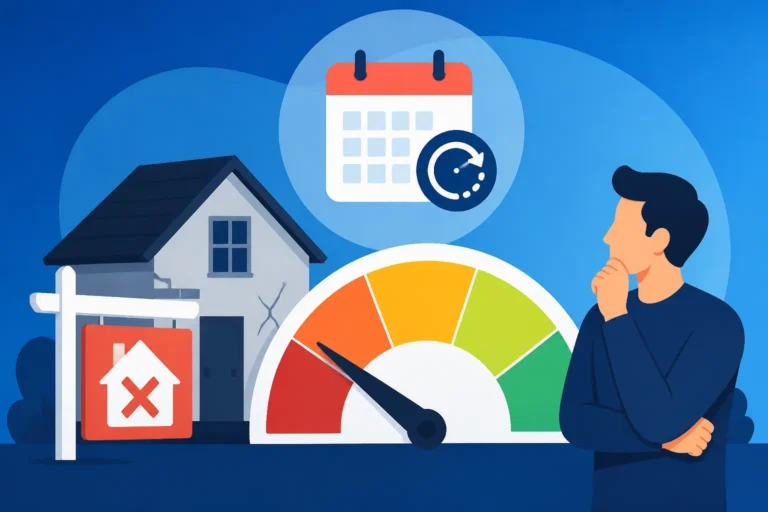
A debt settlement is a serious negative mark, and it sticks around. Generally, a settled account remains on your credit report for up to seven years from the date the original account first went into default, not from the date of settlement. This means even after you've paid off the settled amount, that negative information continues to impact your creditworthiness for years. During this time, you'll likely find it much harder to get approved for new credit, and if you are, the interest rates will be significantly higher.
For example, if you settled a credit card account that went into default in January 2020, that settlement would typically remain on your report until January 2027. This lengthy presence means your FICO Score or VantageScore will be depressed for a considerable period. Don't be surprised if your score drops by well over 100 points, potentially pushing you into the "poor" or "fair" credit ranges. This makes rebuilding not just about adding positive accounts, but also about demonstrating consistent, impeccable financial behavior to gradually offset the weight of that past settlement.
The Essential First Steps After Settlement
Once the settlement is done, it's time to shift your focus from dealing with the debt itself to strategically laying the groundwork for a stronger financial future. This isn't just about getting new credit; it's about making smart, foundational moves.
Reviewing Your Credit Reports
Your very first action should be to pull copies of your credit reports from all three major bureaus: Equifax, Experian, and TransUnion. You can do this for free once a year through AnnualCreditReport.com. It’s absolutely critical to examine each report carefully. Why all three? Because they might not be identical! One bureau might have slightly different information or report things with different dates than another.
What are you looking for? You want to ensure the settled account is accurately reported. For instance, if you settled an old Bank of America card, make sure it shows the correct settlement date and the agreed-upon status. Look for any inaccuracies, like a debt still being reported as active and owing the full amount, or incorrect dates that might keep it on your report longer than it should be. If you find errors, you'll want to address them promptly. Learning how to dispute credit report errors (step-by-step) is a vital skill here, as even small inaccuracies can prolong your credit recovery journey.
Establishing a Solid Financial Foundation
Before you even think about applying for new credit products, you need to get your personal finances in order. This means going back to basics: budgeting and saving. Create a realistic budget that tracks every dollar coming in and going out. Identify areas where you can cut back to free up cash. The goal here is to build a financial safety net and ensure you have enough money to comfortably cover your living expenses and any new credit payments you take on.
A critical part of this foundation is building an emergency fund. Aim for at least three to six months of living expenses saved in an easily accessible account. This fund acts as a buffer, preventing you from falling back into debt if an unexpected expense arises, like a car repair or a medical bill. If you've just settled debt, the last thing you want is to incur new debt due to a lack of savings. This disciplined approach to managing your money will not only protect you but also prepare you for responsible credit usage down the road.
Securing a Small, Manageable Loan or Card
With your reports checked and your budget in place, it’s time to cautiously start adding positive information to your credit profile. Since a traditional unsecured credit card might be difficult to obtain immediately after debt settlement, you'll need to look at options specifically designed for rebuilding credit. Two excellent starting points are secured credit cards and credit builder loans. A secured credit card requires a cash deposit, which typically becomes your credit limit. This deposit minimizes risk for the lender, making it easier to get approved.
Credit builder loans are another fantastic tool. These loans work a bit differently: you make payments into a savings account, and once the loan term is up, you get access to the money. The key is that your on-time payments are reported to the credit bureaus, showing positive payment history. Companies like Credit Strong offer these kinds of loans, specifically designed to help individuals build or rebuild their credit without needing a large upfront sum or excellent credit to qualify. Understanding how credit builder loans work can reveal a simple, structured way to get those positive marks on your report.
Strategies for Actively Rebuilding Your Credit
Now that your foundation is solid, let's dive into the specific tools and strategies you can use to proactively build up your credit score. Remember, consistency and responsible usage are your best friends here.
Secured Credit Cards: A Relaunch Pad
Secured credit cards are often the first step many people take when rebuilding credit, and for good reason. They are specifically designed for individuals with poor or limited credit history. Here’s how they generally work: you provide a security deposit to the card issuer, typically ranging from $200 to $2,500. This deposit then becomes your credit limit. So, if you deposit $300, you have a $300 credit limit. Because your own money secures the card, the risk to the lender is minimal, making approval much more likely even with a debt settlement on your record.
The key to using a secured card effectively for rebuilding credit after debt settlement is responsible usage. Make small, regular purchases that you would have made anyway, like groceries or gas, and then pay the full balance on time, every single month. Don't carry a balance. Aim to keep your credit utilization very low, ideally below 10% of your credit limit. For example, on a $300 secured card, try not to charge more than $30-50 in a month. This demonstrates to the credit bureaus that you can manage credit responsibly. Over time, usually 6-12 months, your card issuer might offer to graduate you to an unsecured card and return your deposit. Many successful rebuilders highlight that secured credit cards are how they build credit. Look for options like the Discover it Secured Card or the Capital One Platinum Secured Card, which are known for potentially graduating users to unsecured versions.
Credit Builder Loans: Structured Savings for Your Score
Credit builder loans are a fantastic, often overlooked, tool for credit rebuilding. Unlike traditional loans where you get the money upfront and then pay it back, with a credit builder loan, the money is placed into a locked savings account or Certificate of Deposit (CD). You then make monthly payments, just like you would for any other loan. What's crucial is that these payments are reported to the three major credit bureaus. Once you've made all your payments, you receive the money that was held in the savings account, minus any fees or interest.
This structured approach is incredibly effective because it forces savings while simultaneously creating a positive payment history. It's a double win! Companies like Credit Strong are excellent examples of providers offering credit builder loans. They report your payment activity to all three credit bureaus, which is exactly what you need to show a consistent pattern of on-time payments. This adds a positive tradeline to your credit report, offsetting some of the negative impact of the past debt settlement. Many people find these loans easier to manage than credit cards initially, as there’s no temptation to overspend.
Becoming an Authorized User
Another strategy to consider, especially if you have a trusted family member or partner with excellent credit, is to become an authorized user on one of their credit card accounts. When you're added as an authorized user, that account's history, including its low utilization and long payment history, can appear on your credit report. This can provide an immediate boost to your credit score, as you're essentially "piggybacking" on their good credit habits.
However, there are important caveats. First, the primary cardholder must have excellent credit habits – always paying on time and keeping utilization low. If they make late payments or max out the card, it will negatively impact your score too. Second, while it can help your scores, lenders may view authorized user accounts differently than primary accounts, especially when considering major loans like mortgages. It's a helpful boost, but it shouldn't be your only strategy for rebuilding. Nevertheless, for many, understanding does being an authorized user build credit is a quick way to see some positive movement.
Alternative Data Reporting
Beyond traditional credit products, there are newer services that can help add positive information to your credit report using "alternative data" – things like rent payments and utility bills. Services like Experian Boost allow you to connect your bank account and identify qualifying on-time utility and telecom payments, potentially adding them to your Experian credit report. Similarly, some third-party services specialize in reporting your rent payments to the credit bureaus.
While the impact of these services can vary and usually only affects specific credit scores (like your Experian score with Experian Boost), they can provide an additional layer of positive payment history, particularly for those with thin credit files or recent negative marks. They help diversify the types of payment history shown on your report, demonstrating your reliability in areas beyond traditional credit. This can be a smart move to supplement your other credit-building efforts and ensure you are taking advantage of every opportunity to boost your score. If you're wondering, can paying rent build credit?, the answer is increasingly yes, through these types of services.
Developing Credit Best Practices for Long-Term Success
Rebuilding credit isn't a one-time fix; it's about adopting sustainable habits that will serve you for years to come. These best practices are the pillars of a strong credit score.
Consistent On-Time Payments
This is, without a doubt, the single most critical factor in your credit score, accounting for a massive 35% of your FICO Score. After a debt settlement, demonstrating a perfect payment history is paramount. Every single payment, on every single account – whether it's a secured credit card, a credit builder loan, or even your existing utility bills if they are reported – needs to be made on time, every time. A single late payment can set your rebuilding efforts back significantly, reminding lenders of past financial difficulties.
To ensure you never miss a payment, consider setting up automatic payments for at least the minimum amount due on all your accounts. You can also set calendar reminders a few days before due dates. If you’re using a secured card or credit builder loan, make a habit of checking your account weekly to ensure you know your balance and due date. This diligent approach is how you effectively reverse the negative impact of a debt settlement and prove to creditors that you are now a reliable borrower.
Managing Credit Utilization
Your credit utilization ratio, or the amount of credit you're using compared to your total available credit, makes up about 30% of your credit score. To maximize your score, you want to keep this ratio as low as possible. The general rule of thumb is to keep your overall utilization below 30% across all your credit cards, but ideally, you should aim for under 10% for the best scores. This applies to individual cards as well; try to keep each card's balance well under its limit.
Let's say you have a secured credit card with a $500 limit. If you charge $200 on it, your utilization is 40%, which is too high. If you charge $40, your utilization is 8%, which is excellent. Even if you plan to pay off your balance in full each month, try to pay it down before your statement closing date if possible. This way, the lower balance is what gets reported to the credit bureaus. Understanding credit utilization: the complete guide will provide even more insights into how this factor can make or break your credit score, especially during a rebuilding phase.
The Importance of Credit Mix and Age
As you continue to build positive credit, you'll eventually want to diversify your credit mix. Your credit mix, which looks at the different types of credit accounts you have (revolving credit like credit cards, and installment loans like auto loans or personal loans), accounts for about 10% of your FICO Score. While you shouldn't open accounts just for the sake of it, having a healthy mix over time can be beneficial. For instance, after successfully managing a secured card and a credit builder loan, you might eventually qualify for a small personal loan or an auto loan, further diversifying your report.
Another factor, the length of your credit history, contributes about 15% to your score. The longer your accounts have been open and in good standing, the better. This is why you shouldn't close your oldest credit accounts, even if they're paid off. As you rebuild, your goal is to open new accounts and keep them open, making timely payments to continually extend your average age of accounts and build a robust, lengthy history. To truly grasp the intricate details of how credit scores work: the complete guide can offer a deeper dive into these factors and more.
What to Expect and How to Monitor Progress
Rebuilding credit after a debt settlement is a journey, not a sprint. It requires patience, persistence, and regular monitoring. Knowing what to expect can help manage your frustrations and keep you motivated.
The Timeline for Rebuilding
One of the most common questions is, "How long does it take to rebuild credit after debt settlement?" The honest answer is that it varies, but it's important to be realistic. The debt settlement itself will typically remain on your credit report for up to seven years from the original delinquency date. This means that even with perfect behavior, the negative entry will still be visible to lenders for that period. However, this doesn't mean your score will stay low for seven years.
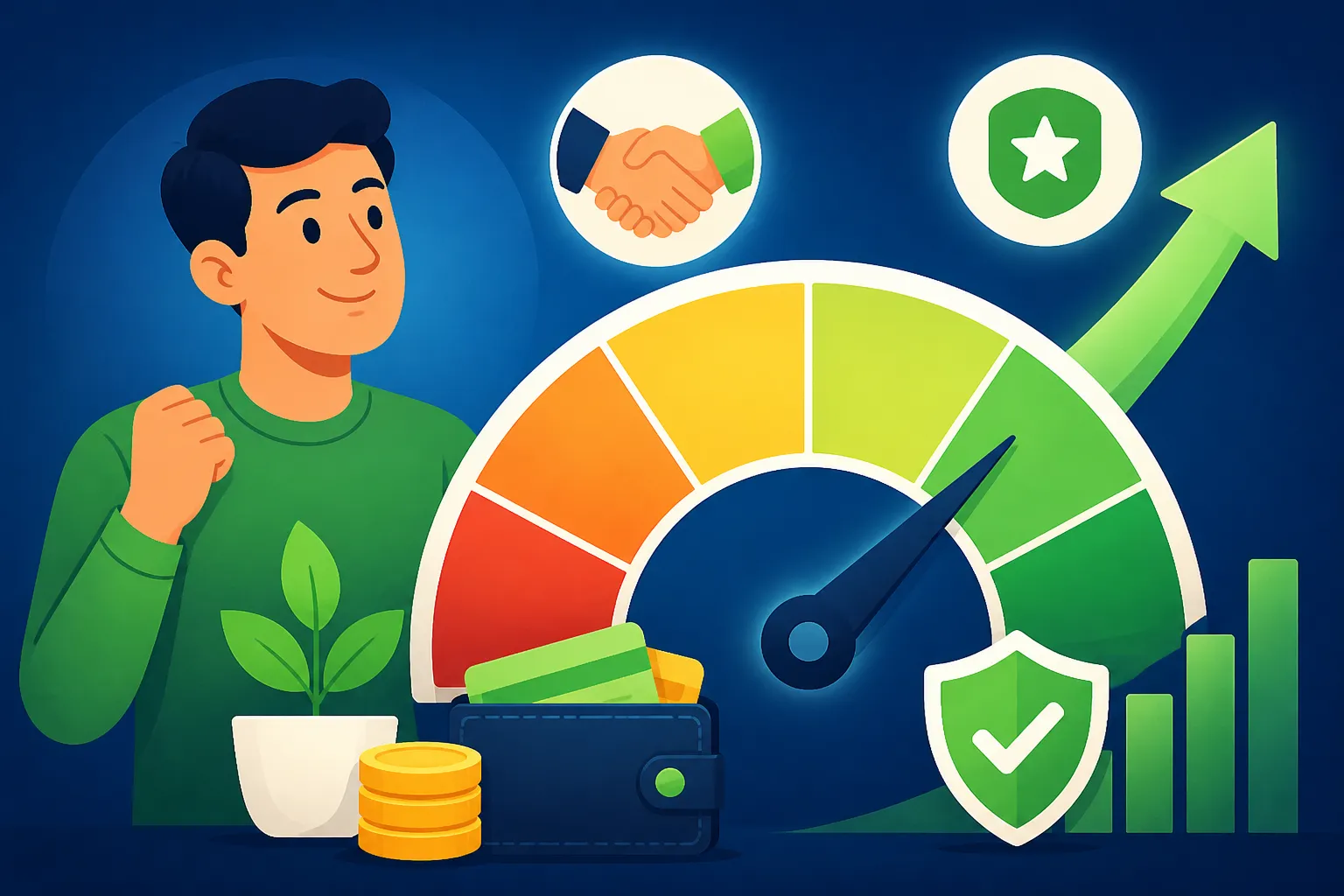
With consistent positive actions – on-time payments, low credit utilization, and a mix of new, well-managed accounts – you can start to see significant improvements in your credit score within 12 to 24 months. The positive information you're adding will gradually dilute the impact of the negative settlement. Each month of on-time payments, especially on your secured card or Credit Strong credit builder loan, adds more weight to your positive history. While the debt settlement won't disappear quickly, its overall impact lessens as more recent, positive information accumulates. For a broader perspective, consider checking out how long does credit repair take? to understand general timelines for various negative items.
Regular Credit Monitoring
You wouldn't drive a car without a dashboard, and you shouldn't rebuild your credit without regularly checking your credit reports and scores. Consistent credit monitoring is essential for several reasons. First, it allows you to track your progress and see the tangible results of your efforts. Watching your score gradually climb can be incredibly motivating. Second, it helps you spot any new errors or potential signs of identity theft immediately, which is crucial for protecting your newly improved credit profile.
You can get your full credit reports for free once every 12 months from each of the three major credit bureaus via AnnualCreditReport.com. In addition, many credit card companies and financial institutions, like Chase and Capital One, offer free credit scores (often VantageScore) and credit monitoring services to their customers. Using these tools to check your score monthly and your full reports annually ensures you stay on top of your credit health. This proactive approach will empower you to manage your credit effectively and respond quickly to any issues. To ensure you're always informed, make it a habit to check how to get your free credit report and utilize these resources.
Tools for Rebuilding Credit After Debt Settlement
To help you visualize some of the key tools we've discussed, here's a quick comparison of their features and how they can benefit your credit rebuilding journey.
| Feature / Tool | Secured Credit Card | Credit Builder Loan | Authorized User | Alternative Data Reporting (e.g., Rent, Utilities) |
|---|---|---|---|---|
| Primary Benefit | Establishes revolving credit history, improves utilization | Creates installment loan history, promotes savings | Immediate credit score boost (piggybacking) | Adds positive payment history from non-credit sources |
| Credit Type | Revolving | Installment | Revolving (on primary user's account) | Varies (usually non-traditional installment) |
| Requires Deposit | Yes (security deposit) | Yes (loan funds held) | No | No |
| Reports to Bureaus | Yes (all 3, usually) | Yes (all 3, usually) | Yes (all 3, usually) | Varies (e.g., Experian Boost for Experian only) |
| Risk Involved | Low (secured by deposit), high if not paid on time | Low (forced savings), high if not paid on time | High (dependent on primary user's habits) | Low |
| Typical Cost | Annual fee, interest if balance carried | Loan interest, administrative fees (like Credit Strong) | None (if primary user doesn't charge you) | Monthly subscription fees for some services |
| Time to Impact | 3-6 months (with consistent use) | 6-12 months (over loan term) | Immediate (once reported) | Varies (once reported) |
Disclaimer
The information provided in this guide is for general informational purposes only and does not constitute financial, legal, or credit advice. Credit situations are unique, and individual results may vary. Always consult with a qualified financial advisor or credit counselor for advice tailored to your specific circumstances.