How to Freeze Your Credit in Wisconsin
It’s a truly unsettling feeling, isn't it? That knot in your stomach when you hear about another massive data breach or receive an alert about suspicious activity. In today’s digital age, the threat of identity theft feels more real and immediate than ever, and knowing that someone could potentially open new accounts in your name is terrifying. For residents of Wisconsin, just like anywhere else, protecting your financial identity is paramount. This guide is here to help you navigate the process of freezing your credit in Wisconsin, offering a clear, step-by-step approach to securing your sensitive financial information with each of the major credit bureaus.
Understanding a Credit Freeze and Why You Need One
Many people wonder what a credit freeze actually entails, and honestly, the terms out there can be a bit confusing. You hear about credit freezes, credit locks, and fraud alerts, and it’s easy to feel overwhelmed by the different options. Let’s break down what a credit freeze is and why it's such a powerful tool in your financial protection arsenal.
What Exactly is a Credit Freeze?
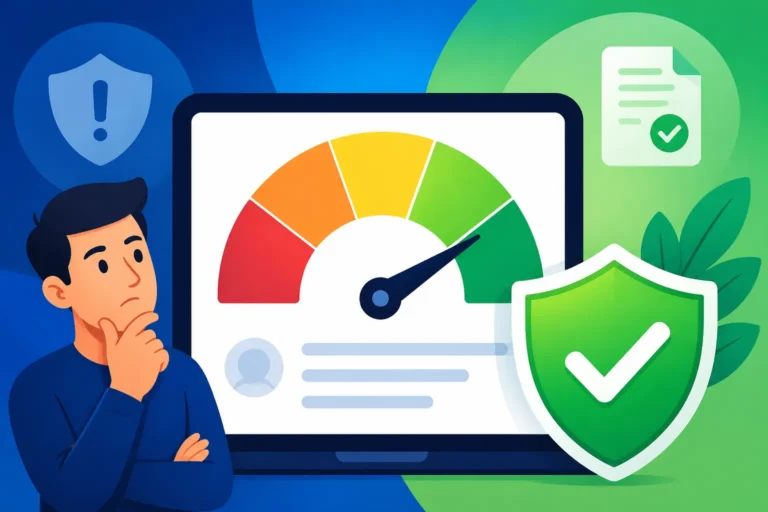
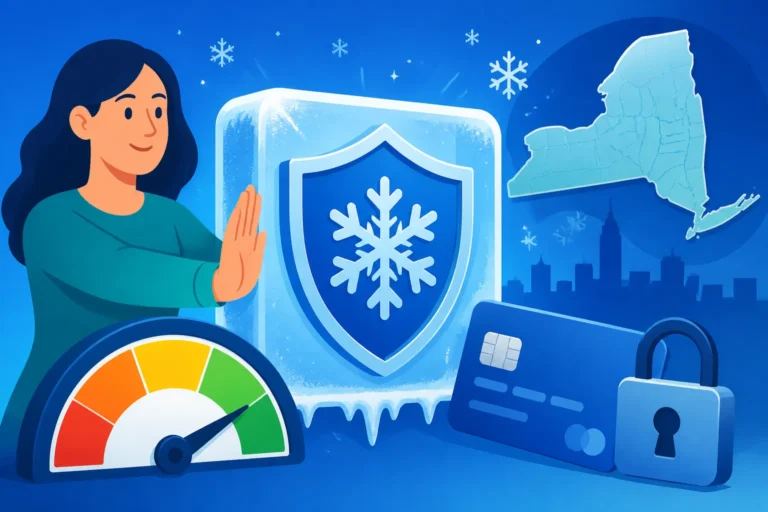
Think of a credit freeze as putting a giant, impenetrable shield around your credit report. When your credit is frozen, it restricts access to your credit report, meaning no one—not even you, typically—can open new lines of credit in your name until you temporarily lift or "thaw" the freeze. This is a critical distinction from a credit lock or a fraud alert. A credit lock might be easier to turn on and off, often through an app, but it might not offer the same legal protections as a freeze and can sometimes come with a monthly fee. A fraud alert, on the other hand, simply flags your report, prompting lenders to take extra steps to verify your identity before extending credit. While helpful, a fraud alert doesn't stop unauthorized accounts from being opened in the same way a full credit freeze does.
The beauty of a credit freeze, also known as a security freeze, is its simplicity in protecting against new account fraud. If a scammer gets hold of your personal information – your Social Security number, date of birth, address – and tries to apply for a new credit card, a car loan, or even a mortgage in your name, the lender won't be able to access your credit report. Without that report, the application process grinds to a halt, effectively preventing the fraudulent account from ever being opened. It’s a proactive step that can save you countless hours of stress and financial damage down the road.
Why Freeze Your Credit, Especially in Wisconsin?
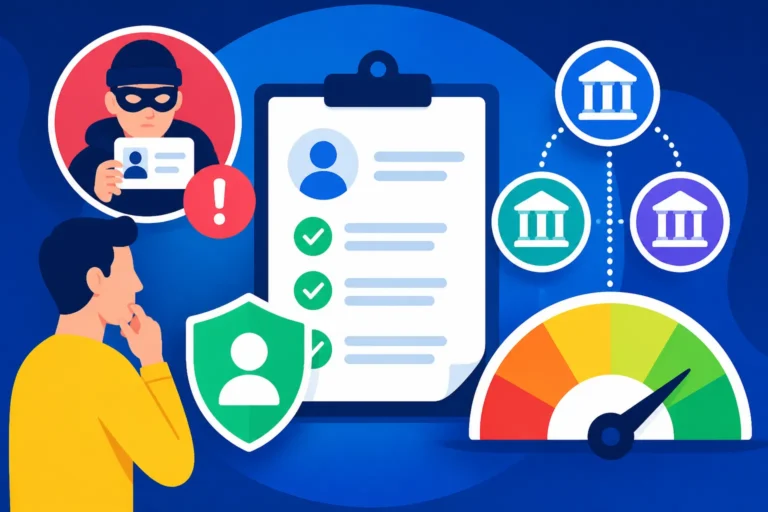
The unfortunate truth is that no one is immune to identity theft. Whether you live in Milwaukee, Madison, Green Bay, or a small town in rural Wisconsin, your personal data is a target. We live in an era where data breaches are practically daily news, affecting everything from major retailers to healthcare providers. When these breaches occur, sensitive information, including names, addresses, Social Security numbers, and dates of birth, can fall into the wrong hands. It's a frustrating reality that despite our best efforts, our information can be compromised through no fault of our own.
Freezing your credit offers a robust layer of protection against this ever-present threat. Imagine the peace of mind knowing that even if a criminal somehow obtains your personal details, they won't be able to use them to wreak havoc on your financial life by opening new credit accounts. This protective measure isn't just for those who have already experienced identity theft; it's a smart precaution for anyone concerned about their financial security. The federal Economic Growth, Regulatory Relief, and Consumer Protection Act of 2018 made credit freezes free for all consumers, making it an accessible and essential tool. You can find out more about the different types of protections by reading about a Credit Freeze vs Credit Lock vs Fraud Alert. Taking this step essentially prevents unauthorized hard inquiries, which are often a precursor to fraudulent accounts. For more insight into what kind of information is on your credit report and thus protected by a freeze, check out What's on Your Credit Report Explained.
The Step-by-Step Process to Freeze Your Credit in Wisconsin
Freezing your credit isn't a "one-and-done" deal with a single entity. Since your credit information is held by three separate major credit bureaus, you need to contact each one individually to place a freeze. This might seem like a bit of a hassle, but it’s a crucial step to ensure comprehensive protection. Thankfully, the process has become much more streamlined over the years, and you can typically do it online, by phone, or through the mail. Regardless of whether you're in Wisconsin or elsewhere, the process with each bureau remains the same.
Freezing Your Credit with Equifax
To freeze your credit with Equifax, you have a few options. The easiest and quickest way for most people is online. You can visit the Equifax website and look for their "security freeze" section. You'll likely need to create a myEquifax account if you don't already have one. During the process, they will ask you to verify your identity by providing personal information like your full name, current and past addresses, Social Security number, and date of birth. Once confirmed, your freeze will typically take effect immediately.
If you prefer to speak to someone or don't have reliable internet access, you can call their dedicated security freeze line. The customer service representative will guide you through the necessary steps and information they need. Be prepared to answer security questions to verify your identity. Lastly, you can also place a freeze by mail. This involves sending a written request along with copies of identification documents, such as a driver's license and a utility bill, to prove your address. While mail is an option, it is generally the slowest method, so if you're looking for quick protection, online or phone is usually best. The good news is that placing a freeze with Equifax is completely free.
Freezing Your Credit with Experian
Next up is Experian. Similar to Equifax, Experian offers online, phone, and mail options for placing a security freeze. Visiting Experian's website and navigating to their security freeze section is often the most straightforward path. You'll either log into an existing Experian account or be prompted to create one. The online portal will then guide you through verifying your identity and initiating the freeze. They'll ask for similar identifying information as Equifax to ensure it's truly you making the request.
For those who prefer a more direct conversation, calling Experian's customer service number for security freezes is another viable option. Make sure you have all your personal details handy to expedite the verification process. Should you choose the mail-in option, you'll need to send a written request and copies of identification documents. Remember, the goal is to make it as difficult as possible for fraudsters, and placing the freeze with all three bureaus covers all your bases. Knowing The 3 Credit Bureaus Equifax, Experian & TransUnion and how each operates is a great foundation for managing your credit security. Again, placing a freeze with Experian is free of charge.
Freezing Your Credit with TransUnion
Finally, we have TransUnion. The process here mirrors that of the other two bureaus. The most efficient way to place a freeze with TransUnion is through their online portal. Head to the TransUnion website, locate the security freeze section, and follow the prompts to either log in or create an account. You'll enter your personal information to confirm your identity, and the freeze will be applied once verification is complete.
If you'd rather use the phone, TransUnion also provides a specific phone number for security freeze requests. Be ready to answer questions about your financial history and personal details to ensure they are speaking with the legitimate consumer. As with the others, you can also send a request via mail, including copies of your identification. This method, while slower, is there for those who prefer it. Regardless of the method you choose, initiating a freeze with TransUnion is free. It’s important to acknowledge that each bureau operates independently, which is why individual contact is required. Once you've completed this for all three, you'll have a comprehensive credit freeze in place. For a broader overview of this crucial protection, you can explore guides like How to Freeze Your Credit All 3 Bureaus.
Essential Information You'll Need
Before you even start contacting the credit bureaus, gather all your essential personal information. Having everything at your fingertips will make the process much smoother and faster. Imagine being halfway through an online form or a phone call and having to scramble for a document – it adds unnecessary stress.
Here’s a quick checklist of what you'll typically need to provide:
| Information Type | Details |
|---|---|
| Full Legal Name | First, middle, and last name as it appears on your official documents. |
| Date of Birth | MM/DD/YYYY format. |
| Social Security Number | Your full 9-digit SSN. |
| Current Address | Street address, city, state (Wisconsin), and ZIP code. |
| Previous Addresses | Any addresses where you've lived in the last 2-5 years. |
| Email Address | For online applications and communication. |
| Phone Number | A contact number for verification. |
Having this information readily available will ensure a seamless experience as you navigate each bureau's system. Each bureau also typically provides you with a Personal Identification Number (PIN) or a password once your freeze is active. It's incredibly important to keep these PINs safe and accessible, as you'll need them if you ever decide to lift or "thaw" your credit freeze.
Managing Your Credit Freeze and What Happens Next
Placing a credit freeze is a fantastic first step, but it’s not a set-it-and-forget-it kind of deal forever. There will be times when you actually need your credit report to be accessible, and understanding how to manage your freeze is just as important as knowing how to put it in place. Plus, it’s natural to wonder if this protective measure will impact your daily financial life. Let's talk about what happens after your credit is frozen and how to handle future financial needs.
How to Temporarily or Permanently Unfreeze Your Credit
So, you've frozen your credit, congratulations! But now, life happens. Maybe you're looking to buy a new car, apply for a mortgage, or even just sign up for a new utility service. All of these typically require a lender or service provider to pull your credit report, which means you’ll need to temporarily lift your freeze. This process is often referred to as "thawing" your credit.
To do this, you'll need to contact each credit bureau individually again, just like you did to place the freeze. You’ll use the PIN or password they provided you when you initially set up the freeze. When you request a thaw, you usually have two main options:
- Temporary Thaw: You can specify a date range during which your credit report will be accessible. For example, if you're applying for a loan, you might choose to unfreeze your credit for 7-14 days. This is generally the recommended approach, as it allows your report to be accessed only when necessary and then automatically refreezes when the period ends.
- Permanent Thaw: You also have the option to permanently remove the freeze. This might be suitable if you're no longer concerned about identity theft, but generally, maintaining a freeze and only thawing it temporarily offers the best ongoing protection.
The good news is that lifting a freeze is usually quick, especially if you do it online. It can often take effect within minutes or a few hours. Just be sure to communicate with your lender or the entity requiring the credit check to find out which credit bureau they use, so you only unfreeze the necessary reports, although many people opt to unfreeze all three to be safe. Keeping track of your PINs is absolutely vital for this step! If you lose them, you'll have to go through a more involved identity verification process, which can be time-consuming. You can learn more about this specific process with resources like How to Unfreeze Your Credit Temporarily.
Does a Credit Freeze Affect Your Existing Credit?
This is a really common and valid concern. People worry that freezing their credit might somehow mess up their existing credit cards, loans, or even lower their credit score. Let me put your mind at ease: a credit freeze does not impact your existing credit accounts or your credit score. You can continue to use your credit cards, make payments on your loans, and your score will continue to fluctuate based on your payment history and credit utilization, just as it always has.
The freeze solely prevents new credit accounts from being opened in your name. It doesn't interfere with your current relationships with creditors. You can still check your own credit score and access your own credit reports (through services like AnnualCreditReport.com) without lifting the freeze, as these are considered "soft inquiries" and don't require external access. So, you don't have to worry about your ability to manage your current finances or check your progress. If you're ever curious if placing a freeze could somehow ding your score, know that Does Freezing Your Credit Hurt Your Score? is a common question, and the answer is a reassuring no.
Monitoring Your Credit While Frozen
Even with a robust credit freeze in place, vigilance is still key. While a freeze is excellent at preventing new accounts from being opened, it doesn't protect against all forms of identity theft. For example, a scammer might try to file a fraudulent tax return in your name, or use your information for medical identity theft. These types of fraud don't necessarily involve opening new lines of credit and therefore wouldn't be stopped by a credit freeze alone.
That's why ongoing credit monitoring and regular review of your financial statements are still incredibly important. Many services offer credit monitoring that can alert you to suspicious activity, even if a freeze is active. Even without a paid service, you're entitled to a free copy of your credit report from each of the three major bureaus once every 12 months. Regularly pulling your reports from sites like AnnualCreditReport.com allows you to inspect them for any unfamiliar accounts, addresses, or inquiries. You can get yours by understanding How to Get Your Free Credit Report.
It's also a good practice to review your bank statements and credit card statements thoroughly each month, looking for any transactions you don't recognize. If you do spot something amiss, even with a freeze, you'll want to know How to Dispute Errors on Your Credit Report promptly. The combination of a credit freeze and consistent personal monitoring provides the strongest defense against the various threats of identity theft. Ultimately, being proactive and informed is your best defense against financial fraud.
Disclaimer
This article is for general informational purposes only and does not constitute professional advice. Laws, prices and regulations vary by location and change over time. Consult a qualified professional for guidance on your specific situation.