Can You Freeze Just One Bureau?
It’s a truly unsettling feeling when you realize your personal information might be vulnerable, or worse, already compromised. The fear of someone opening new credit accounts in your name can keep you up at night, and naturally, you start looking for ways to protect yourself. One common solution that comes to mind is freezing your credit, but a question often pops up: can you freeze just one credit bureau? This guide will dive deep into that very question, explaining how credit freezes work, why freezing all three major bureaus is crucial, and exactly how to go about it.
Understanding What a Credit Freeze Is
When we talk about a credit freeze, also known as a security freeze, we're talking about putting a digital lock on your credit report. This lock prevents lenders, credit card companies, and other businesses from accessing your credit file when they're making decisions about opening new accounts or extending credit. If they can't see your credit history, they can't approve new credit in your name, effectively stopping identity thieves in their tracks. It's a powerful tool, but like any security measure, understanding its full scope is key.
How a Credit Freeze Protects You
Imagine your credit report as a vault containing all your financial secrets – your payment history, how much debt you have, how long you've had credit, and more. When you apply for new credit, a lender requests to peek inside that vault. A credit freeze is like slamming the vault door shut and throwing away the key (temporarily, of course!).
This protection is incredibly important because identity theft often begins with someone trying to open new lines of credit – credit cards, car loans, mortgages – using your stolen Social Security number and other personal details. If your credit report is frozen, any legitimate or fraudulent attempt to open new credit that requires a credit check will be denied because the lender can't access your file. This means even if a thief has your information, they can't use it to create new debt in your name. It doesn't affect your existing accounts or your credit score; it simply prevents new ones from being opened. You can continue to use your current credit cards and loans without issue.
When a Credit Freeze Makes Sense
There are several scenarios where placing a credit freeze is a really smart move, even if it feels like a bit of a hassle. The most obvious time is after you’ve been a victim of identity theft or a data breach. If your data was exposed in a breach, like the infamous Equifax breach that affected millions, or if your wallet was stolen, immediately freezing your credit is one of the best proactive steps you can take. It’s also a good idea if you simply want to minimize your risk, even without a specific threat. For instance, if you're not planning to apply for any new credit (a new credit card, a car loan, or a mortgage) in the near future, keeping your credit frozen can provide peace of mind.
Even if you're working on improving your credit, say with a secured card or a credit builder loan, freezing your credit reports won't hinder your progress on existing accounts. It just means you'd need to thaw it if you wanted to apply for a new product, like another credit builder loan from providers like Credit Strong, or an unsecured credit card down the line. It's truly a "set it and forget it" layer of protection until you actively need to apply for credit again. You can learn more about What Is a Good Credit Score? (2026 Ranges Explained) and how different factors play into it.
The Reality of Freezing Just One Bureau
The short answer to "Can you freeze just one bureau?" is technically yes, you can. Each of the three major credit bureaus – Equifax, Experian, and TransUnion – operates independently. You can contact one and request a freeze, and they will process it for their specific report. However, doing so offers a false sense of security and is generally not recommended if your goal is comprehensive protection against identity theft.
Why You Can and Should Freeze All Three Bureaus
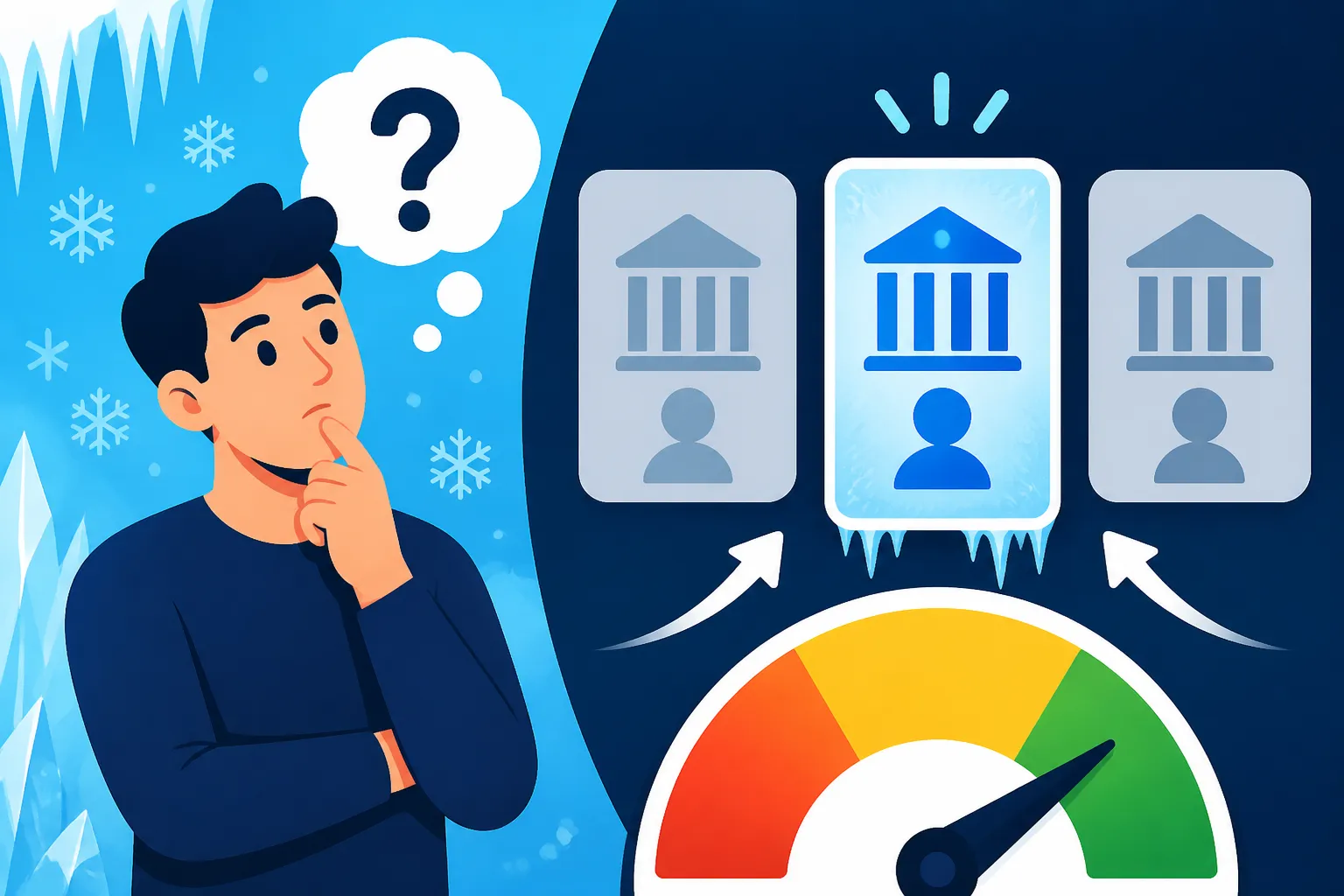
While you have the option to freeze with just one bureau, it's akin to locking only one door in a house with three entry points. An identity thief, upon being denied by a frozen bureau, will simply move on to the next. Lenders often pull credit reports from just one of the three major bureaus, not necessarily all three. If a potential lender checks, say, Experian, and that’s the only bureau you’ve frozen, the thief's application will be denied. Great, right? But what if the next lender they try pulls from TransUnion or Equifax, and those reports are unfrozen? Suddenly, the thief has a clear path to open credit in your name.
To truly protect yourself, you must freeze your credit with all three major credit reporting agencies: Equifax, Experian, and TransUnion. This creates a complete wall around your credit file, making it nearly impossible for new fraudulent accounts to be opened. Think of it as triple-locking your financial doors. It's a small extra step that provides monumental security. You'll want to understand The 3 Credit Bureaus: Equifax, Experian & TransUnion to get a full picture of how they operate.
The Dangers of Only Freezing One
The primary danger of freezing only one or two bureaus is the false sense of security it provides. You might think you're protected, but you're actually leaving gaping holes in your defense. Identity thieves are persistent and will often try multiple lenders and multiple credit bureaus until they find an open door.
Consider this scenario: Sarah's data was exposed in a breach, so she diligently froze her credit with Experian. A few weeks later, an identity thief gets hold of her information and tries to open a new credit card with a lender who happens to pull credit reports from TransUnion. Since Sarah's TransUnion file is unfrozen, the thief's application goes through, and Sarah is left dealing with fraudulent debt. If she had also taken the time to How to Freeze Your Credit (All 3 Bureaus), this wouldn't have happened. The minimal effort saved by freezing only one bureau simply isn't worth the potentially massive headache and financial fallout of identity theft. Don't fall into the trap of partial protection.
Step-by-Step: Freezing Your Credit with Each Bureau
Freezing your credit is a free service, thanks to federal law. You'll need to contact each bureau individually, but the process is straightforward. While you can do it online, many people feel more secure by calling or mailing a request.
Freezing Your Credit with Equifax
To freeze your credit report with Equifax, you have a few options:
- Online: Visit the Equifax website. Look for "Credit Freeze" or "Security Freeze" in the consumer section. You'll need to create an account or log in if you already have one. Follow the prompts to initiate the freeze. They will provide you with a PIN that you’ll need to save in a secure place for when you want to thaw or lift the freeze later.
- By Phone: Call Equifax's dedicated credit freeze line. A representative will guide you through the process and help you set up the freeze. Make sure to write down your PIN.
- By Mail: You can also send a written request via certified mail. Include your full legal name, current and previous addresses, date of birth, and Social Security number. You might also need to include copies of documents like a driver's license and a utility bill for proof of address. Send it to the appropriate Equifax address for security freeze requests.
The freeze should take effect quickly, often within minutes if done online or by phone. If you mail it, allow a few business days for processing after they receive it.
Freezing Your Credit with Experian
Experian also offers multiple ways to freeze your report:
- Online: Head to the Experian website and navigate to their "Security Freeze" section. Similar to Equifax, you'll likely need to create or log into an account. The online portal will walk you through the steps to place the freeze. They will provide a PIN or access code; keep this safe.
- By Phone: Experian has a customer service line specifically for credit freezes. You can call them, and they will assist you with setting up the freeze. Again, don't forget to note down your PIN.
- By Mail: If you prefer mail, send a letter including your personal identifying information (name, address, DOB, SSN) and copies of identity verification documents. Mail it to the Experian Security Freeze department.
Experian typically implements freezes immediately when done online or by phone. Mailed requests take a bit longer. Don't forget that once frozen, you might need to temporarily unfreeze it if you're trying to get approved for something like a new credit builder loan or even applying to be an Authorized User Benefits and Risks.
Freezing Your Credit with TransUnion
For TransUnion, the process mirrors the other two bureaus:
- Online: Visit the TransUnion website and look for the "Credit Freeze" or "Security Freeze" option. You'll follow the online prompts, which will typically involve verifying your identity and then confirming the freeze. Like the others, you'll receive a confirmation and a PIN.
- By Phone: Call TransUnion's dedicated phone number for security freezes. Their automated system or a customer service representative can help you place the freeze. Securely record your PIN.
- By Mail: As with Equifax and Experian, you can mail a written request with your personal information and copies of identification documents to TransUnion's security freeze address.
Once you’ve successfully frozen your credit with all three bureaus, you've established a strong defense against new account identity theft. This is a critical step in protecting your financial future. Remember, tools like Credit Strong are great for building or rebuilding credit, but a credit freeze is about protecting the credit you already have or are building.
Managing Your Credit Freeze: Thawing and Lifting
A credit freeze isn't permanent unless you want it to be. You'll need to temporarily "thaw" or permanently "lift" it when you apply for new credit or any service that requires a credit check.
Temporarily Thawing for Specific Applications
Life happens, and sometimes you need new credit. Maybe you're buying a car, applying for a mortgage, or opening a new credit card. When this happens, you don't need to permanently remove your credit freeze. Instead, you can temporarily thaw it.
Each bureau allows you to specify a timeframe (e.g., 7 days) or grant access to a specific creditor. You'll typically use the PIN or account you set up when you placed the freeze.
- Online: Log into your account on Equifax, Experian, and TransUnion's websites. Look for the "Thaw" or "Lift Freeze" option. You’ll enter your PIN (if applicable) and choose the duration or specify the lender.
- By Phone: Call the dedicated freeze lines for each bureau. Be ready with your PIN and the dates you want the freeze lifted or the specific creditor’s name.
It's crucial to know which bureau the potential lender will pull from if you're only thawing one, but as we discussed, it’s safer to thaw all three. If you're unsure, ask the lender! This temporary thaw is usually quick, especially online, taking effect within minutes. Once the specified time passes, or the creditor pulls your report, the freeze automatically reinstates itself. This flexibility means you can have robust protection without inconveniencing yourself long-term. You can get more details on How to Unfreeze Your Credit Temporarily.
Permanently Lifting Your Credit Freeze
There might come a time when you decide you no longer need the credit freeze. Perhaps your personal situation has changed, or you feel the risk of identity theft has significantly diminished. Whatever the reason, you can permanently lift your credit freeze with each bureau.
The process is similar to thawing, but you'll select the option to permanently remove the freeze.
- Online: Access your account on each bureau's website. Use your PIN or login credentials and select the option to permanently lift the security freeze.
- By Phone: Call the dedicated freeze lines for Equifax, Experian, and TransUnion. Be prepared to verify your identity and confirm that you want to permanently remove the freeze. You'll use your PIN for this.
Once lifted, your credit report will be accessible to anyone making a legitimate credit inquiry, just as it would be if you had never placed a freeze. Keep in mind that permanently lifting it removes that layer of protection, so weigh your options carefully. If you ever feel vulnerable again, you can always reinstate a new freeze.
Here's a quick comparison of the three major credit bureaus for managing credit freezes:
| Feature | Equifax | Experian | TransUnion |
|---|---|---|---|
| Placement Options | Online, Phone, Mail | Online, Phone, Mail | Online, Phone, Mail |
| Cost to Freeze | Free | Free | Free |
| Cost to Thaw/Lift | Free | Free | Free |
| ID Verification | SSN, DOB, Address, PIN | SSN, DOB, Address, PIN | SSN, DOB, Address, PIN |
| PIN/Confirmation | Provided upon freeze, required for management | Provided upon freeze, required for management | Provided upon freeze, required for management |
| Takes Effect | Almost immediately (online/phone) | Almost immediately (online/phone) | Almost immediately (online/phone) |
| Recommended Action | Freeze all three bureaus for full protection | Freeze all three bureaus for full protection | Freeze all three bureaus for full protection |
Other Ways to Protect Your Financial Information
While freezing your credit reports is a cornerstone of identity theft protection, it’s not the only tool in your arsenal. A comprehensive approach involves multiple layers of defense.
Beyond the Freeze: Fraud Alerts and Credit Monitoring
Besides a freeze, two other powerful protections are fraud alerts and credit monitoring. A fraud alert is like a sticky note on your credit report, telling lenders to take extra steps to verify your identity before extending new credit. If you place a fraud alert with one bureau, they are required to notify the other two. There are different types, including an initial 1-year alert and an extended 7-year alert if you've been a victim of identity theft. This is less restrictive than a freeze, as it doesn't block access, but it does add a layer of verification.
Credit monitoring services, on the other hand, actively watch your credit reports and alert you to significant changes, such as new accounts being opened, hard inquiries, or changes in personal information. While Credit Strong is great for building credit, many other services, some free, like Credit Karma or those offered by your bank, can help you keep an eye on your existing accounts. This allows you to quickly detect suspicious activity. Choosing between Credit Freeze vs Credit Lock vs Fraud Alert depends on your specific needs and risk tolerance.
Safeguarding Personal Data in Daily Life
Protecting your credit goes beyond digital defenses; it also involves vigilance in your everyday habits. Be incredibly careful with your Social Security number; don't carry your Social Security card in your wallet. Shred documents containing personal information before throwing them away. Use strong, unique passwords for all your online accounts and enable two-factor authentication whenever possible. Be wary of phishing emails, suspicious texts, or phone calls attempting to solicit personal information – legitimate organizations rarely ask for sensitive details this way.
Regularly check your bank and credit card statements for unauthorized transactions. Many identity theft cases are caught this way first. Also, access your free credit reports from AnnualCreditReport.com at least once a year, or even more often, to review them for any errors or suspicious activity. Finding an old address that's not yours or an account you don't recognize can be an early warning sign. If you spot something, you might need to know How to Dispute Credit Report Errors (Step-by-Step).
What to Do After a Data Breach or Identity Theft
If you find yourself a victim of a data breach or actual identity theft, act swiftly. First, freeze your credit with all three major bureaus immediately. This is your first line of defense against future fraud. Next, file an official identity theft report with the Federal Trade Commission (FTC) at IdentityTheft.gov. This report is a crucial document that can help you when dealing with creditors and credit bureaus.
You should also contact any creditors where fraudulent accounts were opened and report the fraud. Close any accounts that were compromised and change passwords for all online accounts, especially financial ones. Consider placing an extended fraud alert for seven years, which requires creditors to verify your identity before opening new accounts. Recovering from identity theft can be a long process, but taking these immediate steps can significantly minimize the damage. Learning What to Do If You're a Victim of Identity Theft is essential for rapid recovery.
Disclaimer
This article is for general informational purposes only and does not constitute professional advice. Laws, prices and regulations vary by location and change over time. Consult a qualified professional for guidance on your specific situation.