How to Respond to a Data Breach Notification
Getting that email or letter saying your personal information has been compromised in a data breach can send a shiver down your spine. It's a truly unsettling feeling, wondering who has your data and what they might do with it. Many people feel a surge of panic, confusion, and even a sense of helplessness when they receive such a notification. This comprehensive guide is here to walk you through exactly what a data breach notification means for you and, more importantly, the crucial steps you need to take to protect yourself and your financial future.
Understanding the Landscape of a Data Breach
First off, let's peel back the layers and understand what a data breach truly entails. It's not just a fancy tech term; it's a very real threat to your personal and financial security that can have long-lasting repercussions. When a company you trust—perhaps a retailer, a social media platform, or even your healthcare provider—experiences a data breach, it means that unauthorized individuals have gained access to sensitive information stored on their systems.
What Exactly Is a Data Breach?
At its core, a data breach is a security incident where data is accessed without authorization. Think of it like someone breaking into your digital vault and potentially making off with your most valuable possessions. These breaches can happen in many ways: sophisticated cyber-attacks, accidental leaks by employees, or even physical theft of devices containing data. The type of information exposed can vary widely, from relatively minor details like your email address to highly sensitive data such as your Social Security number, credit card details, or medical records.
The severity of a data breach largely depends on the kind of information that was exposed. If it's just your email and a password for a non-critical service, the risk might be lower, though still annoying. However, if your Social Security number, date of birth, or bank account details are compromised, the potential for identity theft and financial fraud skyrockets. That's when you really need to sit up and pay attention, because those pieces of information are the keys to unlocking your entire financial life.
Deciphering the Notification Itself
Receiving a data breach notification can be daunting. Often, these letters or emails are filled with legal jargon and technical terms, making it hard to understand what actually happened and what it means for you. However, reputable companies are legally obligated to inform you about breaches that put your personal information at risk. This notification should clearly state what information was compromised, when the breach occurred, how the company is addressing it, and most importantly, what steps you can take to protect yourself.
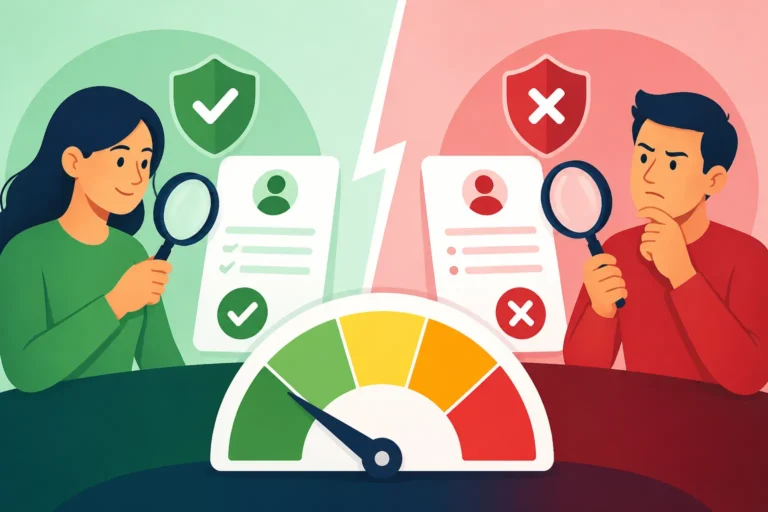
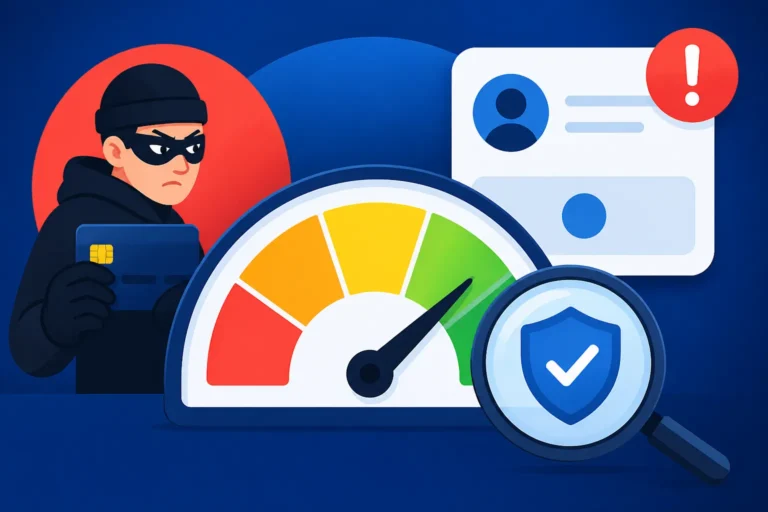
It's absolutely critical to verify the legitimacy of any data breach notification you receive. Scammers are notoriously quick to capitalize on news of a real data breach, sending out fake notifications designed to trick you into revealing more personal information. Always look for official company logos, check the sender's email address for authenticity, and be wary of any links that ask you to log in or provide sensitive details. If in doubt, don't click on any links; instead, go directly to the company's official website or call their customer service number using a contact method you know is legitimate. Never use contact information provided in a suspicious email.
Why You Should Take It Seriously
Ignoring a data breach notification is like leaving your front door unlocked after a burglar has already cased your home. The information stolen can be used for a variety of malicious purposes, and the consequences can be severe. Identity theft is perhaps the most immediate and concerning threat. With your personal details, fraudsters can open new credit accounts in your name, file fraudulent tax returns, apply for loans, or even commit crimes that could end up on your record.
Beyond outright identity theft, you might face unauthorized charges on existing accounts, a sudden drop in your credit score due to new fraudulent debt, or a difficult and lengthy process of trying to clear your name and regain control of your financial identity. The ripple effects can be long-lasting, impacting your ability to secure loans, rent an apartment, or even get certain jobs in the future. That's why taking prompt and decisive action is not just recommended, it's essential.
Immediate Steps to Take After a Breach
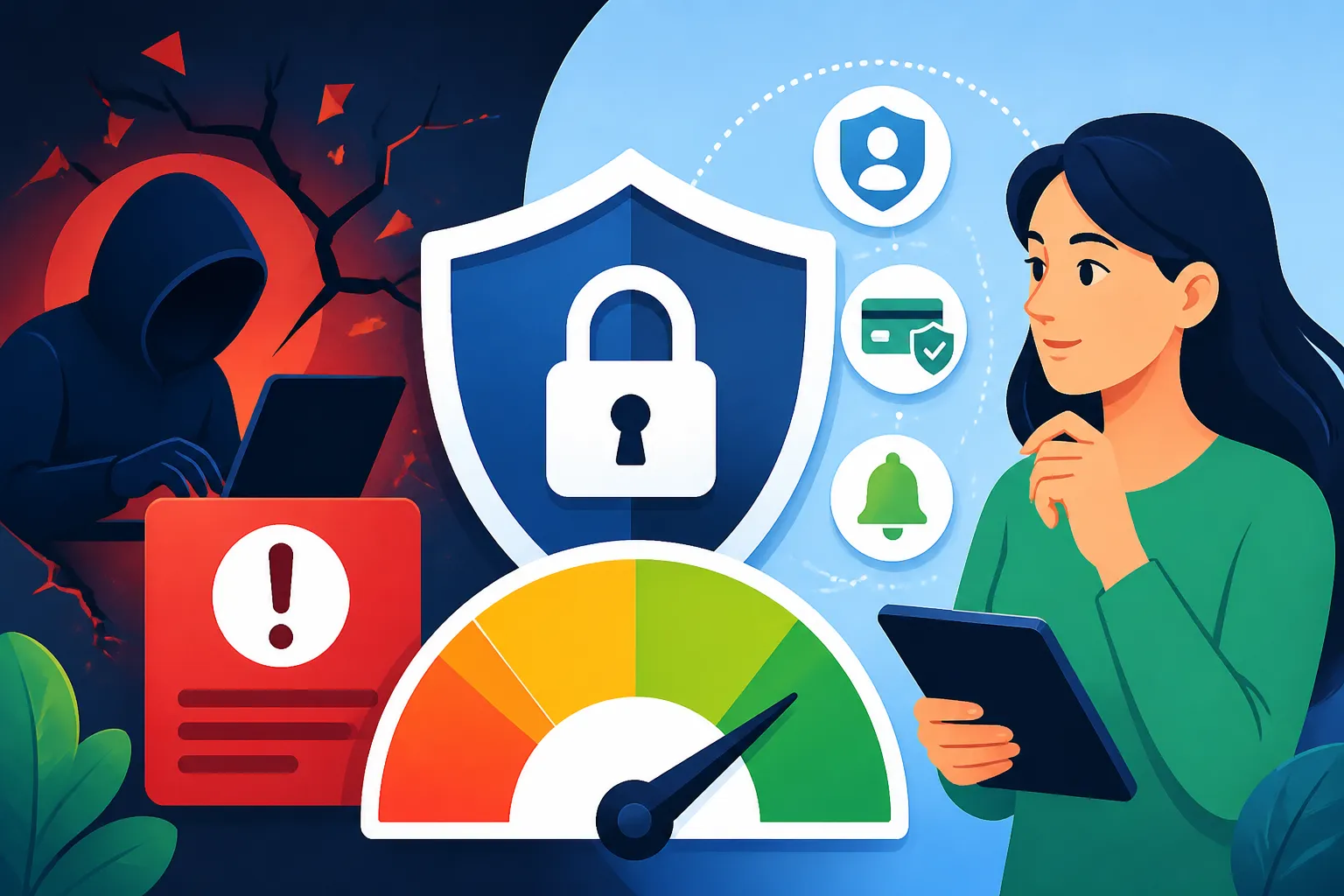
Once you've confirmed that the data breach notification is legitimate, it's time to spring into action. The faster you respond, the better your chances of mitigating potential damage. Think of these steps as putting up immediate fortifications around your personal and financial fortresses.
Reviewing the Breach Details
The very first thing you need to do is carefully read the breach notification. It will usually specify exactly what type of personal information was exposed. Was it your Social Security number? Your date of birth? Your credit card numbers? Your medical history? Knowing this helps you understand the specific risks you face and prioritize your protective measures. For instance, if credit card numbers were exposed, you'll want to focus on contacting your bank. If your Social Security number was leaked, a credit freeze becomes paramount.
Pay close attention to any offers for free credit monitoring or identity theft protection that the compromised company might provide. Many companies, especially after a significant breach, will offer these services for a year or more as a gesture of goodwill and a way to help you recover. While these services don't prevent identity theft, they can alert you quickly if new fraudulent activity appears on your credit report. They might offer tools similar to what services like Credit Strong provide, which can give you a better overview of your financial accounts and credit health.
Changing Passwords and Security Questions
This is probably the easiest and most universally applicable step, yet one that many people overlook or put off. If the breach involved login credentials, or even if it didn't but you use the same password across multiple accounts (a common and risky habit), you need to change your passwords immediately. Start with the account that was breached, then move to any other online accounts where you used the same or similar passwords. Focus on critical accounts first, like banking, email, and primary social media.
When creating new passwords, don't just add a "1" to the end of your old one. Opt for strong, unique passwords for every single account. This means using a mix of upper and lowercase letters, numbers, and symbols, and making them long. Consider using a reputable password manager to help you generate and store these complex passwords securely, so you don't have to remember dozens of different combinations. And don't forget to update your security questions and answers, making sure they aren't easily guessable from publicly available information.
Notifying Your Bank and Credit Card Companies
If your credit card numbers, debit card numbers, or bank account information were exposed in the breach, contact your financial institutions right away. Call the customer service numbers on the back of your cards or found on your bank's official website. Do not use numbers provided in the breach notification email itself, just in case it's a phishing scam. Explain that you've received a data breach notification and that your card or account information may have been compromised.
Your bank or credit card company will likely cancel your existing cards and issue new ones with new numbers. They will also advise you on monitoring your accounts for any suspicious activity. If you spot any unauthorized transactions, report them immediately. Most financial institutions have fraud protection policies that limit your liability for fraudulent charges, especially if you report them promptly.
Protecting Your Credit and Identity Long-Term
Taking immediate action is crucial, but protecting yourself after a data breach is an ongoing process. You need to implement strategies that act as long-term guardians of your financial reputation.
Freezing Your Credit Reports
This is arguably one of the most powerful steps you can take if your Social Security number or other highly sensitive personal identifiers were exposed. A credit freeze, also known as a security freeze, restricts access to your credit reports, which means lenders and creditors cannot pull your report when someone tries to apply for new credit in your name. If a fraudster tries to open a new credit card or loan using your stolen identity, the application will be denied because the lender can't access your credit history.
You need to place a credit freeze with each of the three major credit bureaus: Equifax, Experian, and TransUnion. The process is free and relatively straightforward. It won't affect your current credit accounts, your ability to apply for a job, or your existing credit score. You can temporarily lift or "thaw" the freeze when you need to apply for new credit yourself. For a detailed walkthrough, you can refer to our guide on How to Freeze Your Credit (All 3 Bureaus).
Placing Fraud Alerts
While a credit freeze is comprehensive, a fraud alert offers another layer of protection. When you place a fraud alert, businesses are required to take extra steps to verify your identity before extending new credit. This might mean calling you at a phone number you provide to confirm that you are indeed the one applying for credit. There are two main types of fraud alerts:
- Initial Fraud Alert: This lasts for one year and requires businesses to verify your identity before issuing credit. You only need to place this with one of the credit bureaus, and that bureau is then required to notify the other two.
- Extended Fraud Alert: If you've been a victim of identity theft and have filed an official identity theft report (more on that below), you can place an extended fraud alert, which lasts for seven years.
Fraud alerts are also free and can be a good option if you need to keep your credit accessible for immediate applications but still want an added layer of scrutiny. Our article on How to Place a Fraud Alert on Your Credit offers more insights into this process.
Monitoring Your Credit Reports and Statements
Even with freezes and alerts, diligent monitoring is key. You should regularly check your credit reports from all three bureaus for any suspicious activity. By law, you're entitled to a free copy of your credit report from each of Equifax, Experian, and TransUnion once every 12 months through AnnualCreditReport.com. Take advantage of this. Many people pull one report every four months to keep a rolling watch. Our guide on How to Get Your Free Credit Report explains how to access these.
Beyond your credit reports, keep a close eye on all your financial statements—bank accounts, credit cards, investment accounts, and even utility bills. Look for any charges you don't recognize, accounts you didn't open, or changes in your personal information. Be particularly vigilant for signs that someone is attempting to open new accounts. Services like Credit Strong's credit builder accounts often come with credit monitoring features that can help keep you informed about changes to your credit file, providing an additional layer of security awareness. Consistent checking is your best defense against long-term financial fallout.
The Role of Identity Theft Protection Services
For some, the sheer volume of information to monitor and the complexity of dealing with identity theft can be overwhelming. This is where identity theft protection services come into play. Companies like LifeLock or IdentityForce offer various tiers of service that typically include:
- Credit Monitoring: Alerting you to changes in your credit report.
- Dark Web Monitoring: Scanning for your personal information being traded on illicit websites.
- Social Security Number Monitoring: Watching for misuse of your SSN.
- Identity Restoration Services: If you become a victim, they'll assign a case manager to help you recover your identity and dispute fraudulent accounts.
- Identity Theft Insurance: Offering financial reimbursement for certain costs associated with identity theft.
While these services come with a monthly fee, they can provide significant peace of mind and expert assistance should the worst happen. Consider if the convenience and comprehensive nature of such services outweigh the cost for your particular situation and risk tolerance. For more information on what to consider, check out our guide on Credit Monitoring: Is It Worth It?.
Dealing with the Aftermath: Correcting Errors and Recovery
Even with the best preventative measures, sometimes a data breach can lead to identity theft. If you find yourself in this situation, don't despair. There are clear steps you can take to begin the recovery process.
Disputing Fraudulent Accounts and Charges
If you discover an account that isn't yours or unauthorized charges on your existing accounts, you need to act quickly to dispute them. For fraudulent charges on credit cards, contact the card issuer immediately. They will usually investigate and remove the charges, issuing you a new card. For fraudulent accounts opened in your name, the process is a bit more involved. You'll need to contact the creditor, provide proof of identity theft (like an identity theft report), and dispute the account with each of the three major credit bureaus.
Gather all your documentation: the data breach notification, any relevant bank or credit card statements, and ideally, an official identity theft report. This evidence is crucial for successfully removing fraudulent items from your credit report. It can be a frustrating and time-consuming process, but persistence is key to protecting your financial health. Our article How to Dispute Fraudulent Accounts can provide a more detailed step-by-step guide on what to do.
Filing an Identity Theft Report
This is a critical step if you've become a victim of identity theft. Filing an official Identity Theft Report with the Federal Trade Commission (FTC) is essential. The FTC's IdentityTheft.gov website is a great resource, offering a personalized recovery plan and forms you can use. This report is not only important for your own records but also provides legal standing when dealing with creditors, collection agencies, and credit bureaus.
In some cases, especially if financial loss is significant or if the theft involved crimes other than credit fraud, you might also need to file a report with your local police department. While police reports are not always required for all types of identity theft, having one can provide additional leverage and documentation. The FTC report often serves as sufficient proof for most financial institutions. To understand this better, read our piece on How to Get an Identity Theft Report.
Recovering from Specific Types of Fraud
The recovery process can vary depending on the type of fraud you've experienced.
- Credit Card Fraud: If unauthorized purchases are made, contacting your credit card company promptly is usually enough to resolve it. Most major card issuers have zero-liability policies for fraudulent charges. For more detailed steps, see How to Recover From Credit Card Fraud.
- Bank Account Fraud: If funds are stolen from your checking or savings account, contact your bank immediately. Federal law provides protections, but reporting quickly is essential.
- Tax Identity Theft: If someone files a tax return using your Social Security number to claim a fraudulent refund, you'll need to contact the IRS and file a paper return with Form 14039, Identity Theft Affidavit.
- Medical Identity Theft: If someone uses your insurance information to get medical care, you'll need to contact your healthcare provider, insurer, and potentially report it to the FTC.
- Loan or New Account Fraud: This is where a credit freeze and fraud alert are most effective. If a fraudulent loan or account is opened, you'll use your FTC Identity Theft Report to dispute it with the creditor and the credit bureaus.
Remember, dealing with identity theft is a marathon, not a sprint. It takes time, persistence, and meticulous record-keeping. Don't hesitate to reach out to the relevant authorities and institutions for assistance.
Here's a quick comparison of key actions you can take to protect your credit:
| Action | What it Does | Ideal Use Case | Impact on Credit Access | Cost | Duration |
|---|---|---|---|---|---|
| Credit Freeze | Prevents new credit accounts from being opened in your name. | Highly sensitive data breach (SSN, DOB) | Blocks new credit applications | Free | Until lifted |
| Fraud Alert | Requires businesses to verify your identity before issuing credit. | Want to keep credit accessible but add caution | Slows down new credit applications | Free | 1 year (initial), 7 years (extended) |
| Credit Monitoring | Alerts you to suspicious activity on your credit report. | Staying informed of changes and potential misuse | No impact on credit access | Varies (free to paid) | Ongoing |
| Identity Theft Protection | Comprehensive services including monitoring, restoration, insurance. | Significant breach, peace of mind, expert help if victimized | No impact on credit access | Paid | Ongoing |
The Long Road to Recovery
Dealing with a data breach and potential identity theft is an emotional and stressful journey. It's easy to feel overwhelmed by the sheer volume of tasks and the uncertainty of the outcome. But it's important to understand that you are not alone in this. Millions of people face similar challenges every year, and there are resources and support systems available to help you navigate this process.
One of the most frustrating aspects is the waiting game. After you dispute a fraudulent item or place a credit freeze, it takes time for the credit bureaus and creditors to process your requests. The Fair Credit Reporting Act (FCRA) gives credit bureaus 30-45 days to investigate disputes. During this time, it's crucial to keep meticulous records of all your communications, including dates, names of people you spoke with, and confirmation numbers. Send any disputes or requests via certified mail with return receipt requested to have proof they were received.
Remember to take care of your mental well-being throughout this process. The stress of identity theft can be immense. Don't be afraid to take breaks, lean on friends or family for support, and celebrate small victories as you reclaim your financial identity. The resilience you show in the face of this challenge will ultimately make you stronger and more vigilant in protecting your personal information going forward.
Disclaimer
The information provided in this article is for general informational purposes only and does not constitute financial, legal, or professional advice. While we strive to provide accurate and up-to-date information, credit laws and regulations can change, and individual circumstances vary. Always consult with a qualified financial advisor or legal professional for advice tailored to your specific situation.