How to Freeze Your Credit in Kansas
It’s a truly unsettling feeling, isn't it? That nagging worry that someone out there might be using your good name, your hard-earned financial identity, to open accounts, take out loans, or generally wreak havoc on your credit. Many folks in Kansas and across the country face this vulnerability daily. This comprehensive guide is here to walk you through the precise steps to freeze your credit in Kansas, offering a powerful shield against potential identity theft and financial fraud.
Understanding the Need for a Credit Freeze in Kansas
The world of personal finance can sometimes feel like walking through a minefield, especially when it comes to protecting your identity. You pay your bills on time, you manage your money wisely, and then boom—a data breach or a stolen wallet could put everything at risk. That's why a credit freeze, also known as a security freeze, has become an indispensable tool for protecting your financial future. It's not just a good idea; it's a necessary safeguard in today's digital age.
Why Credit Freezes are Crucial for Identity Protection
Imagine this scenario: you get a notification that a new credit card application was made in your name, but you didn't apply for anything. Or worse, a collection agency starts calling you about a debt you never incurred. These are the frightening realities of identity theft, and they can take months, even years, to untangle, causing immense stress and financial damage. A credit freeze acts like a locked gate, preventing lenders from accessing your credit report without your explicit permission. Since most new credit applications require a check of your credit report (a "hard inquiry"), a freeze effectively blocks unauthorized accounts from being opened in your name. It stops potential fraudsters dead in their tracks, making it a critical first line of defense. It's a proactive step that gives you back control over who can see your financial history, which is truly empowering. You can learn more about securing your information by reading our guide on How to Freeze Your Credit (All 3 Bureaus).
The Landscape of Identity Theft in Kansas
While identity theft is a national concern, its impact is felt right here in our local communities across Kansas. From Kansas City to Topeka, Wichita to Overland Park, residents are just as susceptible to sophisticated scams and data breaches as anyone else. According to the Federal Trade Commission (FTC), Kansas saw thousands of reports of identity theft in recent years, with credit card fraud and new account fraud being significant concerns. These numbers aren't just statistics; they represent real Kansans dealing with the frustration and fallout of having their personal information compromised. For instance, a common tactic involves fraudsters trying to open new lines of credit using stolen Social Security numbers and personal details. Without a credit freeze in place, these attempts could easily go unnoticed until significant damage has been done. Taking steps to protect yourself, especially after a major data breach, is crucial for preserving your financial health in the Sunflower State.
Credit Freeze vs. Fraud Alert vs. Credit Lock
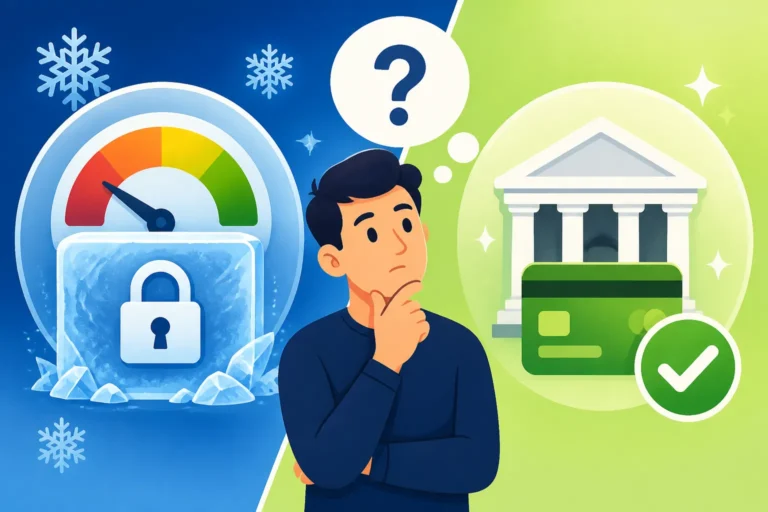
It's easy to get these terms mixed up because they all relate to credit protection, but they each offer different levels of security and functionality. Understanding the differences is key to choosing the right tool for your situation.
- Credit Freeze (Security Freeze): This is the most robust option. When your credit is frozen, lenders cannot access your credit report at all, making it nearly impossible for new accounts to be opened in your name. You control when to "thaw" or "lift" the freeze, either temporarily for a specific application or permanently. This is free for all consumers in Kansas and nationwide.
- Fraud Alert: A fraud alert places a note on your credit report, warning lenders to take extra steps to verify your identity before extending credit. This means they should contact you directly to confirm you're the one applying. While helpful, it relies on lenders following the alert, and it doesn't prevent access to your report, only flags it. Initial fraud alerts last for one year and can be renewed. If you're a victim of identity theft, you can place an extended fraud alert, which lasts for seven years.
- Credit Lock: This is often offered as a paid service by credit bureaus or credit monitoring companies. Similar to a freeze, a lock restricts access to your credit report. However, locks are typically easier to toggle on and off via a mobile app or online portal, offering instant control. While some services offer free credit locks, many come with a monthly fee, unlike the federally mandated free credit freeze.
Here’s a quick comparison of these protections:
| Feature | Credit Freeze | Fraud Alert | Credit Lock |
|---|---|---|---|
| Access to Report | Completely restricted (unless thawed) | Lenders should verify identity before access | Restricted (can be toggled quickly) |
| Cost | Free | Free | Often a paid service (some free options exist) |
| Duration | Indefinite (until you lift it) | 1 year (initial), 7 years (extended) | Varies by provider, typically continuous if paid |
| Control | Requires PIN/account for temporary thaw/lift | Relies on lender compliance | Usually app/web-based, instant control |
| Protection | Highest against new account fraud | Good, but relies on human action | High, similar to freeze but more convenient |
For absolute peace of mind against new account fraud, a credit freeze is often the best choice for Kansas residents. You might also want to explore more details by reading Credit Freeze vs Credit Lock vs Fraud Alert.
Step-by-Step Guide to Freezing Your Credit in Kansas
Freezing your credit can feel like a daunting task, but I promise you, it's straightforward once you know the steps. Since federal law dictates that credit freezes must be free for all consumers, you don't have to worry about any hidden fees. This guide will help you navigate the process with the three major credit bureaus that collect and maintain your financial history. Understanding The 3 Credit Bureaus: Equifax, Experian & TransUnion is foundational to this process.
Contacting the Three Major Credit Bureaus
To fully protect yourself, you need to place a security freeze with each of the three nationwide credit reporting agencies: Equifax, Experian, and TransUnion. Freezing with just one or two leaves you vulnerable, as lenders might check a different bureau. It's like locking only two out of three doors on your house—not very effective! Each bureau has its own process, but they are all designed to be user-friendly.
- Equifax: You can place a freeze online through their dedicated security freeze page, by phone, or by mail. Going online is usually the quickest and most convenient method. You'll need to create an account if you don't already have one. Once initiated, Equifax will provide you with a unique PIN (Personal Identification Number). Keep this PIN extremely safe, as you’ll need it to unfreeze your credit in the future.
- Experian: Similar to Equifax, Experian offers an online portal, a phone number, and a mailing address for placing a freeze. Their online process is also quite streamlined. You’ll be asked to answer some security questions to verify your identity. Experian will also issue you a PIN or provide account access that allows you to manage your freeze.
- TransUnion: TransUnion also provides online, phone, and mail options. Their online system guides you through identity verification. Make sure you receive and securely store any PIN or account information they provide. If you choose to freeze by mail, remember to send your request via certified mail with a return receipt requested. This provides proof that your request was sent and received, which can be useful if there are any issues. Remember, a common frustration for people is forgetting their PIN, so store it somewhere secure but easily accessible to you when needed.
Information You'll Need for the Freeze
When you initiate a credit freeze, whether online, by phone, or by mail, the credit bureaus will need to verify your identity. This is for your protection, ensuring that only you can freeze your credit. It's a good idea to have the following information readily available:
- Your full legal name: As it appears on your official documents.
- Your current and previous mailing addresses: They might ask for addresses you've lived at over the past two to five years to help verify your history.
- Your Social Security Number (SSN): This is the primary identifier for your credit file.
- Your date of birth: Another key piece of identification.
- A copy of a government-issued identification: Such as your driver's license or state ID.
- A copy of a utility bill or bank statement: These are often requested to confirm your current address.
If you're doing this online, you’ll typically input this information directly. If you're sending a request by mail, you’ll need to include legible copies of these documents. It’s a bit of a hassle to gather everything, but think of it as a one-time effort that yields long-term security.
What to Expect After Requesting a Freeze
Once you've submitted your request to each bureau, the freeze typically takes effect quickly. For online and phone requests, it's often within minutes or hours. Mail requests will take longer due to processing and delivery times. After your request is processed, each credit bureau will send you a confirmation letter or email. This communication will confirm that your freeze is active and, critically, will include your unique PIN or instructions on how to access and manage your account.
This PIN is your key to managing your credit freeze. Without it, temporarily lifting the freeze (thawing) or permanently removing it can become a much more complicated process, potentially involving additional identity verification steps and delays. So, please, store it safely! Don't leave it on a sticky note by your computer, but maybe in a secure digital vault or a physical safe. You might be wondering about certain accounts, but rest assured, a credit freeze doesn't affect your existing credit accounts or your credit score. It only prevents new credit from being opened. If you need to check your own credit, remember that viewing your own credit report is considered a soft inquiry and won't impact your score.
Managing and Unfreezing Your Credit in Kansas
Placing a credit freeze is just the first step. The real trick, and where many people get a little nervous, is knowing how to manage it when you actually need to apply for new credit—say, for that new home in Lawrence or a car loan in Wichita. Don't worry, the process is designed to be manageable, giving you control over your financial life without compromising your security.
Temporarily Thawing Your Credit for Applications
Life happens, and sometimes you need to apply for new credit. Whether it's a mortgage, a car loan, a new credit card, or even setting up new utility services, you'll likely need to temporarily lift your credit freeze. This is often called "thawing" your credit. The process is similar to how you initiated the freeze: you'll contact each of the three credit bureaus—Equifax, Experian, and TransUnion—where you placed the freeze.
When you contact them, you'll provide your identity verification details, including that all-important PIN you received when you froze your credit. You'll then specify how long you want to lift the freeze (e.g., a few days, a specific date range) and which bureau(s) need to be accessible. Some bureaus also allow you to temporarily thaw your report for a specific creditor using a unique access code. This is a great option if you know exactly who will be pulling your credit, minimizing the time your report is exposed. It's generally best to lift the freeze for a short, specific window, like 3-5 business days, to allow the lender to pull your report and then have it automatically refreeze. Remember, you can typically see which bureaus a potential lender uses by asking them directly. For more details, refer to our article on How to Unfreeze Your Credit Temporarily.
Permanently Lifting Your Credit Freeze
There might come a time when you decide you no longer need the security of a credit freeze. Perhaps you've reached a point where you're comfortable with other security measures, or you're simply tired of managing the thaws for frequent credit applications. Permanently lifting your credit freeze is also an option.
To do this, you'll again need to contact each of the three credit bureaus individually. Just like with a temporary thaw, you'll need to provide your personal identifying information and your unique PIN. You'll then explicitly request to permanently remove the security freeze from your file. Once confirmed, your credit report will be accessible to lenders as it was before the freeze. Do keep in mind that once it's permanently lifted, you'll lose that robust layer of protection against new account fraud. If you ever change your mind, you would have to go through the entire freezing process again.
Keeping Track of Your Credit Freeze Status
Managing your credit freeze, especially if you're frequently thawing it for various applications, requires a bit of organization. It’s a good practice to keep a record of when you froze your credit with each bureau, the PINs they provided, and any dates you've scheduled for temporary thaws. Many people find it helpful to create a simple spreadsheet or a dedicated folder (digital or physical) for this information.
You can also typically check the status of your credit freeze directly on each bureau's website by logging into your account or using a dedicated status checker. This allows you to verify that your freeze is active when you expect it to be, or that it has been successfully thawed or lifted. Remember, being diligent about these details helps ensure that your credit is protected when it needs to be, and accessible when you want it to be. Consider incorporating services like Credit Strong into your overall financial strategy, which while not directly related to freezing credit, emphasizes building strong financial habits and monitoring your credit health, thereby helping you stay on top of all aspects of your financial profile. Proactive monitoring, even with a freeze in place, is a good idea, as it helps you spot other issues like How to Dispute Errors on Your Credit Report.
Important Considerations and Best Practices for Kansas Residents
Taking control of your credit through a security freeze is a smart move, but it's important to understand the full picture. There are some common misconceptions and additional best practices that can further strengthen your financial defenses, especially for us folks right here in Kansas.
The Cost (or Lack Thereof) of Freezing Your Credit
One of the biggest pieces of good news about credit freezes is that they are free. Thanks to federal law, specifically the Economic Growth, Regulatory Relief, and Consumer Protection Act of 2018, all consumers in the United States, including those in Kansas, can place and lift a security freeze on their credit reports with all three major credit bureaus (Equifax, Experian, and TransUnion) at no cost. This wasn't always the case, as some states previously allowed bureaus to charge a small fee, but that's ancient history now. This means there's no financial barrier preventing you from taking this vital step to protect your identity. It's a completely free way to put a robust shield around your credit file, which is a significant win for consumers. Don't let anyone tell you otherwise or try to charge you for placing a basic security freeze.
The Impact on Your Existing Accounts and Credit Score
This is a common question, and it's an important one. A credit freeze does not impact your existing credit accounts in any way. You can continue to use your credit cards, pay your bills, and manage your loans as usual. Your existing creditors can still access your file for account review purposes, such as if they are considering offering you a credit limit increase or monitoring your account for fraud. Furthermore, placing or lifting a credit freeze does not affect your credit score. It's purely a security measure that controls access to your report for new credit applications.
What it does prevent is a "hard inquiry" from showing up on your report if someone tries to apply for new credit in your name without your authorization. Hard inquiries, which occur when you apply for new credit, can cause a small, temporary dip in your credit score. By preventing unauthorized hard inquiries, a freeze indirectly protects your score from potential fraud-related damage. It's a key distinction that gives many people peace of mind about taking this protective step. Remember, you can always monitor your credit score for free through various services, or get your How to Get Your Free Credit Report to stay informed.
Proactive Steps Beyond a Credit Freeze
While a credit freeze is a fantastic defensive tool, it's just one part of a comprehensive financial security strategy. Think of it as locking your front door; you still need to ensure your windows are secure and you have good habits inside. Here are a few other proactive steps you should consider:
- Regularly Check Your Credit Reports: Even with a freeze, review your credit reports from all three bureaus at least once a year. You can get a free report from each bureau annually via AnnualCreditReport.com. Look for any unfamiliar accounts, addresses, or inquiries. Catching discrepancies early is critical.
- Monitor Your Bank and Credit Card Statements: Scrutinize your financial statements for unauthorized transactions. Fraudsters might not open new accounts but could use existing ones if compromised.
- Set Up Credit Monitoring Alerts: Many banks, credit card companies, and financial services offer free credit monitoring that will alert you to significant changes in your credit report, like new accounts or inquiries. While a freeze prevents new inquiries, monitoring can catch other red flags.
- Use Strong, Unique Passwords: For all your online accounts, especially financial ones, use complex, unique passwords and enable two-factor authentication whenever possible. A data breach on an unrelated site could expose credentials that hackers then try on your banking or credit accounts.
- Be Wary of Phishing Scams: Always be skeptical of unsolicited emails, texts, or calls asking for personal information. Verify the source before clicking links or providing any data. Local law enforcement in places like Derby or Salina often issue warnings about current scam trends.
- Shred Sensitive Documents: Don't just toss old bank statements, credit card offers, or utility bills in the trash. Shred them to prevent dumpster diving identity thieves from getting your information.
- Build and Maintain Good Credit: While a freeze is protective, maintaining healthy credit habits is equally important. Services like Credit Strong offer tools to help you build or improve your credit history by reporting on-time payments, which can be invaluable for your long-term financial goals. Keeping a good credit score, as detailed in What Is a Good Credit Score? (2026 Ranges Explained), opens doors to better financial opportunities.
By combining a credit freeze with these smart habits, you create a formidable defense against identity theft and maintain robust financial health for years to come.
Disclaimer
The information provided in this guide is intended for general informational purposes only and does not constitute financial, legal, or professional advice. While we strive to provide accurate and up-to-date content, financial regulations and personal circumstances can vary. Always consult with a qualified financial advisor or legal professional for advice tailored to your specific situation.