How to Recover From Credit Card Fraud
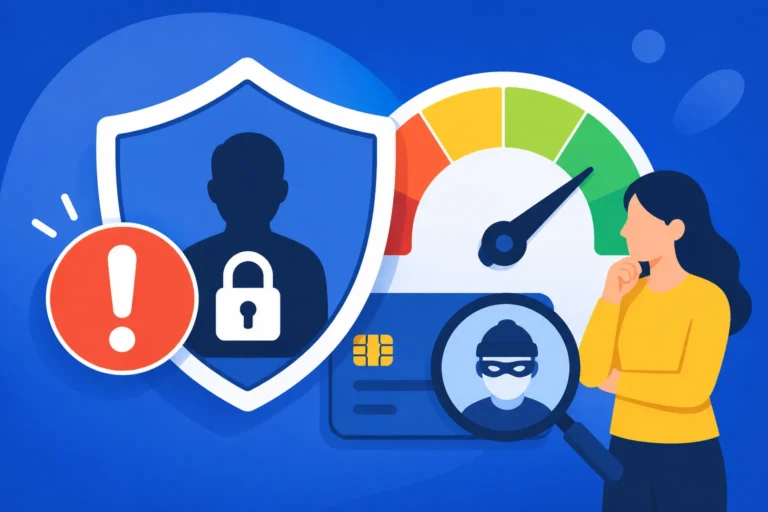
It's an utterly sickening feeling, isn't it? You check your bank account or your credit card statement, and there it is: a charge you don't recognize. Or worse, a whole string of them. Suddenly, your stomach drops because you realize you've become a victim of credit card fraud. It feels like a violation, and the panic can be overwhelming. This guide is here to walk you through the essential steps to recover from credit card fraud, protect your finances, and regain your peace of mind.
The Immediate Aftermath: What to Do First
When you discover fraudulent activity on your credit card, every second counts. Your immediate actions can significantly impact how quickly and effectively you can resolve the issue and limit any potential damage. It's a stressful moment, but taking these first few steps calmly will set you on the right path.
Notifying Your Card Issuer Immediately
The very first thing you need to do, without delay, is contact your credit card company. Most card issuers have dedicated fraud departments and 24/7 helplines specifically for situations like these. Don't put it off, even for an hour. The Fair Credit Billing Act (FCBA) protects consumers, limiting your liability for unauthorized charges to $50, but many card issuers offer "zero liability" policies, meaning you won't be responsible for any fraudulent charges at all, provided you report them promptly.
When you call, be prepared to provide details about the suspicious charges, including the amounts, dates, and merchants if they are listed. The representative will likely cancel your compromised card right then and there to prevent any further unauthorized transactions. They'll also start the process of issuing you a new card with a new account number. This might feel inconvenient, but it's a critical step in isolating the fraud. The card issuer will launch an investigation into the disputed charges, which can take some time, but rest assured, this is their responsibility. They deal with these situations constantly, and they have established procedures to follow.
Securing Your Accounts Beyond the Compromised Card
While you might be laser-focused on the single card that was compromised, credit card fraud can sometimes be a symptom of a broader identity theft issue. It’s crucial to take a moment to breathe and then broaden your security sweep. Think about how the fraudster might have gotten your information. Was it a data breach? A phishing email? A lost wallet?
Start by checking all your other financial accounts. Log into your online banking for other credit cards, checking accounts, savings accounts, and even investment accounts. Look for any unusual activity, no matter how small. Even a tiny, unrecognized charge could be a test run by a fraudster. Next, and this is super important, change the passwords on all your financial accounts, your email, and any online shopping or service accounts where you might have stored your credit card information. Make sure these new passwords are strong and unique – don't reuse them! Consider using a password manager to keep track of complex passwords. Finally, if you haven't already, enable two-factor or multi-factor authentication on every account that offers it. This adds an extra layer of security, making it much harder for criminals to access your accounts even if they have your password.
Protecting Your Credit Report and Identity
Credit card fraud isn't just about the money lost; it's also about the potential damage to your credit report and, by extension, your financial future. Fraudsters might try to open new accounts in your name, which can wreak havoc on your credit score and make it difficult to get loans or even rent an apartment. Taking proactive steps to protect your credit is non-negotiable.
Placing a Fraud Alert
A fraud alert is like putting a giant "handle with care" sign on your credit file. When you place an initial fraud alert, it requires businesses to take extra steps to verify your identity before extending new credit. This means if someone tries to open a new credit card or loan in your name, the lender should contact you directly to confirm it's really you. This initial alert lasts for 90 days, which can give you some breathing room to sort things out.
The good news is that you only need to contact one of the three major credit bureaus – Equifax, Experian, or TransUnion – to place an initial fraud alert. By law, the bureau you contact must then notify the other two. If you've been a victim of identity theft and have an official Identity Theft Report from the FTC, you can place an extended fraud alert, which lasts for seven years. This offers much longer-term protection. While it doesn't prevent all types of fraud, it's a solid first line of defense against new accounts being opened without your knowledge.
Freezing Your Credit Reports
Now, a credit freeze, also known as a security freeze, is a much stronger measure than a fraud alert. Think of it as locking your credit file completely. When your credit is frozen, no one – not even you – can open new credit accounts in your name unless you temporarily lift or "thaw" the freeze. This makes it incredibly difficult for identity thieves to use your personal information to apply for new credit lines. The best part? Freezing your credit is free, thanks to federal law, and it doesn't impact your credit score at all. It simply restricts access to your credit file.
To truly protect yourself, you need to place a credit freeze with all three major credit bureaus individually: Equifax, Experian, and TransUnion. While placing a fraud alert with one notifies the others, a credit freeze requires you to go through each one directly. It's a bit more work upfront, but the security it provides is well worth it. You'll get a PIN or password for each bureau, which you'll need to keep safe because you'll use it to temporarily lift the freeze if you need to apply for new credit, like a mortgage or a car loan. If you want to dive deeper into this essential step, check out our guide on How to Freeze Your Credit (All 3 Bureaus).
Here’s a quick comparison:
| Feature | Fraud Alert | Credit Freeze |
|---|---|---|
| Purpose | Requires lenders to verify identity for new credit | Prevents access to credit report for new credit |
| Duration (Initial) | 90 days | Indefinite (until you lift it) |
| Duration (Extended) | 7 years (with FTC report) | Indefinite (until you lift it) |
| Cost | Free | Free |
| Impact on Credit | None | None |
| How to Place | Contact one bureau, they notify others | Contact each of the three bureaus individually |
| Who Can Access | Creditors with extra verification steps | Generally no one (unless you temporarily lift it) |
Reviewing Your Credit Reports Meticulously
After experiencing fraud, getting a copy of your credit reports from all three bureaus and poring over them is absolutely vital. You're legally entitled to one free copy of your credit report from each of Equifax, Experian, and TransUnion every 12 months through AnnualCreditReport.com. This is the only official, government-authorized website for free credit reports. Don't fall for imposter sites. We even have a detailed guide on How to Get Your Free Credit Report.
When you receive your reports, don't just glance at them. Go through every single entry with a fine-tooth comb. Look for accounts you don't recognize, even if they're small and seem insignificant. Pay close attention to:
- Account Names: Are there any credit cards, loans, or lines of credit you didn't open?
- Addresses: Is there an address listed that you've never lived at? Fraudsters often use their own address for new accounts.
- Inquiries: Are there any "hard inquiries" from lenders you didn't authorize? These happen when you apply for new credit.
- Personal Information: Is your name, Social Security number, or date of birth incorrect?
- Collections: Are there any collection accounts you don't recognize?
Spotting these discrepancies is key to uncovering the full extent of the fraud. Even a small detail could be a breadcrumb leading to more widespread identity theft. For a comprehensive walkthrough of what to look for, take a look at our guide on How to Read Your Credit Report (2026 Guide).
Disputing Fraudulent Charges and Accounts
Finding fraudulent activity is one thing, but getting it removed is the next major hurdle. This process can feel daunting, but thankfully, there are laws in place to protect you and clear procedures to follow.
How to Dispute Fraudulent Charges with Your Issuer
Remember that immediate call to your credit card company? That was the informal dispute. Now, you need to formalize it, especially if the initial call didn't fully resolve the issue. The Fair Credit Billing Act (FCBA) gives you strong consumer protections for credit card billing errors, including unauthorized charges. To dispute a fraudulent charge, you should send a written letter to your credit card issuer. This letter should include your account number, the specific charges you're disputing, and an explanation of why you believe they are fraudulent.
It’s crucial to send this letter within 60 days of the statement date on which the error first appeared. Send it by certified mail, return receipt requested, so you have proof it was sent and received. The card issuer then has 30 days to acknowledge your dispute and 90 days (or two billing cycles) to investigate and resolve it. During this time, you don't have to pay the disputed amount or any finance charges on it. Keep detailed records of all communication, including dates, names of people you spoke with, and copies of letters sent and received. This documentation is your best friend throughout this process.
Disputing Fraudulent Accounts on Your Credit Report
This is where things can get a bit more involved, as you're dealing with the credit bureaus directly. If you found accounts on your credit report that you didn't open, you need to dispute them with each credit bureau that is reporting them. You can't just dispute with one and expect it to disappear from all three; you have to tackle each report individually. Our guide on How to Dispute With Equifax, Experian, and TransUnion goes into detail on their specific processes.
Here's the general approach:
- Gather Documentation: Collect everything you have: copies of your credit reports highlighting the fraudulent accounts, your police report if you filed one, and especially your official Identity Theft Report from the Federal Trade Commission (FTC).
- Contact Each Bureau: You can dispute online, by mail, or by phone. While online is often fastest, sending a detailed letter by certified mail provides a clear paper trail. Your dispute letter should clearly state that the account is fraudulent, request its removal, and include copies of your supporting documents.
- Follow Up: The bureaus typically have 30 days to investigate your dispute (sometimes 45 days if you submit additional information during the process). They must then inform you of the results and remove any inaccurate or unverified information. If the fraudulent account isn't removed, you can re-dispute it or even consider adding a What Is a Consumer Statement on a Credit Report? to your file explaining your side of the story. For a more generic step-by-step approach to correcting errors, see our guide on How to Dispute Credit Report Errors (Step-by-Step).
Filing an Identity Theft Report with the FTC
This step is incredibly important and often overlooked. An Identity Theft Report from the Federal Trade Commission (FTC) is more than just a form; it's an official document that gives you legal standing. It validates your claim that you are a victim of identity theft, which significantly strengthens your position when disputing fraudulent accounts with credit bureaus, creditors, and debt collectors.
To file a report, visit IdentityTheft.gov. The site will guide you through the process, asking for details about the fraud, including when it happened, how you discovered it, and what information was compromised. Once completed, you'll receive an official report. This document can be used to:
- Help remove fraudulent accounts and charges from your credit report.
- Prevent debt collectors from trying to collect on debts you didn't incur.
- Create a recovery plan tailored to your specific situation.
Don't skip this step. It's a critical piece of evidence that can save you a lot of headaches down the line. To get more specific details on this, refer to our article on How to Get an Identity Theft Report.
The Long-Term Recovery and Prevention
Recovering from credit card fraud isn't a one-and-done deal. It requires ongoing vigilance and a commitment to stronger security habits. The immediate crisis passes, but the potential for lingering issues or future attacks remains.
Continuous Monitoring and Vigilance
Once the immediate dust settles and the fraudulent charges are off your card, and any unauthorized accounts are removed from your credit reports, your work isn't quite finished. Fraudsters often work in waves, or they might try a different tactic months later. This is why continuous monitoring is absolutely key to long-term recovery.
Make it a habit to regularly review your credit card statements, bank account transactions, and investment summaries. Even tiny transactions, like a dollar or two, could be a test run by a fraudster to see if an account is active. Beyond your own manual checks, consider using credit monitoring services. Many companies, and even some credit card issuers, offer free credit monitoring that alerts you to significant changes on your credit report, such as new accounts being opened, hard inquiries, or changes in personal information. There are also paid services that offer more comprehensive monitoring, including dark web scanning. We have a detailed resource that explores whether Credit Monitoring: Is It Worth It? for your situation. Regularly checking your credit scores and reports will help you quickly spot any new red flags. It’s about being proactive and staying one step ahead. If you're looking for more signs to be aware of, our post on How to Spot Signs of Identity Theft on Your Report provides valuable insights.
Building Back Your Security Habits
Experiencing credit card fraud is a tough lesson, but it’s an opportunity to shore up your personal security practices. Think about what might have led to the compromise and address those vulnerabilities.
- Password Hygiene: Ditch weak, easily guessable passwords. Use a mix of uppercase and lowercase letters, numbers, and symbols. Even better, use a password manager to generate and store unique, strong passwords for every online account.
- Two-Factor Authentication (2FA): Enable 2FA on every account that offers it – email, banking, social media, shopping sites. This adds an extra layer of security, usually requiring a code from your phone in addition to your password.
- Phishing Awareness: Be incredibly skeptical of unsolicited emails, texts, or calls asking for personal or financial information. Fraudsters are masters of disguise. Always verify the sender or caller independently before providing any details or clicking links.
- Public Wi-Fi: Be cautious about conducting financial transactions or logging into sensitive accounts on public Wi-Fi networks, which are often unsecured and easily intercepted.
- Mail Security: Shred sensitive documents before discarding them. Consider a locked mailbox if mail theft is a concern in your area.
Beyond these defensive measures, consider tools that can actively help you maintain financial health. Companies like Credit Strong offer products like credit builder loans that can help you establish or rebuild a positive payment history, which is crucial if fraud has impacted your credit. While it doesn't prevent fraud directly, having a strong, healthy credit profile can make recovery easier and demonstrates financial stability. If you're looking to rebuild your financial footing, understanding How to Build Credit From Scratch (2026 Guide) can be a great starting point, especially after experiencing fraud. Also, review our advice on How to Protect Your Credit After a Data Breach for broader security tips.
Understanding Your Rights and Resources
Knowledge is power, especially when dealing with financial fraud. Knowing your rights can empower you to confidently navigate the recovery process.
- Fair Credit Reporting Act (FCRA): This federal law governs how consumer credit reporting agencies collect, disseminate, and use consumer credit information. It gives you the right to dispute inaccurate information on your credit reports and ensures that bureaus investigate these disputes.
- Fair Credit Billing Act (FCBA): As mentioned, this law protects you from unauthorized charges on your credit cards, limiting your liability to $50 and outlining the dispute process.
- Consumer Financial Protection Bureau (CFPB): The CFPB is a federal agency that protects consumers in the financial marketplace. If you're having trouble resolving a dispute with a credit card company or credit bureau, you can file a complaint with the CFPB. They can act as an intermediary and help ensure your rights are being upheld.
- Legal Aid: For particularly complex cases of identity theft or if you're facing persistent issues, consulting with a consumer law attorney or a legal aid service specializing in credit and debt issues might be beneficial. They can provide expert advice and advocate on your behalf.
Recovering from credit card fraud can feel like a marathon, not a sprint. But by systematically following these steps, you can protect yourself, dispute the fraudulent activity, and secure your financial future. Stay vigilant, stay informed, and don't hesitate to leverage the resources available to you.
Disclaimer
This article is for general informational purposes only and does not constitute professional advice. Laws, prices and regulations vary by location and change over time. Consult a qualified professional for guidance on your specific situation.