Statement Balance vs Current Balance: What to Pay
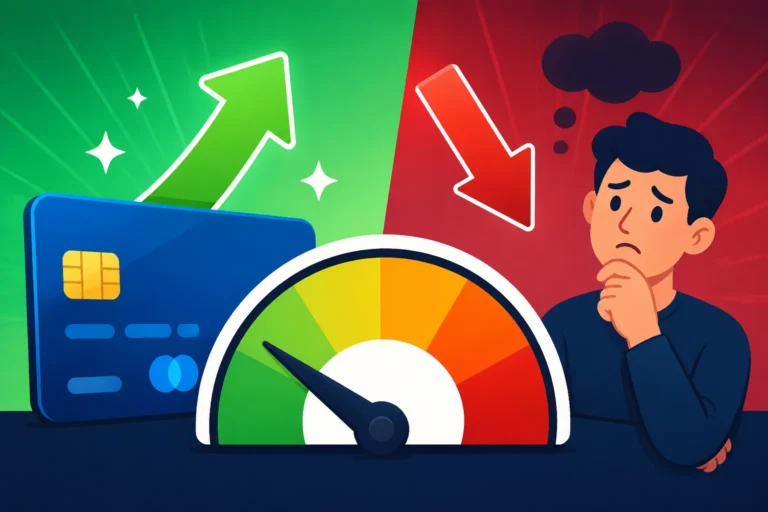
It's incredibly frustrating when you're trying to be responsible with your credit card, diligently paying your bills, only to get confused by two similar-sounding terms: "statement balance" and "current balance." Many folks assume they're interchangeable, but understanding the crucial difference between these two figures is absolutely vital for avoiding unnecessary interest charges, safeguarding your credit score, and maintaining healthy financial habits. This guide will walk you through exactly what each term means and, more importantly, what you truly need to pay.
Understanding Your Credit Card Statement Basics
When you receive your monthly credit card statement, it's packed with numbers and dates that can feel like a foreign language. But two figures stand out because they both represent how much you owe, albeit at different points in time. Getting a handle on these foundational terms is the first step toward becoming a credit card master.
The Statement Balance Defined
Think of your statement balance as a snapshot, a historical record of everything you owed on your credit card account up to a specific date. This date is called your "statement closing date" or "billing cycle end date." For instance, if your statement closing date is the 15th of every month, your statement balance will reflect all purchases, payments, returns, and fees that have posted to your account from the previous closing date (e.g., May 16th) up to the current closing date (e.g., June 15th). This is the amount your credit card company officially bills you for that billing cycle.
This is the number that dictates your minimum payment due and the amount you must pay by your payment due date to avoid interest charges. It's the "official" bill. Any new transactions you make after the statement closing date won't appear on this statement and won't be part of this statement balance. It’s like a report card for a specific period; once the period ends, the grades are finalized for that report. Many people miss this distinction, leading to unexpected interest.
The Current Balance Explained
Now, let's talk about the current balance. This is a dynamic, real-time figure. It represents everything you owe on your credit card right now, at this very moment. It includes your previous statement balance, plus any new purchases you've made since your last statement closing date, any new fees, and subtracts any payments or returns processed since then. Because it updates constantly with every transaction and payment, your current balance is almost always different from your statement balance, unless you just received your statement and haven't used your card since.
Imagine it like your bank account balance: it changes every time money goes in or out. If you made a purchase yesterday that hasn't cleared yet, it might not even be reflected in your current balance online until it fully posts. This real-time nature is what makes it both helpful for staying on top of your spending and potentially confusing when it comes to deciding how much to pay. When you log into your online account, this is typically the most prominent number you'll see.
Why the Confusion Matters: Impact on Your Finances and Credit
The difference between these two balances isn't just a matter of semantics; it has tangible, often significant, consequences for your wallet and your credit health. Misunderstanding them can lead to paying more than you need to or, worse, damaging your credit.
Avoiding Interest Charges
This is perhaps the most critical financial impact. If you want to avoid paying a single cent of interest on your credit card purchases, you must pay your entire statement balance in full by the payment due date. Credit card companies offer a "grace period," which is the time between your statement closing date and your payment due date. During this grace period, if you paid your previous statement balance in full, new purchases won't accrue interest. However, if you only pay your current balance, and that current balance is less than your statement balance because you made new purchases after the statement closed, you haven't paid off the amount the card issuer officially billed you for that cycle.
Let's illustrate with an example. Say your statement balance is $500, due on July 10th. After your statement closed, you made a new $100 purchase. Your current balance is now $600. If you accidentally pay only the $500 current balance (thinking that's all you owe), you've actually paid the correct amount. But what if your statement balance was $500, and you paid $400 toward it, and then your current balance was $450? You would owe interest on the remaining $100 of the original statement balance. The key is to settle the entire amount from the previous billing cycle. To learn more about how interest is calculated, check out our guide on Credit Card APR and Interest Explained.
How Credit Utilization Comes into Play
Beyond interest, how you manage your statement and current balances directly impacts your credit score through a factor called credit utilization. This refers to how much of your available credit you're using. A lower utilization ratio is generally better for your score. Experts often suggest keeping your credit utilization below 30%, but ideally, aim for even lower, like under 10%, for the best results.
Here's the rub: most credit card companies report your balance to the credit bureaus (Equifax, Experian, and TransUnion) around the time your statement closes. This means the balance they report is often very close to your statement balance. If you let your statement balance get high, even if you plan to pay it off, that high balance might be reported to the credit bureaus before you make your payment. This can cause a temporary dip in your credit score, as high utilization signals a higher risk to lenders. Even if you pay it off entirely by the due date, the damage might already be done to your reported score for that month. Understanding this reporting cycle is critical for those looking to keep their score as high as possible. For a deep dive into this, read our comprehensive guide on Credit Utilization: The Complete Guide.
Strategies for Smart Credit Card Payments
Now that we understand the nuances, let's get down to brass tacks: what's the smartest way to handle these balances to protect your finances and boost your credit?
Always Pay Your Statement Balance in Full
This is the golden rule of credit card management. To avoid interest charges entirely and build excellent payment history, you should always aim to pay your statement balance in full by the due date. This demonstrates responsible financial behavior and ensures you're leveraging your credit card as a convenient payment tool, rather than an expensive loan. Making full payments consistently is one of the most effective ways to build and maintain good credit.
If you consistently pay your statement balance in full, you activate what's called a "grace period." This means any new purchases you make after your statement closes won't start accruing interest until your next statement's due date, giving you essentially a free short-term loan. Missing this full payment means you lose the grace period, and interest could start accruing on all new purchases immediately, not just the unpaid portion of the statement balance. It's a penalty that can make getting out of debt much harder.
Paying More Than the Statement Balance
Sometimes, you might find yourself with extra funds and wonder if paying more than your statement balance is a good idea. The answer is usually yes! If you pay your current balance (which includes new charges made after the statement closed) or even more, you're reducing your overall debt faster. This has several benefits:
- Further reduces credit utilization: By paying off new charges before they even appear on your next statement, you ensure an even lower balance is reported to the credit bureaus, potentially giving your credit score an extra boost.
- Keeps your interest costs minimal (if you already lost your grace period): If you're in a situation where you're already carrying a balance and accruing interest, paying down as much as possible, including new charges, will reduce the principal amount on which interest is calculated, saving you money in the long run.
- Peace of mind: Knowing your credit card debt is as low as possible can reduce financial stress.
Some people even make multiple payments throughout the month, especially if they have a tendency to run up high balances or are working to lower their credit utilization quickly. This practice of paying before the statement closes can significantly impact the balance reported to the credit bureaus. You might find our article on Should You Pay Off Your Card Before the Statement Date? helpful for more insight into this strategy.
What Happens if You Only Pay the Minimum
While paying only the minimum payment due on your credit card statement might seem like a way to stay afloat, it's a slippery slope that can lead to significant financial challenges. Credit card companies structure minimum payments to be very low, often just 1-3% of your balance, plus interest and fees. This keeps customers in debt longer, maximizing the interest they pay.
Paying only the minimum ensures you'll be charged interest on the remaining balance from your statement, and often on new purchases too, as you'll likely lose your grace period. This interest can quickly compound, making your debt grow even if you're not making new purchases. It also means it will take you a very long time to pay off your debt, costing you hundreds or even thousands of dollars in interest over the years. This cycle can be incredibly difficult to break and can hinder your financial progress significantly. Understanding How Minimum Payments Keep You in Debt is crucial for avoiding this trap.
Common Misconceptions and Advanced Tips
Navigating the world of credit cards means debunking myths and adopting smart habits that go beyond the basics. Let's tackle some common misunderstandings and explore advanced strategies.
The Myth of Carrying a Balance
One of the most persistent myths in personal finance is the idea that you need to carry a balance on your credit card to build good credit. This is simply not true and can be a costly misconception. The truth is, credit bureaus want to see that you can manage credit responsibly, which primarily means making payments on time and keeping your credit utilization low. You don't need to pay interest to prove you're a good borrower.
In fact, consistently paying your statement balance in full is the best way to demonstrate financial responsibility. It shows lenders you can use credit as a tool, not a crutch. Carrying a balance only benefits the credit card company by generating interest income for them, while costing you money. Your credit score is positively impacted by on-time payments and low utilization, not by the amount of interest you accrue. For more on what truly builds your score, check out our guide on How Credit Scores Work: The Complete Guide.
Timing Your Payments for Maximum Benefit
The timing of your payments can have a subtle yet powerful impact on your credit utilization and, by extension, your credit score. As mentioned, your credit card issuer typically reports your balance to the credit bureaus around your statement closing date. If your goal is to keep your reported utilization as low as possible, consider making a payment a few days before your statement closing date.
For example, if your statement closes on the 15th, and you've made a few purchases, paying those off by the 12th or 13th can ensure that a lower (or even zero) balance is reflected on your statement and subsequently reported to the credit bureaus. This strategy is especially useful if you anticipate applying for new credit soon, like a car loan or a mortgage, and want your credit score to be in the best possible shape. It's an active management strategy that can give you a slight edge. Remember that different credit cards may report at different times, so it's a good idea to understand When Does a Credit Card Report to the Bureaus? for your specific cards.
Using Credit Monitoring Tools
Keeping a close eye on your credit health is more important than ever. While understanding your statement and current balances helps with immediate credit card management, credit monitoring tools provide a broader perspective on your entire credit profile. These tools often offer insights into your credit score, utilization across all your cards, and alerts for any suspicious activity. They can help you track changes in your score and identify factors that might be impacting it.
Many financial institutions and credit bureaus offer free credit monitoring services, or you can opt for paid services that provide more detailed analysis and features. Some services even help you build credit from the ground up, like Credit Strong. While not directly related to credit card balances, tools like Credit Strong offer credit builder loans, which can help you establish a positive payment history and diversify your credit mix, ultimately strengthening your overall credit profile. This, in turn, can improve your ability to manage revolving credit like credit cards more effectively, by giving you a stronger foundation.
Real-World Scenarios and Practical Advice
Life doesn't always go according to plan, and sometimes managing credit card payments can become a juggling act. Let's look at a couple of common real-world scenarios and how to best navigate them.
When Your Budget is Tight
We've all been there. Your budget is stretched thin, and paying that full statement balance feels like an impossible feat. In these situations, prioritizing your payments strategically is key. First and foremost, always aim to make at least the minimum payment on time. Missing a payment or making a late payment can severely damage your credit score (potentially dropping it by dozens of points) and trigger late fees and penalty APRs. Even if you can only afford the minimum, pay it!
If you can pay more than the minimum but not the full statement balance, focus on cards with the highest interest rates first. This approach, known as the debt avalanche method, can save you the most money in interest over time. Alternatively, if the psychological boost of clearing smaller debts motivates you, consider the debt snowball method, where you pay off the smallest balances first. Even when funds are tight, consistency and strategic planning are your best allies. Tools like Credit Strong can also be beneficial in tight budget situations, as their credit builder loans require small, manageable payments that build credit without requiring large upfront sums or access to traditional credit. This can be a great way to establish positive payment history while you work on freeing up funds for existing credit card debt. For more strategies, look into How to Pay Off Credit Card Debt When You Can Only Afford Minimums.
Handling Multiple Credit Cards
Managing multiple credit cards can amplify the confusion between statement and current balances, especially if they all have different statement closing and due dates. The core principle remains the same: for each card, aim to pay the statement balance in full by its respective due date.
To simplify, consider these tips:
- Create a payment calendar: Mark down the statement closing dates and payment due dates for all your cards. This visual reminder can help you stay organized and ensure no payment is missed.
- Set up automatic payments: Many credit card issuers allow you to set up automatic payments for either the minimum due or the statement balance. Setting it to the statement balance can be a great way to ensure you never miss a full payment, as long as you have the funds available.
- Prioritize: If you absolutely cannot pay all statement balances in full, prioritize the cards with the highest interest rates to minimize cost, or consider paying down cards that have high utilization relative to their credit limit to help your score. Remember, a service like Credit Strong helps build new credit responsibly, which can eventually contribute to a healthier overall credit mix if you're managing several credit cards. Building a solid foundation with diverse credit types can make managing multiple credit cards less stressful in the long run.
| Balance Type | Definition | What to Pay for No Interest | Impact on Credit Utilization | When Reported to Bureaus |
|---|---|---|---|---|
| Statement Balance | Total owed at the end of the previous billing cycle. | Pay this in full! | Reflected in the reported balance | Around statement closing |
| Current Balance | Real-time total owed, including new transactions. | Optional (but beneficial) | Can be lowered by extra payments | Not typically reported |
Disclaimer
This article is for general informational purposes only and does not constitute professional advice. Laws, prices and regulations vary by location and change over time. Consult a qualified professional for guidance on your specific situation.