What Is a Grace Period on a Credit Card?
It's incredibly frustrating when you think you're managing your credit card payments responsibly, only to get hit with unexpected interest charges. Many folks find themselves scratching their heads, wondering why their balance suddenly ballooned even though they paid something on time. This guide is here to demystify one of the most misunderstood aspects of credit cards: the grace period, helping you understand how it works so you can avoid those unwelcome interest surprises.
Understanding the Basics of Credit Card Interest
Before we dive into what a grace period is, it's really helpful to get a handle on how credit card interest works in the first place. This isn't just dry financial jargon; it's the mechanism that can either save you a ton of money or cost you a small fortune. Credit card companies make their money primarily from interest and fees, so understanding their system is key to keeping more of your hard-earned cash.
How Interest Accrues
When you use a credit card, you're essentially borrowing money. If you don't pay back that borrowed amount in full by a certain date, the credit card company charges you interest on the outstanding balance. This interest is usually expressed as an Annual Percentage Rate (APR), but it's typically calculated on a daily basis. That means every single day you carry a balance, a little bit more interest gets added to what you owe. It compounds quickly, which is why even a seemingly small balance can grow surprisingly fast if left unpaid.
Imagine you have a card with a 20% APR. If you carry a balance of $1,000 for a month without a grace period, you'd accrue about $16.44 in interest that month (calculated as 20% / 365 days * $1,000 * 30 days). Now, imagine that balance is $5,000, and you can see how quickly the numbers climb. This daily calculation is a silent but powerful force, constantly working against you if you're not paying in full.
The Cost of Not Understanding Interest
The real pain point for many isn't just the interest itself, but the confusion and the feeling of being trapped by it. People often assume that as long as they make the minimum payment by the due date, they're in the clear. And while making the minimum payment does keep your account in good standing and prevents late fees, it absolutely does not prevent interest from being charged on the remaining balance. In fact, if you only ever make minimum payments, you could end up paying back several times the original purchase amount over many years, as a significant portion of your payment goes toward interest rather than the principal.
Not grasping how interest works can lead to a cycle of debt that's incredibly difficult to break free from. It can impact your ability to save for emergencies, delay major life goals like buying a house, and even lead to stress and anxiety about your financial situation. Learning How Credit Card Interest Is Calculated Daily APR is a fundamental step toward taking control of your financial future.
What Exactly is a Credit Card Grace Period?
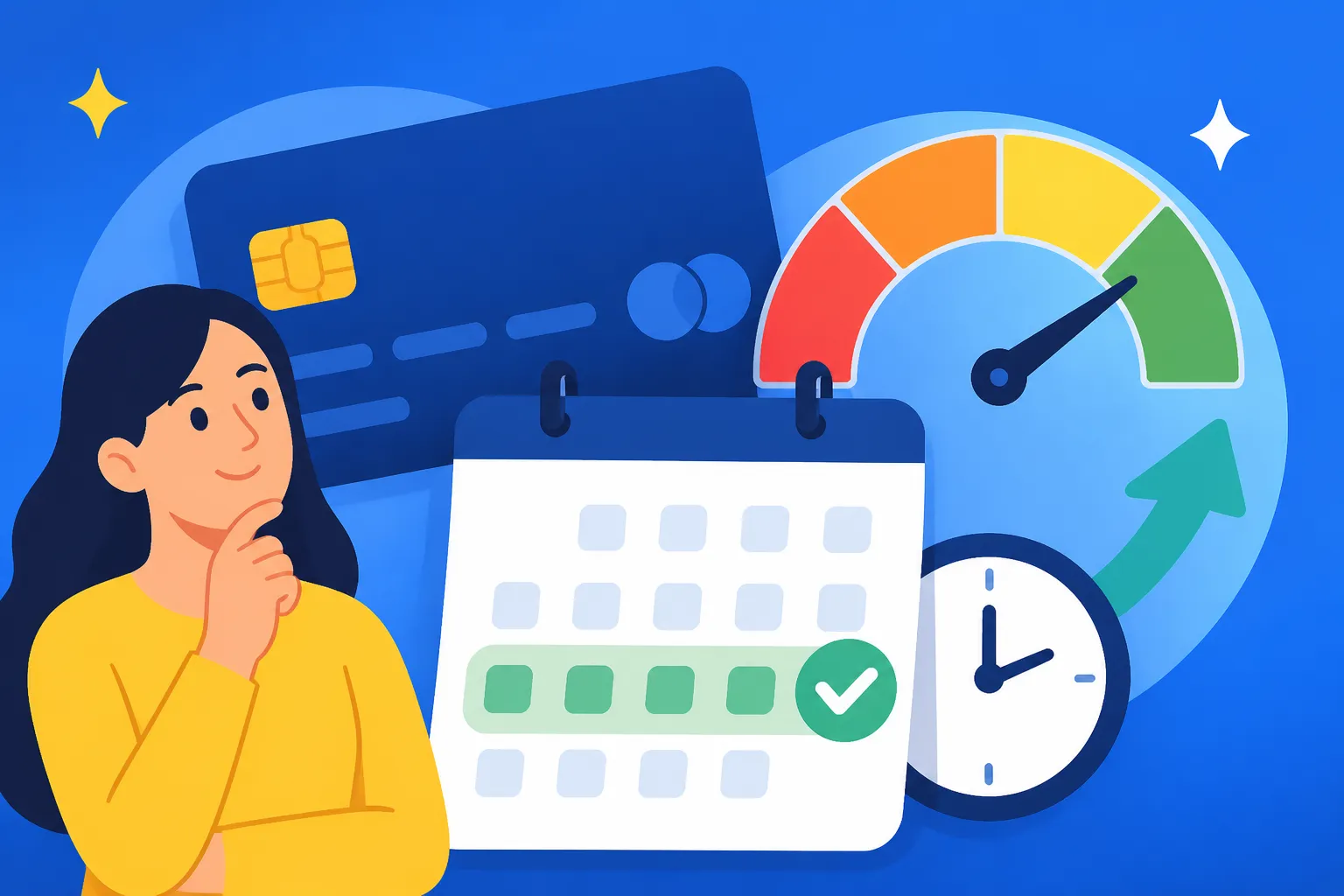
Alright, let's get to the star of the show: the grace period. Simply put, a credit card grace period is a timeframe, usually between 21 and 25 days, during which you can pay off your new credit card purchases without incurring any interest charges. It's like a short-term, interest-free loan that the credit card company extends to you, provided you play by their rules. This period typically starts on the closing date of your billing cycle and extends until your payment due date.
For example, if your billing cycle ends on the 1st of the month and your payment due date is the 25th, you have those 25 days to pay off any purchases made during the previous billing cycle without interest. It's a fantastic benefit if you use it wisely, effectively making your credit card a convenient payment tool that costs you nothing extra.
The Standard Grace Period Timeline
Most credit cards offer a grace period, and it's mandated by federal law (the CARD Act of 2009) that credit card issuers must mail or deliver your credit card statement at least 21 days before your payment is due. This 21-day minimum effectively sets the shortest grace period you'll encounter. However, many issuers provide a little extra cushion, often extending it to 25 days. The key is that the grace period applies to new purchases you make.
Here's how it typically flows:
- Billing Cycle Ends: Your credit card company "closes" your billing cycle, usually once a month. This is the statement date, and all purchases made up to this point are totaled for your statement balance.
- Statement Issued: Your statement is generated, showing your new balance, minimum payment due, and due date.
- Grace Period Begins: From the statement date until the payment due date, you are in the grace period.
- Payment Due Date: You must pay your statement balance in full by this date to avoid interest on those new purchases.
This allows you to make purchases throughout the month, wait for your statement, and then pay that amount in full before the due date, essentially getting a free loan for several weeks.
When the Grace Period Doesn't Apply
Here's where things can get a little tricky, and it's a common trap for the uninitiated. The grace period only applies if you paid your previous statement balance in full by its due date. If you carried any balance over from the previous month – even a single dollar – you generally lose your grace period for new purchases. This means that interest starts accruing on new purchases immediately from the date they are posted to your account, not from your statement date. This is called "losing your grace period" or having "no grace period."
Beyond carrying a balance, grace periods also typically do not apply to certain types of transactions, such as:
- Cash Advances: When you withdraw cash using your credit card, interest usually starts accruing immediately.
- Balance Transfers: While many balance transfer offers come with a 0% introductory APR, if they don't, or once that promotional period ends, interest starts from the transfer date.
- Convenience Checks: Similar to cash advances, using these checks often means immediate interest accrual.
It’s crucial to read your cardholder agreement or contact your issuer to understand the specific terms for your card, especially regarding these types of transactions.
Benefits of a Grace Period
The grace period is a fantastic benefit if you use it correctly. First and foremost, it allows you to use your credit card for convenience and rewards without paying a dime in interest. Think of it: you can make purchases, earn points or cash back, and as long as you pay off your statement balance by the due date, it's a completely free perk. This is how many savvy credit card users leverage their cards to their advantage.
Secondly, it provides flexibility. You don't have to pay for every purchase immediately. You can consolidate your payments into one monthly bill, making budgeting simpler. For example, if you pay your monthly bills like utilities or subscriptions on your card, you get a few extra weeks to keep that cash in your bank account, possibly even earning a little interest there before it's due. Understanding your grace period is a core part of learning How to Use a Credit Card to Build and Keep Good Credit responsibly.
How to Maximize Your Grace Period
Making the most of your credit card's grace period isn't rocket science, but it does require a bit of discipline and understanding of your card's billing cycle. The goal is always to avoid paying interest, keeping your hard-earned money in your pocket instead of lining the credit card company's.
Paying Your Statement Balance in Full
This is the golden rule, folks! To ensure you never pay interest on new purchases, you must pay your statement balance in full by the due date every single month. Not just the minimum payment, not just an arbitrary amount, but the entire statement balance. Your statement balance is the total amount of all new purchases, fees, and any carried-over balance from the previous cycle that was calculated on your statement closing date.
If you paid your previous balance in full, and then you pay your current statement balance in full, you maintain your grace period. This is the mechanism that ensures all your new purchases remain interest-free. It's a simple concept, but it's where many people stumble because they confuse the minimum payment with the full payment needed to avoid interest.
Timing Your Purchases
For those who really want to optimize their grace period, understanding your billing cycle and timing large purchases can be a clever strategy. If your billing cycle closes on the 15th of each month, and your due date is the 10th of the next month, any purchase made right after the 15th (say, on the 16th) will appear on the next statement. This means you'll have almost two full months before that purchase is due without interest!
| Action | Timing Relative to Statement Date | Interest-Free Period (Approx.) |
|---|---|---|
| Purchase made | Day 1 of new billing cycle | Up to 50-55 days |
| Purchase made | Mid-billing cycle | Up to 35-40 days |
| Purchase made | Last day of billing cycle | Up to 21-25 days |
| Pay statement | By due date | Ongoing grace period |
| Carry balance | Any amount after due date | Grace period lost |
This isn't about delaying payment unnecessarily, but rather using the system to your advantage for cash flow management. For smaller purchases, it might not matter much, but for a big expense, those extra few weeks can make a difference. This strategy works hand-in-hand with ensuring you know your Statement Balance vs Current Balance What to Pay.
Auto-Pay and Reminders
In the hustle and bustle of daily life, it's easy to forget a due date. This is why setting up automatic payments or reliable reminders is one of the best ways to ensure you never miss a payment and thus, never lose your grace period. Most credit card issuers, including brands like Credit Strong, offer auto-pay options where you can set your account to pay the "statement balance in full" from your linked bank account on the due date.
If auto-pay makes you a bit nervous (and that's totally understandable!), then set up calendar reminders, use budgeting apps, or even physical notes. The goal is to create a system that guarantees your payment reaches the issuer on time. Missing a payment not only jeopardizes your grace period but can also lead to late fees and a ding on your credit report, which no one wants. Regularly checking your credit card statements and account online can also help you stay on top of things.
Common Grace Period Misconceptions
Despite its importance, the grace period is often misunderstood, leading many to accidentally incur interest charges they didn't anticipate. Clearing up these common misconceptions can save you from unnecessary financial headaches and help you manage your credit more effectively.
Confusing Due Date with Statement Date
One of the biggest culprits behind lost grace periods is confusing the statement date with the payment due date. Your statement date (or closing date) is when your billing cycle ends, and your credit card company calculates your statement balance for that period. This is when your official bill for the month is generated. Your payment due date is typically 21-25 days after the statement date, and it's the deadline by which your payment must be received to avoid late fees and, crucially, interest charges on new purchases.
If you pay your balance after the due date, even if it's before the next statement date, you've likely missed out on the grace period for those purchases. It's a subtle but significant distinction that can cost you. Always mark your payment due date clearly and aim to have your payment processed a few days before that date, just in case there are any processing delays.
Thinking Minimum Payment Avoids Interest
This is perhaps the most widespread and costly misconception. Many consumers believe that by making the minimum payment, they are fulfilling their obligation and avoiding all interest. As discussed earlier, while making the minimum payment does prevent your account from being considered delinquent and avoids late fees, it absolutely does not prevent interest from being charged on the remaining balance. If you only pay the minimum, the unpaid portion of your statement balance will begin accruing interest from the original purchase date (if you've lost your grace period) or from the statement date (if you haven't).
The minimum payment is designed to keep your account active, but it often represents only a small fraction of your total balance, particularly if you've used a significant portion of your credit limit. Only paying the minimum can trap you in a cycle of debt, as the interest charges eat into your payments, leaving less to go toward the principal balance. This is why we always emphasize paying the full statement balance to truly leverage the grace period.
Grace Periods on Cash Advances and Balance Transfers
Another critical area of misunderstanding involves cash advances and balance transfers. It's a pretty standard industry practice that credit card grace periods do not apply to cash advances. When you take a cash advance, interest typically begins to accrue immediately from the moment of the transaction. There's no interest-free window, even if you pay your statement balance in full. This is one of the primary reasons financial experts universally advise against cash advances unless it's an absolute, dire emergency, as they are one of the most expensive ways to borrow money.
Similarly, while balance transfers often come with attractive 0% introductory APRs, if they don't, or once that promotional period expires, interest typically begins accruing immediately on the transferred amount. The standard purchase grace period doesn't usually extend to balance transfers. So, if you're considering a balance transfer to manage existing debt, make sure you thoroughly understand the terms, especially the interest rates and when they kick in, and how they relate to paying How to Pay Off Credit Card Debt Fast. Many credit repair tools like those offered by Credit Strong focus on helping you understand and manage your debt more effectively.
What Happens When You Lose Your Grace Period?
Losing your grace period can feel like getting hit with a surprise bill, and it can be a really disheartening experience when you're trying to be responsible with your finances. But it's important to understand what happens and how to get it back, so you're not stuck in an endless loop of interest payments.
The "Interest Starts Immediately" Effect
When you fail to pay your previous statement balance in full by its due date, you typically lose your grace period. This means that for all new purchases you make after that point, interest will start accruing from the moment the transaction posts to your account. This is often referred to as "no grace period" or "trailing interest."
Let's illustrate with an example:
- Scenario 1 (With Grace Period): Your statement balance is $500. You pay $500 by the due date. You then make a $100 purchase. That $100 purchase will not accrue interest until the next billing cycle's due date (assuming you pay that statement in full).
- Scenario 2 (Without Grace Period): Your statement balance is $500. You pay $400 by the due date, leaving $100 unpaid. You then make a $100 purchase. That new $100 purchase, plus the $100 carried over, will start accruing interest immediately. You're essentially paying interest on purchases from day one until your next statement due date.
This is a critical distinction because it means that even if you pay your next statement balance in full, you'll still see interest charges for the period you didn't have a grace period. It's a tough lesson to learn for many and a powerful motivator to always pay in full.
Reinstating Your Grace Period
The good news is that losing your grace period isn't permanent. For most credit cards, you can get your grace period back by paying off your entire outstanding balance in full for one billing cycle. This means not just the statement balance, but any new purchases that haven't yet appeared on a statement, and any interest that has accrued. Once your balance reaches zero (and stays at zero until your next statement closes), your grace period for new purchases should be reinstated with the following billing cycle.
So, if you've found yourself caught in the immediate interest cycle, the path back to interest-free purchases is clear: aggressively pay down your entire balance. You might need to pause new credit card spending for a short while, or use a debit card for new purchases, to ensure you can clear the slate completely. For those struggling with substantial debt, programs and tools from companies like Credit Strong can offer structured ways to pay down balances and restore healthy credit habits, ultimately helping you get that grace period back. Focusing on debt reduction is key, and resources like How to Pay Off Credit Card Debt With Multiple Cards can provide valuable strategies.
Navigating Different Card Types and Their Grace Periods
It's tempting to think that all credit cards operate under the exact same rules, but that's just not the case, especially when it comes to grace periods. Different types of cards, and even different issuers, can have slightly varying terms. Understanding these nuances can help you avoid unwelcome surprises, especially if you're using a mix of credit products.
Secured Cards and Grace Periods
Secured credit cards are often used by people who are just starting to build credit or who are rebuilding their credit after some financial missteps. They require a cash deposit, which typically becomes your credit limit. For example, if you deposit $200, your credit limit might be $200. The good news is that most secured cards do offer a grace period on purchases, just like unsecured cards.
This is a huge benefit for those working on their credit, as it allows them to practice good financial habits – making purchases, paying in full, and avoiding interest – without accumulating debt. It's important to check the terms of your specific secured card, but generally, paying your statement balance in full by the due date will grant you the same interest-free period on purchases. This feature makes secured cards an excellent tool for learning How to Build Credit From Scratch.
Store Cards and Promotional Periods
Store credit cards, often issued by retailers like Target or Macy's, can be a mixed bag when it comes to grace periods. Many offer promotional financing deals, such as "no interest if paid in full within 6, 12, or 18 months." This sounds great, but it's crucial to read the fine print. These offers are not a grace period in the traditional sense. Often, if you don't pay the entire promotional balance in full by the end of the promotional period, all the deferred interest from day one will be retroactively charged to your account. This is called "deferred interest" and it can be a significant financial hit.
Additionally, store cards for everyday purchases may have higher APRs and sometimes less generous grace periods than general-purpose credit cards. Always compare the full terms, not just the alluring discounts or promotional financing. If you frequently shop at a specific retailer, like a Home Depot or Amazon, their cards might offer rewards, but you must be diligent about understanding their unique payment requirements to avoid interest.
Business Cards and Payment Terms
Business credit cards are designed for entrepreneurs and small business owners to manage their company expenses. While many business credit cards function similarly to personal credit cards regarding grace periods, there can be subtle differences. Some business cards might offer extended payment terms, or different billing cycles depending on the type of business or spending patterns.
For instance, larger corporate cards might have more flexible reporting or payment structures to accommodate complex business operations. However, for most small business cards, the expectation is the same: pay the statement balance in full by the due date to enjoy the purchase grace period. As a business owner, managing cash flow is paramount, and leveraging the grace period effectively can provide a short-term boost to your working capital. Always double-check the specific cardholder agreement for your business card to understand its unique grace period policies, especially if you're using a card to help grow your business and build business credit.
What Is a Good Credit Utilization Ratio?
While not directly about grace periods, understanding credit utilization is absolutely essential for anyone using credit cards, because it impacts your credit score. Your credit utilization ratio is the amount of credit you're using compared to the total credit available to you. For instance, if you have a credit card with a $1,000 limit and your current balance is $300, your utilization is 30%. This factor accounts for a significant portion of your FICO score – about 30% – so keeping it low is key to a healthy credit profile.
Ideally, you want to keep your overall credit utilization below 30% across all your credit cards. Even better, aiming for under 10% is often recommended for top-tier credit scores. Why does this matter for grace periods? Because if you're constantly maxing out your cards, you'll likely struggle to pay your statement balance in full, thus losing your grace period and incurring interest. Maintaining a low utilization ratio makes it much easier to pay your bills on time and in full, which in turn preserves your grace period.
For example, if you have a total credit limit of $10,000 across all your cards, you'd ideally want to keep your total outstanding balance below $3,000 at any given time. If you find your utilization creeping up, consider making multiple payments throughout the month or utilizing tools from providers like Credit Strong that help monitor your credit usage. Remember, learning How to Lower Your Credit Utilization Fast can be a game-changer for your score.
How Many Points Does High Utilization Cost You?
The impact of high credit utilization on your credit score can be quite significant and rather immediate. There isn't a fixed number of points that every individual loses, as credit scoring models like FICO and VantageScore consider various factors and weigh them differently based on your overall credit profile. However, it's safe to say that once your utilization crosses that 30% threshold, you can expect a noticeable drop in your score.
For someone with an excellent credit score, jumping from 10% utilization to 50% could mean a drop of 50-100 points or more. For someone with an already fair credit score, the impact might be less dramatic in terms of raw points but could still push them into a "poor" category, making it harder to qualify for new credit or loans with favorable terms. The higher your utilization climbs towards 100%, the more severe the negative impact. This is because high utilization signals to lenders that you might be over-reliant on credit or struggling financially, increasing their perceived risk.
The good news is that credit utilization has no memory in credit scoring models. As soon as you pay down your balances and your utilization drops, your score will typically rebound. This is why understanding How Many Points Does High Utilization Cost You is crucial for effective credit management.
Disclaimer
Please note that this article is intended for informational purposes only and does not constitute financial or legal advice. Credit card terms and conditions can vary significantly, and it is always recommended to review your specific cardholder agreement or consult with a qualified financial advisor for personalized guidance. Laws and regulations regarding credit may change, and while we strive to provide up-to-date information, it is essential to verify details with official sources.