Why Did My Credit Score Drop After a Hard Inquiry?
Credit scoring models lower your score by a few points after a hard inquiry because new credit applications signal financial risk.
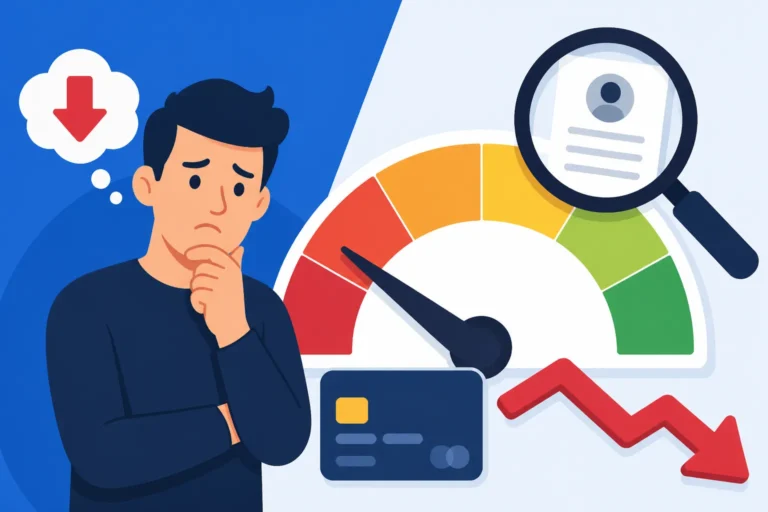
Credit scoring models lower your score by a few points after a hard inquiry because new credit applications signal financial risk.
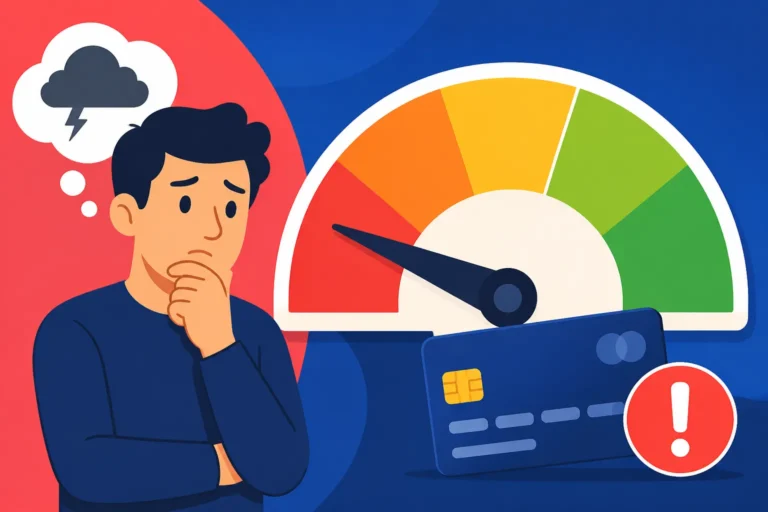
A 540 credit score falls into the poor range, meaning lenders view you as high risk for loans and charge high interest rates.

Buying a house with a 520 credit score involves exploring FHA loans and understanding government-backed mortgage eligibility rules.

Raising a credit score from 580 to 650 requires improving payment history and lowering high credit card utilization balances.
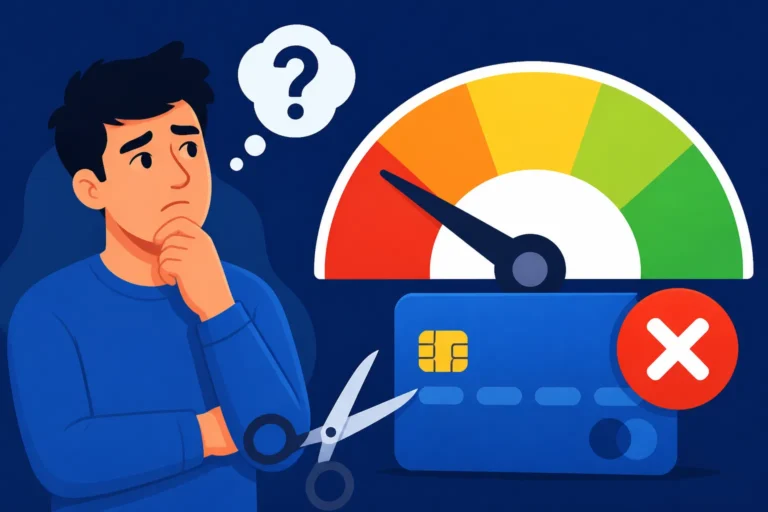
Closing a credit card reduces total available credit, which increases credit utilization ratios and drops credit scores.
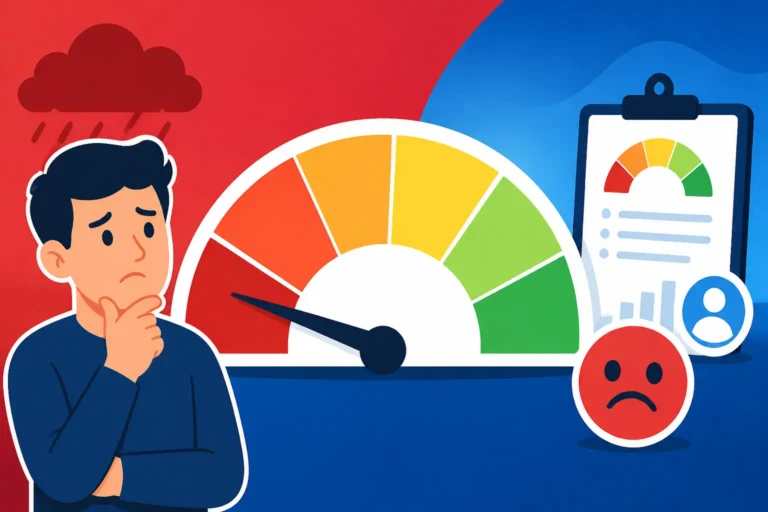
A 520 credit score falls into the poor category, causing loan denials, higher interest rates, and utility deposit requirements.

Buying a house with a 500 credit score presents severe challenges, but government-backed loan programs offer viable paths.
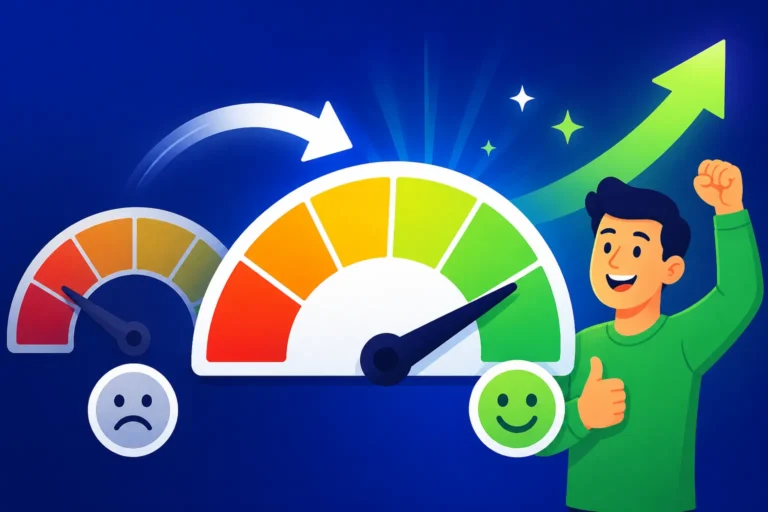
Raising a credit score from 600 to 700 requires improving payment history and keeping credit utilization below 30 percent.
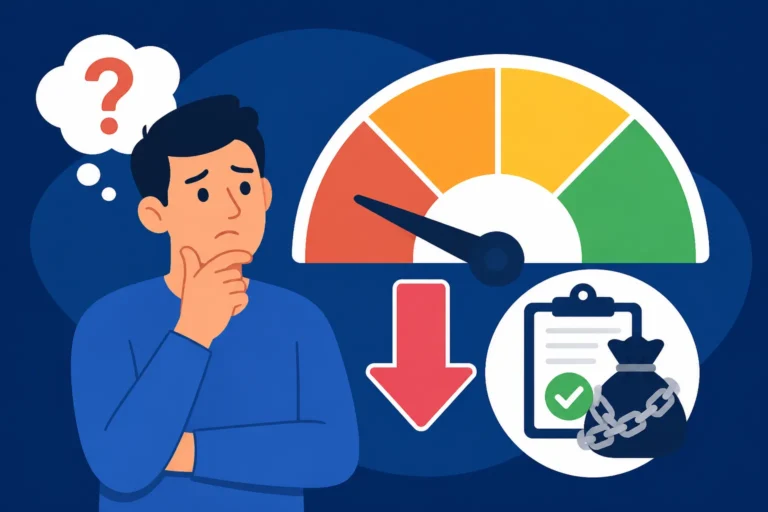
Paying off an installment loan reduces credit mix, average account age, and alters utilization, causing a sudden score drop.
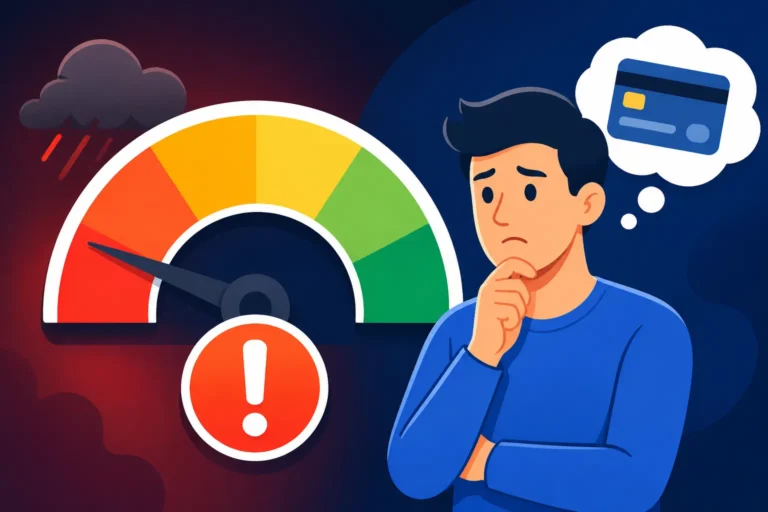
A 500 credit score falls into the very poor category, signaling high risk to lenders and causing daily financial hurdles.