Can a Debt Collector Sue You in Illinois?
Collectors who own the debt or hold the creditor’s authority can sue in Illinois for a judgment, which opens the door to wage garnishment or property liens.

Collectors who own the debt or hold the creditor’s authority can sue in Illinois for a judgment, which opens the door to wage garnishment or property liens.
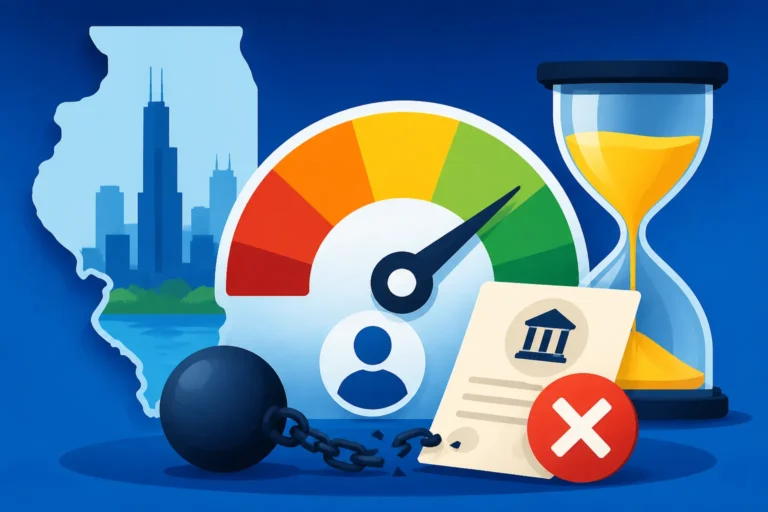
Illinois debt timeframes for written contracts, oral agreements, and promissory notes protect consumers from expired lawsuits.
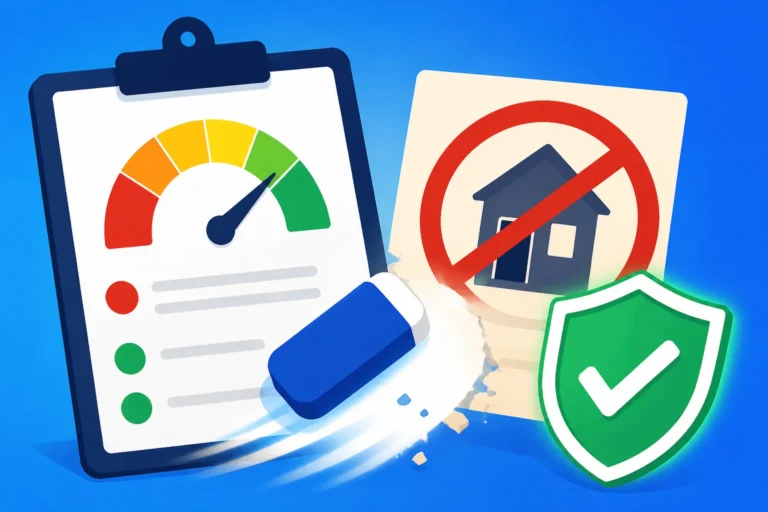
Eviction-related judgments and collection accounts remain on credit reports for up to seven years, lowering credit scores significantly.

Idaho debt collection lawsuits and the state statute of limitations explain when third party collectors can sue debtors.
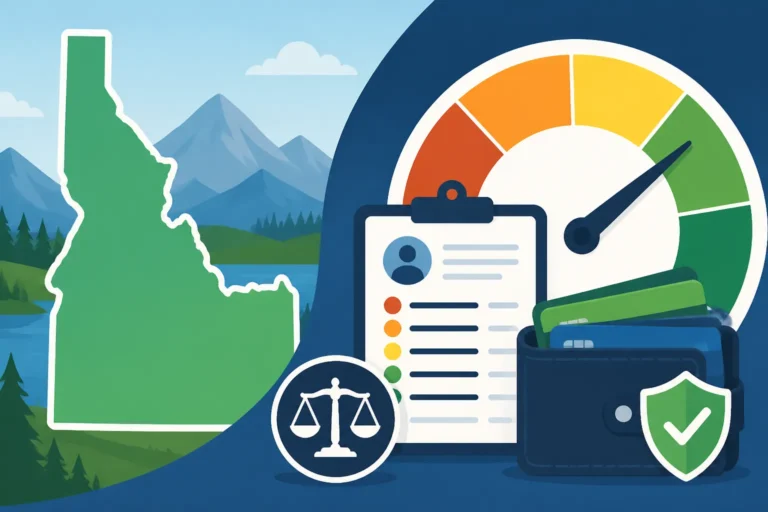
Idaho law sets a five year statute of limitations for creditors filing lawsuits on written contracts and credit card debt.

Federal student loan default records stay on credit reports for seven years from the original delinquency date.

Paid collection accounts remain on credit reports for seven years unless removed through specific strategies like negotiation.

Hawaii debt collection lawsuits involve summons and complaints, timelines, and rights for consumers facing court actions.

Hawaii debt collection rules detail the six-year statute of limitations for written, oral, and promissory note contracts.
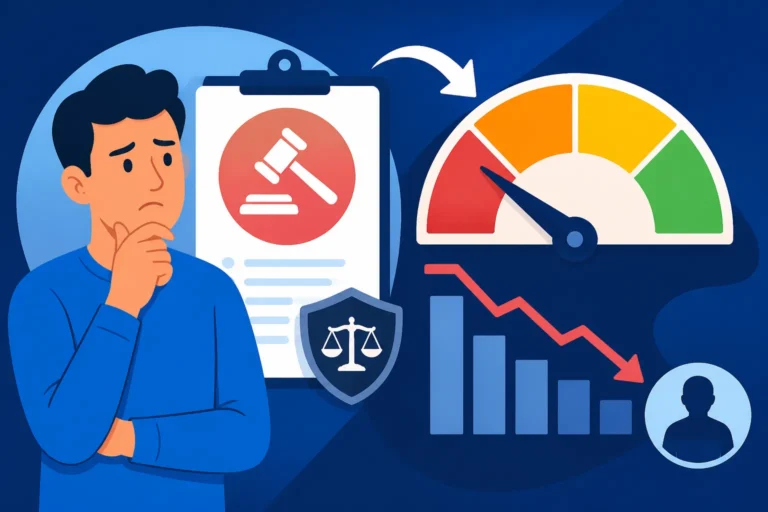
Civil judgments remain on credit reports for seven years under federal law, affecting loan approvals and housing applications.