Can a Debt Collector Sue You in Kentucky?
Kentucky debt collection lawsuits and statutes of limitations explain when creditors can sue residents over unpaid balances.

Kentucky debt collection lawsuits and statutes of limitations explain when creditors can sue residents over unpaid balances.

Kentucky debt collection laws set fifteen-year limits for written contracts and five-year limits for oral contracts and credit cards.
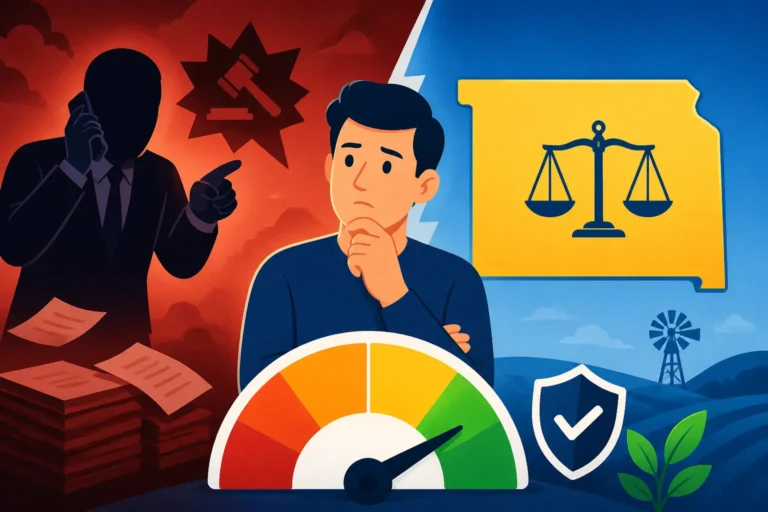
Kansas consumer protection laws and federal regulations explain when third party collection agencies can legally sue you in court.

Once the statute of limitations passes, a debt becomes time-barred: collectors can still make contact but cannot sue or garnish wages over it in Kansas.

Iowa debt collection laws and the five year statute of limitations determine whether creditors can sue residents for unpaid credit cards.

Iowa law sets a ten year statute of limitations for written contracts, preventing creditors from suing after that period ends.

Methods to remove old debt from credit reports using the Fair Credit Reporting Act seven year rule and dispute strategies.

Indiana debt collection rules and six year statutes of limitations explain when creditors lose the legal right to sue.
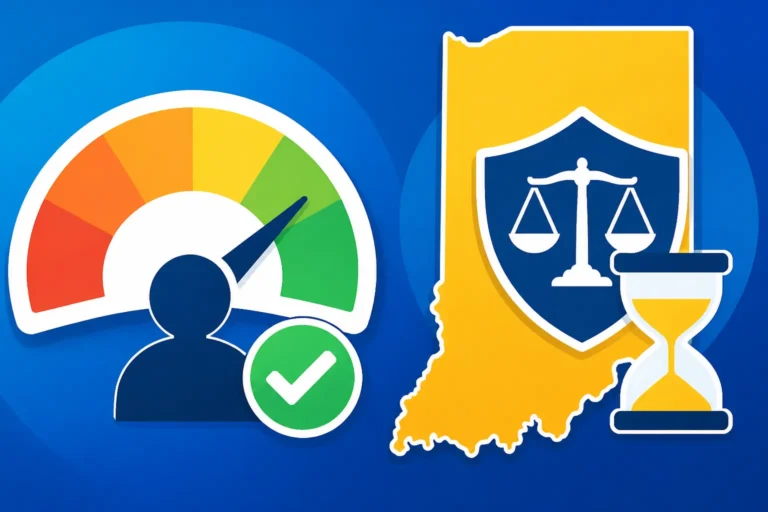
Indiana debt statute of limitations laws define legal timeframes for creditors suing to recover unpaid money from consumers.

Civil judgments remain on credit reports for up to seven years, lowering credit scores by one hundred points or more and blocking loans.