How to Dispute a Collection That’s Past 7 Years Old
Disputing outdated collection accounts past the seven year limit under the Fair Credit Reporting Act removes them from credit reports.

Disputing outdated collection accounts past the seven year limit under the Fair Credit Reporting Act removes them from credit reports.

Medical collections removal strategies help consumers clear credit reports using specific 180 day grace periods and payment rules.

Delaware debt collection lawsuits and state laws determine when third party agencies can sue consumers for unpaid accounts.
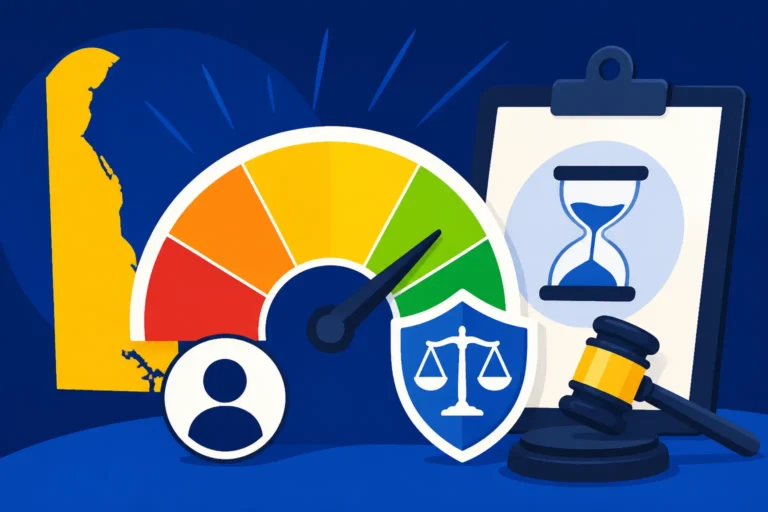
Delaware statute of limitations sets specific time limits for creditors to sue for unpaid debts and protects consumers from legal action.

A foreclosure remains on credit bureau reports for seven years under Fair Credit Reporting Act rules while impacting your score.

Paid collection dispute strategies help consumers remove settled accounts from Equifax, Experian, and TransUnion credit reports.

Foreclosure removal methods, FCRA rules, and dispute steps explain how to handle accurate entries and credit report errors.

Connecticut debt collection lawsuits and the state statute of limitations for written contracts, oral agreements, and medical debt.
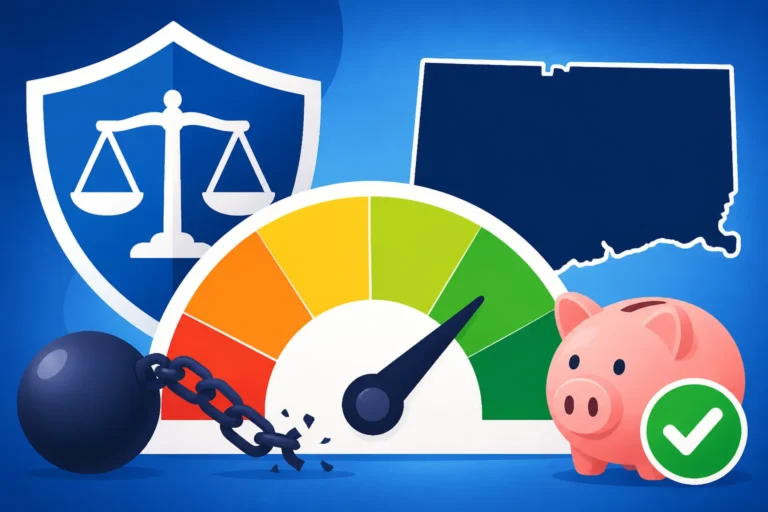
Connecticut state laws establish legal time limits preventing creditors from suing you in court after deadlines expire.

A repossession stays on your credit report for seven years from the original delinquency date, lowering scores significantly.