How to Dispute a Collection Reported Twice (Duplicate)
Duplicate collection accounts reported on credit reports can be identified, disputed, and removed using gathered evidence.

Duplicate collection accounts reported on credit reports can be identified, disputed, and removed using gathered evidence.

Chapter 7 bankruptcy remains on credit reports for ten years, while Chapter 13 stays for seven years under federal reporting rules.

Colorado debt collection laws and statutes of limitations explain when creditors can sue you, detailing six year limits for credit cards.

Colorado debt statutes of limitations explain when creditors can sue for written contracts within six years of inactivity.

A Chapter 13 bankruptcy stays on your credit report for seven years from the initial filing date, not the discharge date.

Disputing a collection account with an incorrect balance protects your credit score and prevents you from overpaying debts.

Car repossessions and deficiency balances damage credit scores, but realistic steps can remove these negative financial marks.

California statute of limitations rules govern when debt collectors can sue consumers, establishing a four year limit for written contracts.
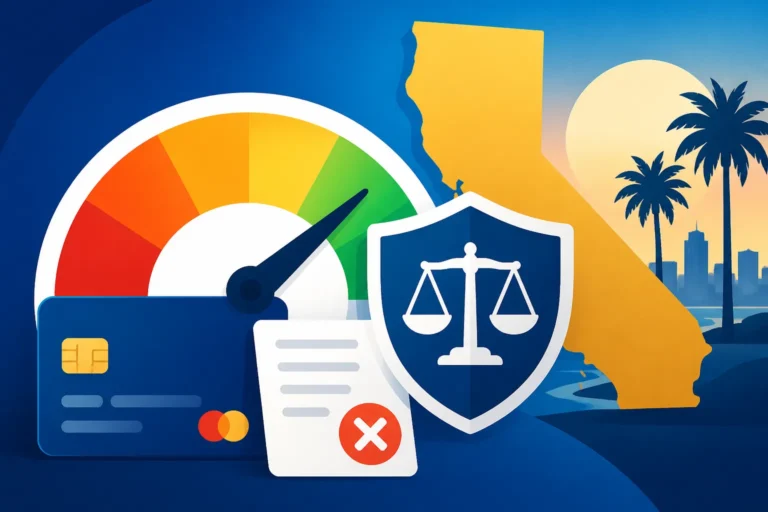
California debt statutes of limitations explain legal time limits for creditors to sue consumers for unpaid credit card accounts.
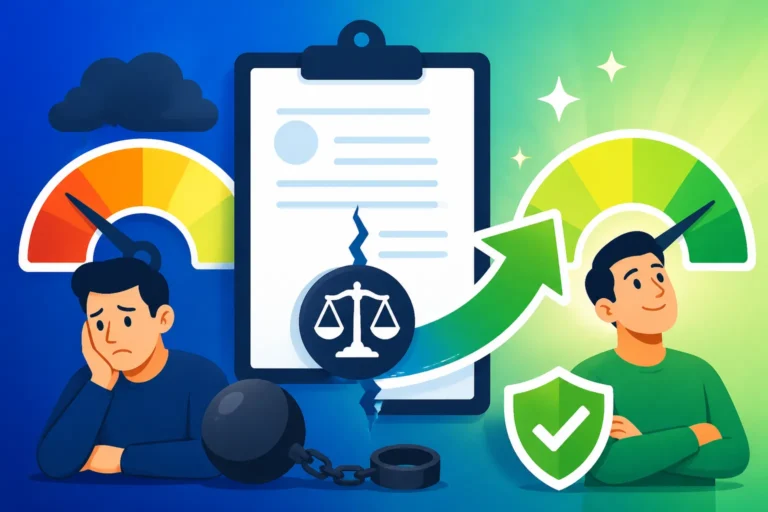
Chapter 7 bankruptcy stays on credit reports for ten years from the filing date, mandated by the federal Fair Credit Reporting Act.