Does Freezing Your Credit Affect Your Existing Credit Cards?
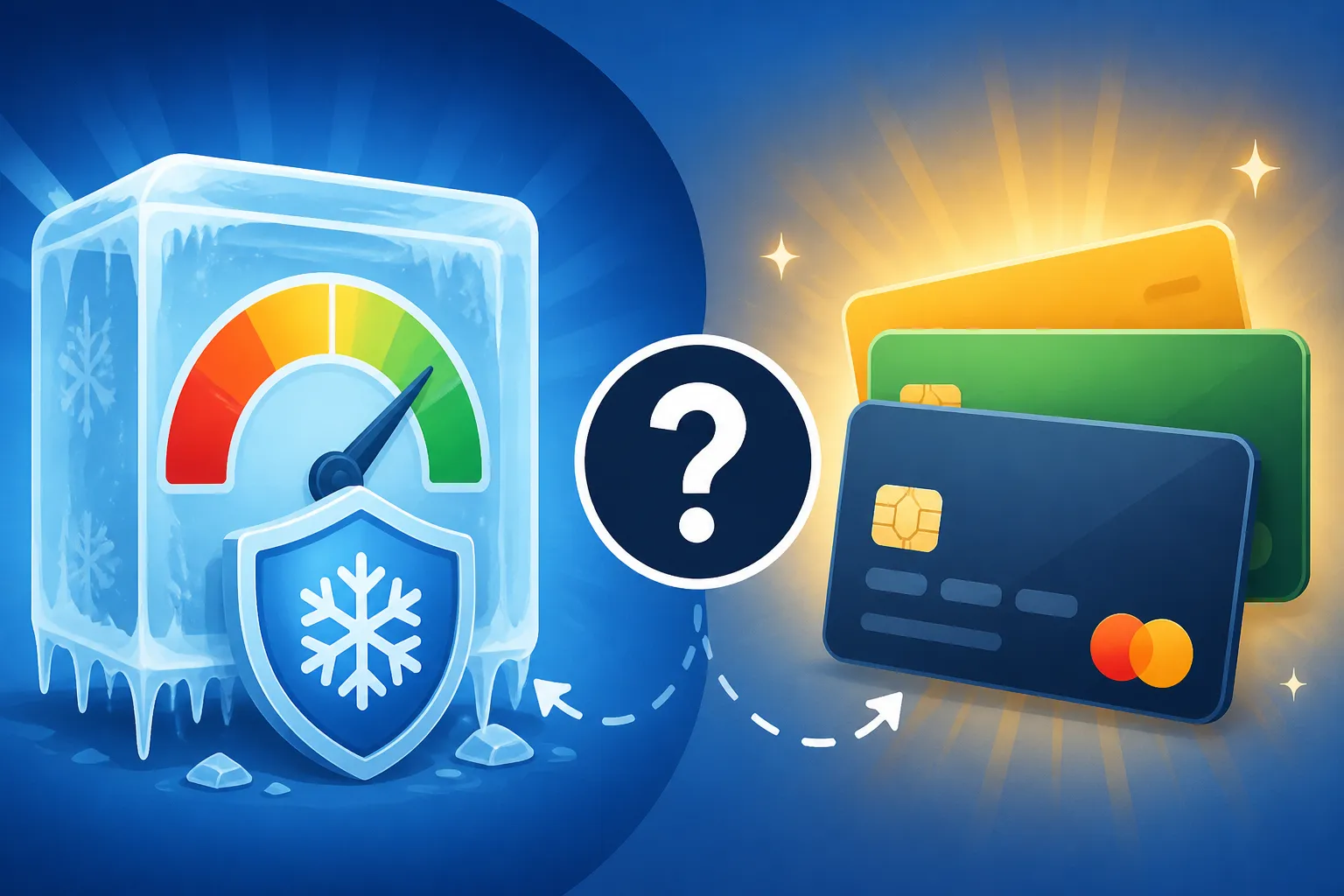
It's a really common concern: you've heard about credit freezes as a way to protect yourself from identity theft, which sounds amazing, but then a wave of worry hits – what about all your credit cards and loans you already have? You rely on them, and the last thing you want is to accidentally mess up your ability to use them. This guide is here to clear up that confusion and reassure you that freezing your credit is a smart move that won't disrupt your existing financial life.
Understanding What a Credit Freeze Actually Does
Let's cut through the noise and get down to brass tacks about what a credit freeze really entails. Many people assume a credit freeze locks down everything, but that's not quite how it works. Think of it less like a full-body cast for your credit, and more like putting a very strong lock on the "new applications" door of your credit file.
The Purpose of a Credit Freeze
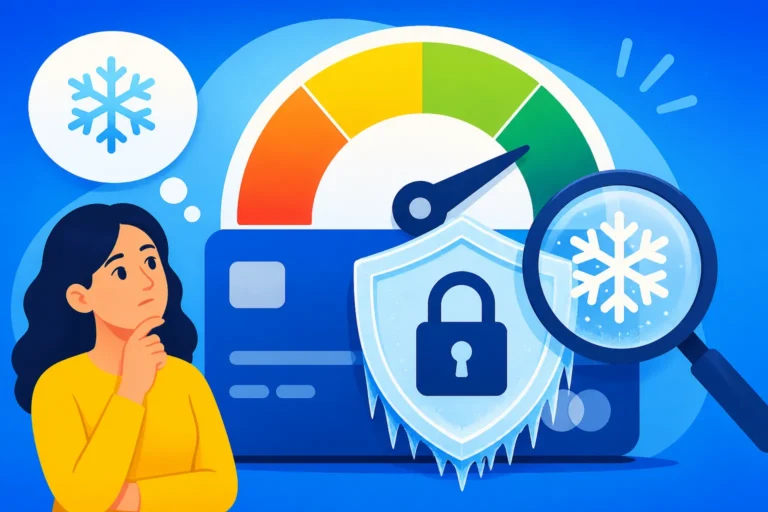
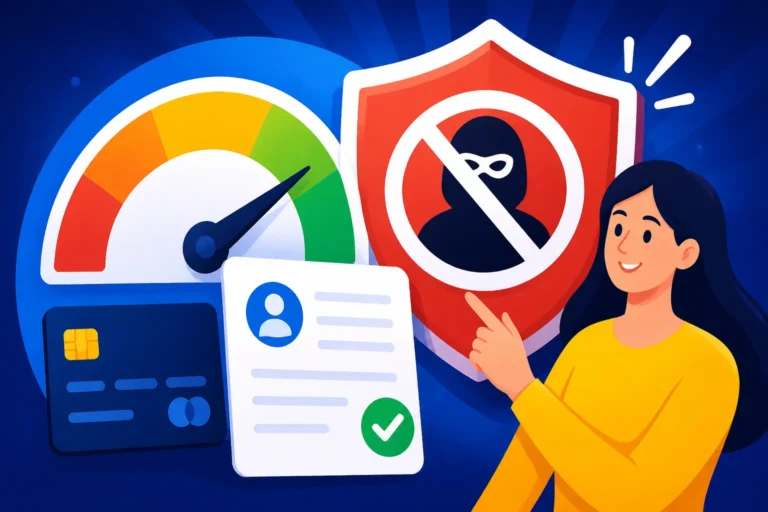
The primary, overarching goal of placing a credit freeze (also known as a security freeze) is to prevent new credit accounts from being opened in your name without your explicit permission. In a world where data breaches are unfortunately common, your personal information — like your Social Security number, date of birth, and address — might be floating around out there. If a scammer gets their hands on it, they could try to open new credit cards, personal loans, or even mortgages under your identity. A credit freeze is your frontline defense against this kind of new-account identity theft. When a lender or service provider tries to pull your credit report to check your creditworthiness for a new application, the freeze prevents them from accessing it. Without access to your report, they can't approve new credit in your name, effectively stopping the fraudster dead in their tracks. It's a proactive step that buys you immense peace of mind.
How a Credit Freeze Differs from a Credit Lock
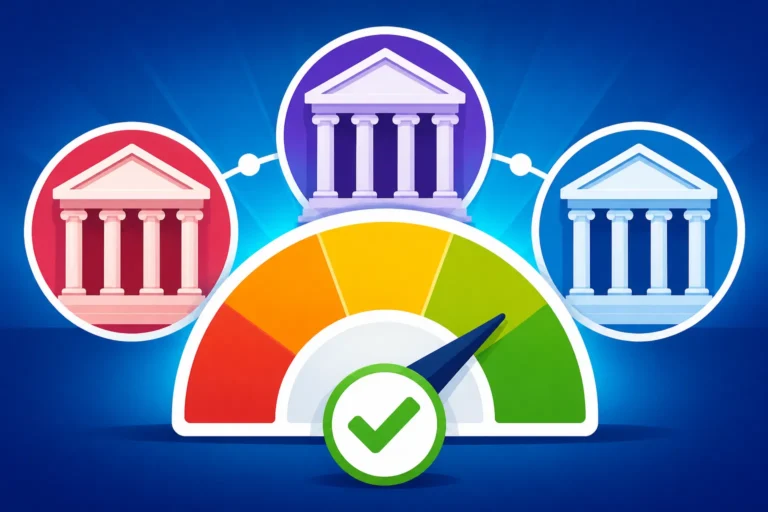
This is where some of the confusion often creeps in. While credit freezes and credit locks both aim to restrict access to your credit report, there are some key differences, especially in terms of legal standing and ease of use. A credit freeze is mandated by federal law (the Economic Growth, Regulatory Relief, and Consumer Protection Act of 2018) and is free to place and lift at all three major credit bureaus: Equifax, Experian, and TransUnion. Once placed, it remains in effect until you decide to lift it, either temporarily or permanently. It's a robust, long-term solution.
A credit lock, on the other hand, is typically a service offered by the credit bureaus themselves, sometimes as part of a credit monitoring package. While it offers similar protection by preventing access to your credit report, it might come with a monthly fee, and its legal protections aren't as robust as a freeze. Think of a freeze as a sturdy padlock you own, governed by law, and a lock as a service the bureau provides, which might have different terms. Both can be effective, but understanding the distinction, especially regarding cost and legal backing, is important for choosing the right tool for your situation. For more details on the differences, you might want to read about Credit Freeze vs Credit Lock vs Fraud Alert.
The Direct Impact on Your Existing Credit Cards
Now, let's get to the heart of your concern: your existing credit cards. The good news is that placing a credit freeze has no effect on the credit cards and loans you already have. You can continue to use them exactly as you always have.
Why Existing Accounts Remain Unaffected
The reason your existing accounts are untouched by a credit freeze boils down to what a credit freeze is designed to prevent. It's specifically built to block new access to your credit file for the purpose of new credit applications. When you swipe your existing credit card, apply for a balance transfer on a card you already own, or make a payment on your mortgage, the lenders don't need to perform a new "hard inquiry" on your credit report to verify your creditworthiness. They already have that information from when you first opened the account.
Your current creditors already have a relationship with you. They have your account on file, and your credit report served its purpose when you initially qualified for that card or loan. A credit freeze doesn't sever those established relationships or prevent the ongoing management of those accounts. It simply tells potential new creditors that they can't peek at your report. This means you can keep making purchases, paying bills, and managing your finances without a hitch. The goal is to safeguard against future unauthorized accounts, not to interfere with your current financial obligations.
What Happens During Identity Verification for Existing Accounts
Sometimes, even with existing accounts, you might encounter situations where a company needs to verify your identity. This could be if you call customer service and they ask you security questions, or if you're trying to perform certain actions online. This type of identity verification is distinct from a credit check for a new line of credit.
For instance, if you're an existing customer with, say, Citibank or Capital One, and you call their customer service, they will use internal verification methods – asking for parts of your Social Security Number, your mother's maiden name, or recent transactions – to confirm you are who you say you are. They are not attempting to pull a new credit report to do this. A credit freeze doesn't interfere with these established processes. The key takeaway is that your existing financial institutions already have your relevant data and a direct line to your account; they don't need to consult your frozen credit report for routine account management or identity confirmation.
What a Credit Freeze Doesn't Prevent Important Distinctions
It's crucial to understand the limits of a credit freeze so you don't have any false sense of security. While excellent for preventing new-account fraud, it's not a magical shield against all financial threats. Knowing what it doesn't do is just as important as knowing what it does.
Continued Access and Use of Existing Credit Lines
As we've covered, a credit freeze doesn't stop you from using your existing credit cards or lines of credit. You can continue to make purchases, cash advances (if your card allows), and transfer balances between your existing cards. It doesn't affect your ability to make payments, either. Your payment history will still be reported to the credit bureaus, and your credit score will continue to be updated based on your ongoing financial behavior, such as your credit utilization and payment timeliness.
This means you still need to be diligent about monitoring your existing accounts for fraudulent activity. A credit freeze won't prevent someone from using a stolen credit card number from an existing account, for example. If your actual credit card number is compromised, you'll still need to follow standard fraud reporting procedures with your card issuer. Think of it as protecting the door to new credit, not patrolling the inside of your house.
Soft Inquiries and Account Reviews Still Occur
A credit freeze primarily blocks "hard inquiries," which are typically generated when you apply for new credit. However, it does not block "soft inquiries." Soft inquiries are credit checks that don't affect your credit score and are often done for existing account reviews, pre-approved credit offers, or by yourself when you check your own credit score.
Your existing creditors, for example, might still perform soft inquiries periodically to review your account, check for changes in your creditworthiness, or even consider you for a credit limit increase. These are internal checks that happen behind the scenes and are not impacted by a freeze. Similarly, if you use a service like Credit Karma or your bank's credit monitoring tool, those are generally soft inquiries and will still function as usual, allowing you to monitor your credit reports for other types of errors or suspicious activity. Understanding What Is a Soft Inquiry vs a Hard Inquiry can help clarify this further.
When a Credit Freeze Might Seem to Impact Existing Accounts (Misconceptions)
While a credit freeze doesn't directly affect your ability to use existing credit cards, there are a few scenarios where it might seem like it's causing an issue. These are usually related to requests that would typically involve a new credit check or an update to your existing credit profile in a way that mimics a new application.
Credit Limit Increase Requests
This is a common point of confusion. If you decide to request a credit limit increase on one of your existing credit cards, the outcome might be affected by a credit freeze. Why? Because many lenders will perform a "hard inquiry" on your credit report to assess your financial health before approving a higher credit limit. If your credit is frozen, that hard inquiry will be blocked, and as a result, your request for an increase might be denied or put on hold until you temporarily lift the freeze.
It's not that the freeze prevents the increase, but rather it prevents the lender from doing the necessary credit check. So, if you're planning to ask for a higher limit, remember to lift your freeze with the relevant credit bureau(s) before making the request. Once the hard inquiry has been made, you can re-freeze your credit.
Balance Transfers and Refinancing
While transferring a balance between two existing credit cards you already hold isn't usually affected by a freeze, applying for a new balance transfer card from a different issuer is. A new balance transfer card is, by definition, a new line of credit. To open that new account, the new issuer will need to perform a hard inquiry on your credit report, which a freeze will block.
The same logic applies to refinancing existing loans, like a car loan or a mortgage. If you want to refinance, you're essentially applying for a new loan with new terms. This new application will trigger a hard inquiry, and your credit freeze will prevent the lender from accessing your report. In these situations, you'll need to strategically lift the freeze with the appropriate credit bureaus to allow the application to proceed. Then you can re-freeze your credit once the process is complete.
Annual Reviews and Account Closures
Sometimes, credit card issuers perform annual reviews of their accounts. In rare instances, if a significant change in your credit profile is detected through a soft inquiry (which a freeze doesn't block), they might decide to lower your credit limit or even close your account due to perceived risk. However, this is generally uncommon and not a direct result of the freeze itself, but rather an outcome of their ongoing risk assessment. A credit freeze does not cause an existing account to close. Account closures initiated by the creditor are often tied to inactivity, repeated late payments, or significant drops in overall creditworthiness that are visible through soft inquiries or other internal data.
Similarly, if you decide to close an existing credit card account, the freeze has no bearing on that. You can close accounts at will, and the closure will be reported to the credit bureaus as usual, potentially impacting your credit utilization or average age of accounts. You might find this article on Does Closing a Credit Card Hurt Your Score? helpful for more context.
Here's a quick look at how various credit protection tools compare:
| Feature | Credit Freeze | Credit Lock | Fraud Alert |
|---|---|---|---|
| Prevents New Credit | Yes (blocks hard inquiries) | Yes (blocks hard inquiries) | No (alerts creditors, but doesn't block) |
| Affects Existing Cards | No (can still use them) | No (can still use them) | No (can still use them) |
| Cost | Free | May be free or have a monthly fee | Free |
| Legal Basis | Federal law | Bureau service (terms may vary) | Federal law |
| Ease of Use | Need to proactively lift/re-freeze with each bureau | Often managed instantly via app/web | Placed once, lasts 1 year (or 7 years with ID theft report) |
| Impact on Credit Score | None | None | None |
| Primary Goal | Prevent new-account identity theft | Prevent new-account identity theft | Alert lenders to verify identity before new credit |
The Benefits of a Credit Freeze for Your Financial Safety
Given that a credit freeze doesn't mess with your existing cards, it's pretty clear that its benefits for protecting your financial future are substantial. It's one of the most powerful tools consumers have against a specific, prevalent form of identity theft.
Protection Against New Account Fraud
In an age where data breaches are practically daily news, your personal information is at risk. Whether it's a massive corporate hack or a smaller incident like a stolen wallet, fraudsters are always looking for opportunities to open credit accounts in someone else's name. They thrive on the ability to access your credit report and prove to a lender that "you" are a creditworthy applicant.
A credit freeze fundamentally breaks this chain. By denying access to your credit report, it takes away the most crucial piece of information a new creditor needs to approve an application. This means even if a scammer has your Social Security number and other identifying details, they can't effectively apply for new loans or credit cards in your name. It's a proactive, simple, and incredibly effective way to prevent identity thieves from running up debt that would then fall to you to dispute and deal with. This defense is especially potent for those who have worked hard to build good credit and want to protect it. While platforms like Credit Strong focus on helping people establish or rebuild credit, a freeze acts as a shield for that very credit you're working to protect.
Peace of Mind in a Data Breach World
There's a constant low hum of anxiety for many people these days, wondering if their information was part of the latest data breach. Did that old online retailer or medical provider lose my data? Will I find out later that someone opened a mortgage in my name? These fears are legitimate, and they can be exhausting.
Placing a credit freeze provides a significant antidote to this anxiety. Once your credit is frozen with all three major bureaus, you no longer have to worry about new credit accounts being opened fraudulently. You know that even if your data is compromised, the primary pathway for new-account fraud has been blocked. This allows you to focus on other aspects of financial health and less on constantly checking for unauthorized activity on new accounts. While you should still monitor your existing accounts for unauthorized charges (which a freeze won't prevent), the heavy lifting of protecting against new credit lines is handled. If you're looking for more general credit protection tips, consider reading How to Protect Your Credit After a Data Breach.
How to Manage a Credit Freeze Lifting and Re-freezing
A credit freeze isn't a "set it and forget it" tool, at least not entirely. There will be times when you legitimately need your credit report accessed, such as when applying for a new loan, a new credit card, or even a new utility service in some cases. Learning how to manage your freeze efficiently is key to making it work for you.
Temporarily Lifting a Freeze for New Applications
When you need to apply for new credit or a service that requires a hard inquiry, you'll need to "thaw" or temporarily lift your credit freeze. This process is straightforward and can typically be done online, by phone, or by mail with each of the three credit bureaus. You'll need to provide your Personal Identification Number (PIN) that was assigned to you when you initiated the freeze.
When lifting a freeze, you usually have a couple of options:
- Specific Date Range: You can choose to lift the freeze for a certain period, for example, from Monday to Friday. This is useful if you know you'll be applying for multiple things within a short timeframe.
- Specific Creditor: Some bureaus allow you to lift the freeze only for a specific creditor if you know exactly who will be pulling your report. This offers a bit more targeted control.
It's a good idea to only lift the freeze for the shortest time necessary. Once the application process is complete or the hard inquiry has occurred, you can immediately re-freeze your credit. Keep a record of your PINs and the dates you lift and re-freeze your credit for good measure. For step-by-step instructions, check out How to Unfreeze Your Credit Temporarily.
Permanent Unfreezing and Best Practices
While a temporary lift is common, you also have the option to permanently unfreeze your credit. This would make your credit report accessible to any potential creditor without requiring you to lift the freeze each time. This might be suitable if your risk of identity theft has significantly decreased or if you frequently apply for new lines of credit for various reasons. However, for most people, keeping the freeze in place and temporarily lifting it as needed offers the strongest ongoing protection.
As a best practice, always plan ahead if you know you'll need to apply for credit. Check with the potential lender or service provider which credit bureau they intend to use, so you only have to lift the freeze with that specific bureau, saving you time and effort. Also, remember that placing a freeze is free, and you can access How to Get Your Free Credit Report regularly to monitor for any inaccuracies or issues once you decide to lift the freeze. While a freeze protects against new accounts, maintaining a vigilant eye on your reports for other types of errors or issues is always a smart financial habit.
Disclaimer
The information provided in this article is for general informational purposes only and does not constitute financial, legal, or professional advice. Always consult with a qualified financial advisor, credit counselor, or legal professional for advice tailored to your specific situation. Credit laws and regulations can change, and individual circumstances vary.