How to Dispute an Error With Equifax
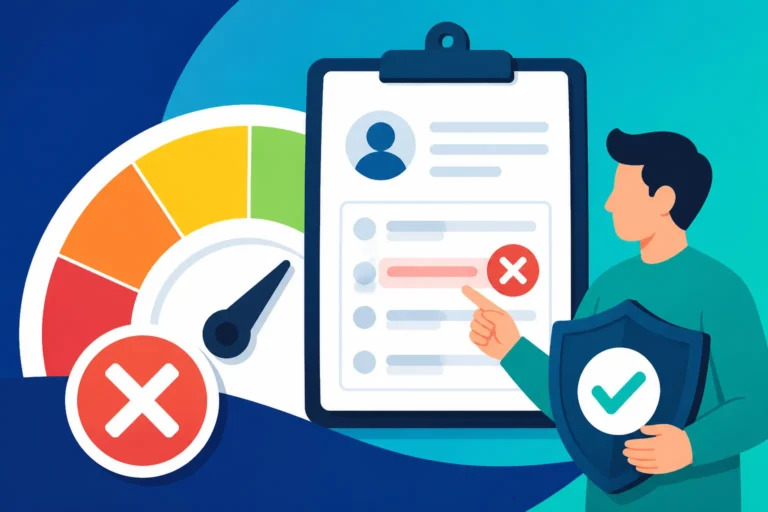
Discovering an error on your credit report can feel like finding a rogue stain on your favorite shirt—annoying, frustrating, and potentially damaging if not addressed promptly. When that error is lurking on your Equifax credit report, it can subtly undermine your financial standing, making everything from getting a new apartment to securing a car loan more challenging and expensive. This guide is here to walk you through the precise steps to dispute and correct those inaccuracies, helping you reclaim control over your financial narrative.
Understanding Your Equifax Credit Report and Why Errors Matter
Your credit report isn't just a collection of numbers; it's a detailed financial history that lenders, landlords, and even some employers use to assess your reliability. Among the three major credit bureaus, Equifax holds a significant portion of this information. An error on your Equifax report isn't just a minor typo; it's a potential roadblock to your financial goals.
The Impact of Credit Report Errors on Your Life
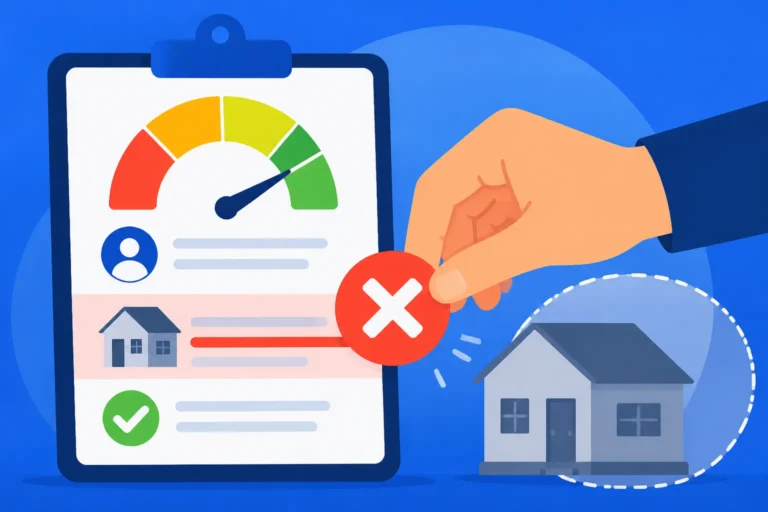
Imagine you're applying for your dream apartment in a competitive market like Phoenix, Arizona, or trying to secure a mortgage to buy your first home in Austin, Texas. A landlord or lender pulls your credit report, and there it is: a late payment you know you never made, an account that isn't yours, or a collection from a medical bill you already settled. Suddenly, your application is flagged, your interest rates are higher, or worse, you're denied outright. This isn't just a hypothetical scenario; it's a harsh reality many people face due to inaccuracies. These errors can drag down your credit score, sometimes by dozens of points, affecting your ability to borrow money, get favorable insurance rates, or even pass background checks for certain jobs. Understanding What Affects Your Credit Score? The 5 Factors really highlights how critical accuracy is.
How to Obtain Your Official Equifax Credit Report
Before you can dispute an error, you need to know what you're looking for. The first step is to get your hands on your official Equifax credit report. You're legally entitled to one free credit report from each of the three major bureaus—Equifax, Experian, and TransUnion—every 12 months. The most reliable place to get these reports is through AnnualCreditReport.com. This is the only authorized website for free credit reports, so be wary of others claiming to offer "free" reports, as they often come with hidden fees or solicitations. When you visit AnnualCreditReport.com, you can choose to pull your Equifax report specifically, or all three if you want a comprehensive view. Taking the time to How to Read Your Credit Report (2026 Guide) will prepare you to spot these often-subtle discrepancies.
Once you have your report in hand, scrutinize every detail. Look for:
- Incorrect personal information: Wrong name, address, or Social Security number.
- Accounts you don't recognize: Could be a sign of identity theft.
- Duplicate accounts: The same account listed more than once.
- Incorrect account statuses: An account marked as open when it's closed, or a paid account showing an outstanding balance.
- Late payments that were paid on time: Even one late payment can significantly ding your score.
- Inaccurate dates: Opening dates, last activity dates, or dates of last payment.
- Incorrect credit limits or balances: These can skew your credit utilization.
Identifying these issues is the first, crucial step toward setting things right.
The Step-by-Step Process for Disputing Errors with Equifax
Once you've pinpointed an error on your Equifax report, it’s time to take action. The good news is that federal law, specifically the Fair Credit Reporting Act (FCRA), gives you the right to dispute inaccurate or unverifiable information on your credit reports. Equifax, like the other bureaus, is obligated to investigate your claim.
Identifying What to Dispute and Gathering Your Evidence
Before you formally file a dispute, be absolutely certain about what you're disputing and why. Vague claims rarely succeed. Is it a late payment from your Bank of America credit card that you paid on time? Is it a collection from a medical provider like Concentra or Quest Diagnostics that you already settled? Is it a completely unknown account from a lender you've never heard of, perhaps based in another state entirely? Be specific.
Once you’ve identified the error, gather any supporting documentation you have. This is where your proof comes into play. For instance:
- Proof of payment: Bank statements, canceled checks, payment confirmations, or receipts if disputing a late payment or an unpaid collection.
- Identity theft report: If an account is fraudulent, file an identity theft report with the Federal Trade Commission (FTC) at IdentityTheft.gov and attach it.
- Account statements: Statements showing correct balances or account statuses.
- Correspondence: Letters from creditors acknowledging disputes or settlements.
- Copies of your credit report: Highlight the specific errors.
The more evidence you provide, the stronger your case will be. Remember, the burden of proof is ultimately on the data furnisher (the company that reported the information) to verify the item, but your evidence can significantly expedite the process.
Initiating Your Dispute Online, by Mail, or by Phone
Equifax offers a few ways to dispute errors, each with its own advantages. Choose the method that best suits your comfort level and the complexity of your dispute. You can find a more general overview of options in How to Dispute Credit Report Errors (Step-by-Step).
Online Dispute
This is often the quickest and most convenient method for many.
- How it works: Visit the Equifax dispute page (typically accessible through their main website, Equifax.com, by navigating to their "Dispute a Report Item" section). You'll usually need to create an account or log in. Once you're in, you can select the specific item you wish to dispute from your online credit report and provide a brief explanation. You'll also have the option to upload supporting documents directly.
- Pros: Fast submission, easy to track the status of your dispute online, and you can quickly upload digital copies of your evidence. You'll often receive email updates on the progress.
- Cons: Some people prefer the formality of a paper trail, and sometimes the online portal might have character limits for explanations.
Dispute by Mail
For those who prefer a traditional paper trail, mailing your dispute is a solid option.
- How it works: You'll need to write a dispute letter. Include your full name, current address, previous addresses (if applicable), date of birth, Social Security number, and clearly state what information you are disputing, explaining why you believe it is inaccurate. Reference the specific account number and creditor. Enclose copies (never originals) of your supporting documentation.
- Where to send it: The primary mailing address for Equifax disputes is:
Equifax Information Services LLC
P.O. Box 740256
Atlanta, GA 30374 - Pros: Creates a physical paper trail, which can be useful for your records. It might feel more formal and thorough, especially for complex cases.
- Cons: Slower process due to mailing times. You won't get instant updates and will have to wait for mail responses. Make sure to send it via certified mail with a return receipt requested so you have proof of delivery.
Dispute by Phone
While less common for initial disputes, you can also start a dispute over the phone.
- How it works: Call Equifax's customer service number. The general line is 1-800-864-2978, but look for a specific dispute line if available on their website. Be prepared to provide your personal information for verification and clearly explain the error to the representative.
- Pros: Immediate human interaction, allowing you to ask questions directly.
- Cons: No written record unless you follow up with a letter. It can be harder to convey complex details or submit documentation this way. It's generally recommended to follow up any phone dispute with a written letter and documentation.
Crafting a Clear and Concise Dispute Letter
If you choose to dispute by mail, or even if you want to supplement an online or phone dispute with a formal letter, precision is key. A well-written letter can make all the difference. Your letter should be:
- Professional: Maintain a respectful and factual tone.
- Clear and concise: Get straight to the point.
- Comprehensive: Include all necessary identifying information and details about the error.
Here’s what your letter should include:
- Your Personal Information: Full name, current address, previous addresses, date of birth, and Social Security number.
- Date: The date you are writing the letter.
- Bureau Information: Equifax's name and address.
- Statement of Dispute: Clearly state that you are disputing information on your credit report.
- Specific Account Details: Identify the exact account number and the creditor associated with the error.
- Reason for Dispute: Explain why the information is inaccurate. For example, "Account #12345 reported by XYZ Lender shows a 60-day late payment in March 2023. This is inaccurate, as my bank statements (enclosed) show payment was made on March 15, 2023, well before the due date."
- Requested Action: Clearly state what you want Equifax to do (e.g., "Please remove this inaccurate late payment from my report" or "Please delete this account as it is not mine").
- Enclosures: List all the documents you are attaching as evidence.
- Your Signature: Sign the letter.
You can find a great resource with a template in How to Write a Credit Dispute Letter (Template) which can save you a lot of time and ensure you don't miss any critical details.
What Happens After You File Your Equifax Dispute
Once you’ve submitted your dispute, the ball is officially in Equifax's court. But your work isn't entirely done; it’s important to understand the process that unfolds next and how to respond to various outcomes.
The Investigation Process and Timelines
Under the FCRA, Equifax generally has 30 days to investigate your dispute after receiving it. This period can extend to 45 days if you submitted additional information after the initial dispute, or if the initial dispute was made within 5 days of receiving your credit report. During this time:
- Equifax contacts the data furnisher: They forward your dispute and supporting documentation to the company that provided the information (e.g., your bank, a collection agency like Midland Funding, or a medical provider).
- Data furnisher investigates: The furnisher must review their records and either verify the information, modify it, or delete it if they cannot prove its accuracy.
- Equifax reports back to you: After the investigation, Equifax will inform you of the results in writing. If an item was changed or removed, you'll receive an updated credit report.
It’s a waiting game, but one where knowing the expected timeline can ease some anxiety. If you're curious about the general process, reading What Happens After You File a Credit Dispute? provides excellent context beyond just Equifax.
Understanding the Potential Outcomes of Your Dispute
There are generally three possible outcomes for your dispute:
- The information is corrected or deleted: This is the best-case scenario! If the data furnisher confirms the error or cannot verify the information, Equifax will update your report accordingly. This could mean removing a late payment, correcting a balance, or deleting an account entirely. You should then receive a free updated credit report showing the change.
- The information is verified as accurate: If the data furnisher reviews their records and provides evidence that the information is indeed correct, Equifax will inform you that the item will remain on your report. This means they believe the original reporting was accurate.
- The data furnisher doesn't respond: If the data furnisher fails to respond to Equifax's investigation request within the specified timeframe, the disputed item must be removed from your credit report.
What to Do If Your Dispute is Denied or Unresolved
Sometimes, despite your best efforts and clear evidence, Equifax or the data furnisher might conclude that the information is accurate, even when you know it's not. This can be incredibly frustrating, but don't give up hope!
- Review the reason for denial: Equifax must provide you with the results of their investigation and, if the item was verified, they typically include contact information for the data furnisher. Understand why they denied it.
- Escalate with the data furnisher: You can directly contact the original creditor or collection agency and provide your evidence. Sometimes, a direct conversation with their compliance department can resolve the issue, especially if you have compelling proof. For instance, if it's a collection, you might consider options like those described in How to Negotiate With Debt Collectors.
- Add a consumer statement to your report: If Equifax maintains the information is accurate but you still disagree, you have the right to add a brief statement (usually 100 words or less) to your credit file. This statement will appear on your credit report whenever someone pulls it, explaining your side of the story. While it doesn't remove the item, it provides context for future lenders.
- File a complaint with the CFPB: The Consumer Financial Protection Bureau (CFPB) is a government agency that oversees consumer financial products and services. If you believe Equifax or the data furnisher violated your rights under the FCRA or conducted a shoddy investigation, you can file a complaint with the CFPB. They act as a mediator and can often prompt further investigation.
- Consider legal action: In rare cases, if you have exhausted all other avenues and have strong evidence of inaccuracies that are harming you, you might consult with an attorney specializing in consumer law.
Remember, persistence is key when dealing with credit report errors.
Proactive Steps to Protect Your Credit Score from Future Errors
Disputing an error is a reactive step, but true credit health involves proactive measures. Preventing errors and catching them early is just as important as fixing them.
Regularly Monitoring Your Equifax Credit Report
The best defense against credit report errors is consistent vigilance. Don't just wait until you're about to apply for a major loan to check your credit report. Make it a habit to check your Equifax report, along with your Experian and TransUnion reports, regularly.
- Stagger your free reports: Since you can get one free report from each bureau every 12 months via AnnualCreditReport.com, consider pulling one every four months. For example, pull Equifax in January, Experian in May, and TransUnion in September. This way, you're reviewing one of your reports every third of the year, essentially getting free year-round monitoring.
- Utilize free credit monitoring services: Many credit card companies, banks, and third-party services offer free credit score and report monitoring. While these might not provide the full detailed report, they can alert you to significant changes, new accounts, or hard inquiries that could indicate an error or fraud. Be aware that the scores provided by these services (like VantageScore) might differ from the FICO scores lenders typically use, as explained in FICO Score vs VantageScore: What's the Difference?.
- Set up alerts: Many credit bureaus and financial institutions offer alert services that notify you if there's a new account opened in your name, a large purchase, or an address change. This can be an early warning system for identity theft.
Building and Maintaining a Strong Credit Profile
While you're cleaning up errors, also focus on building a robust credit profile that can weather minor bumps. A strong credit history acts as a buffer against isolated negative items and can make your report less susceptible to damage from minor inaccuracies.
- Pay bills on time, every time: Payment history is the biggest factor in your credit score. Even one late payment can cause a significant drop.
- Keep credit utilization low: Try to use no more than 30% (and ideally under 10%) of your available credit limit on revolving accounts like credit cards. This is a crucial aspect of Credit Utilization: The Complete Guide.
- Diversify your credit mix: Having a healthy mix of credit types (e.g., credit cards, installment loans) can positively impact your score over time.
- Build new credit responsibly: If you have a thin credit file or are recovering from past issues, consider options like a secured credit card or a credit builder loan. Companies like Credit Strong offer credit builder loans designed to help you establish a positive payment history without needing a large upfront deposit. They report your payments to all three major credit bureaus, including Equifax, which can gradually improve your score. Consistently making payments on a Credit Strong account, for example, contributes positively to your payment history, the most impactful factor in your score.
- Be patient: Credit repair and building a strong score take time. There are no instant fixes, but consistent positive habits will pay off. If you're wondering How Long Does Credit Repair Take?, it's often a marathon, not a sprint.
Here's a quick comparison of the main dispute methods:
| Dispute Method | Pros | Cons | Documentation | Tracking |
|---|---|---|---|---|
| Online | Fastest, convenient, immediate confirmation | May have character limits for explanations, less formal paper trail | Digital uploads | Online portal, email updates |
| Formal paper trail, good for complex disputes | Slower processing, requires postal delivery time | Physical copies (send copies, not originals) | Certified mail receipt, your own records | |
| Phone | Immediate human interaction, direct questions | No inherent written record, difficult for document submission | Verbal communication, often requires follow-up mail | None directly, rely on representative's notes or your own |
By staying informed, being diligent, and taking proactive steps, you can safeguard your Equifax credit report and ensure it accurately reflects your financial responsibility.
Disclaimer
Please note that this article provides general information and guidance regarding disputing errors on your Equifax credit report. Credit laws and reporting practices can be complex and may change. It is always advisable to consult with a qualified financial advisor or legal professional for personalized advice tailored to your specific situation. We are not financial or legal experts, and this content should not be considered as such.