Is 710 a Good Credit Score?
Navigating the world of credit scores can feel like trying to read a secret code. You check your score, see a number like 710, and immediately wonder: is this good? Is it good enough for what I want to achieve financially? This guide is here to demystify what a 710 credit score truly means, what doors it can open for you, and how you can continue to build on this solid foundation.
Understanding Where a 710 Credit Score Stands
When you see a credit score of 710, it's natural to feel a mix of relief and curiosity. Many people associate "good" with being at the top, but the reality of credit scores is a bit more nuanced. A 710 is, without a doubt, a strong score that puts you in a favorable position, often falling into what lenders consider the "Good" to "Very Good" category.
The FICO and VantageScore Scales
Credit scoring models, primarily FICO and VantageScore, use slightly different ranges, but generally, a 710 performs well across both. FICO Scores, which are used by about 90% of top lenders, typically range from 300 to 850. VantageScore, a newer model, also spans 300 to 850. While the exact thresholds can vary, a 710 is consistently viewed as a solid, dependable score that indicates responsible credit behavior.
Here’s a quick breakdown of how common scoring models categorize scores:
| Score Range | FICO Category | VantageScore Category | Implications for Borrowers |
|---|---|---|---|
| 300-579 | Poor | Very Poor | Difficult to get approved, high interest rates if approved. |
| 580-669 | Fair | Fair | Possible approvals, higher interest rates, limited options. |
| 670-739 | Good | Good | Most lenders consider you a reliable borrower, good rates. |
| 740-799 | Very Good | Very Good | Excellent rates, best loan terms, premium credit card offers. |
| 800-850 | Exceptional | Excellent | Top-tier borrower, unparalleled access to credit products. |
As you can see, your 710 falls comfortably into that "Good" range, even touching on "Very Good." This means lenders generally see you as a low-risk borrower, making you eligible for better interest rates and more attractive credit products than someone with a fair or poor score. It's a testament to your consistent efforts in managing your finances. If you're curious about the general mechanics, our guide on How Credit Scores Work: The Complete Guide offers a deep dive.
What Makes Up Your 710 Score
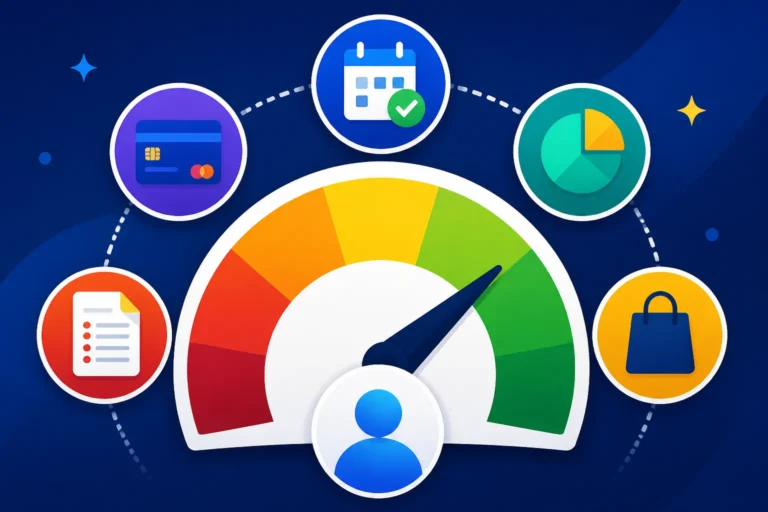
Understanding the factors that contribute to your 710 score can help you appreciate its strength and identify areas for potential improvement. The main components are payment history, credit utilization, length of credit history, credit mix, and new credit. Your 710 indicates you've likely done a great job with on-time payments and managing your credit card balances.
For instance, a stellar payment history (35% of your FICO score) is crucial. If you’ve been consistently paying your bills on time, that’s a massive plus. Credit utilization (30% of your FICO score), which is how much of your available credit you’re using, is also a big player. Keeping this ratio low, ideally below 30%, is key. Your 710 suggests you've been quite diligent in these areas, which is fantastic! For a full breakdown, check out What Affects Your Credit Score? The 5 Factors.
What a 710 Credit Score Can Get You
Having a 710 credit score means you've built a solid financial reputation. This score opens up a lot of doors that might be closed to individuals with lower scores, primarily by qualifying you for more competitive interest rates and better terms on various financial products. You're past the days of needing to prove yourself at every turn; lenders are generally eager to work with someone like you.
Access to Favorable Loan Terms
When it comes to borrowing money for big purchases, a 710 score can make a significant difference.
Mortgages
A 710 credit score often qualifies you for conventional mortgages with reasonable interest rates. While lenders might offer the absolute best rates to scores in the 760+ range, a 710 will still put you in a very strong position. You’ll typically see more favorable terms than someone with a score in the 600s, potentially saving you tens of thousands of dollars over the life of a 30-year mortgage. For example, if you're looking to buy a home in a competitive market like Sacramento, California, a 710 score means you're a serious contender for good rates from local lenders like Golden 1 Credit Union or SchoolsFirst Federal Credit Union, making your dream of homeownership more affordable. If you’re curious about specific requirements, our article on What Credit Score Do You Need to Buy a House? can provide more detailed insights.
Auto Loans
Securing an auto loan with a 710 score is usually straightforward, and you'll likely receive some of the most competitive interest rates available. This means lower monthly payments and less money paid in interest over the life of the loan. Imagine walking into a dealership, like a Lithia Motors in Boise, Idaho, knowing you're pre-approved for an excellent rate, giving you stronger negotiation power on the vehicle itself. The difference between a good rate and a fair rate can be substantial, often saving you hundreds, if not thousands, of dollars. Explore more about this in What Credit Score Do You Need for a Car Loan?.
Personal Loans
Personal loans for debt consolidation, home improvements, or unexpected expenses are also easily accessible with a 710. Lenders view you as a reliable borrower, leading to lower APRs and more flexible repayment terms. This can be incredibly helpful if you're looking to, for instance, consolidate some higher-interest credit card debt into a single, more manageable payment without incurring excessive interest charges.
A Wider Array of Credit Cards
Forget the days of struggling to get approved for basic credit cards. With a 710, you'll find yourself eligible for a plethora of premium credit cards. These cards often come with enticing perks like:
- Cash back rewards: Earn a percentage back on every purchase.
- Travel rewards: Accumulate points or miles for free flights and hotel stays.
- Sign-up bonuses: Receive a large bonus after meeting initial spending requirements.
- 0% APR introductory offers: Pay no interest on purchases or balance transfers for a limited period.
You’ll have a great chance at being approved for cards from major issuers like Chase, Capital One, or American Express that offer these benefits. Choosing the right card that aligns with your spending habits can essentially turn your everyday purchases into savings or rewards, adding extra value to your already good credit. This means you can be strategic with your finances, not just trying to keep your head above water.
Improving Your 710 Credit Score Even Further
While a 710 is a fantastic credit score, there's always room to grow! Pushing your score higher can unlock even more elite financial opportunities, like the absolute lowest interest rates on mortgages, higher credit limits, and exclusive credit card perks. Think of it as refining an already good thing – making it even better.
Continue Consistent On-Time Payments
This is the bedrock of good credit, and it remains the single most important factor. If you've reached 710, you're likely already great at this. Keep it up! Even one late payment can cause a significant drop, so never get complacent.
- Set up autopay: Most banks and credit card companies offer automatic payments. This is a foolproof way to ensure you never miss a due date. Even if you only set it to pay the minimum, it protects your payment history, and you can always manually pay more.
- Use payment reminders: If autopay isn't for you, set calendar reminders or alerts on your phone a few days before each due date.
Remember, consistent on-time payments are the biggest component of your credit score, making up 35% of your FICO score. It's truly the most impactful thing you can do to keep your score healthy and growing.
Optimize Your Credit Utilization
Credit utilization is the amount of credit you're using compared to your total available credit. Your 710 score suggests you're doing well here, but aiming for even lower can provide a boost. Generally, keeping your overall credit utilization below 30% is advised, but the really good scores often have utilization closer to 10% or even lower.
- Pay down balances strategically: If you have multiple credit cards, focus on paying down the ones with the highest utilization first. Even if you pay off one card completely while carrying a small balance on another, it can show a positive trend. Our guide on Credit Utilization: The Complete Guide delves deeper into this.
- Make multiple payments a month: Instead of waiting for your statement date, try to pay down your balance throughout the month. This can lower the reported balance to the credit bureaus, even if you make new purchases later.
- Consider a credit limit increase: If your spending habits are stable and you trust yourself not to overspend, requesting a credit limit increase can instantly lower your utilization ratio (assuming your balance stays the same). Just be aware that this can sometimes involve a hard inquiry, which might temporarily ding your score.
Maintain a Long Credit History
The length of your credit history (how long your accounts have been open) plays a role in your score. A longer history generally signals more experience and stability to lenders.
- Don't close old accounts: Even if you don't use an old credit card much, keeping it open can boost your average age of accounts and contribute positively to your score, especially if it has a high credit limit and a zero balance. Closing it could actually hurt your utilization ratio and average age.
- Be patient: This factor is largely a matter of time. The longer you responsibly manage credit, the better your score will become in this category.
If you're looking for more ways to build a strong foundation, especially when you're starting out, articles like How to Build Credit From Scratch (2026 Guide) can offer valuable insights.
Diversify Your Credit Mix
Having a healthy mix of different types of credit (e.g., credit cards, auto loans, mortgages, personal loans) can positively impact your score. It shows you can responsibly handle various forms of debt.
- Consider a secured loan or credit builder account: If you primarily have credit cards, adding an installment loan can help. Products like those offered by Credit Strong provide a structured way to build a credit mix. With a credit builder loan from Credit Strong, you make fixed payments over time, which are reported to the credit bureaus. This adds positive payment history and diversity to your credit file, all while helping you save money. It's a smart move for someone looking to round out their credit profile.
- Evaluate your needs before applying: Don't take on debt you don't need just to diversify. Only apply for loans or cards that genuinely serve a financial purpose for you.
Be Mindful of New Credit
Opening too many new credit accounts in a short period can be a red flag for lenders and can cause temporary dips in your score due to hard inquiries.
- Space out applications: If you're looking to open new accounts, try to space out your applications over several months.
- Understand hard vs. soft inquiries: Remember that checking your own credit score, or pre-qualifying for a loan, usually results in a soft inquiry which doesn't affect your score. Only hard inquiries, typically from actual applications for new credit, have an impact. If you're wondering how to check your credit score for free, there are many legitimate options available.
Following these steps can help you inch your score from a great 710 into the elite "Very Good" and "Exceptional" ranges, opening up even more financial freedom and opportunities.
Maintaining a Strong Credit Score for the Long Haul
Achieving a 710 credit score is a significant accomplishment, but the journey doesn't end there. Maintaining and continuously nurturing your credit score is crucial for long-term financial health. It's about building habits that serve you well, year after year, and always staying informed.
Regularly Monitor Your Credit Report
Even with a great score, errors can happen, or worse, you could be a victim of identity theft. Regularly checking your credit reports for inaccuracies is a vital habit. The Fair Credit Reporting Act (FCRA) entitles you to a free credit report from each of the three major bureaus (Equifax, Experian, and TransUnion) once every 12 months via AnnualCreditReport.com.
- Review all accounts: Make sure all accounts listed are yours and that payment statuses are accurate.
- Check personal information: Confirm your name, address, and employers are correct.
- Dispute any errors promptly: If you find anything suspicious or incorrect, dispute it immediately. Our guide on How to Dispute Credit Report Errors (Step-by-Step) can walk you through the process, and you might also find specific guidance in How to Dispute With Equifax, Experian, and TransUnion. Removing negative items from your credit report, even if they're old, can provide another boost.
Avoid Common Pitfalls
Even with a good score, certain actions can quickly send it spiraling downwards. Staying aware of these pitfalls is just as important as knowing what to do right.
- Late payments: As mentioned, even one missed payment can have a significant negative impact. Avoid it at all costs.
- Maxing out credit cards: Using too much of your available credit, even if you pay it off, can temporarily hurt your score because of high utilization.
- Closing old accounts: While it might seem counterintuitive, closing an old, paid-off credit card can shorten your credit history and decrease your overall available credit, thus increasing your utilization ratio on remaining cards.
- Unnecessary credit applications: Only apply for credit when you genuinely need it. Multiple hard inquiries in a short period can signal risk to lenders.
Sometimes, despite your best efforts, negative items can appear. Our article on How to Remove Collections From Your Credit Report or How to Remove Late Payments From Your Credit Report can be helpful resources if you encounter such issues.
Understand the Benefits of Long-Term Credit Building
Your 710 score is not just a number; it's a reflection of your financial responsibility. Over time, maintaining a good score means access to:
- Better insurance rates: Auto and home insurers often use credit-based insurance scores, which are highly correlated with traditional credit scores. A higher score can mean lower premiums.
- Easier approval for rentals and utilities: Landlords and utility companies frequently check credit to assess reliability. A 710 makes these processes smoother.
- More financial flexibility and peace of mind: Knowing you have strong credit means you're prepared for unexpected expenses or major life purchases, without the stress of worrying about approval or exorbitant interest rates.
Tools like a Credit Strong credit builder account are fantastic for maintaining positive payment history over the long term. Even if you have a 710, these structured products can help solidify your payment behavior and continue diversifying your credit mix. It’s about building a consistent, positive pattern that lenders love to see.
By staying proactive, monitoring your reports, and consciously avoiding common missteps, you can ensure your 710 credit score continues to serve as a powerful asset for your financial future. It's an ongoing commitment, but one that truly pays dividends.
Disclaimer
Please note that this content is intended for informational purposes only and does not constitute financial or legal advice. Credit scores and financial products are complex, and individual situations vary. Always consult with a qualified financial advisor or credit counselor for personalized advice.