What Can You Get With a 500 Credit Score? (Buy a Car)
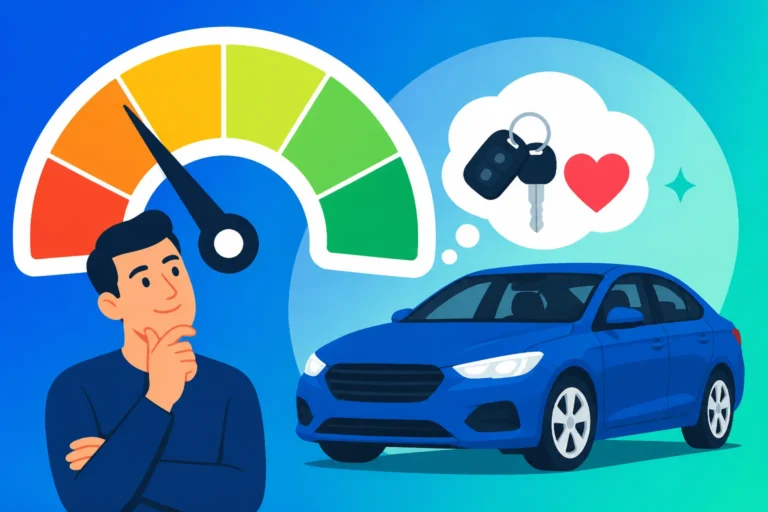
It's tough, I know. You've got your eye on a car, you need reliable transportation for work or family, and then you check your credit score and see that disheartening 500. It feels like a punch to the gut, like the doors to basic necessities are suddenly slammed shut. This guide is here to walk you through the realistic possibilities of buying a car with a 500 credit score, what challenges you'll face, and how you can navigate the process to get the best outcome possible.
Understanding Your 500 Credit Score and Auto Loans
A 500 credit score falls squarely into the "poor" category, which lenders view as a significant risk. When you're looking for an auto loan with a score this low, you're essentially telling lenders that, at some point, there have been difficulties in managing credit responsibly. This isn't to shame anyone; life happens, and financial setbacks are incredibly common. But from a lender's perspective, it signals potential issues with timely payments, which makes them hesitant to offer favorable terms.
Why Lenders See a 500 Score as High Risk
Lenders use your credit score as a snapshot of your financial reliability. A score of 500 typically indicates a history of late payments, collections, charge-offs, or even a bankruptcy. These marks on your credit report suggest a higher likelihood that you might default on a new loan. Because of this perceived risk, banks and credit unions become very cautious. They might not be willing to lend to you at all, or if they do, they'll demand much higher interest rates to offset the risk they're taking. It's their way of protecting themselves, but it certainly doesn't make things easy for you. Understanding How Credit Scores Work: The Complete Guide can shed more light on the factors that led to this score.
The Impact on Interest Rates and Loan Terms
This is where the rubber meets the road. With a 500 credit score, you're not going to qualify for the low, single-digit APRs advertised by major dealerships or banks. Instead, you'll be looking at subprime loans, which come with significantly higher interest rates. We're talking rates that can be in the double digits, sometimes even 20% or higher. What does this mean for your wallet? It means you'll pay substantially more over the life of the loan for the same car compared to someone with good or excellent credit. Your monthly payments will be higher, and a larger portion of each payment will go towards interest rather than the principal. This can feel like a trap, where you're just trying to get by, but the system makes it even more expensive to do so.
Navigating the Auto Loan Landscape with a Low Credit Score
The good news is that buying a car with a 500 credit score isn't impossible, but it requires a different approach. You won't be waltzing into just any dealership and getting approved for a brand-new sedan with zero money down. You'll need to be strategic, prepared, and realistic about your options.
Exploring Subprime Lenders and Dealership Financing
Your primary avenue for an auto loan with a 500 credit score will likely be through subprime lenders or specific dealership financing departments that specialize in working with borrowers with challenging credit histories. These lenders are designed to take on higher risk, but they charge for it.
- Subprime Lenders: These are financial institutions that specifically cater to individuals with low credit scores. They have different underwriting criteria than traditional banks and are more willing to approve loans for those in the "poor" credit range. However, their rates will be higher, and terms might be less flexible. You might find some online lenders or local credit unions with subprime divisions that can help.
- Buy-Here, Pay-Here Dealerships: These dealerships finance their own loans directly. They often don't rely heavily on your credit score but rather on your income and ability to make payments. While they can be a last resort, they typically come with the highest interest rates and may not report payments to credit bureaus, which means it won't help you build your credit. Also, the vehicle selection might be limited, and the cars might be older or have higher mileage. It's a quick fix, but rarely a good long-term solution.
- Traditional Dealerships with Subprime Departments: Some larger dealerships have relationships with multiple lenders, including subprime ones. They might be able to find you a loan, but be prepared for intense negotiations on both the car price and the loan terms.
The Reality of Car Selection and Down Payments
With a 500 score, your car choices will be more restricted. Lenders are less likely to finance a brand-new, expensive vehicle, as it represents a greater risk. You'll probably be looking at older, more affordable used cars. The goal here is reliable transportation, not a luxury vehicle. Think practical, fuel-efficient, and within a price range that keeps your payments manageable, even with high interest.
A significant down payment becomes your most powerful tool. The more money you put down upfront, the less you need to borrow. This reduces the lender's risk and can potentially lead to a slightly better interest rate. Aim for at least 10-20% of the car's purchase price, if possible. If you have a trade-in, that can also act as part of your down payment. Showing a willingness to invest your own money makes you a more attractive borrower.
Let's look at a hypothetical scenario to illustrate the impact of a low credit score on a car loan:
| Credit Score Range | Example APR | Monthly Payment (for $15,000, 60-month loan) | Total Interest Paid |
|---|---|---|---|
| Excellent (780+) | 4.5% | $280 | $1,800 |
| Good (670-739) | 6.5% | $294 | $2,640 |
| Fair (580-669) | 10.0% | $319 | $4,140 |
| Poor (500-579) | 18.0% | $380 | $7,800 |
| Very Poor (300-499) | 25.0% | $440 | $11,400 |
Note: These are illustrative rates and payments. Actual rates can vary widely based on lender, vehicle, loan term, and market conditions.
As you can see, with a 500 score (in the "Poor" category), your monthly payment is significantly higher, and the total interest you'll pay over the life of the loan is staggering compared to someone with excellent credit. This is why improving your score, even a little, can save you thousands.
Strategies to Improve Your Chances of Getting Approved
While you might be in a hurry to get a car, taking a few proactive steps can significantly improve your chances of approval and help you secure better loan terms. Remember, even a small bump in your credit score can make a difference. Many people wonder, How long does it take to improve your credit score?, and the answer is that consistent effort over time is key, but some strategies can yield results faster than others.
Getting a Co-signer or Co-borrower
One of the most effective ways to get approved for an auto loan with a low credit score is to apply with a co-signer or co-borrower who has good credit. A co-signer essentially pledges to repay the loan if you can't, reducing the risk for the lender. This can open doors to better interest rates and terms that would otherwise be unavailable to you.
However, this isn't a decision to take lightly. Your co-signer's credit will be affected if you miss payments, and it could strain your relationship. Ensure you are absolutely confident in your ability to make every payment on time. It's a big ask, and you don't want to jeopardize someone else's financial standing.
Improving Your Credit Score Before Applying
If you can hold off on buying a car for a few months, focusing on credit repair and building can pay off immensely. Even raising your score by 50-100 points can move you into a different tier of lending and save you thousands in interest.
Here are some actionable steps:
- Check Your Credit Report: Obtain your free credit reports from Equifax, Experian, and TransUnion. Look for errors or outdated information. Disputing inaccuracies can quickly boost your score. Learn How to Dispute Credit Report Errors (Step-by-Step).
- Pay Down Debt: High credit card balances (known as credit utilization) are a major drag on your score. Focus on paying down your highest-interest credit card debt. Even reducing your utilization by a few percentage points can help. This is directly tied to Credit Utilization: The Complete Guide.
- Make Payments on Time: Payment history is the most critical factor in your credit score. Ensure all your bills, especially credit cards and other loans, are paid on or before their due dates. Even one late payment can cause your score to drop significantly, and understanding How Long Does a Late Payment Stay on Your Credit Report? reveals just how long that impact can linger.
- Consider Credit Builder Products: If you have a thin credit file or a lot of negative marks, credit builder tools can help. Products like secured credit cards or credit builder loans are designed to establish positive payment history. For instance, a credit builder loan from a service like Credit Strong can help you establish a positive payment history over time. You make fixed monthly payments, which are reported to the credit bureaus, and at the end of the term, you get access to the funds you've saved. This is a deliberate way to build a positive credit history, especially if you have a 500 score due to a lack of recent positive reporting. You can learn more about these options in Credit Builder Loans Explained (Self, Kikoff & More) or Secured Credit Cards: How They Build Credit.
Saving for a Larger Down Payment
As mentioned, a larger down payment directly reduces the amount you need to borrow, which lowers the lender's risk. If you can save up an extra $1,000 or $2,000, it might translate into a lower interest rate, or at least make you a more attractive candidate for approval. It also means smaller monthly payments, which is always a good thing.
What to Expect at the Dealership and How to Protect Yourself
Walking into a dealership with a 500 credit score can feel intimidating. Dealers are in the business of selling cars, and they might try to push you into deals that aren't in your best interest. Being prepared and knowing your rights is crucial.
Get Pre-Approved if Possible
Even with a low score, it's worth exploring pre-approval options from credit unions or online subprime lenders before stepping onto a car lot. A pre-approval gives you a benchmark; you'll know the maximum amount you're approved for and the interest rate. This puts you in a stronger negotiating position because you're not solely reliant on the dealership's financing. If a dealership offers you a higher rate, you have leverage. Even if the rate isn't ideal, knowing it upfront empowers you.
Focus on the Total Cost, Not Just Monthly Payments
Dealerships love to talk about low monthly payments. Don't fall into this trap, especially with a low credit score. A low monthly payment can often be achieved by extending the loan term to 72 or even 84 months, meaning you pay interest for much longer, dramatically increasing the total cost of the car. Always ask for the "out-the-door" price and the total amount you'll pay over the life of the loan, including all interest and fees. Crunch the numbers yourself. A longer loan term can also mean you'll owe more on the car than it's worth for a significant period.
Beware of Add-ons and High-Pressure Sales Tactics
With a low credit score, some dealerships might try to push unnecessary add-ons like extended warranties, rustproofing, or paint protection packages, which often have high markups and inflate your loan amount. Politely decline anything you don't explicitly need or want. Remember, you can always purchase these things later if you decide they're truly valuable.
Stay firm. If you feel pressured, walk away. There are other dealerships and other cars. Your financial well-being is more important than a salesperson's commission. You might consider looking at various Credit Score Ranges: Poor to Excellent Explained articles to understand where you stand and what options might open up as your score improves.
The Power of "No" and Walking Away
This is your greatest strength. If the terms are unfavorable, the interest rate is exorbitant, or you feel uncomfortable with the deal, you have every right to say no and leave. Don't let yourself be rushed. It's often better to wait, improve your credit score, and save more for a down payment than to rush into a bad loan that will haunt you for years. Remember, buying a car with a 500 credit score means you're already starting from a disadvantaged position; don't let it become even worse by accepting predatory terms. Take your time, do your research, and be prepared to be patient. Even just building a better credit history with a product like a Credit Strong credit builder loan or a secured credit card can make a world of difference for your next attempt. This is about being smart and strategic, not just desperate.
Moving Forward: Building a Better Financial Future
Getting a car with a 500 credit score is a challenge, but it's also an opportunity to start fresh. Use this experience as a catalyst to actively work on improving your credit health. Even if you get a car loan with less-than-ideal terms, commit to making every payment on time. That consistent positive payment history will be invaluable for future financial endeavors, whether it's refinancing your car loan, applying for a mortgage, or just getting better rates on insurance.
By understanding the factors that affect your credit score, being proactive about improving it, and making informed decisions when financing a vehicle, you can turn a challenging situation into a stepping stone for a stronger financial future.
Disclaimer
The information provided in this article is for general informational purposes only and does not constitute financial or legal advice. Credit scores and lending terms can vary greatly based on individual circumstances, market conditions, and specific lender policies. It is always recommended to consult with a qualified financial advisor or credit counselor before making any significant financial decisions.