What Can You Get With a 660 Credit Score? (Buy a Car)
You've been diligently working on your credit, maybe you've navigated through some tough financial spots, and now you're seeing a 660 credit score. It's a solid middle ground, not "poor," but not quite "excellent," and it often leaves people wondering exactly what kind of purchasing power it holds, especially when it comes to buying a car. It's totally normal to feel a mix of hope and apprehension, unsure if you'll qualify for good rates or face obstacles. This guide is here to walk you through what to realistically expect when seeking a car loan with a 660 credit score, helping you understand your options and how to secure the best deal possible.
Your 660 Credit Score: What It Means for Car Financing
When you're looking at a 660 credit score, you're generally sitting in what's often referred to as the "fair" to "good" range. It's a decent score, but it typically means lenders might still view you with a little more caution than someone with a score in the 700s or 800s. The good news is that a 660 score is usually enough to get approved for an auto loan. The catch? You might not qualify for the absolute lowest interest rates, and your terms could be a bit less favorable than someone with pristine credit.
Understanding the "Fair" to "Good" Credit Threshold
Credit scores are usually grouped into tiers, and a 660 score often falls into the upper end of the "Fair" category or the lower end of "Good," depending on the scoring model (FICO vs. VantageScore) and the specific lender's internal guidelines. For instance, FICO, which is widely used by auto lenders, generally considers scores from 580 to 669 as "Fair" and 670 to 739 as "Good." This means your 660 is right on the cusp, placing you in a position where lenders might be willing to offer a loan, but they're also assessing the risk. You're past the "poor" category, which means you're not likely to be outright denied unless there are other major red flags on your report, but you're also not in the "excellent" tier that commands premium rates.
How Lenders View Your Payment History and Risk
With a 660 score, lenders see a history that likely includes some positive accounts but might also show a few bumps along the road. Perhaps a late payment here, a slightly high credit utilization there, or a relatively short credit history. All these factors contribute to how they assess your risk. They want to know you're reliable, and while a 660 suggests you're mostly reliable, there's a perceived higher chance of default compared to someone with a significantly higher score. This translates directly into the interest rate you'll be offered. A higher perceived risk means a higher interest rate, which is essentially the lender's way of compensating for that added risk. This is why it's so important to really understand How Credit Scores Work: The Complete Guide before you even walk into a dealership or bank.
Navigating Car Loan Options and Interest Rates with a 660 Score
When you're in the 660 credit score range, you're definitely in the game for a car loan, but you'll need to be strategic. The market for auto loans is competitive, with options from banks, credit unions, and dealership financing. Each might approach your score a little differently, so shopping around is key.
Expected APRs for New and Used Cars
The interest rate (APR) you'll receive will depend heavily on whether you're buying a new or used car, the loan term, the economy at the time, and, of course, your credit score. With a 660 credit score, you're likely to fall into what lenders consider the "near prime" or "subprime" category for auto loans, although 660 is certainly on the better end of that spectrum.
For a new car, someone with excellent credit (780+) might see APRs as low as 3-5% in a good economic climate. With your 660 score, you might be looking at APRs in the range of 6.5% to 10.0% for a new car. For used cars, rates are typically higher due to the depreciation and potentially shorter lifespan of the vehicle. So, for a used car, you could see rates anywhere from 8.0% to 14.0%, sometimes even higher depending on the age and mileage of the vehicle. These numbers aren't set in stone, of course, and can fluctuate with market conditions, but they give you a realistic ballpark.
Here's a general table illustrating how credit scores typically correlate with auto loan interest rates. Keep in mind these are averages and actual rates can vary:
| Credit Score Range | FICO Category | Typical New Car APR (Q1 2024, Example) | Typical Used Car APR (Q1 2024, Example) |
|---|---|---|---|
| 781-850 | Excellent | 3.2% – 5.0% | 4.0% – 6.5% |
| 661-780 | Good | 4.5% – 7.5% | 5.5% – 9.0% |
| 601-660 | Fair | 6.5% – 10.0% | 8.0% – 14.0% |
| 500-600 | Poor | 10.0% – 15.0%+ | 14.0% – 20.0%+ |
Note: These are illustrative ranges based on general market trends. Your specific rate will depend on various factors.
Where to Find the Best Rates
It's tempting to just walk into a dealership and let them handle the financing, but with a 660 score, that might not be your best move. Dealerships often have relationships with multiple lenders, but they also have incentives to mark up interest rates. You might get a competitive offer, but it's not guaranteed.
Your best bet is to get pre-approved from a few different places before you even set foot on a car lot. Start with your own bank or credit union. Credit unions, in particular, are often known for offering more favorable rates to their members, even those with "fair" credit, because they are member-owned and not-for-profit. Online lenders are also a great option for getting pre-approved quickly. Services like Capital One Auto Finance or Chase Auto can give you an idea of what you qualify for without multiple hard inquiries hitting your credit report if done within a specific shopping window (usually 14-45 days, depending on the scoring model). Knowing your pre-approved rate gives you negotiating power at the dealership and helps you avoid getting pushed into a higher rate than you deserve. Remember, What Affects Your Credit Score? The 5 Factors are always at play when lenders make decisions.
Boosting Your Chances and Getting Better Terms
While a 660 credit score is respectable, there are definitely steps you can take to make your application even stronger and potentially nudge those interest rates lower. It's about presenting yourself as the most responsible borrower possible.
Making a Substantial Down Payment
This is perhaps one of the most impactful things you can do with a 660 credit score. A larger down payment immediately reduces the amount you need to borrow, which, in turn, reduces the lender's risk. If you can put down 10-20% (or more!) of the car's purchase price, you're telling the lender you're serious and have skin in the game. It also means you'll pay less interest over the life of the loan. For example, if you're looking at a $25,000 car and can put down $5,000, you're only financing $20,000. That's a much more attractive proposition for a lender than financing the full amount, and it could make the difference between a good rate and a not-so-good one.
Considering a Co-Signer
If you have a trusted family member or friend with excellent credit who is willing to co-sign the loan, this can significantly improve your chances of getting approved at a much lower interest rate. A co-signer essentially agrees to be responsible for the debt if you fail to make payments. This reduces the risk for the lender immensely. However, this is a big ask, as it places the co-signer's credit on the line. They need to understand the full implications, including how it could impact their own credit score and financial standing. It's a serious commitment, but it can be a powerful tool for those with "fair" credit looking to secure better terms. You might also want to look into How to Build Credit From Scratch (2026 Guide) so you won't need a co-signer in the future.
Improving Your Credit Score Before Applying
Even a slight bump in your score could move you into a better rate tier. If you're not in a rush, taking a few months to focus on credit improvement can pay off handsomely in the long run.
- Reduce Credit Card Balances: This is often the quickest way to impact your score. High credit utilization (using a large percentage of your available credit) can drag your score down. Paying down balances to keep your utilization under 30% (or even better, under 10%) can give you a boost. Understanding Credit Utilization: The Complete Guide is crucial here.
- Address Any Late Payments: If you have any recent late payments, focus on getting all your current accounts up to date and making future payments on time. Payment history is the biggest factor in your score.
- Dispute Errors: Take the time to get How to Get Your Free Credit Report from all three major bureaus (Equifax, Experian, TransUnion) and check for errors. Incorrect information can unfairly lower your score. If you find any, dispute them immediately. Even a small error can make a difference.
- Build Positive History: Sometimes, a "fair" score simply means you don't have a long, robust credit history. This is where options like a secured credit card or a credit builder loan can come in handy. For example, some people use services like Credit Strong to establish a history of on-time payments, which can be reported to the credit bureaus and gradually improve their scores over time. This kind of focused effort can really make a difference in How Long Does It Take to Improve Your Credit Score?.
Shortening Your Loan Term
While a longer loan term means lower monthly payments, it also means you pay significantly more in interest over the life of the loan. With a 660 score, a shorter term might be offered by lenders at a slightly lower interest rate because it reduces their risk exposure. If you can comfortably afford higher monthly payments, opting for a 36-month or 48-month loan instead of a 60-month or 72-month loan could save you a lot of money and potentially get you a more attractive APR. It also helps you pay off the car faster, building equity sooner.
Beyond the Score: Other Factors Lenders Consider
Your 660 credit score is a significant piece of the puzzle, but it's not the only thing lenders look at when deciding whether to approve you for a car loan and what interest rate to offer. They're trying to get a complete picture of your financial health and ability to repay.
Your Income and Employment History
Lenders want to see that you have a stable source of income that can comfortably cover your monthly car payments, in addition to your other living expenses. They'll usually ask for proof of income, such as pay stubs, W-2s, or tax returns. A consistent employment history (e.g., several years at the same job or in the same industry) makes you a more attractive borrower. On the other hand, if you've recently changed jobs frequently or have an erratic income, lenders might see you as a higher risk, even with a decent credit score. They'll also look at your Debt-to-Income Ratio: What It Is and Why It Matters to ensure you're not overextending yourself.
Debt-to-Income (DTI) Ratio
Your DTI ratio is a critical factor. This is a measure of your monthly debt payments compared to your gross monthly income. Lenders prefer to see a DTI ratio below 43%, and ideally much lower for auto loans (think 36% or less). Even with a 660 credit score, if your DTI is very high, it signals to lenders that you might be stretched too thin financially, making it harder to take on new debt. This is an area where even a good credit score can't completely compensate for a heavy debt load. If your DTI is high, focusing on reducing existing debt before applying for a car loan can significantly strengthen your application.
The Vehicle You Choose
Believe it or not, the type of car you want to buy also influences the lender's decision and the interest rate.
- New vs. Used: As mentioned earlier, new cars typically command lower interest rates than used cars because they hold their value better initially and are seen as less risky collateral.
- Value and Age: A very old car with high mileage might be harder to finance because its resale value is lower, and there's a higher risk of mechanical issues, making it less valuable as collateral. Lenders are more comfortable financing vehicles that retain their value well.
- Loan-to-Value (LTV): This is the ratio of the loan amount to the car's value. If you're trying to finance more than the car is worth (e.g., rolling negative equity from a trade-in into a new loan), lenders will be wary. A lower LTV (meaning you're financing less relative to the car's value) is always more appealing.
By understanding these additional factors, you can prepare a stronger overall application, rather than relying solely on your credit score. Remember, knowing What Credit Score Do You Need for a Car Loan? means understanding all these nuances.
Final Thoughts on Buying a Car with a 660 Credit Score
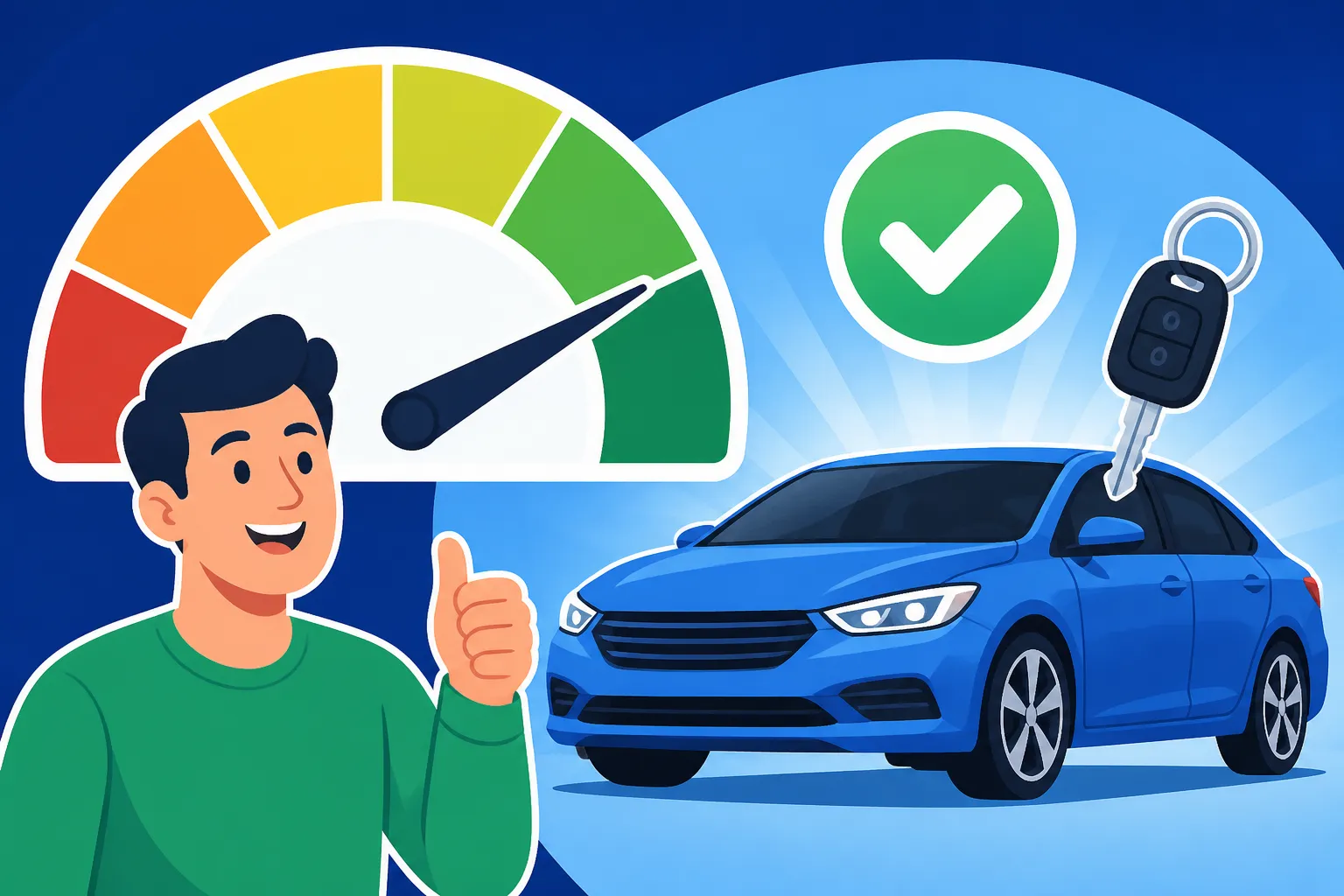
Having a 660 credit score puts you in a good position to get approved for a car loan, but it means you need to be a savvy shopper. You're past the worst of the subprime rates, but not quite in the prime category where you can expect the absolute best deals without any extra effort. The key is preparation: get your credit reports, know your budget, save up for a decent down payment, and secure pre-approvals from multiple lenders before you ever step onto a dealership lot.
Don't be afraid to walk away from a deal that doesn't feel right. The car market is vast, and there are always options. By being informed and proactive, you can navigate the process with confidence and drive away with a car loan that fits your financial situation, setting yourself up for continued credit success. Sometimes, even just a few months of focused effort on your credit, perhaps by consistently paying bills on time or utilizing a credit-building product like Credit Strong, can shift your score enough to unlock better rates.
Disclaimer
This article is for general informational purposes only and does not constitute professional advice. Laws, prices and regulations vary by location and change over time. Consult a qualified professional for guidance on your specific situation.