What Can You Get With a 710 Credit Score? (Buy a Car)
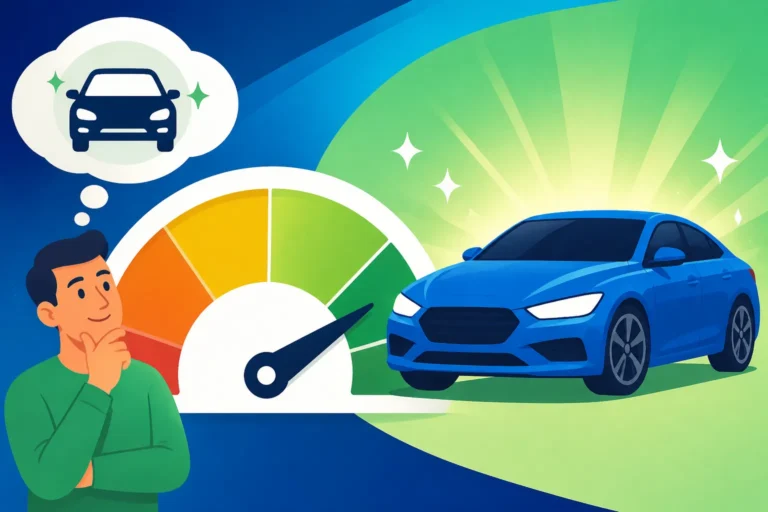
It can be incredibly frustrating to feel like you're in a financial limbo, working hard to improve your credit, but unsure what benefits you've actually unlocked. If you've diligently worked your way up to a 710 credit score, you're likely wondering, "What can I really get with this score, especially when it comes to a big purchase like a car?" This guide will break down exactly what a 710 credit score means for your car buying journey, helping you understand the rates, terms, and overall experience you can expect, so you can walk into a dealership with confidence.
Understanding Your 710 Credit Score in the Auto Loan Landscape
Reaching a 710 credit score is a significant achievement, and it places you in a much stronger position than many consumers. However, when it comes to auto loans, it's important to understand where this score truly stands and how lenders typically view it. This isn't just about a number; it's about what that number communicates about your financial reliability.
Where a 710 Score Stands: Good or Very Good
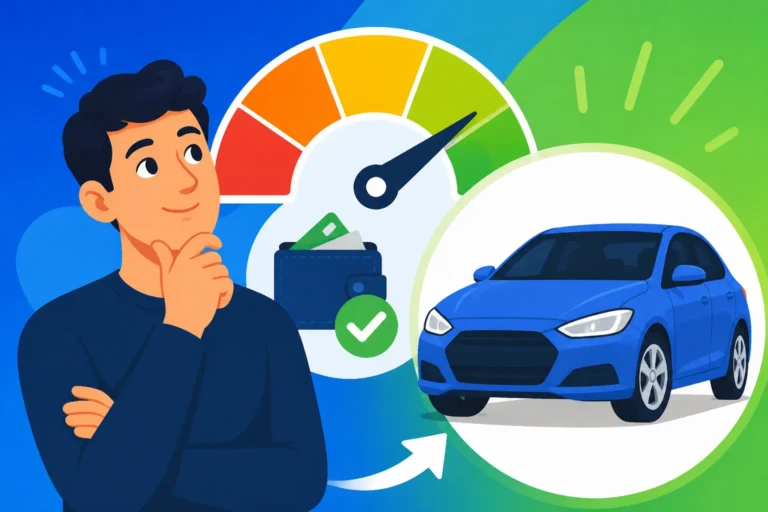
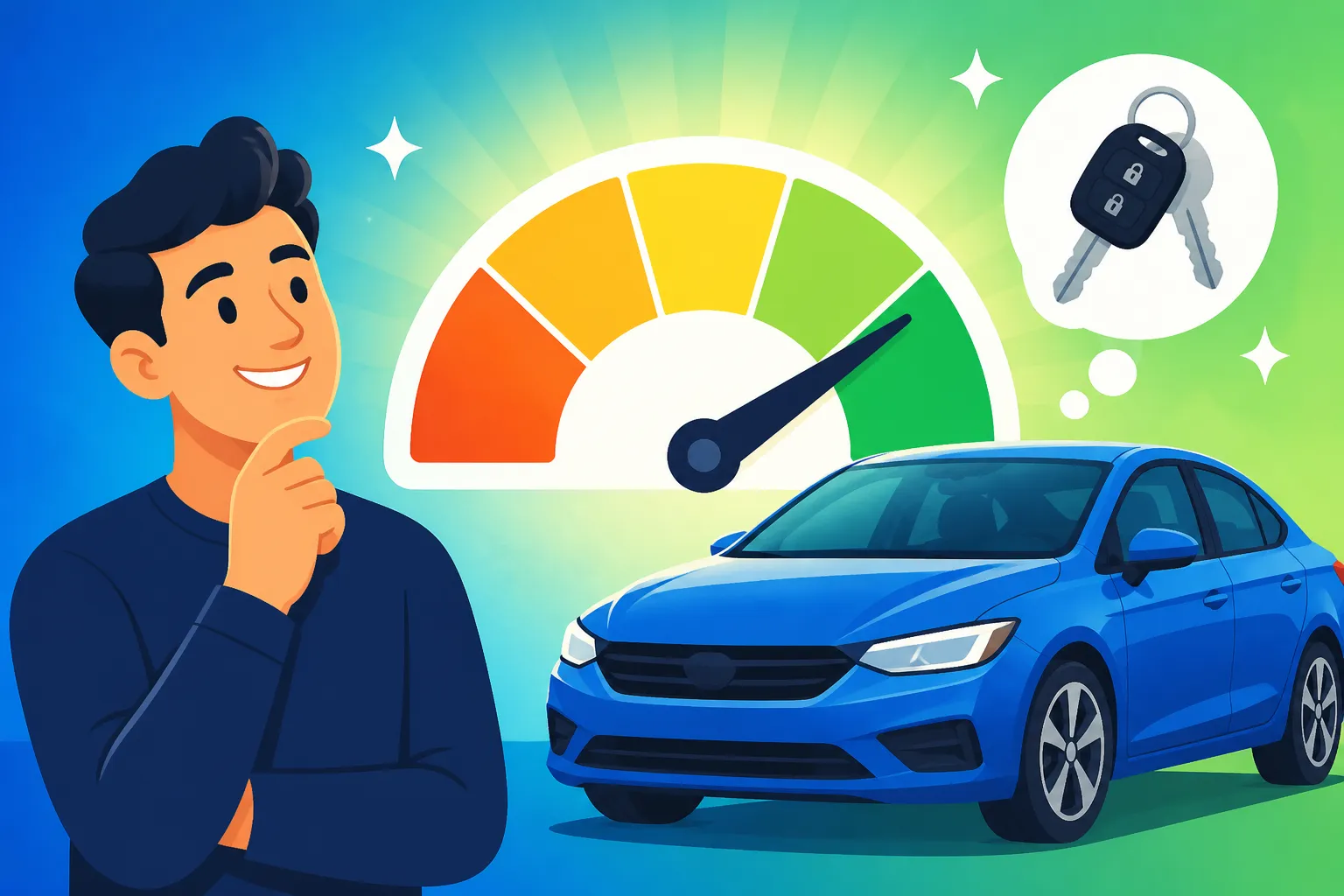
Generally speaking, a 710 FICO score (which is what most auto lenders use) falls firmly into the "Good" category, sometimes even nudging into "Very Good" depending on the specific scoring model used. To put it into perspective, FICO scores typically range from 300 to 850.
- Poor: 300-579
- Fair: 580-669
- Good: 670-739
- Very Good: 740-799
- Exceptional: 800-850
So, with a 710, you're not just scraping by; you're well above average. This means lenders see you as a relatively low-risk borrower, someone who generally manages their debts responsibly. You've likely made consistent on-time payments, kept your credit utilization in check, and have a decent credit history built up. If you're curious about the specifics, delving into articles like "How Credit Scores Work: The Complete Guide" can provide even more context on how this number is calculated and interpreted.
Lender Perspectives: Beyond Just the Number
While your 710 credit score is a huge factor, lenders don't only look at that single number. They consider your entire financial picture to assess the risk of lending to you for a car.
- Debt-to-Income Ratio (DTI): Lenders want to ensure you have enough disposable income to comfortably make your car payments. Your DTI compares your total monthly debt payments to your gross monthly income. Even with a great score, a high DTI could raise a red flag. You can learn more about this crucial metric in our guide, "Debt-to-Income Ratio: What It Is and Why It Matters".
- Payment History: Your 710 score already indicates a strong payment history, but lenders will scrutinize it. They'll look for any recent late payments, collections, or other derogatory marks. The cleaner your payment history, the more confident they'll be. This is a huge part of "What Affects Your Credit Score? The 5 Factors".
- Length of Credit History: A longer history of responsible credit use is always a plus. It gives lenders more data points to evaluate your consistency.
- New vs. Used Car: The type of car you're buying can also influence the loan terms. Lenders often see new cars as less risky due to warranties and predictable value, while older used cars might come with slightly higher rates, even for the same borrower.
Understanding these additional factors is crucial because even with a 710 score, improving these other areas can help you secure even better terms. For instance, if you've been working on your score using a credit builder account like Credit Strong, you've likely also been building a positive payment history, which strengthens your overall profile.
Unlocking Car Loan Benefits with a 710 Credit Score
A 710 credit score genuinely opens doors to better opportunities when financing a car. You're no longer in the subprime category, where lenders view you as a high risk, leading to punitive rates and strict terms. Instead, you're a desirable borrower, and lenders will compete for your business.
Competitive Interest Rates
One of the most immediate and tangible benefits of a 710 credit score is access to competitive interest rates. While you might not get the absolute lowest "advertised" rates (which are often reserved for borrowers with scores in the 760-850 range), you'll be very close.
- Lower Monthly Payments: A reduced interest rate directly translates to lower monthly payments over the life of the loan. This means more money stays in your pocket each month, or you can afford a slightly nicer car without stretching your budget too thin.
- Significant Savings Over Time: Even a difference of one or two percentage points on a large car loan can save you thousands of dollars over a 5-7 year term. For example, on a $30,000 car loan over 60 months, reducing your interest rate from 7% to 5% could save you over $1,600 in total interest paid.
- Reduced Risk of Upside-Down Loan: Lower interest means more of your early payments go towards the principal of the loan, helping you build equity faster and reducing the risk of owing more on the car than it's worth.
To illustrate, consider the average auto loan interest rates. For consumers with "Good" credit (which includes a 710 score), new car loan rates typically range from around 5% to 8%, while used car loan rates might be a bit higher, perhaps 7% to 10%. Compare that to someone with "Fair" credit (580-669), who might see rates between 10% and 15% or even higher. It's a night and day difference. You can see how this all connects in our guide, "What Credit Score Do You Need for a Car Loan?".
Favorable Loan Terms and Down Payments
Beyond just the interest rate, a 710 credit score provides leverage to negotiate more favorable loan terms and potentially reduce your upfront costs.
- Flexibility in Loan Length: Lenders will be more willing to offer you a broader range of loan terms, from shorter 36-month options to longer 72 or even 84-month terms. Shorter terms mean higher monthly payments but less interest paid overall. Longer terms mean lower monthly payments but more total interest. With a 710, you have the flexibility to choose what best fits your budget and financial goals.
- Lower Down Payment Requirements: While putting down a sizable down payment is always a smart move to reduce the amount you finance and decrease your interest paid, a 710 score might allow you to qualify with little to no money down if you choose. Lenders perceive less risk, so they're not as concerned about recouping their investment quickly through a large upfront payment.
- Wider Range of Lenders: Your strong credit makes you attractive to a diverse group of lenders, including traditional banks, credit unions, and online lenders. This competition is great for you because it means you can shop around and compare offers to find the absolute best deal, rather than being limited to subprime lenders.
More Vehicle Options
Perhaps one of the most exciting aspects of a 710 credit score is the freedom it gives you in choosing your desired vehicle.
- Not Limited by Costly Financing: When you have a lower credit score, you're often forced to choose a less expensive car simply because the high interest rates make anything else unaffordable. With a 710, your favorable interest rate reduces the overall cost of borrowing, giving you more budget flexibility for the car itself.
- Access to Newer Models and Features: If you've been dreaming of a specific make or model, or certain safety and tech features, a 710 score brings those dreams closer to reality. You won't be as constrained by the financing costs of a slightly more expensive vehicle.
- Better Resale Value Potential: Often, the vehicles that are more attainable with excellent financing also tend to hold their value better, which is a nice bonus if you plan to trade it in or sell it down the line.
Here's a quick comparison of what different credit scores generally translate to in terms of car loan interest rates (these are averages and can vary widely based on market conditions, lender, and specific borrower profile):
| Credit Score Range | FICO Category | New Car APR Range (Example) | Used Car APR Range (Example) | Common Loan Terms |
|---|---|---|---|---|
| 740-850 | Exceptional/Good | 3.5% – 6.0% | 4.5% – 7.5% | 36-72 months |
| 670-739 | Good | 5.0% – 8.0% | 7.0% – 10.0% | 48-84 months |
| 580-669 | Fair | 10.0% – 15.0% | 12.0% – 18.0% | 60-84+ months |
| 300-579 | Poor | 15.0% – 25.0%+ | 18.0% – 29.0%+ | Limited terms, higher risk |
As you can see, your 710 score places you squarely in the "Good" category, giving you a significant advantage over those in the "Fair" or "Poor" ranges.
Strategies to Maximize Your Car Buying Power with a 710 Score
Having a 710 credit score is a fantastic starting point, but it's just that—a starting point. To truly maximize the benefits and ensure you get the best possible deal on your next car, you need to employ smart strategies. Don't just settle for the first offer you receive!
Shop Around for Lenders Before Visiting the Dealership
This is perhaps the single most important piece of advice for any car buyer, but especially when you have good credit. You are a valuable customer, so make lenders compete for your business.
- Get Pre-Approved: Before you even step foot on a car lot, apply for pre-approvals from a few different sources. Check with your current bank, local credit unions (which often have very competitive rates), and reputable online lenders. Getting pre-approved gives you a concrete offer and a maximum loan amount, so you know exactly what you can afford.
- Understand the "Shopping Around" Impact: Don't worry about multiple credit checks hurting your score. FICO scoring models generally treat multiple inquiries for the same type of loan (like auto loans) within a short period (typically 14-45 days) as a single inquiry. This means you can shop for the best rate without fear of significantly impacting your score.
- Use Your Pre-Approval as Leverage: When you get to the dealership, you'll have an external loan offer in hand. This gives you significant leverage. If the dealership's finance department can't beat or match your pre-approved rate, you can confidently walk away and use your own financing. This prevents them from marking up your interest rate.
Understand the Dealership's Role in Financing
Dealerships are often a convenient one-stop shop for car buying and financing, but it's crucial to understand how their financing process works.
- Dealerships are Middlemen: When you finance through a dealership, they typically act as a middleman, sending your application to various banks and lenders they partner with. They then present you with an offer.
- Potential for Rate Markups: It's common practice for dealerships to receive a commission from lenders for originating a loan. They might also be allowed to "mark up" the interest rate they offer you above the rate the lender actually approved you for. For example, a bank might approve you at 5.5%, but the dealership offers you 7.5%, keeping the 2% difference as profit. This is why having an outside pre-approval is so powerful – it reveals these potential markups.
- Focus on the Out-the-Door Price: Always negotiate the "out-the-door" price of the vehicle first, separate from financing. Once you agree on the price, then discuss financing. Don't let them bundle everything together, as it makes it harder to see where you might be overpaying.
Strengthening Your Application Beyond the Score
While a 710 score is excellent, there are always ways to make your application even more appealing to lenders, potentially securing that top-tier interest rate.
- Solid Down Payment: The more money you put down upfront, the less you need to finance, reducing your monthly payment and the total interest paid. Lenders also see a larger down payment as a sign of your commitment and financial stability.
- Stable Employment and Income: Lenders prefer borrowers with a consistent work history and a steady income. This demonstrates your ability to make regular payments. Be prepared to provide proof of income, such as pay stubs or tax returns.
- Low Debt-to-Income Ratio: As mentioned earlier, a low DTI shows you're not overextended financially. Before applying for a car loan, consider paying down any small outstanding debts, if possible, to lower your DTI.
- Review Your Credit Report: Even with a 710, it's wise to review your credit report from all three major bureaus (Equifax, Experian, TransUnion) before applying for a loan. Look for any inaccuracies or outdated information that could be dragging your score down. Fixing these errors could potentially push your score into the "Very Good" category (740+) and secure even better rates. Our guide, "How to Read Your Credit Report (2026 Guide)", can walk you through the process.
For those who are just starting their credit journey or looking to make improvements to get to a 710 or higher, utilizing tools like a Credit Strong credit builder loan can be a fantastic way to build a positive payment history and improve your credit mix. It’s an effective method for demonstrating responsible financial behavior, which lenders appreciate.
Potential Hurdles and How to Navigate Them
While a 710 credit score puts you in an excellent position, it's important to have realistic expectations and be aware of factors that could still influence your car loan offer. No single number guarantees perfection, and a holistic view of your financial health is always considered.
Not an "Exceptional" Score: Room for the Absolute Best Rates
Let's be clear: a 710 is a really good credit score. You're going to get solid offers, much better than most. However, it's not the absolute peak of the credit score mountain (800-850). The very lowest, "advertised" interest rates, often seen in promotional materials for new cars, are typically reserved for those with "Exceptional" credit, generally defined as 760 or above.
- Setting Realistic Expectations: Don't go into the dealership expecting to qualify for a 2.9% APR if current market rates for someone with a 710 are closer to 6%. Be informed about average rates for your score range.
- Every Point Helps: This isn't to say your 710 isn't powerful, but simply acknowledging that there's always a slight difference at the very top tier. If you're aiming for that 760+ score for future large purchases, continuous credit monitoring and responsible financial habits, perhaps even using a product like Credit Strong to continue diversifying your credit mix, can help you get there. Learning "How to Raise Your Credit Score (Step-by-Step)" can also provide actionable strategies.
Other Application Factors That Influence Your Offer
As discussed earlier, your credit score is a major piece of the puzzle, but it's not the only one. Other aspects of your financial profile and the loan itself can affect the final offer.
- Your Income and Employment Stability: Lenders need assurance that you can consistently make payments. A strong, stable income and consistent employment history will bolster your application, even if your score is already good.
- The Age and Type of Vehicle: Generally, new cars tend to have slightly lower interest rates than used cars. This is because new cars hold predictable value, come with warranties, and are seen as less risky for the lender. Older used cars might carry slightly higher rates due to depreciation and potential maintenance issues.
- Loan Term Length: While you'll have flexibility, choosing a very long loan term (e.g., 84 months) can sometimes result in a slightly higher interest rate from lenders, as they are taking on risk for a longer period. Balancing your monthly payment affordability with the total cost of interest over the loan term is key.
- Your Relationship with the Lender: Sometimes, a long-standing relationship with a bank or credit union (where you have checking accounts, other loans, etc.) can slightly improve your chances of getting a preferential rate, even with a strong score like 710.
By being aware of these potential hurdles and proactively addressing them where possible, you can truly maximize the power of your 710 credit score and drive away with the best possible car loan.
Disclaimer
This article is for general informational purposes only and does not constitute professional advice. Laws, prices and regulations vary by location and change over time. Consult a qualified professional for guidance on your specific situation.