Does Having Zero Balance Help Your Score?
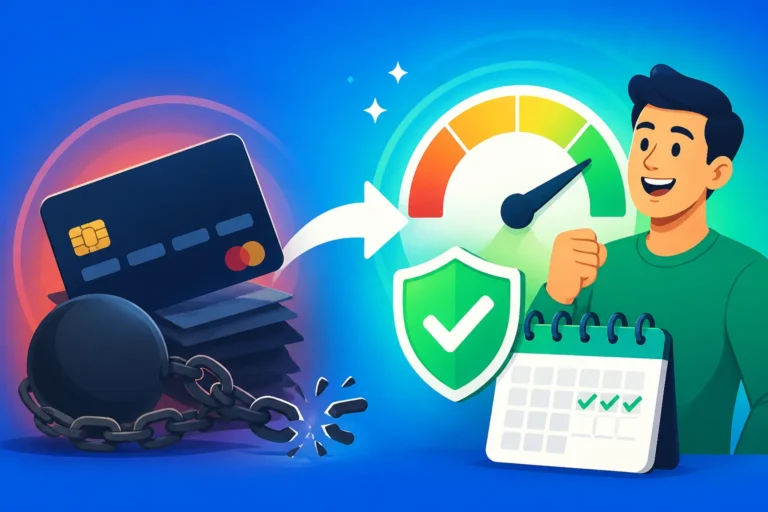
It's a common question that swirls around many people's minds: "If I pay off my credit card in full every month, so it has a zero balance, will that help my credit score?" It feels intuitive, right? No debt, no problem, surely that means a perfect score. But the truth about credit scores and balances is a little more nuanced than simply hitting zero. This guide will dive deep into how your credit card balance truly impacts your score, debunk some myths, and show you how to manage your credit cards for the best possible credit health.
Understanding Credit Utilization Ratio
One of the biggest factors that influences your credit score, right up there with paying your bills on time, is something called your credit utilization ratio. If you've ever felt like your credit score jumps around seemingly without reason, this is often the culprit. It's a key piece of the puzzle, and understanding it is crucial to mastering your credit.
What Exactly Is Credit Utilization?
At its simplest, your credit utilization ratio (CUR) is the amount of credit you're currently using compared to the total amount of credit available to you. Think of it like this: if you have a credit card with a $1,000 limit and your statement shows a balance of $300, your utilization for that card is 30% ($300/$1,000). The credit bureaus, like Equifax, Experian, and TransUnion, look at this ratio not just on individual cards but also across all your revolving credit accounts. So, if you have three cards with a total limit of $10,000 and your combined balance is $2,000, your overall utilization would be 20%.
Many people only focus on the balance on their statement's due date, but what really matters for your credit score is the balance that's reported to the credit bureaus. This usually happens around your statement closing date. So, even if you pay your bill in full by the due date, the balance reported could still be high if you carried a significant balance before the statement closed. For a comprehensive look at this, you might want to read our guide on how credit scores work: The Complete Guide.
Why Credit Utilization Matters So Much
Credit utilization accounts for a significant portion of your FICO score – typically around 30%. This makes it the second most important factor, right after your payment history, which takes up 35%. Why is it so important? Lenders view high utilization as a sign of financial distress or over-reliance on credit, which makes you appear riskier. If you're consistently maxing out your credit cards or running balances close to your limits, it signals to lenders that you might be struggling to manage your finances.
Conversely, keeping your utilization low suggests that you're a responsible borrower who doesn't need to depend heavily on credit, making you a more attractive candidate for new loans or lower interest rates. Unlike some other factors like your payment history, which has a long-lasting impact, your credit utilization is dynamic. It can change quickly month-to-month based on your spending and payment habits, and its impact on your score is almost immediate. This is why you might see your score fluctuate when you make a big purchase or pay down a large balance. Understanding this powerful lever is one of the quickest ways to start improving your score, which you can learn more about in our article on how to raise your credit score (Step-by-Step).
The "Zero Balance" Myth vs. Reality
So, back to our original question: does having a zero balance help your score? The answer, like most things in the credit world, is a bit of a "yes, but…"
The Allure of a Zero Balance
For many, the idea of a "zero balance" on a credit card is the ultimate financial goal. It means you're not paying interest, you're not carrying debt, and you feel financially free. There's a huge psychological benefit to seeing that $0.00 on your statement, and it absolutely reflects sound financial management. From a personal finance perspective, consistently paying off your balance in full to avoid interest is always the smartest move. It saves you money and reduces financial stress, which are huge wins.
It's also a clear indicator that you are managing your debt responsibly, which contributes positively to your overall financial well-being. Avoiding interest charges means more of your hard-earned money stays in your pocket, and that's something we can all get behind. If you're struggling with credit card debt, strategies like those discussed in our article on how to pay off credit card debt fast can be incredibly helpful.
The Impact of a Reporting Zero Balance
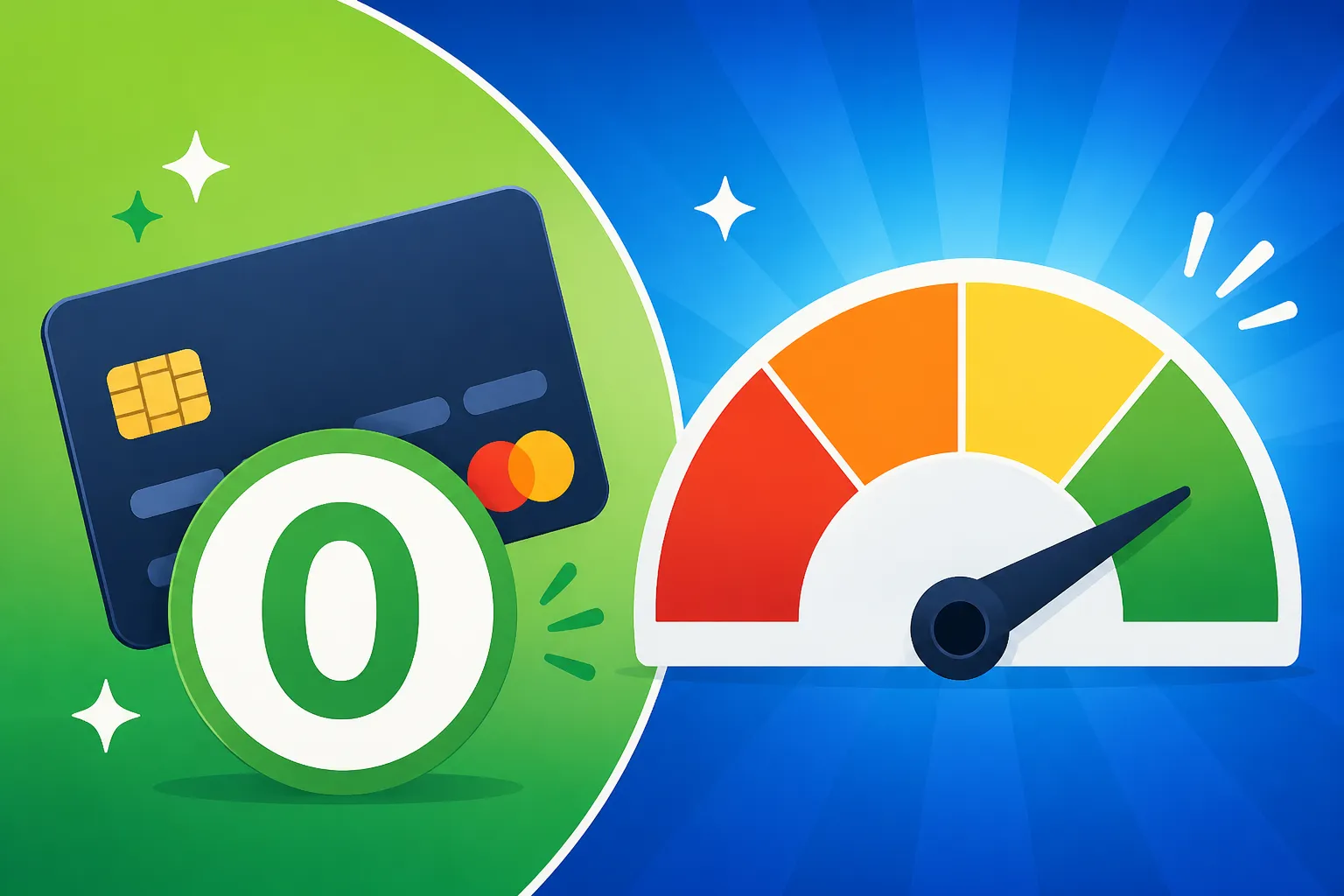
Now, let's talk about the credit scoring models. While a zero balance is fantastic for your wallet and peace of mind, a reported zero balance on all your credit cards might not always give you the absolute highest FICO score. This might sound counterintuitive, but here's why: credit scoring models like FICO actually want to see that you use credit responsibly. If all your revolving accounts report a zero balance, it means your utilization ratio is 0%. While 0% utilization sounds perfect, it doesn't give the scoring models much to work with in terms of your active credit management. They can't see how well you're managing a small amount of debt if there's no debt to manage.
Think of it this way: a lender wants proof you can handle credit. If you never have a reported balance, they can't quite see that proof in action. So, while paying in full is always the goal, letting a very small balance (say, 1-9%) report on one or two cards can sometimes lead to a slightly higher score than a true 0% across the board. The goal isn't to carry debt; it's to have some activity reported that demonstrates your ability to use credit and pay it off.
The "Perfect" Utilization Sweet Spot
Instead of aiming for a literal 0% across all your cards, most credit experts agree that the "sweet spot" for credit utilization is typically between 1% and 10%. This allows the credit bureaus to see that you are actively using your credit accounts but responsibly keeping your balances very low relative to your limits. This shows consistent and careful credit management without overextending yourself.
For example, if you have a total credit limit of $10,000, and one card reports a $50 balance, your overall utilization would be 0.5%—well within that ideal range. You'd still pay off that $50 before the due date to avoid interest, but the reported balance would have already done its job for your score. This strategy demonstrates to creditors that you are actively engaged in managing your credit lines. Even if you don't typically carry a balance, making a small purchase and letting it report before paying it off can be beneficial. Many people use a tool like Credit Strong to build credit history and improve their credit mix, which can also help with utilization as you add more available credit. They often encourage responsible use, which aligns with this 'sweet spot' thinking.
Here's a quick look at how different utilization ranges can typically affect your FICO score:
| Credit Utilization Ratio (CUR) | General Impact on FICO Score |
|---|---|
| 0% (Across all cards) | Very Good, but possibly not optimal. No proof of active management. |
| 1% – 9% | Excellent! Often considered the ideal range for top scores. Demonstrates responsible use. |
| 10% – 29% | Good. Still healthy, but room for improvement. |
| 30% – 49% | Fair to Okay. Starts to indicate higher risk to lenders. |
| 50% – 74% | Poor. Significantly impacts your score negatively. Suggests financial strain. |
| 75% – 100%+ | Very Poor. Can severely damage your score. High risk. |
It's important to remember that these are general guidelines, and individual scores can vary based on all the factors that influence credit scores.
How to Manage Your Credit Card Balances for Optimal Scores
Managing your credit card balances strategically is one of the most impactful things you can do for your credit score, short of making sure you never miss a payment. It's about being smart with your spending and your payment timing.
Pay Off Your Statement Balance Every Month
This is the golden rule, the North Star of credit card management. Always, always, always aim to pay off your entire statement balance by the due date each month. Not just the minimum payment, but the full amount. Doing so means you avoid paying any interest charges, which is a huge financial win. More importantly, it ensures your credit utilization remains low. Even if you let a small balance report, paying it off in full means you're never actually carrying debt or incurring costly interest.
This consistent habit demonstrates impeccable financial responsibility to lenders. It shows that you can handle the credit extended to you and pay it back diligently, which is a cornerstone of a strong credit profile. Beyond the score, think of the money you save in interest—that alone is reason enough to make this a priority. If you're looking for ways to improve your score, this foundational habit is covered in detail in our guide on how to raise your credit score (Step-by-Step).
Understand Your Statement Closing Date
This is a critical piece of information that many people overlook. Your credit card's statement closing date is the day your credit card company tallies up all your charges and payments for the billing cycle and generates your monthly statement. The balance on this date is typically what gets reported to the three major credit bureaus (Equifax, Experian, and TransUnion). Your payment due date, on the other hand, is usually 21-25 days after your statement closing date.
So, you could have a high balance throughout the month, pay it down significantly before the due date, but if that payment happens after the statement closing date, the higher balance will still be reported to the credit bureaus for that month. To ensure a low utilization ratio is reported, try to pay down your balance before your statement closing date. This way, when the snapshot is taken and sent to the bureaus, it reflects a much lower—or even that ideal 1-9%—balance.
Consider Multiple Smaller Payments
If you use your credit card frequently throughout the month and tend to accumulate a larger balance, making multiple smaller payments throughout the billing cycle can be a really effective strategy. Instead of waiting for the statement to close or the due date to roll around, you could make a payment every week, or after every large purchase.
This proactive approach keeps your running balance low. When the statement closing date arrives, the balance that's reported to the credit bureaus will be significantly smaller, ensuring your credit utilization stays well within the healthy range. This is especially useful if you have a lower credit limit and find yourself approaching that 30% utilization threshold easily. Platforms like Credit Strong, which often provide credit builder loans, emphasize consistent payments, and this philosophy can extend to credit cards too – more frequent, smaller payments demonstrate ongoing good behavior.
Increase Your Credit Limit
Another excellent way to instantly lower your credit utilization ratio is to increase your total available credit. If your credit limit goes up but your spending stays the same, your utilization automatically drops. For example, if you have a $5,000 limit and a $1,000 balance (20% utilization), and your limit is increased to $10,000, your utilization immediately halves to 10%—without you even paying an extra cent.
You can often request a credit limit increase from your credit card issuer, especially if you've had the card for a while, pay on time, and have a good income. Just be mindful that a credit limit increase request might result in a hard inquiry on your credit report, which can cause a slight, temporary dip in your score. However, the long-term benefit of a lower utilization ratio usually outweighs this small, temporary impact. Before you ask for an increase, it's a good idea to research "Should You Ask for a Credit Limit Increase?". Also, remember, a higher limit is not an invitation to spend more; it's a tool to improve your credit health.
The Broader Picture: Other Credit Score Factors
While credit utilization is a massive piece of the puzzle, it's crucial not to put all your focus on just one aspect. Your credit score is a complex beast, influenced by several factors working in concert. Ignoring other components means you're missing out on a holistic approach to credit health. A good credit score truly is a sum of its parts. For a deep dive into all components, check out our piece on what affects your credit score? The 5 Factors.
Payment History: The Most Crucial Factor
Without a doubt, your payment history is the single most important factor in your credit score, accounting for about 35% of your FICO score. It's the foundation upon which all other aspects of your credit profile are built. Lenders want to see that you pay your bills on time, every time. A single missed payment can significantly damage your score and stay on your report for up to seven years. It signals to potential creditors that you might be a risky borrower, even if your utilization is stellar.
Setting up automatic payments for at least the minimum amount (though, as we discussed, paying the full statement balance is ideal) is a fantastic way to ensure you never miss a due date. This consistency builds a strong track record over time, proving your reliability. Your goal should always be a perfect payment history, as this is the primary indicator of your trustworthiness as a borrower. This factor is so vital, it has its own detailed explanation in our article, Payment History: Why It's 35% of Your Score.
Length of Credit History and Credit Mix
Beyond payment history and utilization, two other significant factors play a role: the length of your credit history and your credit mix. The length of your credit history considers how long your oldest account has been open, how old your newest account is, and the average age of all your accounts. Generally, a longer credit history is better because it provides more data for lenders to assess your reliability over time. That's why it's often advised not to close old credit cards, even if you don't use them, as long as they don't have annual fees.
Your credit mix refers to the different types of credit accounts you have. Having a healthy mix of both revolving credit (like credit cards) and installment credit (like a car loan, mortgage, or a credit builder loan from a service like Credit Strong) can be beneficial. It shows that you can responsibly manage different types of debt. For those starting out or looking to diversify, a credit builder loan can be an excellent way to introduce an installment loan to your credit file. For new entrants to the credit world, understanding these fundamentals is key to establishing a strong financial footing, as explained in How to Build Credit From Scratch (2026 Guide).
Final Thoughts on Your Credit Card Balance
So, to wrap it all up: while paying your credit card balance to zero is excellent for your personal finances and avoids interest, a reported 0% utilization across all your cards might not fetch you the absolute highest possible credit score. The sweet spot for credit utilization is typically between 1% and 10%. By understanding your statement closing dates and making strategic payments, you can ensure that a small, healthy balance is reported to the bureaus, demonstrating responsible credit use without actually carrying debt or paying interest.
Remember, credit health is a marathon, not a sprint. Consistently paying on time, keeping utilization low (but not necessarily zero on all cards), and maintaining a diverse, long-standing credit history are the real keys to unlocking and maintaining an excellent credit score. Keep an eye on your full credit report using resources like AnnualCreditReport.com or by referencing our guide on how to read your credit report (2026 Guide) to track your progress and ensure accuracy. Your diligence will pay off in better rates and more financial opportunities.
Disclaimer
This article is for general informational purposes only and does not constitute professional advice. Laws, prices and regulations vary by location and change over time. Consult a qualified professional for guidance on your specific situation.