Does an Authorized User’s Debt Affect Your Score?
It’s a scenario many of us find ourselves in: a loved one offers to add you as an authorized user to one of their credit card accounts, perhaps to help you build credit. It sounds great on the surface – a shortcut to a better credit score! But then a nagging question pops up: what if their debt, their spending habits, or their late payments end up hurting your credit score? It’s a completely valid concern, and understanding how an authorized user's debt actually affects their score is crucial before you dive in. This guide will meticulously break down what it means to be an authorized user and the real impact of the primary account holder’s financial behavior on your credit.
Understanding Authorized User Status
Becoming an authorized user is often seen as a fast track for those just starting to build credit or for individuals looking to improve an existing thin credit file. It allows you to use someone else's credit card account, but it comes with a unique set of responsibilities and potential pitfalls that many people aren't fully aware of. It's not quite the same as being a co-signer or a joint account holder, and that distinction is key to understanding its impact on your credit.
What Being an Authorized User Really Means
When you're added as an authorized user, the primary cardholder is essentially extending the privilege of using their credit line to you. They often receive a separate card in your name, which you can then use to make purchases. However, and this is critical, you are typically not legally responsible for the debt incurred on that account. The primary cardholder remains solely responsible for all payments. This is a significant difference from a joint account, where both parties are equally liable for the debt. The intention behind authorized user status is often benevolent, such as a parent helping a child establish a credit history, or a spouse sharing an account. But despite the good intentions, the financial behaviors associated with that account still make their way onto your credit report.
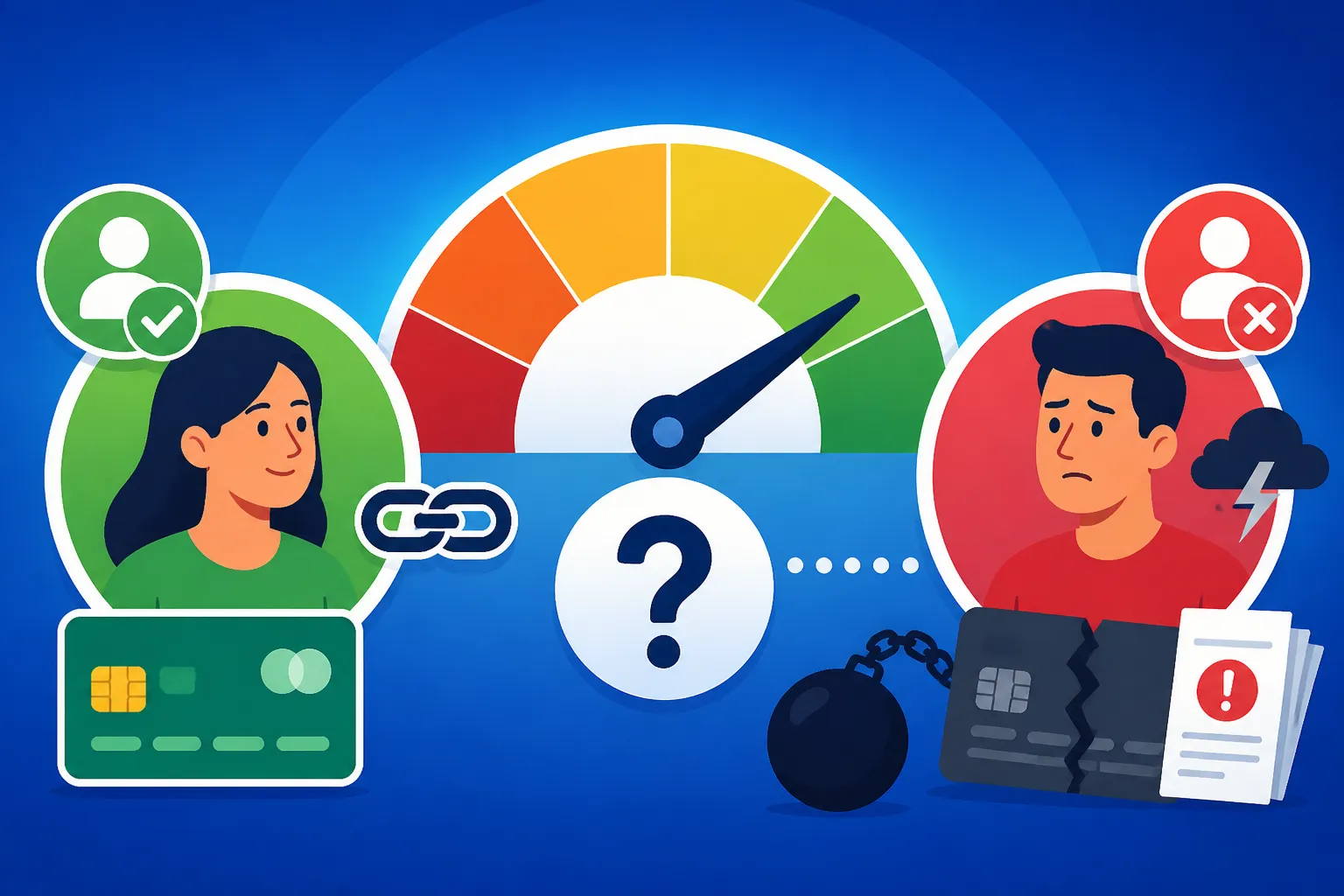
This status grants you the benefit of leveraging the primary account holder's good credit history. If they have a long history of on-time payments and low credit utilization, those positive factors can appear on your credit report, giving your score a boost. However, the flip side is also true: negative actions on the primary account can also be reported, potentially dragging your score down. It's a double-edged sword, and understanding both sides is vital. Many people overlook the risks, focusing only on the potential upside.
How Authorized User Accounts Appear on Credit Reports
Once you're added as an authorized user, the credit card account typically begins to appear on your credit report from all three major credit bureaus: Equifax, Experian, and TransUnion. It won't usually state "authorized user" in big bold letters, but rather, it will list the account with your name associated with it. This can include details like the account opening date, the credit limit, the current balance, and the payment history. Because of this, the account's activity will be factored into your credit score calculations.
This is precisely why being an authorized user can be so impactful, whether positively or negatively. Your credit report will reflect the length of the account's history (a positive if it's an old account), the payment history (on-time payments are great, late payments are not), and the credit utilization ratio (how much of the available credit is being used). If the primary cardholder maintains excellent credit habits, this can significantly help you build a strong foundation. Conversely, if they start missing payments or maxing out the card, your credit report will mirror those actions, potentially causing your score to plummet. You might want to regularly check your own credit report to ensure everything is being reported accurately. A tool like Credit Strong can help you monitor changes.
Does the Primary Account Holder's Debt Impact an Authorized User?
This is the million-dollar question for many people considering becoming an authorized user, or for those who already are. The short answer is yes, the primary account holder's debt and payment behavior can absolutely impact an authorized user's credit score. While you're not legally liable for the debt, the information about that debt—how much of the credit limit is being used, and whether payments are being made on time—is still reported on your credit file.
The credit bureaus treat authorized user accounts similarly to primary accounts in some ways, particularly regarding reporting. If the primary cardholder carries a high balance or misses payments, that information makes its way onto your report, influencing factors like your credit utilization and payment history, which are two of the most significant components of your credit score. This is why it’s imperative to have a candid conversation with the primary account holder about their financial habits before agreeing to be an authorized user.
The Impact of Credit Utilization on Authorized Users
One of the most immediate and significant ways a primary account holder's debt can affect your score as an authorized user is through credit utilization. This refers to the amount of credit you're using compared to your total available credit. Lenders typically prefer to see a low credit utilization ratio, ideally below 30%. If the primary cardholder runs up a high balance, even if they pay it off eventually, your credit report will reflect that high utilization, at least until the payment is reported. This can cause a temporary, or even sustained, drop in your credit score.
Imagine the primary cardholder has a $10,000 credit limit and regularly carries a balance of $8,000. That's an 80% utilization rate. Even if you, as the authorized user, never use the card, your credit report will show an account with an 80% utilization rate, which is considered very high and can negatively impact your score. This factor alone can undo many of the potential benefits of being an authorized user. Understanding how much credit utilization affects your score is crucial for managing your financial health.
Late Payments and Their Ripple Effect
Late payments are arguably the most damaging item that can appear on a credit report, and unfortunately, an authorized user is not immune to their ripple effect. If the primary cardholder misses a payment by 30 days or more, that late payment will typically be reported to the credit bureaus. And because the account appears on your credit report as an authorized user, that missed payment can also show up on your report, even though you had no control over it and no legal obligation to pay.
A single late payment can cause a significant drop in your credit score, potentially by many points, and it can remain on your credit report for up to seven years. This is a huge risk for authorized users, as their credit health is tied to someone else's discipline. If you're relying on authorized user status to help establish or improve your credit, a primary cardholder's late payment can be a major setback, potentially making it harder for you to secure loans or other credit in the future. Learning How Many Points Does a Late Payment Drop Your Score? can highlight the severity of this issue.
The "Closed Account" Scenario for Authorized Users
Sometimes, the primary account holder might decide to close the credit card account. This can happen for various reasons, from simply not using the card anymore to financial difficulties. When an account is closed, it can still appear on your credit report as an authorized user, impacting your credit in a few ways. If the account was in good standing with a long history, its closure might reduce the average age of your credit accounts, which is a factor in your credit score. While a closed account with positive history will eventually fall off your report, its immediate effect could be felt.
What if the account is closed due to severe delinquency or goes into collections? While you as the authorized user are not liable for the debt, the negative history can still be reflected on your credit report. This isn't always the case, as some bureaus and scoring models might treat closed, negative authorized user accounts differently. However, it's a risk. If you find yourself in this situation, you might need to understand How to Remove Negative Items From Your Credit Report or How to Remove Collections From Your Credit Report. It’s always best to be proactive and understand the primary cardholder’s intentions and financial stability before joining an account.
Protecting Your Credit as an Authorized User (or Primary Holder)
Being an authorized user, whether you are the primary cardholder or the one being added to an account, requires a certain level of trust and diligence. While it can be a fantastic way to boost someone's credit, it's not a set-it-and-forget-it strategy. There are definite steps you can take to safeguard your credit score and ensure this arrangement works out for everyone involved. Open communication and regular monitoring are your best friends here.
Monitoring Your Credit Report Diligently
This is perhaps the most crucial step for any authorized user. Since the primary account holder's actions directly affect your credit report, you need to be proactive about checking your own credit. You can get a free copy of your credit report from each of the three major bureaus annually. Make it a point to review these reports regularly to ensure that the authorized user account is being reported accurately and that there are no unexpected negative marks, such as high utilization or late payments.
If you spot an error or an issue, you have the right to dispute it. For instance, if a late payment appears that you know the primary cardholder actually paid on time, you can challenge it. Many services offer credit monitoring to alert you to changes in your report, which can be incredibly helpful for authorized users. Credit Strong, for example, is known for its tools that can help individuals track their credit progress and understand their financial standing. Knowing how to read your credit report is an invaluable skill here.
When to Consider Being Removed from an Account
There are definitely times when it makes sense to ask the primary account holder to remove you as an authorized user. This might happen if you've successfully built up your own credit history and no longer need the boost, or more critically, if the primary account holder's spending habits or payment reliability become a concern. If you notice consistently high utilization or frequent late payments appearing on your credit report because of their actions, it's time to have an honest conversation.
Asking to be removed is your right, and it's a wise move to protect your credit score from potential damage. Once you are removed, the account may eventually disappear from your credit report, or its influence will at least diminish over time. Some card issuers might allow you to be removed easily by contacting them directly, while others might require the primary cardholder to initiate the removal. The process is usually straightforward. If you're wondering, "Does Disputing Hurt Your Credit Score?" in relation to removing items, generally, removing inaccurate authorized user info is beneficial.
Building Your Own Credit Foundation
While being an authorized user can provide a good head start, it's not a substitute for building your own independent credit history. Diversifying your credit profile with accounts solely in your name is essential for long-term financial health. This could involve getting your own secured credit card, which requires a deposit but can be a great tool for building credit responsibly. Another excellent option is a credit builder loan, like those offered by Credit Strong, which helps you save money while building payment history.
Having your own accounts means you have complete control over your credit utilization and payment history. This proactive approach ensures that your financial future isn't entirely dependent on someone else's habits. As you establish your own credit, you can transition away from relying on authorized user accounts, ultimately leading to a more robust and resilient credit score. Learning How to Build Credit From Scratch is a journey worth embarking on.
Here’s a quick overview of the pros and cons of being an authorized user:
| Feature | Pros for Authorized User | Cons for Authorized User |
|---|---|---|
| Credit Building | Can quickly establish or boost credit history. | Primary user's poor habits can damage your score. |
| Access to Credit | Instant access to a credit line (if card is given). | No legal responsibility, but still reported on credit report. |
| Credit Utilization | Benefits from primary user's low utilization. | Suffers from primary user's high utilization. |
| Payment History | Benefits from primary user's on-time payments. | Damaged by primary user's late payments. |
| Credit Age | Benefits from primary user's long account history. | Account closure can reduce average age of accounts. |
| Independence | No direct financial obligation for debt. | Lack of control over the account's activity and financial health. |
Ultimately, being an authorized user can be a valuable tool for credit building, but it requires careful consideration and ongoing vigilance. Understand the risks, communicate openly, and always work towards establishing your own strong credit foundation.
Disclaimer
Please note that this article provides general information and recommendations regarding credit scores and authorized user status. Credit laws and reporting practices can be complex and may vary. It is always advisable to consult with a qualified financial advisor or credit counseling service for personalized advice regarding your specific financial situation.