How to Pay Off Credit Card Debt While Unemployed
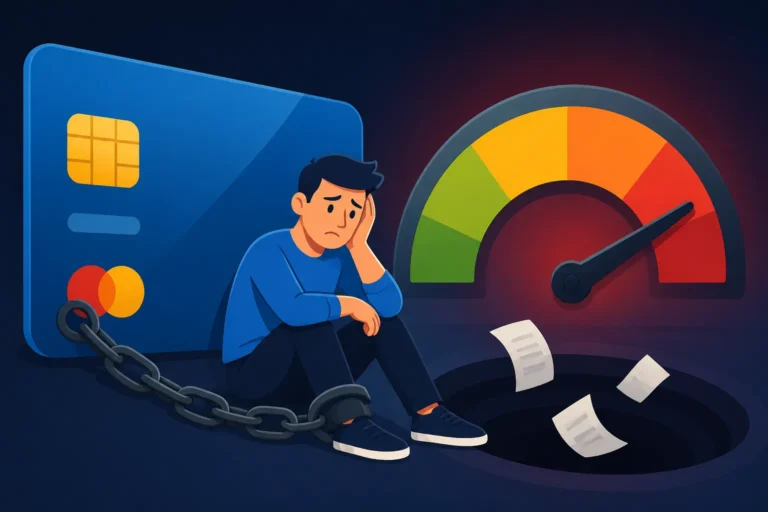
Losing your job is an incredibly stressful experience, and the weight of credit card debt on top of that can feel downright crushing. You're not alone if you're feeling overwhelmed, wondering how you'll make ends meet, let alone tackle those monthly credit card statements. This guide is here to walk you through actionable strategies for managing and paying down your credit card debt, even when your income stream has dried up, offering practical steps and a realistic outlook for navigating this challenging time.
The Immediate Aftermath: Assessing Your Financial Reality
When a job loss hits, it often feels like the rug has been pulled out from under you. One minute you're managing, the next you're staring at bills with no clear way to pay them. The very first, and most crucial, step is to take a deep breath and objectively assess where you stand financially. Panic is a natural reaction, but it won't help you strategize.
Taking Stock of Your Current Financial Picture
It's time for a raw, honest look at your money. This isn't about judgment; it's about facts. Grab your bank statements, your credit card bills, any loan documents, and start writing everything down. Think of it as a financial inventory.
First, tally up all your incoming funds. This might include severance pay, unemployment benefits (which, let's be real, often aren't enough to cover everything), any temporary gig income you might have, or even small amounts from selling unused items around your house. Don't forget any emergency savings you might have built up – this is precisely what it's for, so don't be afraid to utilize it wisely. It’s critical to know your absolute bottom line for available cash.
Next, list out all your expenses. Separate them into "needs" and "wants." Needs are non-negotiable: housing (rent/mortgage), essential utilities (electricity, water, basic internet), groceries, transportation for job interviews, and minimum debt payments. Wants are things you can temporarily cut or drastically reduce: dining out, subscriptions you rarely use, expensive hobbies, new clothes, or entertainment. This exercise can be quite eye-opening and painful, but it's absolutely necessary. You might be surprised at how many small, recurring expenses add up quickly. Crafting a lean budget will be your lifeboat during this period. For a more detailed approach, check out our guide on how to pay off credit card debt when you can only afford minimums.
Understanding Your Credit Card Landscape
Now, let's turn to the credit cards themselves. Don't just look at the total balance; dig a little deeper. For each card you hold, jot down the following:
- Creditor Name: Who is the bill from? (e.g., Chase, Capital One, Discover)
- Current Balance: How much do you owe?
- Minimum Payment Due: What's the absolute least you can pay to avoid a late fee?
- Interest Rate (APR): This is super important! High-interest cards are like financial quicksand.
- Due Date: When is the payment expected?
Organizing this information helps you see which cards are costing you the most in interest and which payments are coming up fastest. This isn't just busywork; it's laying the foundation for your strategic plan. You'll often find that some cards have significantly higher APRs than others. Targeting these first can save you a lot of money in the long run.
Think about your credit utilization, too. This is the amount of credit you're using compared to your total available credit. High utilization can significantly hurt your credit score. Even if you can only make minimum payments, understanding your credit utilization is key to knowing the impact on your score.
Strategic Debt Management During Unemployment
Once you have a clear picture of your finances, it's time to act. This phase is about making tough choices and proactive communication to keep your head above water and prevent deeper financial distress.
Prioritizing Payments and Proactive Communication
When funds are tight, prioritizing becomes paramount. Your absolute top priority should be covering your essential living expenses first – food, shelter, utilities. After that, your focus shifts to debt.
Minimum Payments First: If you truly cannot afford more, ensure you make at least the minimum payments on your credit cards. Missing payments can cause significant damage to your credit score, leading to late fees, penalty APRs, and eventually collections. Even a single late payment can cause your credit score to drop considerably.
Contacting Creditors (Hardship Programs): This is where many people hesitate, but it's often the most impactful step. Don't wait until you've missed a payment. As soon as you know you'll struggle, call your credit card companies. Explain your situation calmly and honestly. Many creditors, like those from Capital One or Chase, have hardship programs designed for situations like yours. They might offer:
- Temporary lower interest rates: Reducing your APR can make your minimum payment more manageable and reduce the overall cost of your debt.
- Waived fees: They might waive late fees if you call before the due date or shortly after.
- Deferred payments: In extreme cases, they might allow you to skip a payment or two, adding it to the end of your loan term. This isn't ideal as interest still accrues, but it can provide crucial breathing room.
- Payment plans: They might work with you to establish a more affordable payment plan.
Be persistent but polite. Keep a record of who you spoke with, the date, and what was agreed upon. This proactive approach can make a world of difference in avoiding further negative marks on your credit report. For more advanced strategies on this, learning how to negotiate with debt collectors can be really useful, even if it's just negotiating with your original creditor.
Exploring Debt Relief Options
While unemployment severely limits your options for new credit, there are still some existing strategies that might be considered or prepared for when you're back on your feet.
Debt Management Plans (DMPs): A reputable non-profit credit counseling agency can assess your situation and potentially enroll you in a Debt Management Plan. They negotiate with your creditors on your behalf, often securing lower interest rates and a single, consolidated monthly payment. While DMPs can be incredibly helpful, you typically need some stable income to qualify, so this might be an option to explore closer to re-employment. The good news is that these agencies can also teach you a lot about how to get out of credit card debt (step-by-step).
Balance Transfer Cards (with caution): If you happen to have a decent credit score before unemployment and haven't maxed out your existing cards, a balance transfer card with a 0% introductory APR might have been an option. However, applying for new credit while unemployed is generally not advisable, as your application is likely to be denied, and the hard inquiry will temporarily ding your credit score. If you already have one of these cards, however, transferring high-interest balances can give you a precious interest-free period to make a dent in the principal. But remember, the goal is to pay off the transferred balance before the promotional period ends.
Debt Consolidation Loans (also with caution): Similar to balance transfer cards, securing a new personal loan for debt consolidation while unemployed is extremely difficult. Lenders require proof of income and a good credit history. If you somehow have access to such a loan (perhaps through a family member or a loan secured by an asset), it could simplify your payments and potentially lower your interest rate. However, ensure the terms are favorable and don't involve risky collateral. For a comprehensive comparison, you might want to read about debt settlement vs credit repair: what's the difference?, as these are distinct approaches.
Selling Assets: This is a tough pill to swallow, but sometimes necessary. Do you have a second car you can sell? Unused electronics, jewelry, or collectibles? Even small sales can inject cash into your budget to cover essential expenses or make a crucial debt payment. Platforms like eBay, Facebook Marketplace, or local consignment shops can help you turn items into cash.
Boosting Your Income and Cutting Expenses: While your main focus is on finding a new full-time role, don't underestimate the power of supplementary income during this period.
- Temporary Gigs: Look for freelance work, temp jobs, or gig economy opportunities like delivery services (DoorDash, Uber Eats), ridesharing (if your car qualifies), or virtual assistant tasks. Every dollar earned reduces the pressure on your savings and helps you cover expenses.
- Extreme Budgeting: Revisit your budget and find even more areas to cut. Can you switch to store-brand groceries? Cook every meal at home? Cut back on streaming services? Even small cuts can add up. Think about all the ways to pay off credit card debt fast.
- Leveraging Community Resources: Don't be too proud to seek help. Food banks, utility assistance programs, and local charities can provide relief for essential needs, freeing up your limited funds to go toward debt.
Budgeting for the Unemployed: A Sample
Here’s a simplified table to help you visualize and track your income and expenses during unemployment. This isn't just about cutting back; it's about being strategic with every single dollar.
| Category | Estimated Income/Expense | Notes |
|---|---|---|
| INCOME | ||
| Unemployment Benefits | $XXX | (e.g., weekly amount converted to monthly) |
| Severance Pay | $XXX | (If applicable, spread out over months if a lump sum) |
| Gig Work/Freelance | $XXX | (Be realistic but aim high) |
| Emergency Savings Draw | $XXX | (How much you plan to use this month) |
| Total Monthly Income | $XXXX | |
| ESSENTIAL EXPENSES | ||
| Rent/Mortgage | $XXX | (Priority #1) |
| Utilities (Electric, Gas, Water, Basic Internet) | $XXX | (Call providers for hardship plans if needed) |
| Groceries | $XXX | (Strict budget, meal planning, store brands) |
| Transportation | $XXX | (Gas for interviews, public transport passes) |
| Health Insurance/Medical | $XXX | (Explore Medicaid or COBRA options) |
| Total Essential Expenses | $XXXX | |
| DEBT PAYMENTS | ||
| Credit Card 1 (Min. Payment) | $XX | (Target highest APR first if possible, otherwise minimum) |
| Credit Card 2 (Min. Payment) | $XX | |
| Other Loans (Student, Car) (Min. Payment) | $XX | (Call lenders for deferment options) |
| Total Debt Payments | $XXX | |
| DISCRETIONARY EXPENSES (Cut These!) | ||
| Dining Out | $0 | (Cook at home) |
| Entertainment/Streaming | $0 | (Pause subscriptions) |
| Shopping | $0 | (Absolutely no non-essentials) |
| Total Discretionary | $0 | |
| NET CASH FLOW | $XXXX | (Income – Expenses – Debt Payments; ideally zero or positive, if negative, cuts are still needed) |
Protecting Your Credit and Planning for the Future
Even in the throes of unemployment, it's vital to think about your credit health. A damaged credit score will only make future financial recovery harder, impacting your ability to rent, get loans, or even secure certain jobs.
Maintaining Good Credit Habits (Even Without Income)
This might sound counterintuitive when you have no income, but good credit habits are critical. The core elements of your credit score, such as payment history and credit utilization, are still being judged.
- Payment History is King: As mentioned, try everything in your power to make at least the minimum payments on your credit cards and other loans. Your payment history accounts for 35% of your FICO score, making it the single most important factor. If you foresee missing a payment, call your creditor before the due date. They are much more likely to work with you if you're proactive.
- Avoid New Debt: This should be obvious, but it bears repeating: do not take on new credit card debt unless it's an absolute emergency, and even then, consider all other options first. Each new credit application results in a hard inquiry on your credit report, which can temporarily lower your score. This is a time to consolidate and reduce, not expand.
- Monitor Your Credit Report: You can get a free copy of your credit report from each of the three major bureaus – Equifax, Experian, and TransUnion – weekly through AnnualCreditReport.com. Check it diligently for any errors or signs of identity theft. Removing negative items from your credit report can be a big help. You want to know if anything inaccurate is being reported that could be further dragging down your score.
Rebuilding and Strengthening Your Credit Post-Unemployment
Once you land a new job and get back on your feet, your focus can shift from crisis management to strategic rebuilding.
- Catch Up on Payments: If you fell behind, make it your priority to bring all accounts current. The longer a late payment remains unpaid, the more it hurts your score.
- Reduce Credit Utilization: As your income stabilizes, start aggressively paying down your credit card balances. Aim to keep your credit utilization ratio below 30%, ideally even lower (under 10%) for the best impact. Credit utilization is a major factor in your credit score, so lowering it can quickly boost your numbers. Our guide on credit utilization: the complete guide has more information on this.
- Consider Credit-Building Tools: Once you have stable income, tools designed specifically for building credit can be incredibly beneficial. For example, a credit builder loan, like those offered by Credit Strong, allows you to save money while simultaneously building a positive payment history. You make small, regular payments into a locked savings account, and those payments are reported to the credit bureaus. Once the loan is paid off, you get access to the funds. It's a structured way to show responsible financial behavior without accumulating more high-interest debt. Another option is a secured credit card, where you put down a deposit that acts as your credit limit. This provides a safety net for the issuer and helps you establish a payment history.
- Diversify Your Credit Mix (Eventually): Once your credit score is in a healthier place, you can gradually consider diversifying your credit mix with different types of loans (e.g., an installment loan like a car loan or a small personal loan, in addition to revolving credit cards). Lenders like to see that you can handle various types of credit responsibly. Remember, building credit from scratch is a marathon, not a sprint. However, being strategic can significantly shorten the journey. If your credit took a hit, don't worry, there are many ways to learn how to raise your credit score (step-by-step).
It’s crucial to use credit-building products responsibly. For instance, with Credit Strong, the idea is to make small, consistent payments. This isn't a quick fix for existing debt, but a long-term strategy to improve your payment history and credit mix, which are key components of your FICO score. Starting a credit builder loan like Credit Strong after you've secured a new job can be an excellent way to demonstrate financial responsibility to the credit bureaus.
Unemployment is tough, but it's a temporary phase. By taking proactive steps, communicating with your creditors, making smart budgeting choices, and safeguarding your credit score, you can navigate this challenging period and emerge with your financial health intact, ready for a stronger future.
Disclaimer
The information provided in this article is for general informational purposes only and does not constitute financial, legal, or professional advice. Always consult with a qualified financial advisor or credit counselor for advice tailored to your specific situation.