What Does 90% Credit Utilization Do to Your Score?
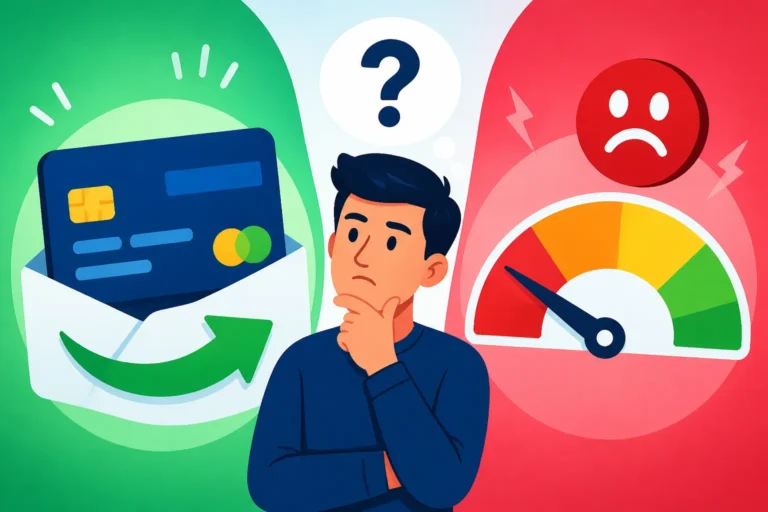
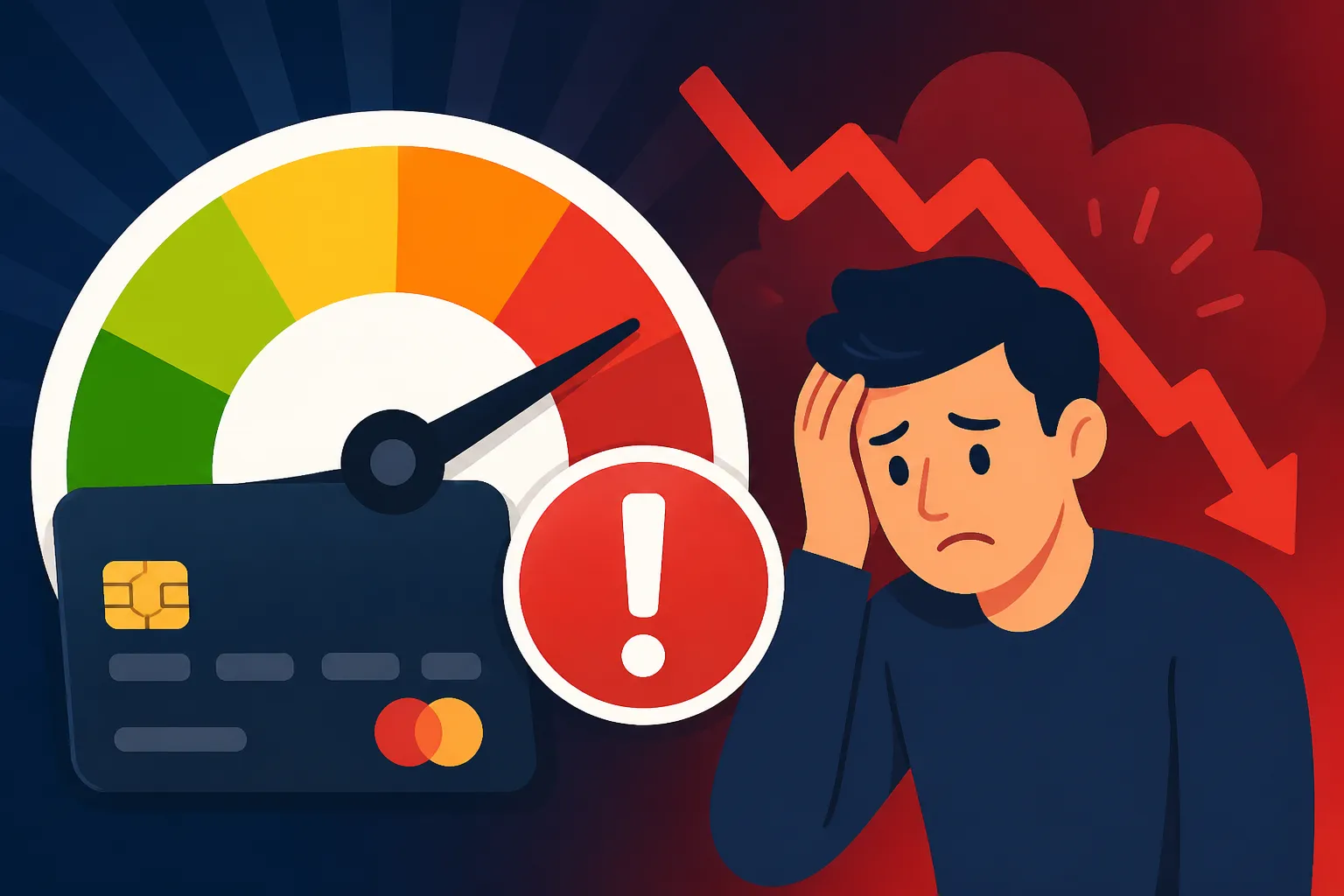
It’s a truly disheartening moment when you check your credit score and see a number far lower than you expected, especially when you know you've been relying heavily on your credit cards. Many folks find themselves in a tough spot, wondering what impact using almost all their available credit has had on their financial standing. This guide is here to shed light on exactly what happens when your credit utilization hits 90% and, more importantly, how you can climb out of that challenging situation.
Understanding the Weight of Credit Utilization on Your Score
Credit utilization, often referred to as your credit utilization ratio, is one of the most critical factors influencing your credit score. It's essentially how much of your available credit you're currently using. Imagine you have a credit card with a $1,000 limit and you've spent $900 on it. That means your credit utilization for that card is 90% ($900/$1,000 = 0.90 or 90%).
This ratio is so impactful because it tells lenders a lot about your financial habits and risk level. When your utilization is high, it signals that you might be struggling financially, relying heavily on credit to make ends meet, or simply overspending. Lenders tend to view this as a red flag, making them less likely to extend new credit or offer favorable terms. For instance, FICO, one of the most widely used credit scoring models, dedicates about 30% of your score to amounts owed, with credit utilization being a major component of that category. This isn't just a minor detail; it's a huge piece of your credit puzzle.
The Shocking Reality of 90% Credit Utilization
Let's be blunt: a 90% credit utilization ratio is a serious blow to your credit score. It's not just a little ding; it's more like a giant crater. When your utilization climbs this high, you can expect a significant drop in your score, often by 50 points or more, depending on your overall credit profile. If you started with a decent score, say in the high 600s, seeing it plummet into the low 600s or even upper 500s is not uncommon with such high utilization.
Think of it from a lender's perspective. If you're using almost all of your available credit, it looks like you're stretched thin. They might worry about your ability to make future payments, especially if an unexpected expense comes up. This perception of high risk can make it incredibly difficult to get approved for new credit, or if you do, you'll likely face much higher interest rates and less attractive terms. It can also hurt your chances when applying for something like a mortgage or an auto loan.
How Long Does High Utilization Affect Your Score?
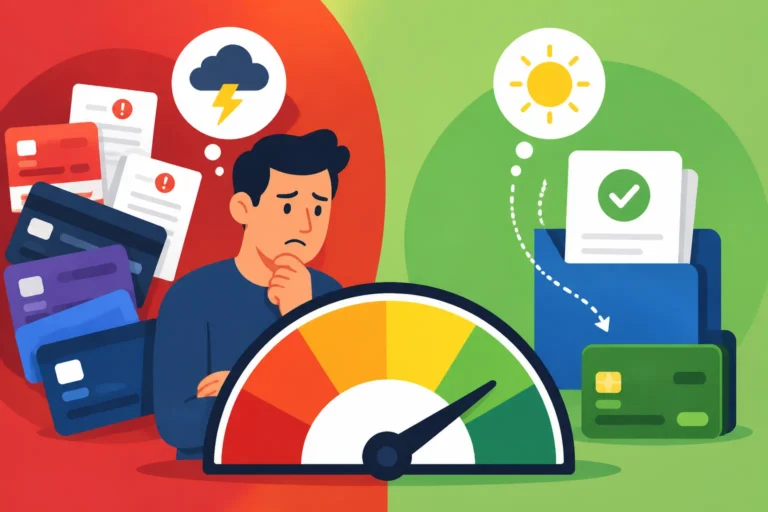
The good news, if there is any when discussing high utilization, is that credit utilization is a dynamic factor. Unlike a late payment or a bankruptcy, which can stay on your report for years, your credit utilization is generally calculated based on the information reported to the credit bureaus each month. This means that if you can reduce your balances, your score can rebound relatively quickly.
However, "relatively quickly" doesn't mean instantly. Most creditors report to the bureaus once a month, often around your statement closing date. So, if you pay down your balance mid-cycle, it might not reflect on your credit report until the next reporting cycle. This lag can be frustrating, especially when you're working hard to improve your score. But once those lower balances are reported, you should see an improvement. The key is consistent effort to keep those balances down.
The Domino Effect of High Credit Utilization
A high credit utilization ratio doesn't just impact a single number; it creates a cascade of negative effects that can touch many aspects of your financial life. It’s like a tiny crack in a dam that eventually leads to bigger problems. Beyond the immediate drop in your credit score, you'll likely face a series of challenges that make managing your finances and achieving future goals much harder and more expensive.
One of the most immediate consequences is often seen in the interest rates you pay. If you're carrying a high balance on a credit card, you're not just paying for the items you bought; you're also paying substantial interest charges on that balance. The higher the utilization, the larger your balance, and the more interest accrues, making it harder to pay off the principal debt. This can lead to a vicious cycle where you feel like you're treading water but never getting ahead. This is one of the key reasons why understanding "How Credit Card Debt Affects Your Credit Score" is so vital.
Increased Interest Payments and Debt Spiral
When your credit utilization is at 90%, it almost certainly means you're carrying a substantial balance on your credit cards. Credit card interest rates, known as APRs, can be notoriously high, often ranging from 15% to 30% or even more. At 90% utilization, a significant portion of your monthly payment will go directly towards interest, leaving very little to chip away at the principal. This can make it feel like you’re stuck in a debt spiral, constantly making payments but seeing your balance barely budge.
For example, if you have a $5,000 credit limit and are using $4,500 (90% utilization) with an APR of 25%, your monthly interest charges could easily be over $90. If your minimum payment is, say, $150, nearly two-thirds of that payment is just covering interest, leaving only $60 to reduce your actual debt. This makes the journey to "How to Pay Off Credit Card Debt Fast" feel incredibly slow and frustrating. The longer this goes on, the more money you effectively "waste" on interest that could have gone towards paying down your principal or building savings.
Limited Access to Future Credit
Another significant drawback of high credit utilization is that it severely limits your access to new credit opportunities. Lenders evaluate your creditworthiness to determine if you're a good risk for a loan or a new credit card. When they see a 90% utilization, they generally view you as a high-risk borrower. This perception stems from the belief that you are either struggling to manage your existing debt or are already overextended.
This can mean being denied for a new credit card, even if you just need a small one to help spread out your utilization. It can prevent you from securing a personal loan, which might have been a good option for consolidating high-interest credit card debt. Even worse, it could stand in the way of major life goals like buying a car or a home. A mortgage lender, for instance, will scrutinize your credit report and high utilization could lead to a denial or, at best, a much higher interest rate on your loan, costing you tens of thousands of dollars over the life of the loan. This is why knowing "What Affects Your Credit Score? The 5 Factors" is so crucial, as utilization is one of the biggest.
Strategies to Lower Your Credit Utilization and Improve Your Score
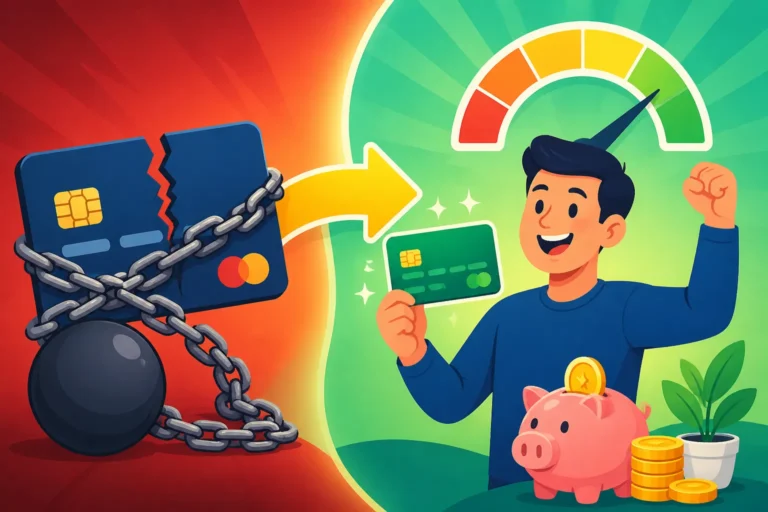
Okay, so we've established that 90% credit utilization is not where you want to be. The good news is that you're not stuck there forever. There are concrete steps you can take to lower your utilization, repair your credit score, and get back on track financially. It takes discipline and a solid plan, but it's absolutely achievable. The goal here is to get that ratio well under 30%, and ideally even lower, closer to 1-10%. This is often the first and most effective step when considering "How to Raise Your Credit Score (Step-by-Step)".
One powerful way to tackle high utilization is by focusing on debt reduction. Every dollar you pay down on your credit card balances directly impacts your utilization ratio. If you can only afford the minimum payments right now, consider ways to free up extra cash, even if it's just a little bit. Every extra payment makes a difference. Remember, the credit bureaus typically update your utilization based on your statement closing date, so timing your payments strategically can help.
Aggressive Debt Reduction Tactics
To truly make a dent in a 90% utilization ratio, you often need to adopt a more aggressive approach to debt reduction. This means finding extra money in your budget and dedicating it specifically to paying down your credit card balances.
Two popular methods are the debt snowball and debt avalanche. The debt snowball method involves paying off your smallest debt first while making minimum payments on all others. Once the smallest is paid off, you roll that payment amount into the next smallest debt, and so on. This creates psychological momentum, which can be incredibly motivating.
The debt avalanche method, on the other hand, focuses on paying off the debt with the highest interest rate first, while making minimum payments on the rest. This method saves you the most money on interest in the long run. While the snowball offers emotional wins, the avalanche provides financial efficiency. Consider which approach better suits your personal motivation. You can learn more about this in our article on "Debt Snowball vs Debt Avalanche: Which Is Better?".
Creating a detailed budget is essential for either method. Track every dollar you spend for a month or two to identify areas where you can cut back. Even small, temporary sacrifices like skipping daily lattes or dining out less can add up. The goal is to free up as much cash as possible to throw at your high-interest credit card debt. Every extra dollar you pay beyond the minimum will work wonders to reduce your utilization.
Strategic Credit Management
Beyond just paying down debt, there are smart ways to manage your credit that can help lower your utilization and improve your score. One highly effective strategy is to pay your credit card balances multiple times a month, or at least before your statement closing date. If your credit card reports your balance to the bureaus on the 15th of each month, but your due date is the 1st, paying your balance down significantly by the 14th will ensure a lower utilization ratio is reported. This can give your score a quick boost even before your official due date payment. For more details, check out "How to Lower Your Credit Utilization Fast".
Another approach, if your financial situation has stabilized and you've made consistent, on-time payments, is to consider asking your existing credit card issuer for a credit limit increase. This can be a bit of a double-edged sword, so proceed with caution. If approved, a higher credit limit automatically lowers your utilization if you don't increase your spending. For example, if you have a $900 balance on a $1,000 limit (90% utilization), and your limit increases to $3,000, your utilization drops to 30% ($900/$3,000). However, if you get an increase and then immediately spend more, you're back to square one. Only consider this if you have the discipline to keep your spending in check. Our guide, "Should You Ask for a Credit Limit Increase?", has more insights.
For those who are struggling to qualify for traditional credit or want to improve their credit mix, products like secured credit cards or credit builder loans can be excellent tools. A secured credit card requires a cash deposit, which typically becomes your credit limit, making it easier to get approved. As you use it responsibly and make on-time payments, this positive activity is reported to the credit bureaus. Similarly, a credit builder loan, offered by companies like Credit Strong, allows you to save money while building credit history. You make fixed monthly payments into a locked savings account, and those payments are reported to the credit bureaus. Once the loan term is complete, you get access to the saved funds, having built a positive payment history. Both options can help you increase your total available credit and improve your credit mix over time, further aiding your utilization ratio and overall score.
Here's a quick look at how different utilization levels generally affect your credit score:
| Credit Utilization Ratio | Typical FICO Score Impact | Lender Perception | Best For Your Score |
|---|---|---|---|
| 0% | Very Good | Financially Savvy, Not Using Credit | N/A (Keep a small balance) |
| 1-10% | Excellent | Responsible User, Low Risk | Yes |
| 11-29% | Good | Manageable Debt, Moderate Risk | Yes |
| 30-49% | Fair | Some Risk, Manageable | No |
| 50-79% | Poor | High Risk, Overextended | No |
| 80-100% | Very Poor | Extreme Risk, Significant Debt | No |
Note: These are general guidelines. Individual score impact can vary based on other factors like payment history, length of credit history, and credit mix.
Remember, the goal is consistent, positive behavior. By actively managing your debt, being mindful of your spending, and utilizing strategic credit-building tools like a Credit Strong account, you can transform that 90% utilization into a healthy, low ratio and watch your credit score flourish.
Disclaimer
The information provided in this article is for general informational purposes only and does not constitute financial or legal advice. Credit scores and financial situations are complex and individual. Always consult with a qualified financial advisor or credit counseling service for advice tailored to your specific circumstances.