How to Pay Off $8,000 in Credit Card Debt
Feeling the weight of an $8,000 credit card debt can be incredibly daunting, can't it? It feels like a constant shadow, hovering over every financial decision and casting a gloom over your future plans. You're likely tired of the high interest rates eating away at your payments, making it seem like you're barely making a dent. This comprehensive guide is here to walk you through proven strategies to not only tackle that $8,000 head-on but also empower you with the knowledge to maintain financial freedom moving forward.
Understanding Your $8,000 Credit Card Debt Burden
That $8,000 isn't just a number; it represents a significant portion of many people's annual income, or perhaps even their entire emergency fund. It's a sum that can feel insurmountable, especially when you're already juggling other bills and daily expenses. The insidious nature of credit card debt lies in its revolving balance and often sky-high interest rates, which can turn a manageable initial charge into a runaway financial monster if not addressed proactively. It's crucial to acknowledge the reality of this debt and understand its far-reaching implications, not just on your wallet but on your overall well-being.
How This Debt Impacts Your Financial Life Beyond Just Interest
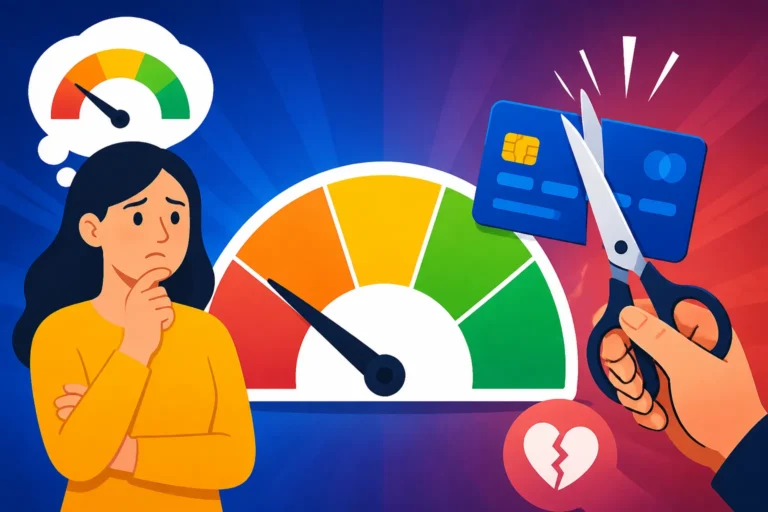
Beyond the obvious bite that interest payments take out of your budget, an $8,000 credit card debt can severely impact your credit score. Your credit utilization ratio—how much credit you're using compared to your total available credit—is a major factor in how your score is calculated. If you have $8,000 in debt on a total credit limit of, say, $10,000, your utilization is a very high 80%. Lenders see this as a red flag, indicating you might be over-reliant on credit, making you appear riskier. This can hinder your ability to secure better rates on future loans, qualify for a mortgage, or even rent an apartment.
Furthermore, carrying a substantial balance month after month means a larger portion of your minimum payment goes straight to interest, barely touching the principal. This creates a cycle where you're constantly paying, but the balance barely budges. This can also tie up your available credit, meaning you won't have it for genuine emergencies, potentially forcing you to take out even more expensive loans or turn to payday lenders if an unexpected expense arises. It restricts your financial flexibility and can make saving for other goals, like a down payment on a house or retirement, seem impossible.
The Psychological Toll of Debt
The financial strain of $8,000 in credit card debt often extends into your mental and emotional health. The constant worry about making payments, the fear of collection calls, and the guilt associated with debt can lead to significant stress, anxiety, and even depression. It can impact your relationships, your sleep, and your overall quality of life. Many people report feeling trapped or overwhelmed, leading to a sense of hopelessness.
This psychological burden can also create a vicious cycle. The stress might make it harder to focus on debt repayment strategies, or lead to unhealthy coping mechanisms like impulse spending, which only exacerbates the problem. Recognizing this emotional aspect is the first step towards recovery. Understanding that you're not alone in these feelings and that there are actionable steps you can take to alleviate them is incredibly important for your journey to debt freedom.
Strategies to Tackle Your $8,000 Debt Head-On
When you're facing $8,000 in credit card debt, it's easy to feel like you're staring up at Mount Everest. But just like climbing a mountain, you need a plan, the right tools, and a steady pace. There are several effective strategies you can employ, each with its own benefits and drawbacks. The key is finding the one that best suits your financial situation and psychological makeup, ensuring you stick with it for the long haul.
The Debt Snowball vs. Debt Avalanche Method
These are two of the most popular and effective strategies for paying off multiple debts, and they can certainly be applied to tackling a single large credit card debt by thinking of it in smaller chunks or by focusing on reducing the balance aggressively. Let's break them down.
The debt snowball method prioritizes psychological wins. You list all your debts from the smallest balance to the largest, regardless of interest rate. You make minimum payments on all but the smallest debt, and on that smallest one, you throw every extra dollar you have. Once that smallest debt is paid off, you take the money you were paying on it and add it to the minimum payment of the next smallest debt. This creates a "snowball" of increasing payments, building momentum as each debt is cleared. For an $8,000 credit card debt, you could frame it by celebrating every $1,000 chunk you pay off. This method is incredibly motivating because you see quick progress, which can be crucial when facing a substantial sum like $8,000. For a deeper dive into these methods, check out our guide on Debt Snowball vs Debt Avalanche: Which Is Better?.
The debt avalanche method, on the other hand, is purely mathematical. You list all your debts from the highest interest rate to the lowest. You make minimum payments on all but the debt with the highest interest rate, and on that one, you direct all your extra funds. Once that high-interest debt is paid off, you move on to the next highest interest rate, and so on. This method saves you the most money in interest charges over time because you're targeting the most expensive debt first. While it might take longer to see the first debt completely disappear, the financial savings can be significant, especially with credit card interest rates often hovering around 20% or more. Choosing between these methods often comes down to whether you need the emotional boost of quick wins or the financial optimization of saving the most money.
Considering a Balance Transfer Credit Card
If your $8,000 credit card debt is on a high-interest card, a balance transfer card could be a game-changer. These cards often offer an introductory 0% APR period, typically ranging from 12 to 21 months, on transferred balances. This means that every dollar you pay during that promotional period goes directly to reducing your principal, not to interest charges. Imagine paying off a significant chunk of that $8,000 without a single cent going to interest! It’s a powerful tool to accelerate your repayment.
However, there are a few important considerations. Most balance transfer cards charge a fee, usually 3-5% of the transferred amount. For an $8,000 balance, a 3% fee would be $240, which is worth calculating into your plan. Also, you need to have good enough credit to qualify for these cards, and the credit limit offered must be high enough to accommodate your $8,000 debt, or at least a substantial portion of it. The most critical aspect is having a solid plan to pay off the transferred balance before the 0% APR period expires. If you don't, you'll be hit with the card's standard, often high, interest rate on the remaining balance. Read our comprehensive guide on Balance Transfer Cards: How They Work to learn more about navigating this option.
Personal Loans for Debt Consolidation
Another viable option for tackling an $8,000 credit card debt is a personal loan for debt consolidation. With a personal loan, you borrow a lump sum from a bank or credit union at a fixed interest rate, which is typically much lower than credit card APRs. You then use that loan to pay off your credit card debt, and you're left with one single, predictable monthly payment to the personal loan lender. This can simplify your finances and potentially save you a lot in interest over the life of the loan.
Lenders like Marcus by Goldman Sachs, Discover, and SoFi often offer personal loans with competitive rates for those with good credit. Even if your credit isn't perfect, you might still qualify, though your interest rate might be higher. The advantage here is the fixed payment and clear end date; you know exactly when you'll be debt-free. However, if you don't address the underlying spending habits that led to the $8,000 debt, you could find yourself with a new personal loan and new credit card debt down the line. It's essential to close or significantly cut back on using the credit cards you consolidate to avoid falling back into the same trap. This is a crucial step if you're serious about learning How to Get Out of Credit Card Debt (Step-by-Step).
Practical Steps to Free Up Cash and Accelerate Payments
Once you've chosen a primary strategy for your $8,000 credit card debt, the next challenge is finding the actual cash to make those extra payments. It's not enough to just want to pay it off; you need to create the financial space to do so. This often means a combination of meticulous budgeting, diligent expense cutting, and potentially boosting your income. These steps require discipline and a willingness to scrutinize your spending habits, but the reward of debt freedom is well worth the effort.
Crafting a Realistic Budget and Cutting Expenses
Budgeting isn't about deprivation; it's about intentional spending. When you have $8,000 in credit card debt, creating a detailed budget is non-negotiable. Start by tracking every single dollar you spend for a month or two. Use an app, a spreadsheet, or even just a notebook. You'll likely be surprised where your money is actually going. Once you have a clear picture, categorize your expenses into "fixed" (rent, car payment, insurance) and "variable" (groceries, entertainment, dining out).
Now, look for areas to cut. Can you cancel unused subscriptions? Reduce dining out by cooking more at home? Shop at cheaper grocery stores? Even small savings add up. For example, if you spend $10 on coffee five times a week, that's $50 a week, or $200 a month. That's $2,400 a year that could be going towards your $8,000 debt! These small changes can free up hundreds of dollars monthly, which you can then direct towards your credit card payments. Be realistic but firm with yourself. A temporary period of tighter spending is a small price to pay for long-term financial peace.
Boosting Your Income to Pay Down Debt Faster
Sometimes, cutting expenses isn't enough, or there isn't much left to cut. In these situations, increasing your income can significantly accelerate your debt repayment journey. Think about how you can earn more money. Can you ask for a raise at your current job? Take on extra shifts? Find a side hustle? The gig economy offers countless opportunities, from driving for a ride-share service like Uber or Lyft, delivering food for DoorDash or Grubhub, to freelancing your skills on platforms like Upwork or Fiverr.
Even a temporary increase in income can make a huge difference. If you can consistently bring in an extra $200-$300 per month, that's an additional $2,400-$3,600 per year attacking your $8,000 debt. Combine this with expense cutting, and you could realistically pay off that debt much faster than you thought possible. Remember, this isn't forever; it's a focused effort to eliminate a major financial burden. Once the $8,000 is gone, you can scale back or reallocate that extra income to savings. For those looking to manage their finances better while paying off debt, understanding concepts like Credit Utilization: The Complete Guide can help ensure your efforts also benefit your credit score.
Negotiating with Creditors and Dealing with Collections
If you're truly struggling to make even minimum payments on your $8,000 debt, don't bury your head in the sand. Reach out to your credit card company. They might be willing to work with you, especially if you have a good payment history prior to your current struggles. You could ask for a lower interest rate, a temporary hardship plan with reduced payments, or even a payment deferral. It never hurts to ask, and often, they'd prefer to work with you than have the account go into default.
If your debt has already gone to collections, the situation becomes a bit different. Debt collectors might be willing to settle for less than the full amount owed. This is called a debt settlement. Be cautious and always get any agreement in writing before making a payment. It's also important to understand that settling for less than the full amount can negatively impact your credit score, though perhaps less severely than a full charge-off or bankruptcy. Consider speaking with a reputable credit counseling agency like the National Foundation for Credit Counseling (NFCC) or a certified financial planner for advice tailored to your specific situation. They can help you understand options like debt management plans or How to Negotiate With Debt Collectors. Tools like credit builder loans from companies like Credit Strong could also be a consideration after debt settlement to help rebuild your credit, but the priority is to resolve the existing $8,000 debt.
Maintaining Momentum and Preventing Future Debt
Paying off $8,000 in credit card debt is a huge accomplishment, but the journey doesn't end there. The goal isn't just to get out of debt once, but to stay out of it. This requires cultivating new financial habits, protecting yourself from future emergencies, and understanding how to use credit responsibly. Think of it as building a stronger financial foundation so that you never have to climb that particular mountain again.
Building an Emergency Fund
One of the biggest reasons people fall into credit card debt is unexpected expenses. A car repair, a medical bill, or a job loss can quickly derail even the best intentions if you don't have a safety net. That's where an emergency fund comes in. Once your $8,000 debt is paid off, shift your focus from aggressive debt repayment to aggressive saving. Aim to build up at least three to six months' worth of essential living expenses in a readily accessible savings account.
This fund acts as your financial buffer. If something unexpected happens, you tap into your emergency savings instead of reaching for a credit card. This simple habit can prevent a minor setback from spiraling into another debt crisis. It's empowering to know you have that cushion, offering true peace of mind that no amount of credit limit can provide. Some people even use tools like a Credit Strong account alongside their savings efforts to simultaneously build credit and emergency savings, though the primary focus for an emergency fund should be liquid cash.
The Importance of Credit Utilization
Remember how high credit utilization hurt your credit score when you had $8,000 in debt? Well, now that it's paid off, your credit utilization should be much lower, which is fantastic for your score! To maintain a strong credit score, it's crucial to keep your credit utilization low, ideally below 30% on each card and overall. For example, if you have a credit card with a $5,000 limit, try not to carry a balance over $1,500.
Even better, aim to pay off your credit card balance in full every single month. This not only keeps your utilization at 0% (or very close to it) but also ensures you avoid paying any interest. If you must carry a balance, keep it as low as possible. Consistently demonstrating responsible credit use, where you only use a small portion of your available credit and pay it off regularly, will positively impact your credit score over time. Our article on What Is a Good Credit Utilization Ratio? offers more insights into this critical credit scoring factor.
Smart Credit Habits for the Long Term
To truly prevent falling back into the $8,000 debt trap, you need to adopt smart credit habits for the long term. This means being mindful of new credit applications, understanding how different types of credit affect your score, and regularly monitoring your credit report. Don't open new credit cards just for the sign-up bonus unless you have a rock-solid plan to manage the spending and pay it off immediately. Each new account, especially if it leads to a hard inquiry, can temporarily impact your score.
Focus on building a strong payment history—this is the most important factor in your credit score. Always pay your bills on time, every time. Consider using tools like a secured credit card or a credit-builder loan from a service like Credit Strong if you need to actively rebuild your credit after a period of high debt. These tools help demonstrate responsible repayment behavior. Regularly check your credit reports for errors that could unfairly ding your score, and address them promptly. By mastering these habits, you'll not only stay out of debt but also build a powerful credit profile that opens doors to better financial opportunities in the future. Our guide on How to Use a Credit Card to Build and Keep Good Credit provides excellent tips for maintaining a healthy credit lifestyle.
Comparing Debt Repayment Strategies
To help you visualize the different approaches, here's a table summarizing the primary strategies for tackling $8,000 in credit card debt:
| Strategy | Primary Benefit | Primary Drawback | Ideal For | Credit Score Impact (Initial) | Interest Savings Potential |
|---|---|---|---|---|---|
| Debt Snowball | Psychological wins, builds momentum quickly | May pay more interest over time | Individuals needing motivation and quick wins | Positive, as balances decrease | Moderate |
| Debt Avalanche | Saves most money on interest | Slower to see first debt paid off | Disciplined individuals focused on financial optimization | Positive, as balances decrease | High |
| Balance Transfer Card | 0% APR period allows rapid principal reduction | Transfer fee, requires good credit, strict deadline | Those with good credit who can pay off debt before 0% expires | Temporary dip from hard inquiry, then positive as utilization drops | Very High (during 0% period) |
| Personal Loan | Fixed payment, lower interest rate, clear end date | Requires good credit, new hard inquiry, risk of new CC debt | Those with good credit seeking predictability and simplification | Temporary dip from hard inquiry, then positive as utilization drops | High |
| Budget & Income Boost | Addresses root cause, empowers financial control | Requires discipline and consistent effort | Everyone, as a foundational strategy | Indirectly positive by facilitating faster repayment | High (by freeing up cash) |
| Negotiation/Settlement | Reduces amount owed, stops collection calls | Damages credit, may incur tax implications | Individuals facing severe financial hardship | Negative, but potentially better than bankruptcy | Variable |
This table highlights that there's no single "best" option; the ideal choice depends on your personal financial situation, your discipline, and your comfort level with different risks and rewards.
Disclaimer
The information provided in this guide is for general informational purposes only and does not constitute financial, legal, or professional advice. While we strive to provide accurate and up-to-date content, individual financial situations vary greatly. It is always recommended to consult with a qualified financial advisor, credit counselor, or legal professional before making any significant financial decisions.