What Does Over the Limit Credit Utilization Do to Your Score?
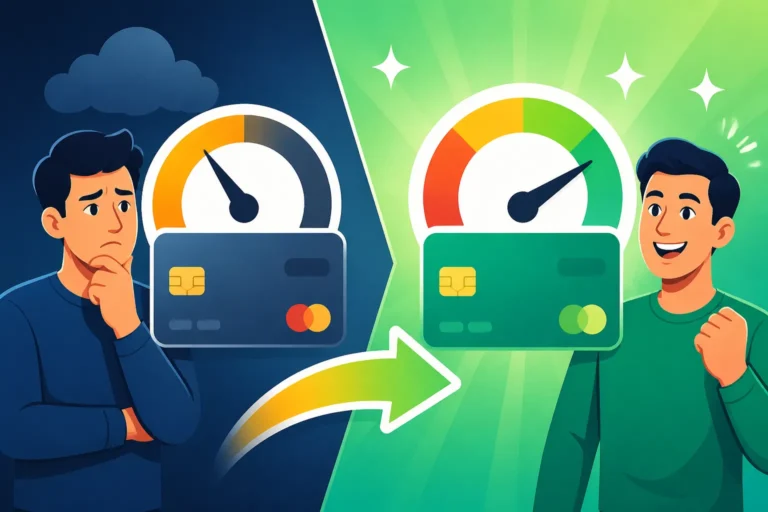
It's a sinking feeling, that moment you realize you've accidentally pushed past your credit card limit. One minute you're swiping for a necessary purchase, and the next, you're faced with a declined card or a notification that you've gone "over limit." Beyond the immediate embarrassment, a common and very valid concern is: what does this really do to your credit score? This guide is here to break down exactly how going over your credit limit impacts your financial standing, the immediate fallout you might face, and crucial steps you can take to recover and prevent it from happening again.
Understanding Credit Utilization in General
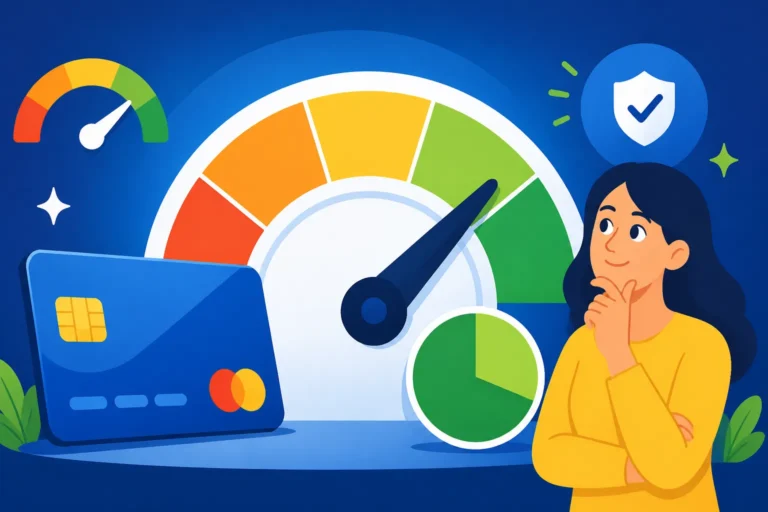
Before diving into the specifics of going over your limit, it's essential to grasp what credit utilization is and why it's such a big deal for your credit score. Think of your credit score as a financial report card, and credit utilization is one of the most heavily weighted subjects on it.
The Basics of Credit Utilization Ratio
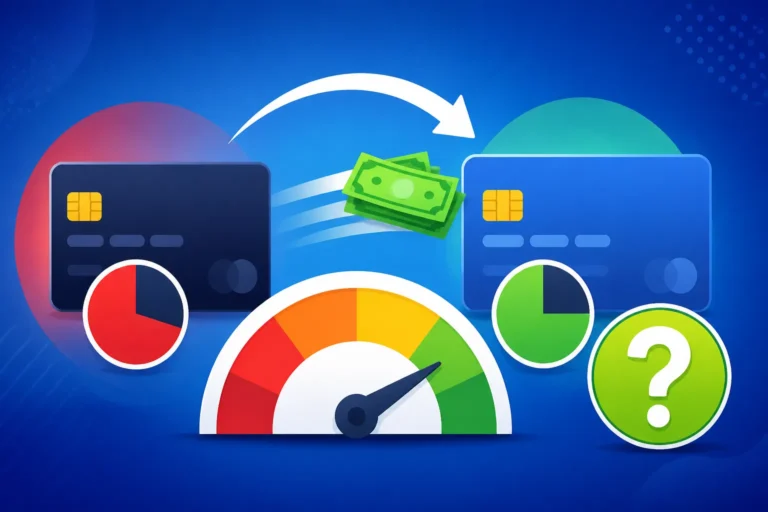
Your credit utilization ratio is simply how much of your available credit you're currently using. It's calculated by taking your total outstanding credit card balances and dividing that by your total available credit limits across all your revolving accounts. For example, if you have one credit card with a $1,000 limit and a $300 balance, your utilization for that card is 30%. If you have multiple cards, the credit bureaus look at both your utilization on individual cards and your overall utilization.
Lenders and credit scoring models like FICO and VantageScore see this ratio as a key indicator of your financial responsibility. A high ratio suggests you might be over-reliant on credit, potentially struggling to manage your finances, or even nearing financial distress. On the flip side, a low ratio indicates you're using credit sparingly and responsibly, which is a big green flag for lenders. Generally, keeping your overall credit utilization below 30% is considered good, and below 10% is excellent. For a more in-depth look, check out our complete guide on Credit Utilization: The Complete Guide.
Why It Matters So Much to Your Score
Credit utilization is one of the most influential factors in calculating your credit score, often accounting for about 30% of your FICO Score. Only payment history holds more weight. This is because it directly reflects your current debt load in relation to your borrowing capacity. If you're consistently maxing out your credit cards or even pushing close to the limit, it tells potential lenders that you might be a higher risk. They'll worry about your ability to take on new debt and manage payments, leading to higher interest rates on new loans, or even outright denials.
It's not just about how much you owe, but how much you could owe versus what you are owing. Imagine you have two people, both with $5,000 in credit card debt. One person has a total credit limit of $10,000, while the other has a total credit limit of $25,000. The first person has a 50% utilization rate, while the second has a 20% utilization rate. Even though they owe the same amount, the person with the lower utilization is seen as less risky because they have more breathing room and aren't using as much of their available credit. This subtle difference in utilization can lead to vastly different credit scores.
The Impact of Going Over Your Credit Limit
When you venture beyond your allocated credit limit, it's not just a minor slip-up; it triggers a series of negative consequences that can sting both your wallet and your credit score. This isn't just "high utilization" anymore; it's a breach of your credit agreement, and lenders tend to treat it with a bit more severity.
Immediate Damage to Your Credit Score
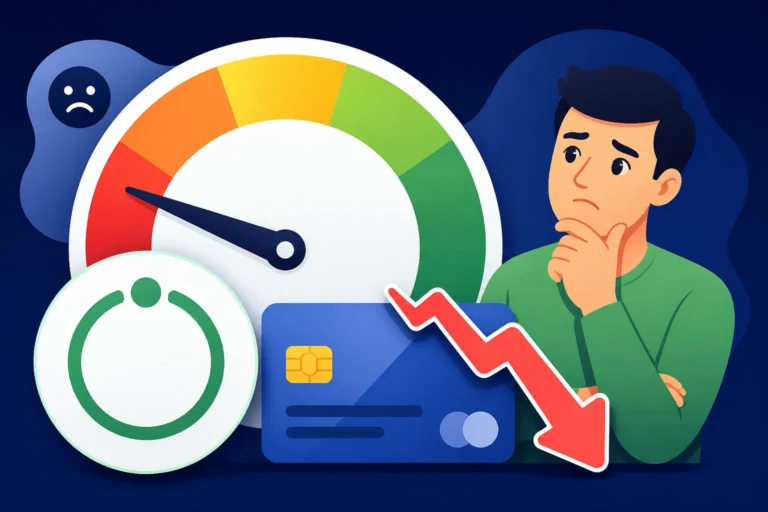
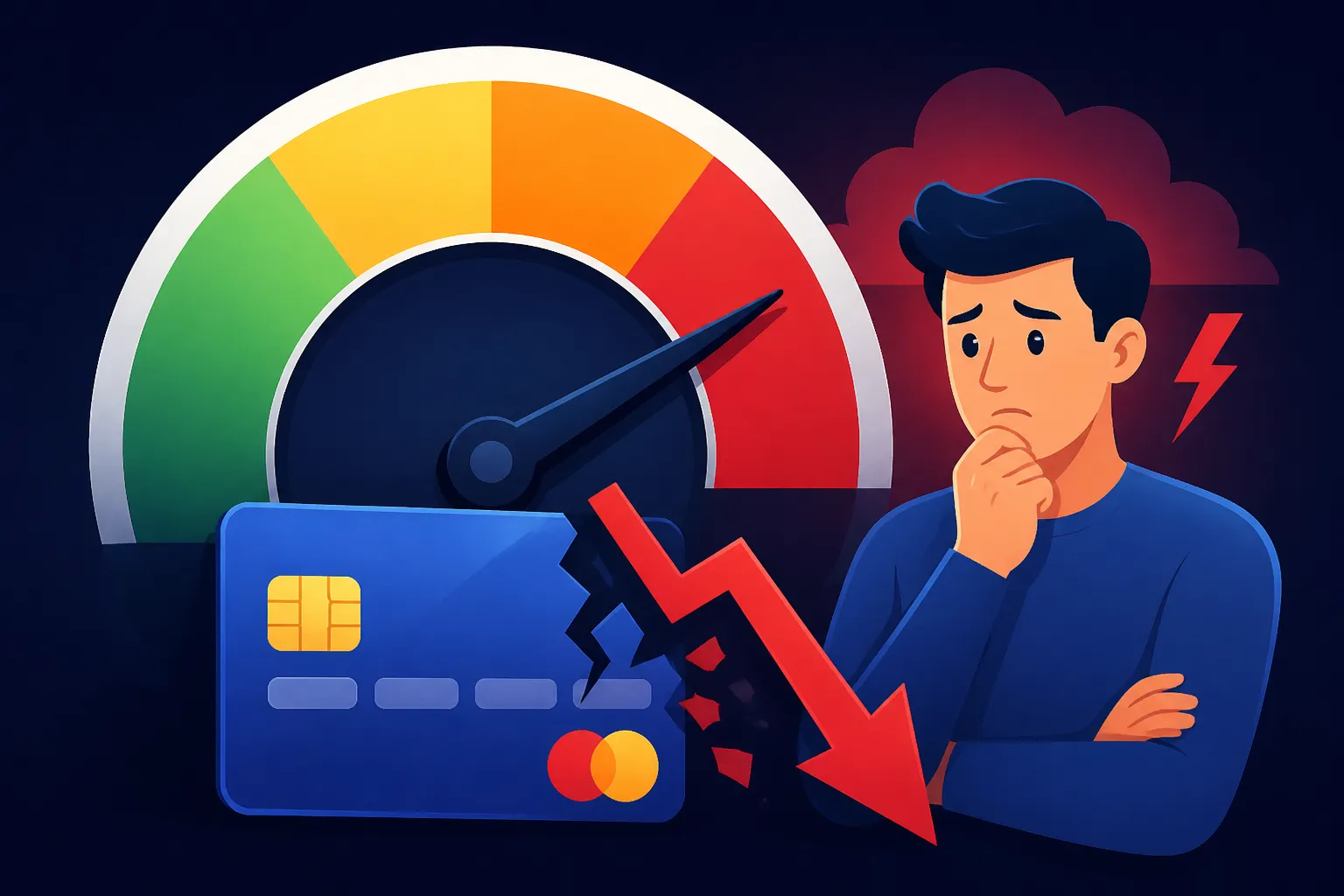
This is often the first and most painful hit. When your credit card issuer reports an "over limit" status to the credit bureaus (Equifax, Experian, and TransUnion), it's a glaring red flag. Credit scoring models are designed to penalize this behavior because it signals a high risk of default. You can expect your credit score to drop, potentially significantly, depending on your overall credit profile and how high over the limit you went. It shows that you're not managing your credit responsibly and that you're operating outside the agreed-upon terms with your lender. This can directly contribute to questions like Why Did My Credit Score Drop? Common Reasons.
Unlike simply having high utilization, an over-limit situation can sometimes lead to a double whammy:
- Increased Utilization: Your utilization ratio will skyrocket. If your limit was $1,000 and you spent $1,100, your utilization is now 110%. This alone will cause a significant drop.
- Specific Penalty for Over-Limit: Some older scoring models might have an explicit penalty for accounts that go over limit, in addition to the utilization hit. While newer models might integrate it into the overall risk assessment, the outcome is still undeniably negative.
Fees and Penalties from Your Lender
Beyond the credit score impact, your wallet will also feel the burn. Credit card companies can charge an "over-limit fee" each time you exceed your credit limit. This fee is typically capped by law – for instance, under the CARD Act of 2009, over-limit fees are limited to $25 for the first occurrence and $35 for subsequent occurrences within six months for the same account, unless your payment is more than 60 days late. However, this only applies if you opted in to allow over-limit transactions in the first place. If you didn't opt in, your transactions will simply be declined when you try to go over your limit.
Even if you did opt-in, paying these fees doesn't absolve you from the credit score damage. Plus, going over your limit can trigger other punitive actions from your lender. They might increase your interest rate (your APR) on future purchases, especially if you have a variable interest rate. They could also reduce your credit limit, which ironically makes it even easier to go over the limit again if you're not careful, and further negatively impacts your utilization ratio. This is a common tactic lenders use to mitigate their risk with a borrower they deem less responsible.
Long-Term Repercussions on Your Financial Health
The consequences of going over your credit limit aren't just immediate. They can ripple through your financial life for months, or even years. First, the negative mark on your credit report will stick around, impacting your ability to get favorable rates on mortgages, car loans, or even new credit cards. When lenders see an over-limit history, they see a borrower who might not manage debt well, making you a less attractive candidate for future credit.
Secondly, if your credit limit is reduced, it tightens your credit availability, making it harder to maintain a low utilization ratio even with modest spending. This can be a frustrating cycle. Furthermore, the increased interest rates mean you'll pay more for every dollar you borrow, making it harder to pay down debt and escape the cycle. This means more of your hard-earned money goes to interest, rather than reducing your principal. This is especially true when dealing with high-interest credit card debt. Learning How to Pay Off Credit Card Debt Fast becomes even more critical in such scenarios.
What to Do If You Go Over Your Credit Limit
Discovering you've gone over your credit limit can feel overwhelming, but it's not a permanent financial death sentence. The most crucial thing is to act swiftly and decisively to mitigate the damage and prevent it from spiraling further.
Take Immediate Action to Rectify
As soon as you realize you've gone over your limit, your first priority should be to bring your balance back down to, or ideally, below your credit limit. This means making a payment immediately. Don't wait for your next statement cycle. Paying electronically can often expedite the process, with funds sometimes becoming available or the balance adjusting within a day or two. The faster you bring the balance down, the less time it has to negatively impact your reported credit utilization, and the sooner you can avoid potential recurring over-limit fees.
Consider these steps:
- Pay More Than the Minimum: If you can, pay more than just the amount that put you over the limit. Aim to get your utilization well below the 30% threshold.
- Contact Your Issuer: Call your credit card company. Explain the situation. While they might not waive the over-limit fee, sometimes they are willing to work with you, especially if it's your first offense and you have a good payment history otherwise. This conversation can also clarify when your payment will reflect on your account and, importantly, when it will be reported to the credit bureaus.
- Avoid Further Spending: Until your balance is comfortably below your limit, avoid using that credit card for any purchases. Using it further will only dig you deeper into the hole.
Strategies to Prevent Future Overages
Once you've addressed the immediate issue, it's time to put preventative measures in place. This isn't just about avoiding fees; it's about protecting your credit score and fostering healthier financial habits.
- Set Up Alerts: Many credit card companies offer text or email alerts that notify you when your balance approaches your limit. Set these up! You can often customize them to trigger when you hit 70%, 80%, or 90% of your limit, giving you a heads-up before you cross the line.
- Track Your Spending: This might sound basic, but it's incredibly effective. Use a budgeting app, a spreadsheet, or even just a notebook to keep a running tally of your credit card spending. Knowing where your money goes is the first step in controlling it.
- Request a Credit Limit Increase: If you're consistently bumping up against your limit, but you pay on time and have a stable income, requesting a credit limit increase could be a good long-term strategy. This lowers your utilization ratio without you having to pay down existing debt, provided you don't then spend up to the new higher limit. However, be aware that a credit limit increase might involve a hard inquiry, which could temporarily ding your score. You can learn more about this by reading Does a Credit Limit Increase Hurt Your Score?.
- Consider a Credit Builder Loan: If managing revolving credit is a consistent struggle, or you just need to improve your credit habits, a product like a Credit Strong credit builder loan can be a structured way to build positive payment history without the temptation of overspending on a credit card. These loans lock away the money you borrow in a savings account, which is then released to you once you pay off the loan. It's a fantastic way to establish a good credit mix and demonstrate responsible repayment.
How to Rebuild Your Credit After an Over-Limit Incident
An over-limit incident can certainly feel like a setback, but it's not insurmountable. Rebuilding your credit takes time and consistent effort, but it is absolutely achievable. Focus on implementing responsible financial habits moving forward to gradually repair any damage.
Consistent, Responsible Credit Habits
The single most effective way to rebuild your credit after any negative mark is through consistent, positive credit behavior. This means making all your payments on time, every time. Payment history is the biggest factor in your credit score, accounting for 35% of your FICO score. One late payment or over-limit transgression can take a hit, but a long string of on-time payments will gradually outweigh it. Consider setting up automatic payments for your credit cards and other debts to ensure you never miss a due date.
Beyond payments, diligently manage your credit utilization. Aim to keep all your credit card balances as low as possible, ideally below 10-30% of your available credit. Even if you don't have a large income, showing that you can responsibly manage a small amount of credit can make a big difference. For those looking to establish or rebuild credit, exploring options like secured credit cards or credit builder loans, such as those offered by Credit Strong, can be a strategic move. These products are designed to help you build a positive payment history without the high risk of traditional unsecured credit, and they report your responsible behavior to the credit bureaus. You might find our article on How to Raise Your Credit Score helpful for more strategies.
Monitoring Your Progress
Regularly checking your credit report and score is vital for monitoring your progress and ensuring no new issues arise. You're entitled to a free credit report from each of the three major bureaus (Equifax, Experian, TransUnion) once every 12 months through AnnualCreditReport.com. Take advantage of this. Review your reports carefully for any inaccuracies, especially related to the over-limit incident. If you spot an error, dispute it immediately. Learning How to Dispute Credit Report Errors Step-by-Step can empower you to correct any mistakes.
Many credit card companies and banks also offer free credit score monitoring services, like Credit Karma or Experian Boost. While these might use VantageScore models, which can differ from FICO, they still give you a good general idea of your credit health and show trends. Watching your score gradually climb as you practice good habits can be incredibly motivating. Remember, building good credit is a marathon, not a sprint, and understanding How Long Does It Take to Improve Your Credit Score? can help set realistic expectations.
Credit Utilization Impact Comparison
To really put the "over the limit" scenario into perspective, here's a table comparing different credit utilization ranges and their typical impact on your credit score. Keep in mind these are general guidelines, and individual results can vary based on your overall credit profile.
| Credit Utilization Ratio (Overall) | General Impact on Credit Score | Key Characteristics / What it Signals |
|---|---|---|
| 0% (or very close to 0%) | Excellent | Shows very low reliance on credit; can sometimes be too low if no activity is reported. |
| 1% – 9% | Excellent | Ideal range; signals responsible credit use and management. |
| 10% – 29% | Good | Still considered good; manageable debt level. |
| 30% – 49% | Fair to Average | Starting to show higher reliance on credit; may slightly reduce score. |
| 50% – 99% | Poor | Signals high risk, often significantly impacts score negatively. |
| 100%+ (Over the Limit) | Very Poor / Significant Drop | Red flag for lenders; indicates inability to manage credit responsibly, often incurs fees. |
This table clearly illustrates why going over your limit is so detrimental. It's not just high utilization; it's pushing past the agreed-upon boundaries, which sends a strong negative signal to lenders and credit scoring models.
Final Thoughts on Over-Limit Utilization
While the immediate shock and stress of going over your credit limit can be daunting, it's crucial to remember that your credit score isn't set in stone. It's a dynamic reflection of your financial habits, and every positive step you take from here on out will contribute to its recovery. It might take some time, but by understanding the impact, taking swift corrective action, and committing to responsible credit management, you can absolutely get back on track. Building a solid financial foundation is a journey, and even bumps in the road like this are opportunities to learn and grow stronger.
Disclaimer
The information provided in this article is for general informational purposes only and does not constitute financial, legal, or professional advice. Always consult with a qualified financial advisor, credit counselor, or legal professional for advice tailored to your specific situation. Credit scores and financial outcomes are subject to individual circumstances and external factors.