How to Pay Off Credit Card Debt With Bad Credit
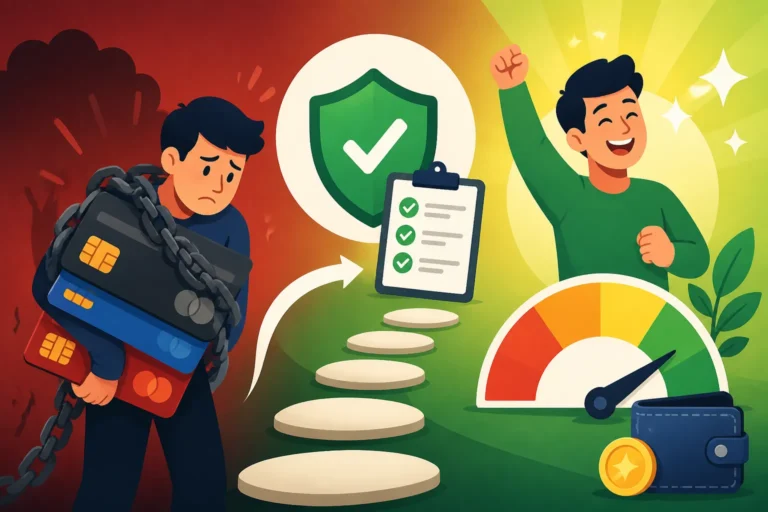
It feels like a double whammy, doesn't it? You're already struggling with credit card debt, and then you look at your credit score, and it's less than stellar, making everything feel even harder. It's a frustrating, often isolating experience to be caught in that cycle, feeling like every door is closed because of past financial challenges. This comprehensive guide is here to walk you through how to tackle credit card debt specifically when you're starting with a bad credit score, offering realistic strategies to pay down what you owe while simultaneously working to improve your financial standing.
Understanding Your Starting Point: Why Bad Credit Makes Debt Repayment Harder
When you're facing credit card debt, and your credit score is already on the lower end, it can feel like you're trying to climb a slippery slope. Many of the traditional debt-busting tools, like low-interest balance transfer cards or consolidation loans, often require a good credit score to even qualify. This can leave you feeling stuck, wondering how you're supposed to get ahead when the usual advice doesn't apply to your situation.
The Impact of Bad Credit on Your Options
Bad credit isn't just a number; it's a barrier. When lenders see a low score, they perceive a higher risk, which translates into fewer options and higher costs for you. This means:
- Higher Interest Rates: Any new credit you might qualify for, like a personal loan or a new credit card, will likely come with significantly higher interest rates. This makes it harder to pay down debt, as a larger portion of your payments goes towards interest rather than the principal balance. For example, if you have a balance of $5,000 at 25% APR, a substantial chunk of your minimum payment will be eaten up by interest each month, slowing your progress.
- Limited Access to Debt Consolidation: Balance transfer credit cards, which offer introductory 0% APR periods, are generally reserved for those with good to excellent credit. Similarly, personal loans designed for debt consolidation often have strict credit requirements. Without these tools, you can't easily combine multiple high-interest debts into one lower-interest payment, making the repayment journey more fragmented and expensive.
- Difficulty Obtaining New Credit to Build History: While you're focused on paying off debt, you also need to think about building a positive credit history. But if your credit is poor, getting approved for even a basic credit card or loan can be tough. This creates a Catch-22: you need credit to build credit, but you can't get credit because your credit is bad.
Facing the Reality of Your Debts
Before you can start climbing out of debt, you need a clear picture of what you're up against. This isn't about shaming yourself; it's about empowerment through knowledge. Gather all your credit card statements and list out every single debt you have.
- Identify All Creditors and Balances: List every credit card, the current balance, and the minimum payment due. Don't forget any other debts like personal loans, medical bills, or collection accounts.
- Note Interest Rates (APR): This is crucial. Knowing which cards carry the highest interest rates will help you prioritize your payments later on. A card with a 29.99% APR is far more damaging than one with 19.99%.
- Check Payment Due Dates: Organize your due dates to avoid missing payments, which is vital for protecting your credit score from further damage. Consider setting up automatic payments for at least the minimums to prevent this.
Once you have this information, you'll feel more in control, even if the numbers look daunting. It's the first step towards creating a solid plan.
Strategic Approaches to Debt Repayment with Bad Credit
When you have bad credit, you might not have access to the same debt consolidation tools that someone with excellent credit does. But that doesn't mean you're out of options. The key is to be disciplined, resourceful, and focused on consistent progress.
Method 1: The Debt Avalanche or Debt Snowball (Modified)
These two popular methods can still be incredibly effective, even with bad credit, though you might need to adjust your mindset slightly, as balance transfers aren't likely an option for moving debt to a lower APR.
- Debt Avalanche (Focus on High Interest First): This method involves listing all your debts from the highest interest rate to the lowest. You'll make minimum payments on all debts except the one with the highest interest rate, on which you throw every extra dollar you can find. Once that debt is paid off, you take the money you were paying on it (minimum payment + extra payments) and apply it to the next highest interest rate debt. This approach saves you the most money on interest over time. It's mathematically the most efficient.
- Debt Snowball (Focus on Smallest Balance First): With the snowball method, you list your debts from the smallest balance to the largest, regardless of interest rate. You make minimum payments on all debts except the smallest one, to which you direct all your extra funds. Once the smallest debt is paid off, you take the entire payment amount (the original minimum plus any extra you were adding) and apply it to the next smallest debt. This method focuses on psychological wins, providing quick successes that can motivate you to keep going.
Choosing between these often depends on your personality. If you need quick wins to stay motivated, the snowball might be better. If you're disciplined and want to save the most money, the avalanche is your friend. What's important here is consistency.
Method 2: Negotiating with Creditors
Many people are intimidated by the idea of calling their creditors, but it can be surprisingly effective, especially when you're truly struggling. Creditors would rather get some money than none at all.
- Request a Lower Interest Rate: Call your credit card companies and explain your situation. Be honest about your financial difficulties and your desire to pay off the debt. Politely ask if they can lower your interest rate. While it's not guaranteed, many companies will work with you, especially if you have a history of making payments, even if they've been minimums. Frame it as a way for you to make more consistent, larger payments if the interest burden is lessened.
- Ask for a Payment Plan: If a lower interest rate isn't an option, inquire about a hardship program or a structured payment plan. They might be able to temporarily reduce your minimum payments or pause interest accrual for a short period. This could give you breathing room to get back on your feet.
- Consider Debt Settlement (with caution): Debt settlement involves negotiating with creditors to pay a lump sum that is less than the total amount owed. This can significantly reduce your debt, but it comes with serious drawbacks. It will negatively impact your credit score, potentially for years, and often involves collection calls while the negotiation is ongoing. It's usually a last resort when you're truly unable to make payments and are considering bankruptcy. If you do consider this, be wary of companies promising quick fixes; research legitimate options and understand all the consequences.
Method 3: Exploring a Credit Counseling Agency
If you feel overwhelmed and unsure where to start, a non-profit credit counseling agency can be a lifeline. These agencies offer free or low-cost advice and services.
- Debt Management Plans (DMPs): A credit counselor can help you create a budget and might even be able to set up a Debt Management Plan. In a DMP, the agency negotiates with your creditors on your behalf for lower interest rates or waived fees and combines your monthly payments into one single payment made to the agency, which then distributes the funds to your creditors. This can make repayment more manageable and often stops collection calls. While not a "credit repair" service, successfully completing a DMP demonstrates responsible payment behavior, which can gradually improve your credit over time. It's different from debt settlement because you commit to paying back all of your principal debt, just with better terms.
Remember, reputable credit counseling agencies, like those accredited by the National Foundation for Credit Counseling (NFCC), won't charge exorbitant fees and will provide clear, honest advice about all your options.
Boosting Your Credit While You Pay Off Debt
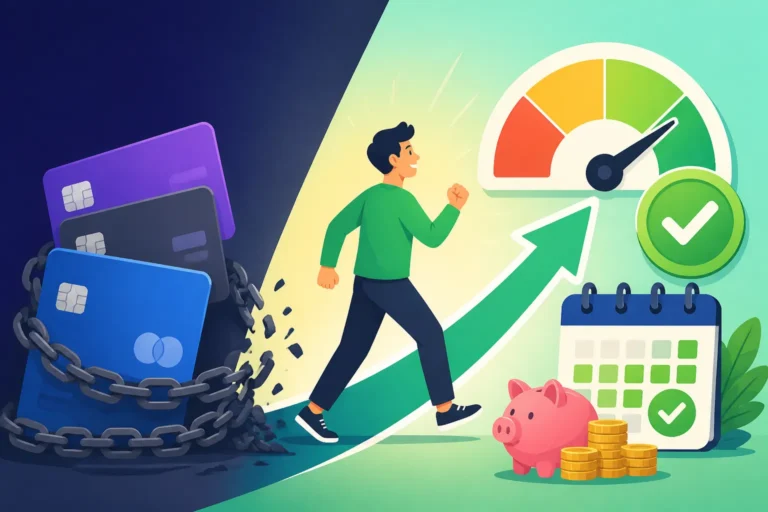
Paying off debt is one half of the equation; the other half, especially with bad credit, is actively working to improve your credit score. These two goals can absolutely happen simultaneously, and in many ways, they support each other.
Secured Credit Cards: A Stepping Stone
When traditional credit cards are out of reach, a secured credit card can be a fantastic tool to rebuild credit.
- How They Work: With a secured card, you put down a cash deposit, which typically becomes your credit limit. For example, a $200 deposit gives you a $200 credit limit. This deposit secures the card for the issuer, reducing their risk, which is why they're more accessible to those with bad credit.
- Building Your Credit History: You use the card just like a regular credit card, making purchases and paying your bill on time each month. The key here is that your payment activity is reported to the three major credit bureaus (Equifax, Experian, and TransUnion). Consistent, on-time payments are the most significant factor in your credit score, so this is where you build a positive payment history.
- Tips for Success:
- Keep Utilization Low: Even though it's a secured card, aim to keep your credit utilization below 30%—ideally even lower, like under 10%. If your limit is $200, try not to charge more than $20-$60 on it per month.
- Pay in Full: Always pay your statement balance in full by the due date to avoid interest and maximize the positive impact on your payment history.
- Graduate to Unsecured: Many secured cards, after a period of responsible use (typically 6-12 months), will "graduate" to an unsecured card, returning your deposit and giving you a higher limit. This is a great sign of progress!
You can learn more about how secured credit cards work to build credit in our guide, Secured Credit Cards: How They Build Credit.
Credit Builder Loans: A Unique Approach
Another excellent option for those with bad credit who need to establish a positive payment history is a credit builder loan. These loans are designed specifically to help you build credit and save money at the same time.
- How They Work: Unlike a traditional loan where you receive the money upfront, with a credit builder loan, the funds are typically held in a locked savings account or Certificate of Deposit (CD) by the lender. You make regular, fixed payments on the loan over a set period (e.g., 12-24 months). These payments are reported to the credit bureaus. Once you've paid off the loan in full, you receive the money that was held for you, minus any interest or fees.
- Advantages for Bad Credit: This structure eliminates risk for the lender, making them accessible even if you have a low credit score or a thin credit file. It forces you into a savings habit while simultaneously demonstrating responsible payment behavior.
- Providers: Companies like Credit Strong offer these types of credit builder loans, providing an accessible pathway for individuals to establish a positive credit history without needing a perfect credit score upfront. It's a way to show lenders you can manage debt responsibly, even if you don't have a long history of doing so.
To dive deeper into this, check out our article, Credit Builder Loans Explained (Self, Kikoff & More).
Adding Utility and Rent Payments to Your Report
Traditionally, rent and utility payments don't show up on your credit report unless they go to collections. However, services have emerged that allow you to report these on-time payments, giving you an additional boost.
- Rent Reporting Services: Companies like RentReporters or Experian Boost can often take your on-time rent payments and add them to your credit reports. Since housing costs are often your largest monthly expense, consistently paying them on time can significantly impact your payment history.
- Utility Reporting Services: Similarly, some services (including Experian Boost) can identify and add your on-time utility and cell phone payments to your Experian credit report. This can be a quick way to add positive payment history if you've been consistent.
This can be a quick way to add positive payment history if you've been consistent. While this won't help you pay off existing credit card debt directly, it strengthens your credit profile, which can open doors to better financial products down the line.
Here's a quick comparison of these credit-building tools:
| Feature | Secured Credit Card | Credit Builder Loan | Rent/Utility Reporting |
|---|---|---|---|
| Initial Requirement | Cash deposit (becomes credit limit) | No upfront cash, but you don't get funds until paid off | Proof of on-time payments (past or ongoing) |
| Primary Benefit | Builds credit history and establishes credit utilization | Builds credit history and encourages savings | Adds positive payment history for existing expenses |
| Access for Bad Credit | High | High | High |
| Reports to Bureaus | All 3 (usually) | All 3 (usually) | Varies by service; often 1 or more |
| Money Access | Immediate access to credit limit | Access to funds only after full repayment | No direct money access |
Maintaining Momentum and Avoiding Future Pitfalls
Paying off debt and improving your credit is a marathon, not a sprint. It takes dedication, resilience, and a commitment to changing old habits.
Creating a Sustainable Budget
A budget isn't about deprivation; it's about control and intentional spending. When you're paying off debt, a detailed budget is your most powerful tool.
- Track Your Income: Know exactly how much money is coming in each month.
- Categorize Your Expenses: Break down your spending into fixed costs (rent, car payment) and variable costs (groceries, entertainment). Apps like Mint, YNAB, or even a simple spreadsheet can help immensely.
- Identify Areas for Cuts: Look for places where you can reduce spending, even temporarily, to free up more money for debt payments. Could you cut back on dining out, cancel unused subscriptions, or find cheaper alternatives for necessities? Every extra dollar you put towards your high-interest debt saves you money in the long run.
- "Found Money" for Debt: Make a commitment to put any unexpected money (tax refunds, bonuses, gifts) directly towards your highest-interest debt.
Living on a budget when you're already stretched thin can be challenging, but it's essential for breaking the debt cycle. For more extensive guidance, consider reading our complete guide on How to Pay Off Credit Card Debt Fast.
Staying Motivated and Celebrating Small Wins
The journey to becoming debt-free and improving your credit can be long, and it's easy to get discouraged.
- Track Your Progress: Seeing your balances shrink and your credit score slowly tick up can be incredibly motivating. Use a spreadsheet, an app, or even a physical chart to visualize your progress. This helps reinforce that your hard work is paying off.
- Set Realistic Goals: Don't expect to pay off $10,000 in debt overnight. Break it down into smaller, achievable milestones, like paying off one specific card or increasing your credit score by 20 points in six months.
- Reward Yourself (Responsibly): When you hit a milestone, allow yourself a small, non-financial reward. Maybe it's a special treat you don't usually buy or an evening doing something you love. The key is to celebrate without derailing your financial progress.
- Seek Support: Talk to a trusted friend or family member, or join an online community for debt support. Knowing you're not alone can make a huge difference.
Remember that improving your credit score is part of this journey. Regularly checking your credit reports for free, as detailed in our guide How to Get Your Free Credit Report, allows you to monitor your progress and spot any errors that might be holding you back.
Building an Emergency Fund
It might seem counterintuitive to save money when you're trying to pay off debt, but having an emergency fund is critical, especially if you have bad credit.
- Preventing New Debt: An emergency fund acts as a buffer against unexpected expenses – a car repair, a sudden medical bill, or a job loss. Without one, these events almost always lead to new credit card debt, pushing you right back into the hole you just dug yourself out of.
- Start Small: Aim for a starter emergency fund of $500-$1,000. Even a small amount can prevent many minor crises from becoming major financial setbacks. Put it in a separate savings account that's easily accessible but not linked to your daily spending.
- Prioritize After Debt: Once your high-interest credit card debt is gone, you can then focus on building a more robust emergency fund, ideally covering 3-6 months of living expenses. This is a crucial step towards long-term financial stability.
By building a strong financial foundation, including a budget, an emergency fund, and consistently demonstrating responsible credit habits through tools like a Credit Strong loan or a secured card, you'll not only pay off your current debt but also prevent future bad credit situations. Your future self will thank you for the hard work you put in today.
Disclaimer
This article is for general informational purposes only and does not constitute professional advice. Laws, prices and regulations vary by location and change over time. Consult a qualified professional for guidance on your specific situation.