How to Pay Off $50,000 in Credit Card Debt
Finding yourself staring down $50,000 in credit card debt can feel like looking up at Mount Everest. It's an overwhelming, often isolating, experience that can leave you feeling hopeless about ever reaching the summit of financial freedom. But trust me, you're not alone, and this guide is here to provide a clear, empathetic path forward, breaking down this massive challenge into manageable steps so you can regain control of your financial life.
The Weight of $50,000 in Credit Card Debt: Understanding Your Starting Point
When you're facing a debt of this magnitude, it's easy to feel paralyzed by the sheer size of it. The constant interest charges, the endless stream of minimum payment reminders, and the fear of never truly getting ahead can create immense stress. Before you can tackle the problem head-on, it’s crucial to understand exactly what you're up against, not just in dollars, but in its impact on your life.
Acknowledging the Emotional Toll
Let's be real: having $50,000 in credit card debt is heavy. It can impact your sleep, your relationships, and your overall mental well-being. Many people feel ashamed or embarrassed, leading them to avoid confronting the issue, which only allows the problem to grow. It’s important to acknowledge these feelings and recognize that debt is a common struggle, not a personal failing. Give yourself grace, but also commit to taking action. This isn't about blaming yourself; it's about empowerment and finding solutions.
Calculating the True Cost of Your Debt
Beyond the initial $50,000 principal, credit card debt comes with a hefty price tag due to high interest rates. If your average APR (Annual Percentage Rate) is, say, 20%, you're likely paying thousands of dollars each year just in interest, keeping you on a treadmill where your payments barely touch the principal. You need to know the exact numbers for each card: the total balance, the interest rate, and the minimum payment. This clarity is your first weapon in the fight against debt.
For example, imagine you have a few cards:
- Card A: $20,000 balance, 22% APR, $400 minimum payment
- Card B: $15,000 balance, 19% APR, $300 minimum payment
- Card C: $10,000 balance, 25% APR, $250 minimum payment
- Card D: $5,000 balance, 18% APR, $100 minimum payment
That's $50,000 total with a combined minimum payment of $1,050 per month. If you only pay the minimums, you could be paying for decades and accrue tens of thousands more in interest. Understanding this real cost lights a fire under your efforts, showing you why a strategic plan is so vital. This is also where understanding your credit utilization comes into play, as carrying high balances significantly impacts this key credit factor.
Crafting Your Battle Plan: Strategies to Tackle Massive Debt
With $50,000, you need more than just good intentions; you need a structured approach. There are several well-known strategies, each with its own psychological and financial benefits. The best one for you will depend on your personality and financial situation.
Prioritizing Your Debts: Avalanche vs. Snowball
The two most popular debt payoff methods are the debt snowball and the debt avalanche. Both involve making minimum payments on all debts except one, on which you focus all your extra money.
Debt Avalanche
The debt avalanche strategy focuses on saving money by paying off the debt with the highest interest rate first. Once that card is paid off, you take the money you were paying on it (minimum payment + extra payment) and apply it to the next debt with the highest interest rate. This method mathematically saves you the most money over time because you're eliminating the costliest debt first. For a $50,000 debt, where interest charges can be astronomical, this is often the most financially savvy approach.
Let's say, referring to our example above, Card C (25% APR) would be your target first, followed by Card A (22% APR), then Card B (19% APR), and finally Card D (18% APR). This systematic approach helps you chip away at the most damaging interest, creating momentum as each high-interest debt disappears. You can learn more about this in our guide on Debt Snowball vs Debt Avalanche: Which Is Better?.
Debt Snowball
The debt snowball strategy focuses on psychological wins. With this method, you pay off your smallest debt balance first, regardless of the interest rate. Once that debt is gone, you take the money you were paying on it and apply it to the next smallest debt. The idea is that the quick wins provide motivation and build momentum, making you feel more capable of tackling the larger debts. While it might cost a bit more in interest in the long run compared to the avalanche method, the psychological boost can be invaluable for staying committed to such a long-term goal.
For the example cards, you'd target Card D ($5,000) first, then Card C ($10,000), then Card B ($15,000), and finally Card A ($20,000). The satisfaction of seeing a debt completely disappear can be a powerful motivator when you’re facing such a large total.
Exploring Debt Relief Options
Sometimes, the interest rates are so high, or the minimum payments so unmanageable, that you need external help. For a $50,000 debt load, traditional payoff methods might feel too slow or even impossible.
Debt Consolidation Loans
A debt consolidation loan allows you to combine multiple high-interest credit card debts into a single loan, ideally with a lower interest rate and a fixed monthly payment. This can simplify your payments and potentially save you a lot of money in interest, making your $50,000 debt feel more manageable. Lenders typically look for a decent credit score to offer favorable terms, but even with fair credit, you might find options. Always compare the APR, fees, and repayment terms carefully. You might find our article on Debt Consolidation vs Balance Transfer helpful in understanding the nuances.
Balance Transfer Credit Cards
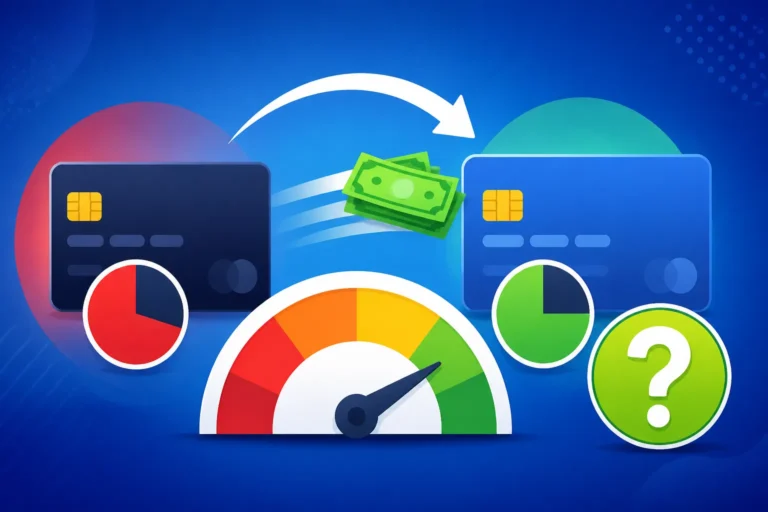
If you have good to excellent credit, you might qualify for a balance transfer credit card with a 0% introductory APR for a period, typically 12 to 21 months. This can give you a crucial window to make significant progress on your $50,000 debt without accruing any interest on the transferred balance. However, these cards usually come with a balance transfer fee (typically 3-5% of the transferred amount) and often have a credit limit that may not cover all $50,000. It's a great tool, but usually works best for a portion of the debt. Read more about Balance Transfer Cards: How They Work.
Credit Counseling and Debt Management Plans (DMPs)
If you're struggling to even make minimum payments, a non-profit credit counseling agency can be a lifesaver. They can assess your financial situation, help you create a realistic budget, and sometimes even negotiate with your creditors on your behalf to reduce interest rates or waive fees. A Debt Management Plan (DMP) is offered through credit counseling and consolidates your payments into one monthly sum to the agency, which then distributes the money to your creditors. This can make the $50,000 debt feel less daunting, and the lower interest rates can significantly speed up your payoff. Agencies like the National Foundation for Credit Counseling (NFCC) or Financial Counseling Association of America (FCAA) are good places to start your search.
Debt Settlement
Debt settlement is a more drastic measure where a company negotiates with your creditors to pay off your debt for less than the full amount owed. While it can reduce the principal, it often involves stopping payments to your creditors, which will severely damage your credit score. Creditors aren't obligated to settle, and you'll typically pay significant fees to the settlement company. This option is usually considered when bankruptcy is the only other alternative.
Negotiating with Creditors and Collection Agencies
Don't be afraid to talk to your creditors, especially if you're experiencing financial hardship. Many credit card companies would rather work with you to get some payment than have you default entirely. You might be able to negotiate a lower interest rate, a temporary hardship plan, or a payment plan that fits your budget. Be honest about your situation and proactive in seeking solutions. This approach is particularly effective if you haven't yet missed payments but foresee issues. Our guide on How to Negotiate With Debt Collectors can offer further insights.
Taking Action: Practical Steps to Accelerate Your Payoff
A plan is only as good as its execution. Once you've decided on a strategy, it's time to roll up your sleeves and implement some real-world changes to find the money you need to crush that $50,000 debt.
Creating a Realistic Budget and Finding Extra Income
This is the bedrock of any debt payoff journey. You need to know exactly where every dollar goes.
Start by tracking your expenses for a month or two. Use an app, a spreadsheet, or even just a notebook. Be ruthless in identifying areas where you can cut back. That daily coffee, subscriptions you don't use, eating out frequently – these "small" expenses add up surprisingly fast. The goal isn't to live like a monk forever, but to temporarily sacrifice to free up funds for your debt.
Once you’ve squeezed every last drop from your existing budget, look for ways to boost your income.
- Side hustles: Can you drive for a ride-share service, deliver food, freelance your skills, or sell items online?
- Temporary jobs: Pick up an extra shift at your current job if possible, or take on a part-time gig in the evenings or weekends.
- Sell unused items: Look around your home. Do you have old electronics, furniture, or clothes that you no longer need? Selling these can provide an immediate cash injection for your debt payments.
Every extra dollar you throw at your $50,000 debt will compound its effect, reducing the principal faster and saving you more in interest.
Leveraging Balance Transfers and Personal Loans Wisely
While we touched on these earlier, it’s worth reiterating how to use them strategically for a large debt. For a $50,000 balance, you likely won't get one balance transfer card or personal loan to cover it all. You might need to use a combination or target specific, high-interest chunks.
For example, if you qualify for a balance transfer card with a $15,000 limit and 0% APR for 18 months, transfer your highest interest $15,000 balance to it. Then, focus intensely on paying off that $15,000 before the promotional period ends. Meanwhile, you can apply an avalanche or snowball method to your remaining credit card debts. Always be mindful of the balance transfer fees, as these can add 3-5% to the transferred amount, which on $15,000 is an extra $450-$750.
Similarly, a personal loan might cover a larger chunk of your debt, say $20,000, at a lower fixed interest rate. This reduces your monthly interest payments and provides a predictable payment schedule. The key is to not run up the old credit cards again after transferring balances or consolidating debt. That's a surefire way to end up with even more debt than when you started.
The Power of Small Habits and Consistency
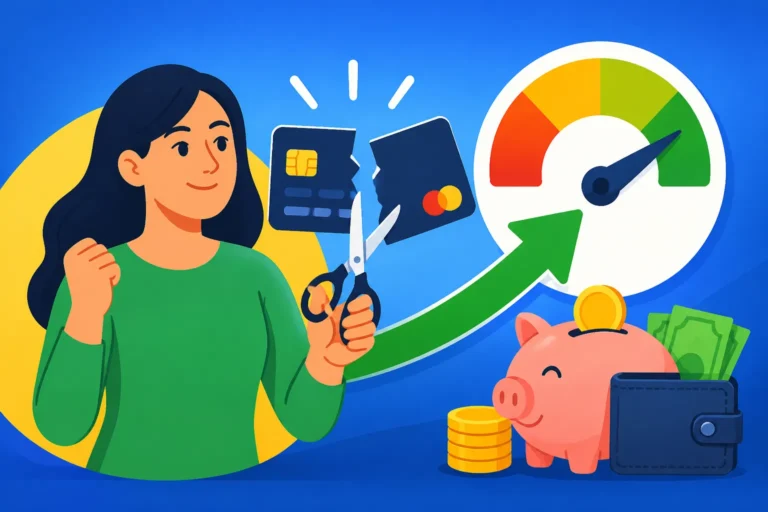
Paying off $50,000 isn't a sprint; it's a marathon. Consistency is far more important than intensity. Even if you can only throw an extra $50 or $100 at your debt each month, that consistency builds over time. Automate your payments so you never miss a due date. Set up reminders for extra payments. Celebrate small victories – when you pay off that first card, even if it's the smallest one, it's a huge step.
Think about the psychological impact: if you successfully pay off a $5,000 card using the snowball method, that momentum can fuel your determination for the next $10,000 card. These small wins contribute to the overall feeling of progress and keep you motivated on the long road ahead. For more insights into how consistent payments impact your score, check out Does Paying Twice a Month Help Your Score?.
Beyond the Payoff: Rebuilding and Protecting Your Financial Future
Once the $50,000 debt is gone, a massive weight will lift, but the journey isn't over. This is your chance to build a more resilient financial foundation and ensure you don't fall back into old habits.
Re-establishing Healthy Credit Habits
With your credit cards paid off, you'll see a significant improvement in your credit score, primarily due to vastly reduced credit utilization. Now, the goal is to maintain that good standing.
- Keep cards open (if responsible): Don't close old credit card accounts if they don't have annual fees. Keeping them open contributes to a longer credit history and a higher overall credit limit, which helps keep your credit utilization low. However, if having the cards open tempts you to spend, closing them might be a necessary evil for your financial health.
- Minimal spending: Use one or two credit cards for small, everyday purchases that you can pay off in full every single month. This shows responsible usage and helps maintain a good payment history without accruing new debt. Aim for a credit utilization ratio of under 30%, or even better, under 10%. Check out What Is a Good Credit Utilization Ratio? for more details.
- Build an emergency fund: A significant reason many people fall into debt is a lack of an emergency fund. Start saving 3-6 months' worth of living expenses in a separate, easily accessible savings account. This acts as a buffer against unexpected expenses, preventing you from relying on credit cards again.
Monitoring Your Progress and Avoiding Relapse
Regularly check your credit report from all three major bureaus (Equifax, Experian, and TransUnion) at AnnualCreditReport.com. This allows you to spot any lingering errors from your debt payoff journey and monitor for any suspicious activity. You can get your free credit reports from all three bureaus annually.
Relapse is a real concern. After the hard work of paying off $50,000, it's tempting to reward yourself with extravagant purchases. Instead, focus on new financial goals like saving for a down payment on a house, retirement, or continuing education. Consider tools that help you build credit responsibly without incurring new debt. For instance, a credit builder loan from a company like Credit Strong can be a great way to diversify your credit mix and build positive payment history while you save money. You make regular payments into a locked savings account, and those payments are reported to the credit bureaus, showing responsible financial behavior. Once the loan term ends, you get access to the money you've saved. This can be a smart move for strengthening your credit profile even further post-debt.
Strengthening Your Credit for Future Goals
Your improved credit score opens doors to better financial opportunities.
- Better loan rates: Whether it’s for a car, a home, or a personal loan, a higher credit score means lower interest rates, saving you thousands over the life of the loan.
- Increased approval odds: You'll have an easier time getting approved for apartments, insurance, and even some jobs that check credit.
- Financial peace of mind: The greatest reward is the peace of mind that comes with knowing you have control over your finances. You’re not just debt-free; you're financially stronger and smarter.
Take what you've learned from battling that $50,000 debt and apply it to every financial decision moving forward. It’s a powerful education that will serve you for a lifetime.
| Debt Payoff Strategy | Focus | Pros | Cons | Best For |
|---|---|---|---|---|
| Debt Avalanche | Highest interest rate first | Saves most money on interest, faster overall payoff | Can be demotivating initially due to slower "wins" | Those motivated by numbers, with discipline |
| Debt Snowball | Smallest balance first | Provides quick psychological wins, builds momentum | May pay more in interest over time | Those needing motivation and quick victories |
| Balance Transfer | 0% APR intro period | No interest on transferred amount for a limited time, fast progress | Balance transfer fees, credit limits may not cover all debt, good credit required | People with good credit, manageable debt portions, discipline to pay before intro ends |
| Consolidation Loan | Single loan, fixed payment | Simplifies payments, potentially lower interest rate | Requires decent credit, may extend repayment period, temptation to run up old cards | People who want simplified payments and better interest rates |
| Debt Management Plan (DMP) | Counseling + structured payments | Lower interest rates, single payment, structured support | Cards often closed, impacts credit for a period, requires commitment | Those overwhelmed, struggling with payments, needing external support |
Disclaimer
This article is for general informational purposes only and does not constitute professional advice. Laws, prices and regulations vary by location and change over time. Consult a qualified professional for guidance on your specific situation.