How to Pay Off $2,000 in Credit Card Debt in 1 Year
It's incredibly frustrating to see a credit card balance stubbornly sitting there, especially when you have a clear goal in mind like getting rid of that $2,000 in debt. Many of us have been there, looking at the numbers and feeling overwhelmed by the interest accruing. This guide is all about breaking down that $2,000 credit card debt into manageable steps, showing you exactly how to pay it off completely within one year, without sacrificing your peace of mind.
Understanding Your $2,000 Credit Card Debt Landscape
Let's be honest, staring at a $2,000 credit card balance can feel like a mountain, especially when you're just paying the minimums. But with a clear plan and a year to execute it, that mountain becomes a very achievable hill.
Why a 1-Year Goal is Smart
Opting to pay off $2,000 in credit card debt within a year isn't just an arbitrary number; it's a strategic move that can save you a significant amount of money and stress. When you only make the minimum payment, you're often barely scratching the surface of the principal balance. The bulk of your payment goes straight to interest, keeping you on a hamster wheel where the debt never seems to shrink. Many credit cards have high APRs, sometimes 20% or even higher. If you were only paying the minimum on $2,000 at 20% APR, it could take you years, even decades, to pay it off, costing you hundreds or even thousands in interest.
A one-year payoff goal forces you to be intentional. It creates a defined endpoint, which can be incredibly motivating. Instead of a vague hope of "someday," you have a concrete finish line just 12 months away. This accelerated timeline means less time for interest to compound, ultimately putting more money back into your pocket. Plus, the psychological boost of being debt-free from that particular card in just a year is immense. It frees up that monthly payment amount to be redirected towards savings, investments, or tackling other financial goals.
Calculating Your Monthly Payment Target
To pay off $2,000 in 12 months, the math might seem straightforward initially, but interest makes it a little more complex. Without factoring in interest, a simple division would suggest you need to pay roughly $166.67 per month ($2,000 / 12). However, credit card interest accrues daily on your outstanding balance, so you’ll need to pay a bit more than that to cover both the principal and the interest.
Let's assume a common credit card APR of 20%. To calculate a realistic monthly payment for a 12-month payoff, you'd be looking at something closer to $185 to $190 per month. This amount ensures you're chipping away at the principal effectively while also covering the interest charges each month. Knowing this exact figure is your first, crucial step. It gives you a tangible goal to integrate into your monthly budget. If your card has a different APR, you might need to adjust this. A quick online debt payoff calculator can give you a precise figure based on your card's specific interest rate. Understanding Credit Card APR and Interest Explained can really help clarify how this works.
The Psychological Weight of Debt
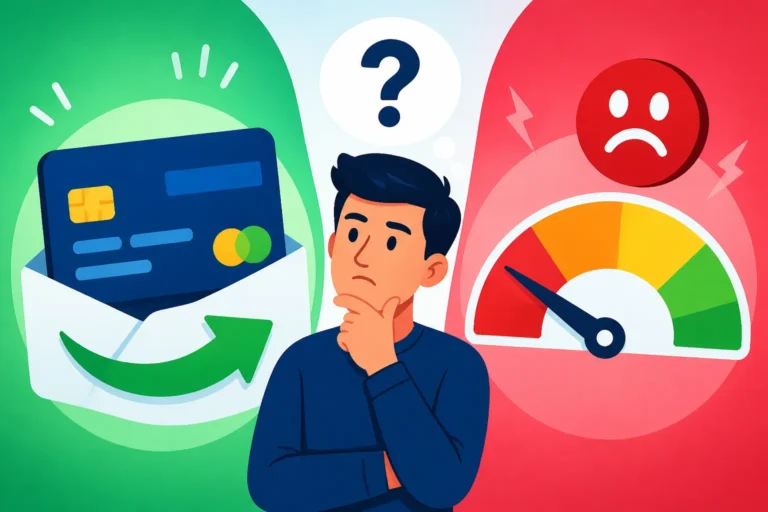
Let’s talk about the elephant in the room: the sheer mental burden of carrying credit card debt. It's not just a financial number; it’s a constant weight on your shoulders. That nagging feeling, the stress when the statement arrives, the worry about what would happen if an unexpected expense popped up—these are all very real frustrations many people experience. It’s hard to truly relax or plan for the future when you have this looming over you.
Imagine the relief you'll feel in just one year when that $2,000 balance is zero. Think of the extra breathing room in your budget, the freedom to save for something fun, or simply the peace of mind knowing you’ve conquered it. This isn't just about money; it's about reclaiming a sense of control over your financial life and improving your overall well-being. Keeping this future feeling in mind can be a powerful motivator when the going gets tough.
Strategies to Tackle Your $2,000 Debt Head-On
Conquering $2,000 in credit card debt in a year requires a proactive approach and a clear roadmap. It’s not about magic; it’s about making intentional choices every single day.
The Power of Budgeting and Tracking Every Penny
This might sound like the most basic advice, but it’s foundational: you absolutely need a budget. Many people resist budgeting because it feels restrictive, but think of it as a spending plan that gives you freedom, not takes it away. When you’re serious about paying off debt, you need to know exactly where your money is going. Start by tracking every dollar you spend for a month. Use an app, a spreadsheet, or even just a notebook. You might be shocked at how much goes to things you don’t even remember buying.
Once you have a clear picture, create a realistic budget. Categorize your expenses into fixed (rent, car payment) and variable (groceries, entertainment). Then, look for areas where you can trim. Could you pack your lunch instead of buying it? Can you cut down on streaming services for a year? Are there subscriptions you've forgotten about? Even small cuts, like reducing your daily coffee shop visit, can add up to significant savings over 12 months that can be redirected to your debt. For example, cutting $100 per month from discretionary spending frees up an additional $1,200 over the year to put towards your $2,000 goal.
Maximizing Your Payments Beyond the Minimum
This is perhaps the most critical strategy. As we discussed, minimum payments are designed to keep you in debt longer and maximize the interest you pay. To achieve your one-year payoff goal, you must pay more than the minimum. Your target monthly payment (around $185-$190 for a 20% APR) should be your new "minimum."
If you can find even more money to throw at the debt, do it. Every extra dollar goes straight to the principal, reducing the amount on which interest is calculated for the following month. Even an extra $20 here and there, when you get a bonus at work or an unexpected gift, can make a difference. Don't think of it as "extra money to spend" – think of it as "money to accelerate my debt freedom." It’s a habit that can drastically reduce how much you pay over time. If you're struggling to find those extra funds, our guide on How to Pay Off Credit Card Debt When You Can Only Afford Minimums might offer some creative solutions.
Exploring Extra Income Opportunities
Sometimes, cutting expenses isn't enough, or you’ve cut all you can. That's when it's time to explore ways to bring in more money. For a $2,000 debt goal, even a temporary side hustle can make a huge impact. Consider these options:
- Sell unused items: Look around your home. Do you have old electronics, clothing, furniture, or collectibles gathering dust? Listing them on platforms like Facebook Marketplace, eBay, or local consignment shops can bring in quick cash. If you can sell $200 worth of items per month for 10 months, you've already paid off your debt.
- Gig economy work: Driving for a ride-share service like Uber or Lyft, delivering food with DoorDash or Grubhub, or running errands for Instacart are flexible ways to earn money in your spare time. Even working a few extra hours on weekends can generate significant income towards your debt.
- Freelance your skills: Are you good at writing, graphic design, social media management, tutoring, or pet sitting? Platforms like Upwork or Fiverr connect freelancers with clients. Even local opportunities like babysitting or yard work can add to your income stream.
- Temporary part-time job: If your schedule allows, picking up a temporary part-time job for a few months could be the fastest way to hit your target. Every dollar from this extra income source goes directly to your credit card.
Advanced Tactics and Considerations for Faster Payoff
Once you've got your budget dialed in and are making consistent payments, you might want to consider some more advanced strategies to truly supercharge your debt payoff. These tactics can help you be even more efficient.
Debt Avalanche vs. Debt Snowball for $2,000
When you're dealing with multiple debts, the "debt avalanche" and "debt snowball" methods are popular for a reason. For a single $2,000 credit card debt, these methods might seem less relevant, but the principles still apply, especially if you have other smaller debts or a particularly high APR on this card.
- Debt Avalanche: This method focuses on paying off the debt with the highest interest rate first. While you only have one $2,000 credit card debt, if you have other smaller debts (like another credit card with a lower balance but higher APR, or a personal loan), you would prioritize the highest APR debt. The goal is to minimize the total interest paid over time. For your $2,000 credit card, this means ensuring you're prioritizing this debt if its APR is the highest among any other outstanding debts you might have.
- Debt Snowball: This method focuses on paying off the smallest debt first, regardless of interest rate, to build momentum and psychological wins. If your $2,000 credit card is your only debt, or your smallest debt, then this becomes your snowball. You focus all your extra payments on this $2,000 until it’s gone. The satisfaction of seeing that balance hit zero can be incredibly motivating to tackle your next financial goal.
For a single $2,000 credit card debt, the most effective approach is to simply throw as much money at it as possible, as outlined in the previous section. If you do have other debts, our detailed comparison of Debt Snowball vs Debt Avalanche: Which Is Better? can help you decide which approach aligns best with your personality and financial situation.
The Role of Credit Utilization
As you pay down your $2,000 credit card debt, an important factor you might notice improving is your credit utilization ratio. This ratio is a huge piece of your credit score puzzle, typically accounting for about 30% of your FICO score. It's calculated by dividing the total amount of credit you're currently using by your total available credit. So, if you have a $5,000 credit limit on your card and you owe $2,000, your utilization is 40% ($2,000 / $5,000).
As that $2,000 balance shrinks, your credit utilization will drop. Lenders like to see this ratio below 30%, and ideally even lower, like under 10%. A lower utilization ratio signals to creditors that you're not overly reliant on borrowed money and can manage your credit responsibly. This can actually lead to a boost in your credit score, making you look like a more attractive borrower for future financial needs. For a deeper dive, check out Credit Utilization: The Complete Guide and discover tips on How to Lower Your Credit Utilization Fast.
Potential Impact on Your Credit Score
Paying off your $2,000 credit card debt will almost certainly have a positive impact on your credit score, and for several key reasons. Firstly, as mentioned, reducing your credit utilization is a major factor. As you pay down that balance, your utilization ratio improves, which generally leads to an increase in your score. Secondly, making consistent, on-time payments is the biggest contributor to your credit score (35% of your FICO score!). By diligently paying off this debt every month, you're establishing a strong positive payment history.
This improved credit score can open doors down the line, whether it's qualifying for better interest rates on a future car loan or mortgage, or even getting approved for more premium credit cards with better rewards. It's a testament to your financial discipline. For a broader understanding of how debt impacts your score, read How Credit Card Debt Affects Your Credit Score, and if you're looking to make bigger changes, our guide on How to Raise Your Credit Score is a great resource. If, after paying off this debt, you're looking to further strengthen your credit profile, especially if you have a thin credit file or are rebuilding, tools like a Credit Strong Credit Builder account can be a consideration for establishing more positive payment history over time.
Keeping Momentum and Avoiding Future Debt
Paying off debt is one thing; staying out of it is another. Establishing good habits now will serve you well long after that $2,000 debt is gone.
Setting Up Automated Payments
Once you've calculated your target monthly payment to pay off your $2,000 debt in a year (e.g., $185-$190), set it up as an automated payment from your checking account. Seriously, do it right now. Automation is your best friend in debt repayment because it takes the guesswork and procrastination out of the equation. You won't forget a payment, and you won't be tempted to spend that money elsewhere.
Schedule the payment for shortly after your paycheck hits your account, before you have a chance to allocate those funds to other expenses. This "pay yourself first" mentality, but directed at your debt, ensures you consistently meet your goal. Even if you're typically good at remembering, life happens. Automating this crucial payment means you stay on track no matter what unexpected curveballs come your way. This is a key step in staying disciplined and seeing that balance disappear in 12 months.
Building an Emergency Fund
One of the biggest reasons people fall back into credit card debt is unexpected expenses. A car repair, a medical bill, a sudden job loss—these can easily derail your progress if you don't have a safety net. This is why building an emergency fund while you're paying off debt, or immediately after, is so crucial. Even if it's a small one to start, like $500 to $1,000, it provides a buffer.
Once your $2,000 credit card debt is gone, redirect the money you were paying towards that debt into a dedicated savings account for your emergency fund. Aim to save at least three to six months' worth of living expenses. This fund acts as your personal financial bodyguard, protecting you from future debt. Instead of reaching for your credit card when trouble strikes, you can tap into your savings, keeping you on the path to long-term financial stability.
Practicing Mindful Spending
After diligently budgeting and making aggressive payments for a year, you’ll have developed some excellent financial habits. Don't let them slide once the debt is gone! Transition from "debt repayment mode" to "mindful spending and saving mode." This means continuing to be aware of where your money is going and making conscious decisions about your purchases.
Ask yourself before buying something: "Do I really need this, or do I just want it?" "Does this align with my financial goals?" "Can I afford this without compromising my savings or budget?" This doesn’t mean you can never enjoy yourself or buy nice things. It means you’re making informed decisions, prioritizing your long-term financial health, and using credit responsibly, not as an extension of your income. For further guidance on maintaining good credit habits, consider reading How to Use a Credit Card to Build and Keep Good Credit. This continuous practice will ensure you remain debt-free and continue building a strong financial future.
Here's a breakdown of what a hypothetical $2,000 debt payoff could look like with a 20% APR over 12 months, assuming a consistent monthly payment of $185:
| Month | Starting Balance | Monthly Payment | Interest Paid | Principal Paid | Ending Balance |
|---|---|---|---|---|---|
| 1 | $2,000.00 | $185.00 | $33.33 | $151.67 | $1,848.33 |
| 2 | $1,848.33 | $185.00 | $30.81 | $154.19 | $1,694.14 |
| 3 | $1,694.14 | $185.00 | $28.24 | $156.76 | $1,537.38 |
| 4 | $1,537.38 | $185.00 | $25.62 | $159.38 | $1,378.00 |
| 5 | $1,378.00 | $185.00 | $22.97 | $162.03 | $1,215.97 |
| 6 | $1,215.97 | $185.00 | $20.27 | $164.73 | $1,051.24 |
| 7 | $1,051.24 | $185.00 | $17.52 | $167.48 | $883.76 |
| 8 | $883.76 | $185.00 | $14.73 | $170.27 | $713.49 |
| 9 | $713.49 | $185.00 | $11.89 | $173.11 | $540.38 |
| 10 | $540.38 | $185.00 | $9.01 | $175.99 | $364.39 |
| 11 | $364.39 | $185.00 | $6.07 | $178.93 | $185.46 |
| 12 | $185.46 | $185.46 | $3.09 | $182.37 | $0.00 |
| Total | $2,220.46 | $223.55 | $2,000.00 |
(Note: This table assumes a fixed monthly payment and constant APR, and may vary slightly based on actual billing cycles and interest calculation methods.)
Disclaimer
This article is for general informational purposes only and does not constitute professional advice. Laws, prices and regulations vary by location and change over time. Consult a qualified professional for guidance on your specific situation.