How to Pay Off $20,000 in Credit Card Debt
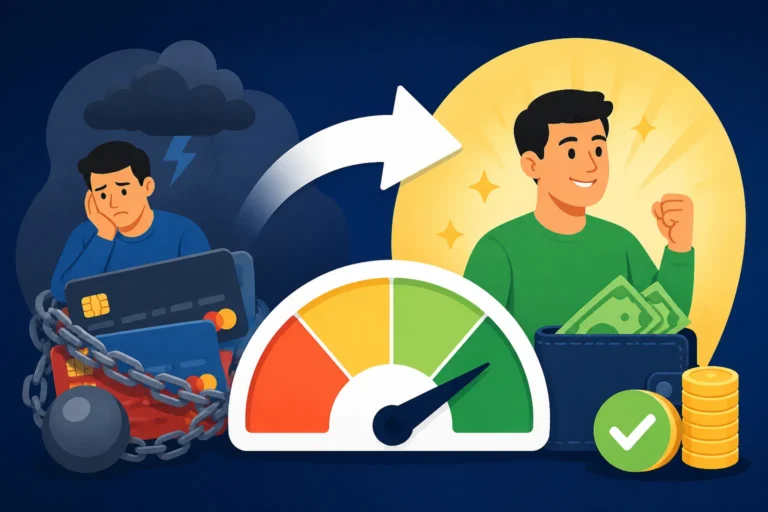
Carrying a heavy load of credit card debt, especially something like $20,000, can feel like you're constantly swimming against a strong current. The daily stress of high-interest rates, minimum payments that barely touch the principal, and the worry about your financial future is incredibly real and utterly exhausting. This guide is here to offer a clear, empathetic path forward, breaking down exactly how you can tackle and ultimately overcome a significant credit card debt burden like $20,000, step by step.
Acknowledging the Weight of $20,000 in Credit Card Debt
It’s easy to feel a sense of shame or overwhelming defeat when you're facing a mountain of credit card debt. You might replay past decisions, wondering where things went wrong, or feel paralyzed by the sheer size of the number. But let me tell you, you are far from alone in this. Many people find themselves in this situation due to a mix of unexpected life events, small spending habits adding up, or simply not fully understanding how credit card interest can compound so quickly. The first, and arguably most important, step is to acknowledge the reality of the situation without judgment, and understand that recovery is absolutely possible.
The Emotional and Financial Toll
Beyond the numbers on a statement, credit card debt carries a significant emotional weight. It can impact your sleep, your relationships, and your general sense of well-being. The constant nagging feeling, the anxiety when the mail arrives, or the guilt every time you swipe a card (even for necessities) are all very real experiences. Financially, $20,000 in credit card debt, especially with typical interest rates that can range from 18% to over 25%, means you're likely paying hundreds of dollars each month just in interest, making it incredibly difficult to make a dent in the principal balance. This cycle of high interest and minimum payments is designed to keep you on the hook, and it can feel like a trap. Understanding this impact is crucial because it fuels your motivation to break free.
When you're constantly paying high interest, that money isn't going towards your goals, your savings, or even just enjoying life a little more. It's essentially evaporating. This realization often sparks a turning point for people, shifting from passive worry to active problem-solving. It's about recognizing that every dollar you put towards the principal is a dollar you're reclaiming for your future. The good news is that by taking a proactive approach, you can stop the bleeding and start making real progress towards a debt-free life.
Understanding How You Got Here Without Blame
It’s human nature to look back and point fingers, whether at yourself or external circumstances. However, dwelling on past mistakes isn't productive. Instead, a more helpful approach is to understand the patterns that led to this debt, so you can avoid repeating them. Was it an emergency that you didn't have savings for, like a medical bill or car repair? Did a period of unemployment or reduced income force reliance on credit cards? Or perhaps it was a slow accumulation from everyday purchases, dining out, or holiday shopping that got out of hand? Many times, it's a combination of these factors.
Maybe you were using credit cards to bridge the gap between paychecks, or perhaps you fell into the trap of only paying the minimums, not realizing how much interest was accruing. Perhaps you didn't fully grasp how credit card debt affects your credit score, making other financial opportunities more expensive or out of reach. Whatever the reason, identifying these triggers and understanding your spending habits without shame is a powerful step. It allows you to create a plan that addresses the root causes, not just the symptoms, and sets you up for lasting financial health.
Laying the Groundwork for Debt Freedom
Before you can effectively tackle $20,000 in credit card debt, you need to arm yourself with information and a solid plan. Think of it like mapping out a long road trip; you wouldn't just jump in the car without knowing your destination or having a rough idea of the route. This foundational work will reduce anxiety and give you a clear direction.
Getting a Clear Picture of Your Debt
The first practical step is to gather all your credit card statements. Yes, all of them. This can be intimidating, but it's essential to know exactly what you're up against. List out every single credit card, its current balance, its interest rate (APR), and the minimum payment due. This information might be overwhelming at first glance, but seeing it all laid out will demystify the problem and make it feel more manageable.
Create a simple spreadsheet or even just a notebook page to track this. This is your personal debt inventory. Pay close attention to the interest rates. Cards with higher APRs are costing you more money every single day, which will be a key factor in deciding your repayment strategy. Don't forget to check your credit report for free to ensure you haven't missed any accounts and to get a full picture of your credit standing. Knowing your exact balances and interest rates is non-negotiable for an effective repayment plan.
| Credit Card Issuer | Current Balance | Interest Rate (APR) | Minimum Payment |
|---|---|---|---|
| Card A | $8,500 | 24.99% | $250 |
| Card B | $6,200 | 21.74% | $180 |
| Card C | $3,300 | 19.99% | $100 |
| Card D | $2,000 | 26.99% | $75 |
| TOTAL | $20,000 | $605 |
This kind of table provides a stark, yet empowering, overview. It shows you precisely where your money is going and helps prioritize which debts to attack first.
Creating a Realistic Budget and Finding Extra Cash
Once you know what you owe, the next step is to understand what you earn and where your money is currently going. This means creating a detailed budget. This isn't about deprivation; it's about control and intentional spending. Track every dollar for a month – your income, fixed expenses (rent/mortgage, utilities, car payments), and variable expenses (groceries, dining out, entertainment). Many free budgeting apps and tools can help with this.
After tracking, identify areas where you can cut back. Even small changes can add up quickly. Can you pack your lunch instead of buying it? Cut down on streaming services or subscriptions you barely use? Pause eating out for a few months? Every dollar freed up from your regular spending is a dollar you can throw at your debt. Remember, this isn't forever, just a focused period to gain momentum. For ideas on how to pay off credit card debt when you can only afford minimums, sometimes finding even a small extra amount can make a big difference.
Beyond cutting expenses, think about boosting your income. Can you pick up extra shifts, freelance, sell unused items, or start a side hustle? Even an extra $100-$200 a month can accelerate your repayment plan significantly. Consider gig economy jobs like dog walking, delivery services, or virtual assistant work. The more money you can direct towards your principal balance, the faster you'll reach your goal of being debt-free.
Choosing Your Debt Repayment Strategy
With your debt fully inventoried and a budget in place, it's time to choose a strategy to attack that $20,000. There are two popular methods that provide structure and motivation, along with other tools that can help in specific situations.
The Debt Snowball vs. Debt Avalanche Methods
These are two tried-and-true methods, and the best one for you often comes down to psychology versus pure math.
Debt Snowball Method:
This strategy focuses on paying off your debts in order from smallest balance to largest, regardless of interest rate. You make minimum payments on all debts except the smallest one, where you throw every extra dollar you have. Once that smallest debt is paid off, you take the money you were paying on it (its minimum payment plus all the extra you were contributing) and roll it into the next smallest debt. This creates a "snowball" effect, where your payments grow larger as each debt is eliminated.
- Pros: The biggest advantage here is the psychological boost. Paying off that first small debt quickly provides a huge sense of accomplishment and keeps you motivated. It’s incredibly satisfying to cross one off the list.
- Cons: Mathematically, you might pay more in interest over time because you're not prioritizing the highest interest debts first. However, many people find the consistent wins keep them on track when the mathematical difference is worth the motivation.
- Scenario: Let's say you have four credit cards. You tackle Card D ($2,000 at 26.99% APR) first, even though Card A has a higher balance but a lower APR. Once Card D is paid off, you roll those payments into Card C, and so on. The early wins keep your spirits high.
Debt Avalanche Method:
This method prioritizes debts with the highest interest rates first, regardless of the balance. You make minimum payments on all debts except the one with the highest APR, where you direct all your extra funds. Once that debt is paid off, you move to the next highest interest rate debt.
- Pros: This is the mathematically optimal strategy. By eliminating the highest interest rates first, you save the most money on interest charges over the long run and get out of debt faster, assuming you stick with the plan.
- Cons: If your highest interest debt is also your largest, it might take longer to see that first debt completely paid off, which can be demotivating for some.
- Scenario: With our example table, you'd attack Card D (26.99% APR) first, then Card A (24.99% APR), and so on. While it might take longer to pay off the initial large, high-interest debt, the overall cost of your debt will be lower.
Which is better? The best strategy is the one you will stick with. If you need quick wins to stay motivated, the snowball might be for you. If you're disciplined and focused on saving money, the avalanche is likely your best bet. Consider what motivates you most when deciding between these two powerful strategies. For a deeper dive, you might find our guide on Debt Snowball vs Debt Avalanche: Which Is Better? helpful.
Exploring Balance Transfers and Debt Consolidation
Beyond the snowball and avalanche methods, there are other financial tools that can help manage $20,000 in credit card debt, especially if your interest rates are particularly high.
Balance Transfers:
A balance transfer involves moving debt from one or more high-interest credit cards to a new credit card, often one with a promotional 0% APR for a limited period (e.g., 12-21 months). This can be a game-changer because it gives you a window of time to pay down a significant chunk of your principal without incurring additional interest.
- Considerations: You typically need good credit to qualify for the best balance transfer offers. There's often a balance transfer fee (usually 3-5% of the transferred amount), which you need to factor into your calculations. It's crucial to pay off the entire transferred balance before the promotional period ends, as the interest rate can jump significantly after that. Also, avoid using the old, now empty, credit cards for new purchases, or you could end up in more debt. Check out our detailed guide on Balance Transfer Cards: How They Work to learn more.
- Scenario: If you transfer $10,000 of your $20,000 debt to a new card with a 0% APR for 18 months and a 3% transfer fee, you'd pay a $300 fee but save potentially thousands in interest if you manage to pay it down during the promotional period.
Debt Consolidation Loans:
A debt consolidation loan is a personal loan that you use to pay off multiple credit card debts. The goal is to combine several high-interest debts into a single loan with a lower interest rate and a fixed monthly payment. This simplifies your payments and often reduces the total interest paid over the life of the loan.
- Considerations: Like balance transfers, qualification for a good consolidation loan often requires a decent credit score. The interest rate you get will depend on your creditworthiness. While it simplifies payments, it doesn't reduce the amount of debt you owe; it just changes who you owe and at what rate. It's vital to close or put away the paid-off credit cards to avoid accumulating new debt. For more insights, you can read about Debt Consolidation vs Balance Transfer to see which might be the better fit for your situation.
It's important to approach both balance transfers and consolidation loans with discipline. These are tools to help you manage debt more effectively, not magic bullets that make the debt disappear. The underlying principle of consistently paying more than the minimum remains crucial.
Long-Term Habits for Sustained Financial Health
Paying off $20,000 in credit card debt is a huge accomplishment, but the journey doesn't end there. The real victory lies in building habits that prevent future debt and foster lasting financial stability.
Protecting Your Credit Score During Repayment
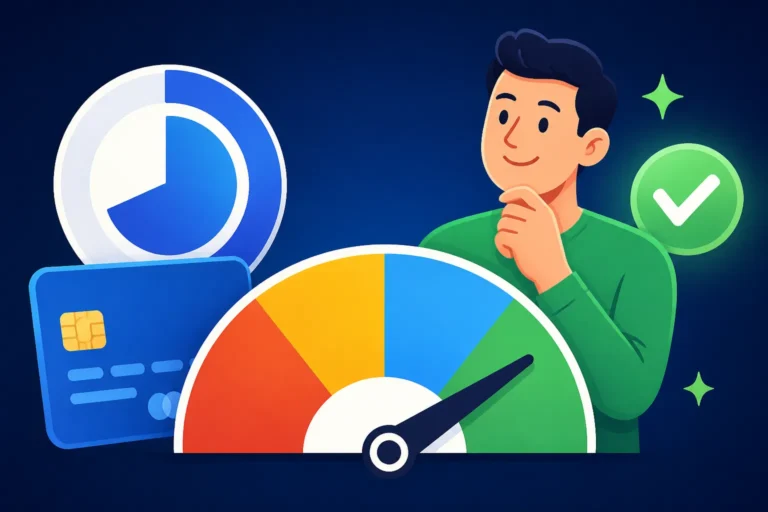
During your debt repayment journey, your credit score might take a hit, especially if you had high credit utilization. However, your consistent, on-time payments will gradually start to improve it. As you pay down balances, your credit utilization will decrease, which is one of the most impactful factors for your score. Aim to lower your credit utilization fast, ideally keeping it under 30% of your available credit, and even better, under 10%. This is critical to improving your score.
Once you’ve made significant progress, or even after paying off your debt completely, you might want to look into rebuilding and strengthening your credit. For instance, if you've struggled with a thin credit file or need to demonstrate responsible credit use, tools like a credit-builder loan can be very beneficial. A program like Credit Strong, for example, allows you to save money while building a positive payment history, which then gets reported to the credit bureaus. It's not about taking on more debt to pay off old debt, but rather strategically using a small, structured loan to add positive activity to your credit report once you're on more solid ground with your existing credit card debt. Regularly checking your credit score for free will help you track your progress and identify any potential errors. Understanding what is a good credit utilization ratio and actively managing it will be key.
Remember, the goal isn't just to get rid of the debt, but to make sure you have strong credit for future needs, whether it's buying a house, a car, or even renting an apartment. Our guide on How to Use a Credit Card to Build and Keep Good Credit offers more strategies for maintaining a healthy credit profile.
Building an Emergency Fund and Avoiding New Debt
One of the most critical steps to prevent falling back into debt is to establish a robust emergency fund. Many people end up using credit cards for unexpected expenses because they don't have savings to fall back on. Start by saving a small amount, perhaps $1,000, as quickly as possible. This "mini-emergency fund" can act as a buffer against minor financial surprises. Once your credit card debt is cleared, you can then focus on building this fund further, aiming for 3-6 months' worth of living expenses. This financial cushion is your shield against future debt accumulation.
As you pay off your credit cards, resist the temptation to close all of them. Keeping older accounts open, even with zero balances, can actually help your credit score by maintaining a longer credit history and higher overall available credit (which helps your utilization ratio). Instead, tuck them away, perhaps in a drawer, or use one for a small, easily payable recurring expense (like a streaming service) that you pay off in full every single month. The key is to break the cycle of relying on credit for everyday spending and to avoid taking on any new debt unless it's for a truly essential and well-planned investment. Learning how to build credit after debt settlement, if that was part of your journey, will also be important for future financial stability.
The journey to paying off $20,000 in credit card debt is challenging, but it's entirely achievable with a clear plan, discipline, and a commitment to new financial habits. Every step you take, no matter how small, moves you closer to financial freedom and a less stressful life.
Disclaimer
The information provided in this article is for educational purposes only and should not be considered financial or legal advice. It is recommended to consult with a qualified financial advisor or credit counselor for personalized guidance regarding your specific financial situation.