How to Pay Off Credit Card Debt With a Tight Budget
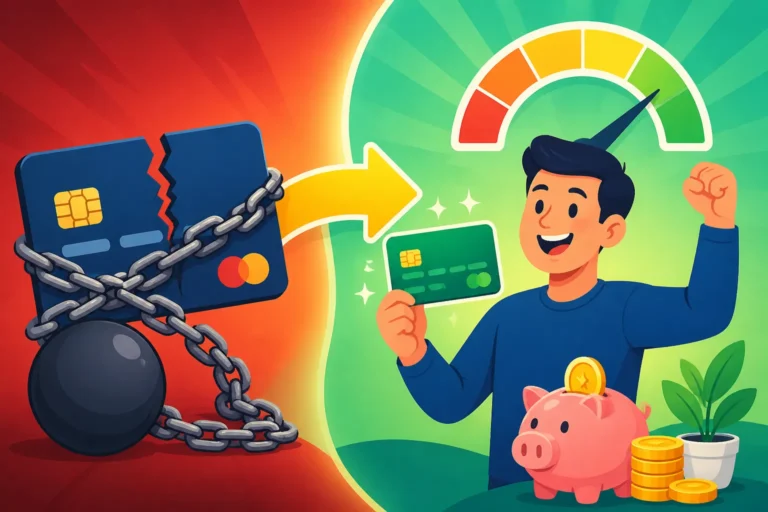
It's a tough spot to be in, feeling the weight of credit card debt when every dollar is already stretched thin. You're not alone in this struggle, and it can feel like an impossible mountain to climb, especially when basic necessities eat up most of your income. But I'm here to tell you it's not impossible. This guide will walk you through actionable steps to tackle that credit card debt, even on the tightest of budgets, helping you find breathing room and a path forward.
Getting Real with Your Budget: Unearthing Hidden Cash Flow
When you're dealing with a tight budget, the first and most critical step is to truly understand where every single penny is going. It's not enough to have a vague idea; you need granular detail. This can feel daunting, even a little scary, because it forces you to confront financial realities you might prefer to avoid. But trust me, knowledge is power here, and clarity will be your greatest asset in finding ways to pay off credit card debt.
Meticulously Tracking Every Expense
The idea here is to become a financial detective. For at least a month, track everything you spend. And I mean everything. That morning coffee, the little snack from the convenience store, streaming subscriptions you rarely use, gas, groceries, rent – all of it. You can use an app like Mint or YNAB, a simple spreadsheet, or even just a notebook and pen. The goal isn't to judge your spending right now, but simply to observe it. Many people are genuinely surprised by how much those small, discretionary purchases add up over time. You might find a significant chunk of change disappearing into categories you hadn't even considered. This detailed tracking will reveal patterns and show you exactly where your money is leaking.
Once you have a clear picture, categorize your expenses into "needs" and "wants." Needs are things like housing, utilities, transportation to work, and basic groceries. Wants are dining out, entertainment, subscriptions beyond one or two, new clothes, or impulse buys. This distinction is crucial for identifying areas where you can trim. Remember, even a small reduction in daily "wants" can free up significant funds over a month, which can then be directly applied to your credit card debt.
Identifying Potential Areas for Cuts
After tracking, it's time to put on your ruthless hat. This isn't about depriving yourself indefinitely, but about making strategic sacrifices to achieve a bigger goal: becoming debt-free. Start with the "wants" list. Could you cancel one or two streaming services for a few months? Can you commit to making coffee at home instead of buying it out? What about meal planning to reduce grocery waste and avoid expensive takeout? Look for areas where you can reduce spending without completely sacrificing your quality of life, or at least for a temporary period. Even small savings, like switching to a cheaper cell phone plan or calling your internet provider to negotiate a lower rate, can add up.
Think about your grocery budget, for example. Planning meals, buying store brands, and opting for sales can significantly cut costs. Instead of buying individual snacks, purchase larger quantities and portion them yourself. Cooking at home is almost always cheaper and often healthier than eating out. Even if you love a particular coffee shop, making a conscious choice to cut back to once a week instead of daily can save you hundreds over a year. Every dollar you free up from these areas is a dollar you can throw at your debt, accelerating your progress and reducing the interest you pay in the long run.
Strategic Debt Attack Plans for Lean Times
Once you've squeezed every possible dollar from your budget, it's time to put those funds to work. Simply making minimum payments is a recipe for staying in debt for years, especially when interest rates are high. You need a deliberate strategy to pay off your credit card debt fast.
Debt Snowball vs. Debt Avalanche
These are the two most popular methods for tackling multiple credit card debts, and both have their merits, especially when you're working with a tight budget.
- Debt Snowball Method: With this strategy, you list all your debts from the smallest balance to the largest, regardless of interest rate. You make minimum payments on all debts except the smallest one, to which you throw every extra dollar you can find. Once that smallest debt is paid off, you take the money you were paying on it (the minimum payment plus all the extra you were contributing) and apply it to the next smallest debt. It's like a snowball rolling downhill, gathering size and momentum.
- Pros for Tight Budgets: The psychological wins are huge with the debt snowball. Paying off that first small debt quickly provides a massive boost of motivation, showing you that you can do this. When you're on a tight budget, those small victories can be the fuel you need to keep going, even when things feel difficult.
- Cons: You might pay more interest over the long run because you're not prioritizing higher-interest debts first.
- Debt Avalanche Method: Here, you list your debts from the highest interest rate to the lowest. You make minimum payments on all debts except the one with the highest interest rate, to which you direct all your extra money. Once that high-interest debt is paid off, you move on to the next highest interest rate, and so on.
- Pros for Tight Budgets: This method saves you the most money on interest charges, meaning your total repayment amount will be lower. When every dollar counts, this is a financially sound approach. Over time, you'll see your overall debt burden shrink faster because you're attacking the most expensive debts first.
- Cons: It can take longer to pay off the first debt if it has a large balance, which might be demotivating for some.
When you're trying to figure out which strategy is right for you, consider your personality. If you need quick wins to stay motivated, the snowball might be better. If you're disciplined and want to save the most money, the avalanche is the way to go. For a deeper dive, check out our guide on Debt Snowball vs Debt Avalanche: Which Is Better?.
Here's a quick comparison of the two methods:
| Feature | Debt Snowball | Debt Avalanche |
|---|---|---|
| Prioritization | Smallest balance first | Highest interest rate first |
| Motivation | High, due to quick wins | Can be lower initially, but grows |
| Total Cost | Potentially higher interest paid | Lowest total interest paid |
| Best For | Those needing psychological boosts to stay motivated | Those disciplined and focused on saving money |
Negotiating with Creditors and Debt Collectors
Sometimes, even with the tightest budget, you might hit a wall. If you're truly struggling to make even minimum payments, don't ignore the problem. Reach out to your credit card companies before you miss a payment. Many creditors would rather work with you on a payment plan than have you default entirely. They might offer a temporary hardship plan, lower your interest rate, or even allow you to skip a payment with interest. The key is proactive communication.
If your debt has already gone to collections, you might be able to negotiate a settlement for less than the full amount. Debt collectors often buy debts for pennies on the dollar, so they have room to negotiate. When negotiating, always get any agreement in writing before you pay anything. Be polite but firm, and never feel pressured to agree to something you can't afford. You can learn more about How to Negotiate With Debt Collectors to prepare yourself. If the debt collector can't provide validation that you owe the debt, then you might not even have to pay it – understanding What Is Debt Validation and How to Request It can be very empowering.
Protecting Your Progress and Building a Stronger Future
Paying off credit card debt on a tight budget is a monumental achievement. But the journey doesn't end when the last balance hits zero. It's crucial to solidify your financial foundation to prevent falling back into the same debt traps and to start building a healthier financial future.
Building an Emergency Fund
One of the biggest reasons people fall into credit card debt is unexpected expenses. A car repair, a medical bill, or even a sudden job loss can quickly lead to relying on credit cards if you don't have a buffer. That's why building an emergency fund, even a small one to start, is non-negotiable once you've made progress on your debt. Aim for at least $1,000 in a separate, easily accessible savings account initially. This cash cushion acts as your first line of defense, so you don't have to resort to high-interest credit cards when life throws you a curveball.
Even if you're still carrying some debt, setting aside a small amount each month for an emergency fund (even $25 or $50) alongside your debt payments is a smart move. Think of it as insurance against future debt. Once your credit cards are paid off, you can then focus intensely on growing that fund to cover 3-6 months of living expenses. This provides true financial security and peace of mind.
Understanding Credit Utilization and Your Score
As you pay down your credit card balances, you'll naturally see an improvement in your credit score. This is largely due to a factor called credit utilization, which is the amount of credit you're using compared to your total available credit. Lenders prefer to see this ratio below 30%, and ideally even lower, like under 10%. So, as you pay down balances, your utilization drops, which positively impacts your score. Understanding How Credit Card Debt Affects Your Credit Score and then aiming to keep your utilization low after repayment are key steps. For a detailed explanation of this crucial factor, check out Credit Utilization: The Complete Guide.
Keeping an eye on your credit score is also important. Knowing What Is a Good Credit Score? can help you set realistic goals for your financial recovery. You can typically check your score for free through many banks or credit card providers. As your score improves, you'll gain access to better financial products, like lower interest rates on future loans or premium credit cards, should you choose to use them responsibly.
Establishing Positive Credit Habits
Successfully navigating out of credit card debt on a tight budget proves you have immense financial discipline. Now, it's about harnessing that discipline to maintain good habits. This means continuing to pay your bills on time, keeping your credit card balances low (or paid off in full each month), and regularly monitoring your credit report for errors.
If you find yourself with very few active credit accounts after paying everything off, or if your credit history needs a boost, consider strategic ways to build positive credit. A secured credit card is a great option, as it requires a deposit that acts as your credit limit, making it impossible to overspend. Another excellent tool is a credit builder loan. Companies like Credit Strong offer these loans, where your payments are reported to the credit bureaus, helping you establish a positive payment history without needing access to a lump sum upfront. This controlled environment allows you to demonstrate responsible financial behavior. Thinking about how to build a robust credit history can start with guides like How to Build Credit From Scratch (2026 Guide). These tools can be instrumental in your journey to not just eliminate debt, but truly thrive financially.
Ultimately, paying off credit card debt on a tight budget isn't just about moving numbers around; it's about shifting your mindset, making tough but necessary choices, and building a foundation for a future where you control your money, instead of your money controlling you. It takes time, patience, and persistence, but the freedom and peace of mind on the other side are absolutely worth it. If you ever feel overwhelmed, remember the practical advice in this guide and focus on one small step at a time. The cumulative effect of those small steps will get you to your goal. If you want a full action plan, read our comprehensive guide on How to Get Out of Credit Card Debt (Step-by-Step).
Disclaimer
The information provided in this guide is for general informational purposes only and does not constitute financial, legal, or professional advice. Always consult with a qualified financial advisor or credit counselor for advice tailored to your specific situation.