What Affects Your Credit Score? The 5 Factors
It’s incredibly frustrating when you’re trying to navigate the financial world, whether it's applying for a loan, renting an apartment, or even getting a new cell phone plan, only to be met with confusion about why your credit score isn't where you want it to be. Many people feel like their credit score is some mysterious, ever-changing number, but it’s actually a reflection of specific financial behaviors. This comprehensive guide is here to demystify your credit score, breaking down the five key factors that impact it, so you can take control and build a stronger financial future.
Understanding the Credit Score Landscape
Your credit score isn't just a number; it's a snapshot of your financial reliability, essentially a report card on how well you manage borrowed money. Lenders, landlords, and even some employers use it to gauge the risk of doing business with you. A higher score typically means lower interest rates, better approval odds, and more favorable terms on everything from mortgages to car loans.
Why Your Credit Score Really Matters
Think about the last time you applied for something significant – a car, a home, or even a new credit card. You probably felt a knot in your stomach, wondering if your credit score would hold up. That anxiety is real because your credit score literally opens or closes doors to financial opportunities. If your score is low, you might find yourself stuck paying higher interest rates, which can cost you thousands of dollars over the life of a loan. It can even impact your ability to rent a desirable apartment, as many landlords pull credit reports as part of their screening process. Beyond big purchases, a strong credit score can lead to lower insurance premiums and better terms on things like utility deposits. It truly touches almost every aspect of your financial life.
The Major Players: FICO and VantageScore
When we talk about credit scores, we're usually referring to one of two main scoring models: FICO and VantageScore. While both aim to assess your creditworthiness, they have slightly different methodologies and scales. FICO scores, developed by the Fair Isaac Corporation, are the most widely used by lenders, with many different versions tailored for specific types of loans like auto or mortgage. VantageScore, created collaboratively by the three major credit bureaus (Equifax, Experian, and TransUnion), is another popular model. You might see a VantageScore when you check your credit through free services like Credit Karma or your bank's app. Understanding that these models exist and that your scores might vary slightly between them is important, but the underlying factors influencing both are largely the same. To dive deeper into their differences, you can explore resources on FICO Score vs VantageScore: What's the Difference?.
Payment History: The Foundation of Your Credit Score (35%)
Hands down, payment history is the most critical component of your credit score, accounting for a whopping 35% of your FICO score. It tells lenders whether you've consistently paid your debts on time. A spotless record is gold, demonstrating reliability and responsibility. On the flip side, even a single late payment can ding your score significantly.
What Counts as Good Payment History?
Good payment history is pretty straightforward: it means paying all your bills and loan installments by their due dates, every single time. This includes credit cards, mortgages, car loans, student loans, and even personal loans. Lenders want to see a consistent pattern of on-time payments over many years. It's not just about paying the minimum, but ensuring that payment clears before the due date. For example, if you have a credit card payment due on the 15th, making sure the payment is processed and received by the creditor by that date is crucial. Setting up automatic payments for at least the minimum amount can be a lifesaver here, preventing accidental slips. This habit is the bedrock of How to Build Credit From Scratch (2026 Guide).
The Devastating Impact of Late Payments
A late payment is a serious black mark on your credit report. While a payment typically isn't reported as late until it's 30 days past due, once it is, it can cause your credit score to drop by dozens or even over a hundred points, especially if your score was high to begin with. The longer a payment goes unpaid (60 days, 90 days, 120 days, or more), the more severe the damage. Imagine you're a responsible borrower with an excellent credit score, and you accidentally miss a credit card payment for over 30 days. That single oversight could make you look significantly riskier to a potential lender, causing your interest rates on future loans to skyrocket. These negative marks can stay on your report for up to seven years, continually impacting your financial life. To understand the specifics, you can check out How Long Does a Late Payment Stay on Your Credit Report?.
Collections, Charge-Offs, and Bankruptcies
Even more damaging than a late payment are collections, charge-offs, and bankruptcies.
- Collections: When an account becomes severely delinquent, the original creditor might sell the debt to a third-party collection agency. Once it goes to collections, it's a huge red flag on your credit report, indicating that you failed to pay an obligation for an extended period.
- Charge-Offs: If an original creditor gives up on collecting a debt themselves, they might "charge it off" as a loss. While this means the creditor no longer expects to collect, the debt doesn't disappear; it can still be sold to a debt collector, and the charge-off itself remains on your credit report as a negative item, severely impacting your ability to get new credit.
- Bankruptcies: Filing for bankruptcy is typically a last resort and has the most severe and long-lasting impact on your credit. A Chapter 7 bankruptcy can remain on your report for 10 years, while a Chapter 13 can stay for 7 years. These public records tell lenders that you had significant financial distress and were unable to meet your obligations. While they offer a fresh start, the credit rebuilding process afterward can be extensive. Learning How to Fix Your Credit After Bankruptcy is a crucial step for anyone who has gone through this.
Credit Utilization: How Much You Owe (30%)
The second most influential factor in your credit score is credit utilization, making up about 30% of your FICO score. This factor looks at how much of your available credit you're actually using. It's not just about having debt, but how much debt you have in relation to your credit limits.
The Golden Rule: The 30% Threshold
Financial experts often cite the "30% rule" as a general guideline: try to keep your total credit utilization below 30% of your available credit. For example, if you have a credit card with a $10,000 limit, you should aim to keep your balance below $3,000. Going over this threshold signals to lenders that you might be over-reliant on credit or struggling financially, which can negatively impact your score. While 30% is a common benchmark, aiming for even lower, like 10% or even 1%, is ideal for maximizing your score. The lower your utilization, the better. This is why understanding Credit Utilization: The Complete Guide is so important.
How Credit Utilization is Calculated
Credit utilization is typically calculated in two ways:
- Per-card utilization: This is the ratio of your balance to your credit limit on each individual credit card.
- Overall utilization: This is the ratio of your total outstanding balances across all your credit cards to your total available credit limits across all cards.
Both metrics matter, but overall utilization often carries more weight. Lenders see high utilization as a sign of risk. For instance, if you have two credit cards, one with a $5,000 limit and a $4,000 balance (80% utilization) and another with a $5,000 limit and a $0 balance (0% utilization), your overall utilization would be $4,000 / $10,000 = 40%. While one card is maxed, the overall picture might look slightly better than if both were maxed. However, having even one card near its limit can hurt your score. Paying down balances aggressively and strategically, perhaps even before your statement closes, can make a noticeable difference in this area.
Revolving vs. Installment Debt
It's also important to distinguish between revolving debt and installment debt when thinking about credit utilization.
- Revolving Debt: This is primarily credit cards, where you have a credit limit and can borrow, repay, and re-borrow up to that limit. This is what credit utilization primarily measures. High balances on revolving accounts are what really drag down your score.
- Installment Debt: This includes loans with fixed payments over a set period, like mortgages, car loans, or student loans. While the total amount you owe on these loans is factored into your debt-to-income ratio, the "utilization" concept doesn't apply to them in the same way it does to credit cards. Paying down installment loans shows good financial management, but it won't directly impact your credit utilization ratio as a credit card payment would. It's the consistent on-time payments on these loans that help your score.
Length of Credit History: Time is Money (15%)
The length of your credit history, accounting for 15% of your FICO score, demonstrates how long you've been managing credit. Lenders prefer to see a long, established history of responsible credit use, as it gives them more data to assess your reliability.
Average Age of Accounts
This factor isn't just about how long your oldest account has been open; it's about the average age of all your credit accounts. If you have an ancient credit card from your college days, that's great for your average age. But if you then open several new accounts in a short period, the influx of "young" accounts will lower your overall average age. For example, if you have one card that's 10 years old and then open three new cards this year, your average age will drop significantly. This is why keeping older accounts open, even if you don't use them frequently, can be beneficial for your score, especially if they have no annual fee.
Impact of Opening New Accounts
While it might seem counterintuitive, opening too many new credit accounts too quickly can actually hurt your credit score in the short term. Not only does it lower your average age of accounts, but each new application typically results in a hard inquiry on your credit report (more on that in the next section), which can cause a slight dip. Additionally, lenders might view a sudden spree of new credit applications as a sign of financial distress or an increased risk. It's like trying to juggle too many balls at once – even if you're good, it increases the chance of dropping one. So, if you're planning a major purchase like a house, it’s often advised to hold off on applying for new credit cards in the months leading up to it.
The Importance of Keeping Old Accounts Open
Many people are tempted to close old credit card accounts they no longer use, especially if they're trying to simplify their finances. However, doing so can inadvertently harm your credit score. Closing an old account:
- Reduces your average age of accounts: This instantly shrinks your credit history, making it look like you've been managing credit for a shorter period.
- Decreases your total available credit: If you close an account with a high credit limit, your total available credit across all cards drops. If your balances remain the same, your credit utilization ratio will immediately increase, potentially pushing it past that crucial 30% threshold.
Unless an old account has an annual fee you can't justify, or you're concerned about fraud, it's generally a better strategy to keep it open, even if you just use it for a small recurring charge and pay it off immediately.
New Credit: Inquiries and New Accounts (10%)
New credit, accounting for 10% of your FICO score, reflects how often you apply for and open new credit accounts. While it's a smaller piece of the pie, it's an important one, as too much new credit activity can signal risk to lenders.
Hard Inquiries vs. Soft Inquiries
Not all checks on your credit are created equal. It's crucial to understand the difference:
- Hard Inquiries (Hard Pulls): These occur when a lender checks your credit report because you've applied for new credit, such as a credit card, mortgage, car loan, or personal loan. Each hard inquiry can cause a small, temporary dip in your credit score, typically a few points. They remain on your credit report for two years, although their impact on your score usually fades after a few months. A handful of hard inquiries within a short period can raise a red flag, making you appear desperate for credit.
- Soft Inquiries (Soft Pulls): These occur when you check your own credit score or report, when a current lender reviews your account, or when pre-approved offers for credit come your way. Soft inquiries do not affect your credit score and are not visible to lenders. So, feel free to check your own credit score regularly through services like Credit Karma or your bank's credit monitoring tools – it won't hurt a thing! You can also refer to Does Checking Your Own Credit Score Hurt It? for more details.
The Dilemma of Opening Multiple New Accounts
The temptation to open new credit accounts can be strong, especially with attractive sign-up bonuses. However, applying for several new credit cards or loans in a short timeframe can be detrimental. Each application typically results in a hard inquiry, which, when aggregated, can significantly impact your score. More importantly, it signals to lenders that you might be in a financially precarious situation, needing to take on more debt. For instance, if you apply for five new credit cards in three months, lenders will see you as a much higher risk than someone who applies for one new card every year or two. This is particularly true if you are on the cusp of a major financial move, like buying a home, where lenders scrutinize every detail of your credit report.
Strategically Applying for New Credit
Sometimes, opening new credit is a good thing – for example, to diversify your credit mix or get a better interest rate. The key is to be strategic.
- Do your research: Before applying, know your credit score and target cards or loans that you are likely to qualify for. Don't apply blindly to everything.
- Space out applications: If you need multiple types of credit (e.g., a new car loan and a new credit card), try to space out your applications over several months.
- Rate shopping: For mortgages and auto loans, FICO models often treat multiple inquiries within a specific window (typically 14 to 45 days, depending on the scoring model) as a single inquiry. This "rate shopping" window allows you to compare offers without multiple hits to your score. However, this courtesy generally does not extend to credit card applications.
When considering new credit, remember that platforms like Credit Strong focus on helping you establish or build credit responsibly, often through credit builder loans that don't involve the same type of hard inquiry spree.
Credit Mix: A Diverse Portfolio (10%)
Your credit mix, accounting for 10% of your FICO score, looks at the different types of credit you have and manage. Lenders like to see that you can responsibly handle various forms of credit, from revolving accounts to installment loans.
What is a Healthy Credit Mix?
A healthy credit mix typically includes a combination of revolving credit (like credit cards) and installment loans (like mortgages, car loans, student loans, or personal loans). Someone who only has credit cards might appear less financially sophisticated than someone who has successfully managed both credit cards and an auto loan for several years. It shows you're adaptable and can handle different financial commitments. For example, if your credit report shows a well-managed credit card, a student loan that's been consistently paid, and maybe a small personal loan you've almost paid off, that speaks volumes about your ability to handle various types of financial obligations responsibly.
The Balance Between Revolving and Installment Loans
It's not about having every type of loan, but rather demonstrating a balance. You don't need to go out and take on unnecessary debt just to improve your credit mix. The ideal scenario is to have a few well-managed credit cards and perhaps one or two installment loans that you're paying off diligently. For someone just starting their credit journey, a good strategy might be to begin with a secured credit card and then, once a positive payment history is established, consider a small credit builder loan. Tools like Credit Strong offer credit builder loans that can add an installment loan to your credit mix, demonstrating diversity without taking on traditional, large debt.
When to Diversify Your Credit
Diversifying your credit mix is most beneficial once you've already established a solid payment history with your existing accounts and maintain low credit utilization. If you only have credit cards, for example, responsibly taking out a small personal loan (if you genuinely need it or if it's a credit builder loan) can show lenders that you can manage a different type of credit. However, never take on debt just for the sake of improving your credit mix if you don't need it or can't afford the payments. The positive impact of diversification is generally less than the negative impact of missed payments or high utilization. This factor is more about demonstrating breadth once the basics are covered.
Other Factors That Can Influence Your Score
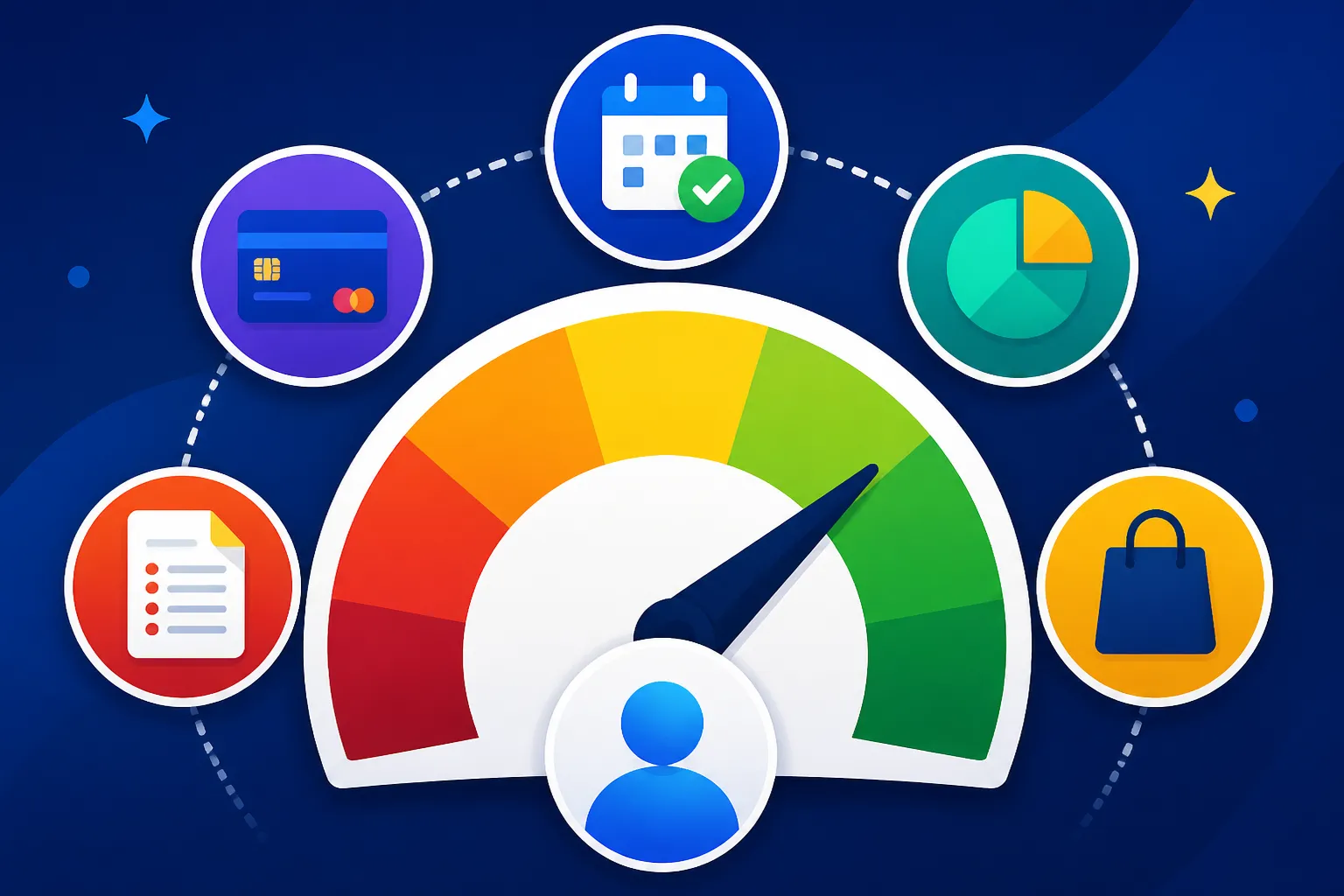
While the "Big Five" factors (payment history, credit utilization, length of credit history, new credit, and credit mix) are the main drivers of your score, other elements can play a significant, albeit indirect, role. These might not be weighted explicitly in the score calculation but can certainly influence a lender's decision or cause severe damage if they appear on your report.
Public Records and Their Weight
Public records are serious negative marks that report directly to your credit bureaus. These include:
- Bankruptcies: As mentioned earlier, these stay on your report for 7-10 years and are a major blow to your score. They represent a legal declaration of inability to repay debts.
- Foreclosures: If you fail to make mortgage payments, the lender can take back your property. A foreclosure can remain on your credit report for up to seven years from the date of the first missed payment that led to the foreclosure and can significantly reduce your score.
- Repossessions: Similar to foreclosures, if you default on an auto loan, the lender can repossess the vehicle. This also stays on your report for seven years and signals a failure to meet loan obligations.
- Tax Liens: If you owe federal, state, or local taxes and don't pay them, a tax lien can be placed on your property. While paid tax liens no longer appear on credit reports under current rules (thanks to changes in 2017-2018), unpaid liens can still be recorded by other means and might affect a lender's perception if they uncover them through other public records searches.
These public records are often the result of significant financial hardship and are viewed very negatively by lenders, making it difficult to obtain new credit for years.
The Role of Identity Theft and Fraud
Identity theft is a nightmare that can wreak havoc on your credit score, often outside of your control. If someone opens accounts in your name, maxes out credit cards, or fails to pay loans, these fraudulent activities will appear on your credit report as if they were yours. This can devastate your payment history, inflate your credit utilization, and introduce numerous hard inquiries. The immediate impact is a dramatic drop in your score and a host of negative items. Recovering from identity theft involves a painstaking process of disputing fraudulent accounts, placing fraud alerts, and potentially freezing your credit. It's a prime example of how external factors can profoundly affect your score, underscoring the importance of regularly checking your credit report for errors or suspicious activity. Knowing How to Report Identity Theft to the Credit Bureaus is vital.
Income and Employment (or lack thereof)
While your income and employment status are not directly factored into your credit score calculation by FICO or VantageScore, they are absolutely crucial to lenders. When you apply for a loan or credit card, lenders will almost always ask for your income and employment details. A high income signals your ability to repay debts, regardless of your credit score. Conversely, even with an excellent credit score, if you have no stable income, a lender might deny you credit because they see insufficient capacity to repay new debt. This is why having a strong debt-to-income (DTI) ratio, which compares your monthly debt payments to your gross monthly income, is so important. Your DTI isn't part of your score, but it’s a key metric for lenders evaluating your overall financial health.
Putting It All Together: Improving Your Credit Score
Understanding the factors that influence your credit score is the first step; the next is taking action. Improving your credit score is a marathon, not a sprint, but consistent effort in key areas will yield results.
Actionable Steps to Boost Your Score
If you're looking to actively boost your credit score, focus on these actionable steps:
- Prioritize On-Time Payments: This is non-negotiable. Set up automatic payments, calendar reminders, or use budgeting apps to ensure every bill is paid by its due date. If you've missed payments, bringing accounts current immediately minimizes ongoing damage. This is the single most effective way to improve your score over time.
- Reduce Credit Utilization: Aim to keep your credit card balances as low as possible, ideally below 10% of your total available credit. If you have high balances, focus on paying them down aggressively. Consider strategies like the debt snowball or debt avalanche. Making multiple smaller payments throughout the month instead of one large payment can also help keep reported utilization low, as credit bureaus typically report balances once a month.
- Don't Close Old Accounts: Unless there's an annual fee you can't afford or a strong reason for closure, keep older, established credit cards open, even if you don't use them frequently. This helps maintain a long average age of accounts and preserves your total available credit.
- Be Strategic About New Credit: Only apply for new credit when you genuinely need it and are confident you'll be approved. Avoid opening multiple new accounts in a short period. Each hard inquiry has a small, temporary negative impact, and too many signal risk.
- Diversify Your Credit Mix (Responsibly): Once you have a solid foundation with revolving credit, consider adding an installment loan if it fits your financial needs. A credit builder loan, such as those offered by Credit Strong, can be an excellent way to introduce an installment loan to your credit mix without taking on significant traditional debt. Remember, never take on debt just to improve your mix if you can't afford it.
- Regularly Check Your Credit Reports: Get your free credit reports from AnnualCreditReport.com at least once a year from each of the three major bureaus (Equifax, Experian, TransUnion). Review them for errors, fraudulent accounts, or outdated information. Disputing inaccuracies can lead to their removal, potentially boosting your score. You can learn more about How to Dispute Credit Report Errors (Step-by-Step).
Monitoring Your Progress
Improving your credit score isn't a "set it and forget it" task. Consistent monitoring is key to tracking your progress, identifying potential issues, and ensuring your efforts are paying off.
- Utilize Free Credit Monitoring Services: Many banks, credit card companies, and online platforms offer free credit score access and monitoring. Services like Credit Karma, Credit Sesame, and even tools from your primary financial institutions can provide regular updates to your VantageScore, and sometimes even a FICO score. While these might not always be the exact score a lender sees, they offer a good snapshot and can alert you to significant changes.
- Review Your Full Credit Reports Annually: As mentioned, AnnualCreditReport.com provides you with one free report from each bureau every 12 months. This allows you to see the granular details that make up your score, not just the score itself. Look for any accounts you don't recognize, incorrect balances, or outdated personal information.
- Understand Score Fluctuations: It's normal for your score to fluctuate by a few points month-to-month. Don't panic over small changes. Focus on the long-term trend. If you see a significant, sudden drop, that's your cue to investigate your credit report immediately for errors or signs of identity theft.
When to Seek Professional Help
Sometimes, despite your best efforts, repairing or building credit can feel overwhelming, especially if you have numerous negative items or complex financial situations. This is where professional help can be invaluable.
- Credit Counseling: Non-profit credit counseling agencies can help you create a budget, develop a debt management plan, and negotiate with creditors. They can provide a structured path to financial recovery without harming your credit further.
- Credit Repair Companies: For legitimate errors or challenges with negative items, a reputable credit repair company can help you dispute inaccuracies on your behalf. However, be wary of scams. A good credit repair company will never promise instant results or ask for upfront fees before providing services. Always research thoroughly and ensure they operate legally and ethically. If you're exploring this option, understanding Credit Repair Companies vs DIY: Which Is Better? is a wise first step.
- Financial Advisors: For broader financial planning, including debt management, investment strategies, and long-term financial health, a certified financial advisor can offer personalized guidance.
Remember, the goal is not just a high credit score, but robust financial health. Your credit score is a powerful tool to achieve that health, but it's just one piece of the puzzle.
| Credit Score Factor | Percentage Weight (FICO) | Description | Best Practices |
|---|---|---|---|
| Payment History | 35% | This is the most critical factor, indicating whether you pay your bills on time. It covers credit cards, loans, mortgages, etc. | Always pay bills on time. Set up automatic payments. Catch up on any past-due accounts immediately. Avoid collections, charge-offs, and bankruptcies at all costs. |
| Credit Utilization | 30% | The amount of credit you're using compared to your total available credit, primarily on revolving accounts like credit cards. | Keep credit card balances low, ideally below 10-30% of your limit. Pay down revolving debt. Avoid maxing out cards. |
| Length of Credit History | 15% | The age of your oldest account, the age of your newest account, and the average age of all your accounts. A longer history of responsible credit use is better. | Keep old accounts open (especially those without annual fees). Be mindful of opening too many new accounts in a short period, as it lowers your average age. |
| New Credit | 10% | How often you apply for and open new credit accounts. Lenders look for recent hard inquiries and new accounts, which can indicate increased risk. | Apply for new credit only when necessary. Space out applications. Understand the difference between hard and soft inquiries. Shop for rates (e.g., mortgages) within a designated window to minimize multiple hard pulls. |
| Credit Mix | 10% | The variety of credit accounts you have, such as a mix of revolving credit (credit cards) and installment loans (mortgages, car loans, student loans, personal loans). | Responsibly manage a mix of credit types if appropriate for your financial situation. Don't take on unnecessary debt just to diversify. Credit builder products, like a Credit Strong loan, can help introduce an installment loan to your report. |
Disclaimer
The information provided in this article is for general informational purposes only and does not constitute financial, legal, or credit advice. While we strive to provide accurate and up-to-date information, individual circumstances vary, and it is recommended to consult with a qualified financial professional or credit expert for personalized advice. Credit scores and reporting practices are subject to change by credit bureaus and scoring models.