Is 650 a Good Credit Score?
It's incredibly common to find yourself staring at your credit score, especially one like 650, and wonder what it really means. Is it good enough? Will it open doors or slam them shut? This guide is designed to demystify what a 650 credit score signifies in the grand scheme of personal finance, helping you understand your standing and, more importantly, providing clear, actionable steps to improve it.
Understanding Credit Score Ranges and Where 650 Fits
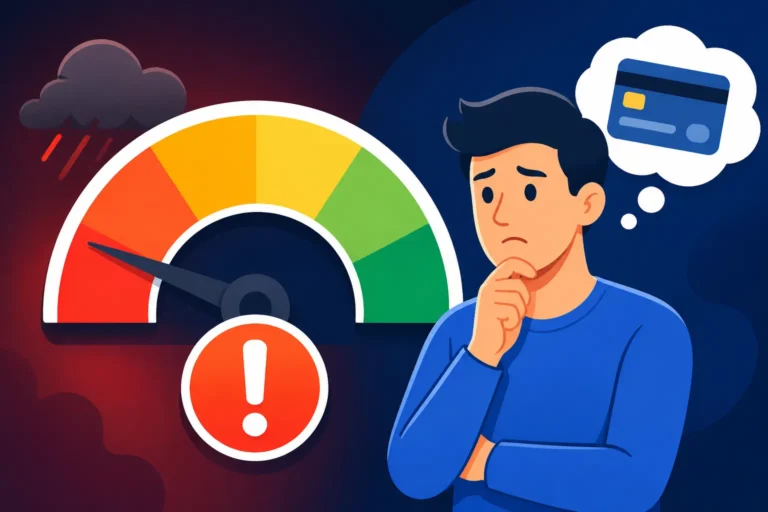
Credit scores are often seen as this mysterious number that dictates our financial lives, and it can be frustrating when you don't quite know where you stand. A 650 credit score is a perfect example of a number that sits right in the middle, leaving many people feeling uncertain. It’s not terrible, but it’s probably not what you're aiming for long-term. Generally, a 650 places you solidly in the "Fair" category for most lenders, though some might consider it "Good" depending on the specific scoring model they use. This mid-range score means you'll likely qualify for some credit products, but you might not get the best interest rates or terms.
FICO Score Ranges: What 650 Means
When we talk about credit scores, we're usually talking about FICO scores, as they are the most widely used by lenders—around 90% of them, in fact. FICO scores typically range from 300 to 850. Within this spectrum, a score of 650 generally falls into the "Fair" category.
To put it in perspective, FICO categorizes scores as follows:
- Exceptional: 800-850
- Very Good: 740-799
- Good: 670-739
- Fair: 580-669
- Poor: 300-579
So, a 650 FICO score is just a hair's breadth from being considered "Good." This means while you're certainly not in the "Poor" category, you're not yet in a position to consistently access the most competitive interest rates or premium credit products. You'll likely still qualify for loans and credit cards, but the terms might be less favorable, meaning higher interest rates or stricter requirements. It's a score that shows you've managed credit, but perhaps with a few bumps along the way, or without a long enough history to demonstrate consistent excellence.
VantageScore Ranges: A Slightly Different View
While FICO scores dominate, VantageScore is another significant credit scoring model, often encountered when you check your free credit score through various financial apps or services. VantageScore also uses a 300-850 range, but its categorization can differ slightly from FICO's.
VantageScore generally defines ranges as:
- Excellent: 781-850
- Good: 661-780
- Fair: 601-660
- Subprime: 300-600
Under the VantageScore model, a 650 credit score would typically fall into the "Fair" category, similar to FICO. However, it's right on the cusp of moving into the "Good" range. This nuance is important because a lender relying on a VantageScore model might view your 650 as slightly more promising than a lender strictly using FICO, or vice-versa, depending on their specific internal thresholds. The key takeaway here is that regardless of the model, a 650 indicates there's room for improvement, and pushing it just a few points higher could significantly impact the perceived risk by lenders. Knowing "Why Is My Credit Score Different on Different Sites?" can help you understand these variations.
What You Can Expect with a 650 Credit Score
Having a 650 credit score often means navigating a bit of a gray area when it comes to financial opportunities. You're not outright denied for most things, which is a huge relief, but you're also not getting the VIP treatment. It’s a score that tells lenders you’re a moderate risk, meaning they’re willing to do business, but they’ll often want to mitigate that risk with higher interest rates, larger down payments, or more stringent approval processes. This can be genuinely frustrating when you're trying to secure a loan for a car, an apartment, or even just a new credit card with better rewards.
Accessing Credit Cards and Loans
When your credit score is around 650, you'll generally find that credit card companies and lenders are willing to extend offers, but these might not be the most attractive ones on the market. For credit cards, you might qualify for options like secured credit cards or starter cards that come with higher annual percentage rates (APRs) and potentially annual fees. You might also find lower credit limits initially. Many popular rewards cards, balance transfer offers, or those with 0% introductory APRs often require a "Good" to "Excellent" score (typically 670 or higher).
For loans, such as an auto loan or a personal loan, a 650 score often means you’ll be approved, but you'll likely face higher interest rates compared to someone with a score in the 700s. For example, a car loan with a 650 FICO score might land you an interest rate several percentage points higher than someone with a 720 score, which can translate into thousands of dollars more over the life of the loan. While securing a loan is possible, the cost of borrowing is higher due to the perceived risk. It's essential to understand "How Credit Card APR and Interest Explained" to avoid unnecessary costs.
Housing and Rental Prospects
Your credit score plays a significant role when you're looking for a new place to live, whether it's renting an apartment or applying for a mortgage. For renters, landlords often check credit reports to assess your reliability. With a 650 score, you might encounter landlords who are hesitant or require additional assurances. Some landlords might ask for a higher security deposit, a co-signer, or proof of income that's significantly higher than the rent. Others, especially in competitive markets, might simply choose an applicant with a higher score.
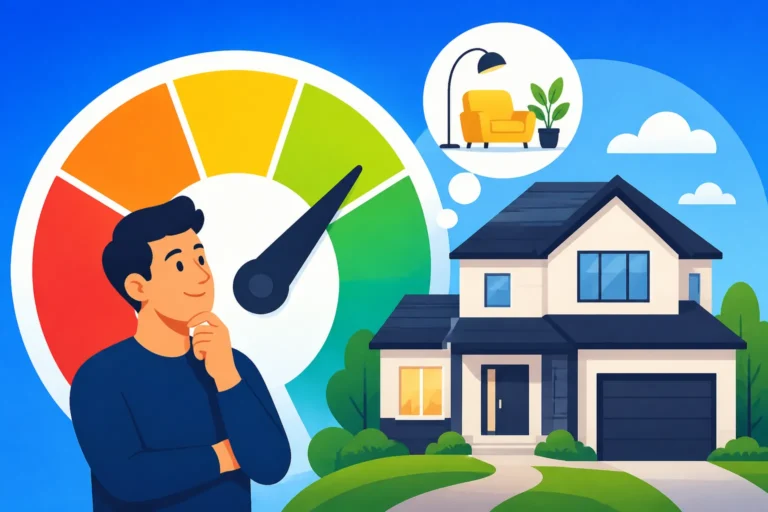
If you’re dreaming of homeownership, a 650 credit score can make securing a mortgage more challenging, though not impossible. Many conventional mortgage lenders prefer scores of 670 or higher for the best rates. However, government-backed loans, like FHA loans, are designed to be more accessible and typically have lower minimum credit score requirements, often allowing scores in the mid-500s. Still, even with FHA, a 650 might mean you're approved, but you won't necessarily qualify for the lowest available interest rates, which can significantly impact your monthly payments over 30 years. Learning "What Credit Score Do You Need to Buy a House?" can give you a clear target.
Insurance Premiums and Employment Checks
Beyond traditional lending, your credit score can affect other aspects of your daily life, sometimes in surprising ways. Many insurance companies, particularly for auto and home insurance, use credit-based insurance scores to help determine your premiums. While not identical to a FICO or VantageScore, these scores are derived from information in your credit report. A 650 credit score, being in the "Fair" range, could lead to higher insurance premiums compared to someone with a "Good" or "Excellent" score. Insurers view individuals with lower credit scores as potentially higher risk for claims.
Furthermore, some employers, particularly those in financial roles or positions of trust, may perform a credit check as part of their background screening process. It's important to note that federal law generally prevents employers from seeing your actual credit score; instead, they usually receive a modified report that doesn't include the score but details your credit history. While a 650 score isn't a red flag, a report showing late payments or collection accounts might raise questions for certain roles, though typically this is not the deciding factor in hiring. "Do Employers Check Your Credit Report?" offers more insight into this process.
The Factors Influencing Your 650 Score
Understanding why your score is 650 is the first step toward moving beyond it. Your credit score isn't just a random number; it's a reflection of your past financial behavior, meticulously calculated by credit bureaus using specific criteria. For both FICO and VantageScore models, five key factors weigh into this calculation. Identifying which of these areas might be holding your 650 score back is crucial for crafting an effective improvement strategy.
Payment History and Amounts Owed
These two factors are the heavyweights of your credit score, making up the largest portions of both FICO and VantageScore calculations. Payment history (whether you pay on time) accounts for a massive 35% of your FICO score, while amounts owed (your credit utilization) makes up 30%. This means if your 650 score isn't higher, it's highly likely that one or both of these areas need attention.
A 650 score often suggests a history with some late payments. Even one missed payment can significantly impact your score, dropping it by dozens of points. If you have several late payments, or even worse, collections or charge-offs, these will severely drag down your score. Additionally, high credit utilization – meaning you're using a large percentage of your available credit – is a huge red flag for lenders. If you have a credit card with a $1,000 limit and you consistently carry a balance of $800, your utilization is 80%, which is considered very high. Lenders prefer to see utilization below 30%, and ideally even lower, like 10%, to indicate responsible credit management. Keeping your utilization low is key to improving your score, as discussed in "How Much of Your Credit Limit Should You Use?."
Length of Credit History and New Credit
The age of your credit accounts and how recently you've opened new ones also play a significant role in your 650 score, though less so than payment history and amounts owed. Length of credit history (how long your accounts have been open) accounts for 15% of your FICO score, and new credit (recent applications) makes up 10%.
If you have a 650 score, it might be that you haven't been using credit for a very long time. A short credit history, even if perfectly managed, doesn't give lenders much data to assess your long-term reliability. The longer your oldest account, and the higher the average age of all your accounts, the better. Conversely, applying for a lot of new credit in a short period can also negatively impact your score. Each application typically results in a "hard inquiry," which can cause a small, temporary dip in your score. Too many inquiries signal to lenders that you might be desperate for credit or taking on more debt than you can handle. Therefore, understanding "How Long Does a Hard Inquiry Stay on Your Credit Report?" is beneficial.
Credit Mix
While not as heavily weighted as payment history or amounts owed, your credit mix (the variety of credit accounts you have) still contributes about 10% to your FICO score. Lenders like to see that you can responsibly manage different types of credit, such as revolving credit (like credit cards) and installment loans (like car loans or mortgages).
If your 650 score is partly due to a thin credit file – meaning you only have one type of credit, or very few accounts overall – diversifying your credit mix could provide a small boost. For instance, if you only have credit cards, adding an installment loan and managing it well could demonstrate a broader ability to handle debt. However, it's crucial not to open new accounts just for the sake of improving your credit mix if you don't genuinely need them, as this could lead to unnecessary debt or hard inquiries that temporarily lower your score.
Strategies to Improve a 650 Credit Score
It's perfectly natural to feel a bit stuck when you have a 650 credit score, knowing you're close to a "Good" rating but not quite there. The good news is that a 650 score is highly improvable, and with consistent effort, you can definitely push it into the "Good" and even "Very Good" ranges. The key is to focus on the fundamental behaviors that credit bureaus reward. This isn't about quick fixes, but sustainable habits that build a strong financial foundation.
Making On-Time Payments and Reducing Debt
These are the most impactful actions you can take, hands down. Your payment history is the single most important factor, making up 35% of your FICO score. If you have any late payments on your report, establishing a consistent record of on-time payments going forward is paramount. Set up automatic payments for all your bills, or at the very least, calendar reminders a few days before each due date. This consistency demonstrates reliability to lenders.
Equally important is tackling your credit card debt to improve your credit utilization ratio, which is 30% of your FICO score. Aim to keep your total credit card balances below 30% of your total available credit, and ideally even lower, closer to 10%. For instance, if you have a combined credit limit of $10,000 across all your cards, try to keep your total balances below $3,000, and ideally under $1,000. Consider strategies like the debt snowball or debt avalanche methods to pay off balances more aggressively. Even paying down a small amount of debt can quickly improve your utilization and boost your score. If you're struggling, exploring "How to Pay Off Credit Card Debt Fast" can provide valuable methods.
Building Credit Responsibly
For some with a 650 score, the issue might not be bad credit, but rather a lack of established credit. If your credit file is thin, strategically adding new, positive accounts can help. One excellent option is a secured credit card. With a secured card, you put down a deposit, which typically becomes your credit limit. You use it like a regular credit card, and your on-time payments are reported to the credit bureaus, helping you build a positive history. After a period of responsible use, many secured cards can be upgraded to unsecured cards, and your deposit is returned.
Another effective tool for building credit is a credit builder loan. Companies like Credit Strong specialize in these types of loans. With a credit builder loan, you make regular payments into a locked savings account, and once the loan term is over, you receive the funds. The payments you make are reported to the credit bureaus, establishing a positive payment history and demonstrating responsible financial behavior. This can be a fantastic way to add an installment loan to your credit mix, particularly if your current credit profile is heavily weighted towards revolving credit cards. Just remember, the goal is always consistent, on-time payments. Also consider exploring "Credit Builder Loans Explained (Self, Kikoff & More)" for more options.
Monitoring Your Credit Report for Errors
It's a frustrating but all too common reality: errors on your credit report can needlessly drag down your score. Even if you're doing everything right, a mistake could be holding you back from a higher score. You have the right to get a free copy of your credit report from each of the three major bureaus—Equifax, Experian, and TransUnion—once every 12 months through AnnualCreditReport.com. Make it a habit to review these reports regularly.
Look for any inaccuracies: accounts you don't recognize, incorrect payment statuses, outdated information, or wrong personal details. Even a minor error can have a disproportionate impact. If you find anything amiss, dispute it immediately. The Fair Credit Reporting Act (FCRA) gives you the right to have inaccurate information corrected or removed. Understanding "How to Dispute Credit Report Errors (Step-by-Step)" is vital for this process. This proactive step ensures that your score accurately reflects your financial behavior, giving you the best possible chance to move beyond that 650 mark. Regularly checking your score, too, is a smart move; learning "How to Check Your Credit Score for Free" can help you stay on top of things.
Common Pitfalls to Avoid When Improving Your Score
When you're actively working to improve a 650 credit score, it's just as important to know what not to do as it is to know what steps to take. Falling into common traps can undo all your hard work and potentially set you back further. Many people, out of eagerness or desperation, make mistakes that negatively impact their score, even with good intentions. Avoiding these pitfalls can save you time, money, and a lot of frustration.
Closing Old Accounts and Applying for Too Much Credit
It might seem logical to close old credit card accounts, especially if you're not using them or they have a zero balance. However, this is often a detrimental move for your credit score. When you close an old account, you reduce your total available credit. This instantly increases your credit utilization ratio if you have balances on other cards, even if your spending habits haven't changed. Furthermore, closing older accounts shortens the average age of your credit history, which negatively impacts the "Length of Credit History" factor, accounting for 15% of your FICO score. It's generally better to keep old, paid-off accounts open, even if you only use them for a small, recurring charge once a year to keep them active. For more details, see "Does Closing a Credit Card Hurt Your Score?."
Another common mistake is applying for too many new lines of credit in a short period. Each credit application, whether for a new card, a car loan, or a personal loan, typically results in a "hard inquiry" on your credit report. While a single hard inquiry only causes a small, temporary dip in your score, multiple inquiries signal to lenders that you might be a high-risk borrower seeking to take on too much new debt. This cluster of inquiries can make lenders wary and further lower your score, making it harder to get approved for the credit you truly need. Be strategic about when and how often you apply for new credit.
Falling for Credit Repair Scams
The desire for a better credit score can make people vulnerable to credit repair scams. Companies that promise to magically remove legitimate negative items from your credit report, create new credit identities, or guarantee an overnight boost to your score are almost always fraudulent. Legitimate credit repair involves disputing inaccurate information and establishing positive payment habits over time – it's a process, not a quick fix. No one can legally remove accurate, verifiable negative information from your report before its designated time frame.
These scam companies often charge hefty upfront fees, which is a red flag, as it's illegal for credit repair companies to charge you before they've performed services. They might also pressure you to lie on applications or create a "new credit identity" by getting a new Employer Identification Number (EIN) or Social Security number, which are illegal practices. If a deal sounds too good to be true, it almost certainly is. Protect yourself by knowing "How to Spot a Credit Repair Scam" and by always being skeptical of anyone promising instant results or asking for payment upfront. Instead, focus on proven, legal strategies like managing your current accounts responsibly or leveraging tools like the Credit Strong credit builder loan to demonstrate consistent financial behavior.
Credit Score Comparison: What a 650 Can Get You
To give you a clearer picture of what a 650 credit score means in practical terms, let's look at how it compares to higher scores when it comes to various financial products. This table highlights that while a 650 score often allows for approval, the terms and interest rates will typically be less favorable than those offered to individuals with "Good" or "Excellent" credit.
| Credit Score Range | Mortgage Eligibility | Auto Loan Interest Rate (Example) | Credit Card Approval | Personal Loan Access |
|---|---|---|---|---|
| 580-669 (Fair) | FHA possible, higher rates, strict requirements | Moderate to High (e.g., 7-12% APR) | Secured cards, basic unsecured cards with fees/higher APRs | Possible, but high APRs (e.g., 18-36%) |
| 670-739 (Good) | Conventional loans possible, better rates | Moderate (e.g., 5-8% APR) | Wider range of unsecured cards, some rewards cards | Good chance, moderate APRs (e.g., 10-20%) |
| 740-799 (Very Good) | Excellent rates for conventional, FHA | Low (e.g., 3-6% APR) | Premium rewards cards, excellent benefits | Very good chance, low APRs (e.g., 7-15%) |
| 800-850 (Exceptional) | Best rates, easiest approval | Very Low (e.g., 2-5% APR) | Elite cards, top-tier benefits | Best rates, easiest terms |
Note: These are illustrative examples. Actual rates and approvals depend on the specific lender, market conditions, and individual financial profiles.
As you can see, the difference between a "Fair" 650 and a "Good" 670, or even "Very Good" 740, can mean substantial savings over the life of a loan or access to much more attractive credit products. This table underscores the value of improving your credit score and reinforces why focusing on the strategies mentioned earlier is so important.
Disclaimer
The information provided in this article is for general informational purposes only and does not constitute financial or legal advice. Credit scores and financial products are complex, and individual situations may vary. We recommend consulting with a qualified financial advisor or credit counseling agency for personalized advice.