Is a 600 Credit Score Bad?
Oh, the dreaded 600 credit score. If you're looking at that number on your credit report, you're probably feeling a mix of frustration, confusion, and maybe even a little bit of defeat. It's a common spot for many people to find themselves in, and it often feels like a giant roadblock to so many financial goals. This comprehensive guide is here to cut through the jargon and give you a straightforward, empathetic look at what a 600 credit score truly means, the real impact it has on your life, and, most importantly, actionable steps you can take to start moving that number upward.
Understanding Credit Score Ranges and What 600 Means
Let's be real, seeing a three-digit number define so much of your financial potential can be disheartening. A credit score isn't just a number; it's a snapshot of your financial reliability as seen by lenders, landlords, and even some employers. When we talk about a 600 score, it's crucial to understand where it fits into the grand scheme of things and what typically leads someone to that point.
Where a 600 Score Sits on the Spectrum
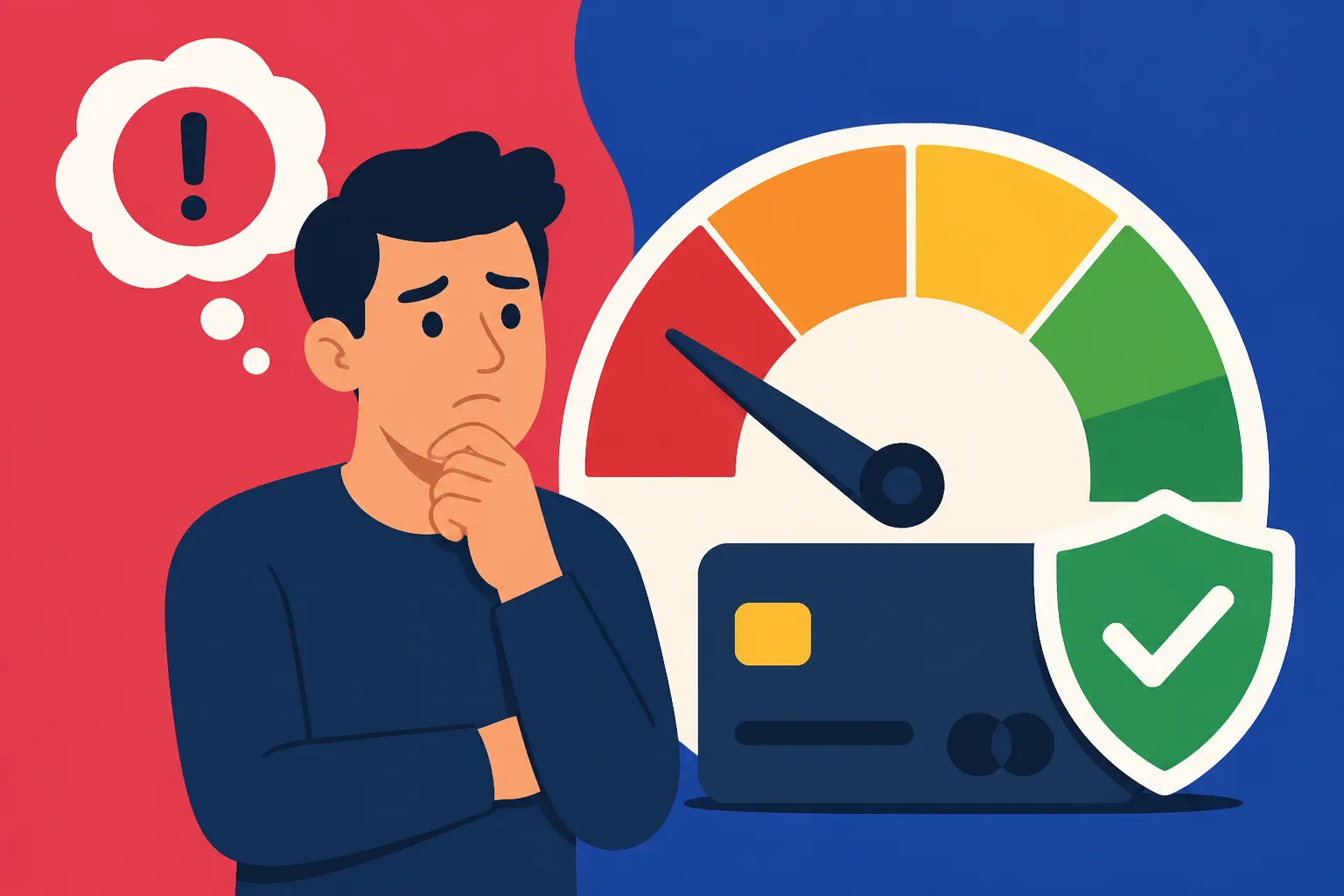
Credit scores generally fall into various ranges, often categorized as Poor, Fair, Good, Very Good, and Excellent. While the exact thresholds can vary slightly between different scoring models like FICO and VantageScore, a 600 credit score almost universally lands squarely in the "Fair" category. It's not the absolute bottom of the barrel, which is usually below 580, but it's far from where most lenders prefer to see you. You're past the "Poor" stage, which is a good sign, but you're still in a zone where lenders see you as a higher risk.
Being in the "Fair" range means you're generally considered creditworthy for some types of loans or credit products, but you're unlikely to qualify for the best rates or terms. It can feel like you're constantly swimming against the current, always having to prove yourself or accept less favorable conditions. It's a common experience for many people who are either rebuilding their credit or just starting out and have made a few missteps. It's not a reflection of your worth as a person, but simply a mathematical assessment of your past financial behavior. If you're curious about the full spectrum, you might want to read our guide on What Is a Good Credit Score? (2026 Ranges Explained).
Key Factors Contributing to a 600 Score
So, how does a person end up with a 600 score? It's rarely one single catastrophic event (though sometimes it can be, like a bankruptcy). More often, it's a combination of factors that slowly erode your score over time. One of the biggest culprits is a history of late payments. Even one payment that's 30 days or more past due can knock a significant number of points off your score and stay on your report for up to seven years. Life happens, we all know that. A forgotten bill, an unexpected medical emergency, a job loss – these can all lead to missed payments, and before you know it, your score takes a hit.
Another huge factor is your credit utilization, which is the amount of credit you're using compared to your total available credit. If you have a credit card with a $1,000 limit and you owe $900 on it, your utilization is a sky-high 90%. Lenders see this as a red flag, indicating you might be over-reliant on credit or struggling financially. Other contributors can include a relatively short credit history, having too many hard inquiries from applying for credit too often, or a mix of credit that doesn't demonstrate your ability to handle various types of debt responsibly. Understanding these components is the first step toward figuring out How to Remove Late Payments From Your Credit Report or addressing other issues impacting your score.
The Real-World Impact of a 600 Credit Score
It's one thing to know your score, it's another to experience the tangible effects it has on your daily life. A 600 credit score isn't just a number on a report; it translates directly into higher costs and fewer opportunities, making many financial milestones feel just out of reach.
Accessing Loans and Credit Cards
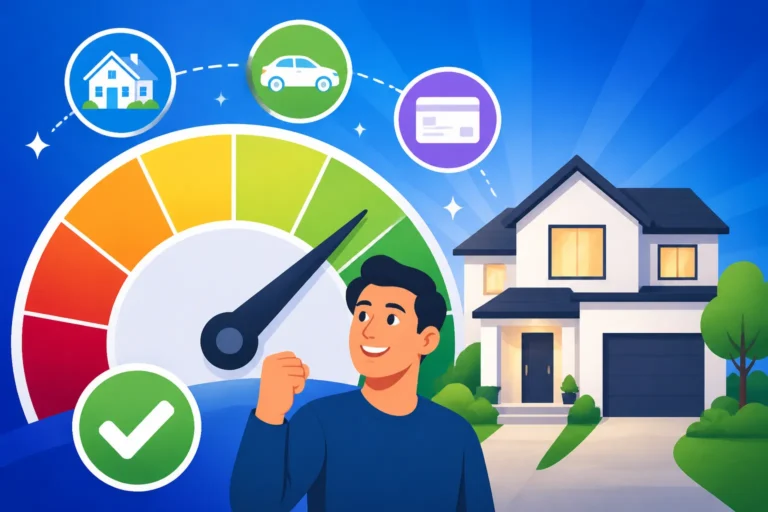
When your credit score is in the 600 range, getting approved for new credit can be a real challenge. Forget about those attractive 0% APR balance transfer offers or premium travel rewards cards; those are generally reserved for individuals with scores in the "Good" to "Excellent" range. Instead, you'll likely find yourself limited to secured credit cards, subprime personal loans, or loans with significantly higher interest rates. Lenders see you as a higher risk, and they compensate for that risk by charging you more.
Let's put this into perspective. Imagine you need a car loan. With a 600 credit score, you might qualify for an auto loan, but your interest rate could be in the double digits, say 10% or even 15%, depending on the current market and the lender. Someone with a 720 credit score for the same loan might get an interest rate of 4% or 5%. Over the course of a five-year loan on a $25,000 car, that difference in interest can add up to thousands of dollars. You're paying substantially more for the same asset, purely because your credit score signals a higher risk. It truly underscores why it's so important to learn How to Raise Your Credit Score (Step-by-Step).
Housing, Utilities, and Insurance Implications
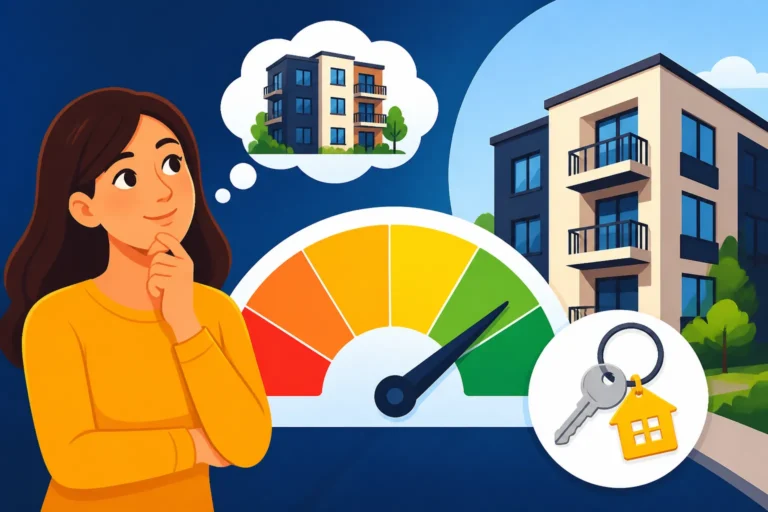
The impact of a 600 score extends far beyond just loans and credit cards. Trying to rent an apartment, for instance, can become a frustrating ordeal. Landlords often run credit checks, and while some might be willing to work with you, many will either deny your application outright or require a significantly larger security deposit. Imagine trying to move to a new city like Austin, Texas, where the rental market is competitive. A 600 score could mean you're asked for first and last month's rent plus a security deposit, putting a huge financial strain on your move, or worse, you get passed over for someone with a better score.
Even utility companies—like those providing electricity or gas—might require a deposit if your credit score is low, seeing you as a higher risk for non-payment. And don't forget about insurance premiums. Both auto and homeowner's insurance companies often use credit-based insurance scores (which are related to your credit score) to determine your rates. A lower score typically means higher premiums because statistically, individuals with lower credit scores are associated with filing more claims. All these extra costs really add up, making a 600 score a costly place to be.
Strategies to Improve a 600 Credit Score
While a 600 score can feel like a tough spot, it's absolutely not a permanent one. There are clear, actionable steps you can take to start moving that number in the right direction. It takes consistency and a bit of patience, but the rewards of a higher score are well worth the effort.
Prioritizing Your Payment History
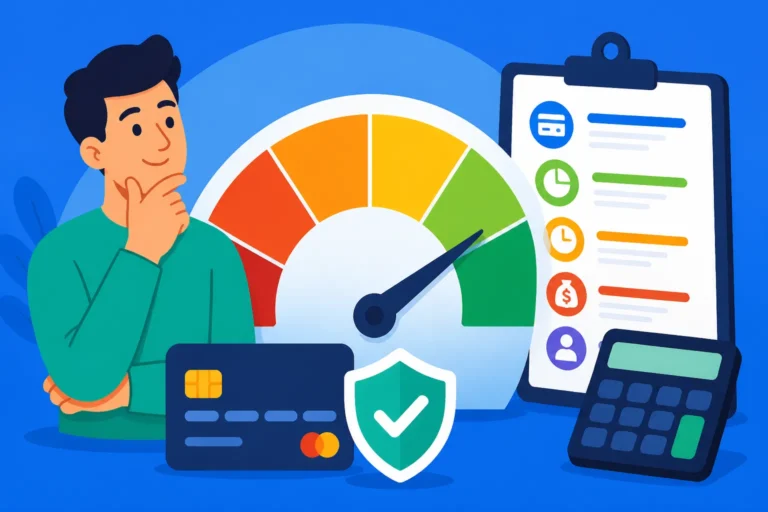
Your payment history is, without a doubt, the most significant factor in your credit score, accounting for about 35% of your FICO Score. This means that consistently paying your bills on time is the single most effective way to improve your credit. Even one late payment can have a disproportionate negative impact, so making sure every bill is paid by its due date should be your top priority.
If you struggle with remembering due dates, set up automatic payments for all your bills, especially credit cards and loans. Most banks and creditors offer this service, and it's a fantastic way to ensure you never miss a payment. Another helpful tip is to set reminders on your phone a few days before each bill is due, just in case you need to manually initiate a payment or ensure funds are available. If you're really in a bind and think you might miss a payment, contact your creditor before the due date. Sometimes they're willing to work with you, offer a deferral, or set up a payment plan. Communication can often prevent a late payment from being reported to the credit bureaus.
Managing Credit Utilization Effectively
After payment history, credit utilization is the next most impactful factor, making up about 30% of your score. This refers to the amount of credit you're using compared to your total available credit limit across all your revolving accounts. To improve your score from 600, you'll want to aim for a credit utilization ratio of under 30% on each card and overall. Ideally, try to keep it below 10% for the best impact.
If you have a $1,000 credit limit, you should aim to keep your balance below $300, and even better, under $100. The best way to achieve this is by paying down your existing balances. If you can't pay them off completely, focus on paying as much as you can. Consider making multiple payments throughout the month rather than just one large payment at the end of the billing cycle. This strategy can help keep your reported balance low, as credit card companies typically report your balance to the credit bureaus around your statement closing date. For more detail on this, check out our article: How Much of Your Credit Limit Should You Use?.
Building Credit with Secured Products and Loans
Sometimes, with a 600 score, getting approved for traditional unsecured credit cards or loans is difficult. This is where secured credit products come into play. A secured credit card requires a cash deposit, which typically becomes your credit limit. For example, if you deposit $200, your credit limit is $200. Because your money secures the card, there's less risk for the issuer, making them easier to obtain for those with lower scores. Using a secured card responsibly—making small purchases and paying them off in full and on time every month—is a fantastic way to demonstrate creditworthiness and build a positive payment history. Many issuers, after a period of responsible use, will even convert your secured card to an unsecured one and return your deposit. We have a great resource on Secured Credit Cards: How They Build Credit.
Another excellent tool for building credit, especially if you have limited credit history or are rebuilding, is a credit builder loan. These loans work a bit differently. Instead of getting the money upfront, the loan amount is held in a locked savings account or Certificate of Deposit (CD) while you make monthly payments. Once you've paid off the loan, you get access to the funds. These payments are reported to the credit bureaus, building a positive payment history and showing you can handle installment debt. Companies like Credit Strong offer these types of loans, providing a structured way to build a positive payment history and diversify your credit mix without needing perfect credit to start. You can learn more about how they work in our article, Credit Builder Loans Explained (Self, Kikoff & More).
Common Misconceptions and What to Avoid
When you're trying to improve your credit, it's easy to fall prey to common myths or misguided advice. Some actions that seem logical might actually hurt your score, so it's important to understand what to steer clear of.
Closing Old Accounts and Its Effect
One of the most common pieces of bad advice I hear is to close old credit card accounts, especially if they have a zero balance. The reasoning often goes, "Less credit cards means less temptation and a cleaner credit report, right?" Wrong. While reducing temptation might be good for your budget, closing old accounts can actually hurt your credit score in two significant ways.
First, closing an account reduces your total available credit. This immediately impacts your credit utilization ratio. Even if you pay off all your other cards, if your total available credit shrinks, your utilization ratio can suddenly look much higher. For example, if you have two cards, each with a $1,000 limit and a $100 balance on each, your total utilization is $200 out of $2,000 (10%). If you close one card, your total available credit drops to $1,000, and your $200 balance on the remaining card now represents a 20% utilization, potentially pushing you closer to the dreaded 30% threshold.
Second, closing old accounts can shorten your average age of credit. The length of your credit history accounts for about 15% of your FICO Score. Lenders like to see a long history of responsible credit use. When you close an old account, especially one with a long history, you effectively erase that history from being actively considered in your average age calculation, which can negatively impact your score. It’s almost always better to keep old, paid-off accounts open, even if you just use them for a small, recurring purchase (like a streaming service) that you pay off every month. You can delve deeper into this topic with our guide: Does Closing a Credit Card Hurt Your Score?.
The Impact of Too Many Hard Inquiries
When you apply for new credit – whether it's a credit card, a mortgage, an auto loan, or even some rental applications – the lender often performs a "hard inquiry" on your credit report. This is a request to view your full credit file, and it leaves a mark on your report. A single hard inquiry typically shaves off a few points (usually 1-5) from your credit score, and it can remain on your report for up to two years, though its impact diminishes after the first year.
The problem arises when you apply for too many lines of credit in a short period. Multiple hard inquiries signal to lenders that you might be desperate for credit, or that you're opening several new accounts, which increases your overall risk profile. This can make lenders hesitant to approve you for additional credit, or if they do, they'll offer less favorable terms. It’s crucial to be selective and strategic about when you apply for new credit. Only apply for what you genuinely need, and space out your applications. Understand the distinction between a hard inquiry and a "soft inquiry" (which doesn't affect your score, like when you check your own credit or a pre-approved offer). For more information, read Hard vs Soft Inquiries: How Each Affects Your Score.
Setting Realistic Expectations for Credit Improvement
Improving a 600 credit score isn't a race; it's more like a marathon. It takes consistent effort and a realistic understanding of how long it takes for positive changes to reflect on your credit report. Don't expect miracles overnight, but do expect steady progress if you stick to your plan.
How Long Does It Take to See Improvement?
The timeline for improving a 600 credit score really depends on the severity of the issues dragging it down and the consistency of your efforts. If you have just a few late payments and high utilization, you might start seeing noticeable improvement within 3-6 months by making all payments on time and aggressively paying down balances. For more significant issues, like collections or charge-offs, it can take longer – often a year or more – to see substantial changes.
Remember, credit bureaus typically update your report every 30-45 days. This means there's a delay between your positive actions (like paying off a card) and when that action actually appears on your credit report and subsequently affects your score. Patience is key here. Celebrate small victories, like seeing your utilization drop or an old late payment gain more distance in your history. Consistency over time will yield results. If you want a deeper dive into timelines, check out our guide: How Long Does It Take to Improve Your Credit Score?.
Monitoring Your Progress and Credit Reports
One of the most empowering things you can do on your credit repair journey is to regularly monitor your credit reports. The Fair Credit Reporting Act (FCRA) entitles you to a free credit report from each of the three major bureaus – Equifax, Experian, and TransUnion – once every 12 months via AnnualCreditReport.com. Take advantage of this! Stagger your requests throughout the year (e.g., Experian in January, TransUnion in May, Equifax in September) so you can keep an eye on things more frequently.
When you review your reports, look for errors. Incorrect account balances, accounts you don't recognize, or late payments that were actually made on time can all drag down your score. If you find errors, dispute them immediately with the credit bureau. This process can take some time, but removing inaccurate negative information can significantly boost your score. Our article on How to Get Your Free Credit Report explains this in detail. Additionally, learning How to Read Your Credit Report (2026 Guide) will empower you to understand exactly what lenders are seeing. Many credit card companies and banks also offer free credit monitoring services, which can provide regular updates and alerts to new activity on your report.
Credit Score Action Plan for a 600 Score
To help you get started, here’s a simplified action plan focusing on the most impactful steps for someone with a 600 credit score.
| Action Item | Impact on Score | Estimated Time to See Results | What to Do |
|---|---|---|---|
| Pay All Bills On Time | High | 1-3 Months | Set up autopay for all credit cards, loans, and other recurring bills. If you anticipate a problem, contact creditors before the due date. This is the bedrock of good credit. |
| Reduce Credit Utilization | High | 1-2 Months | Aim for under 30% utilization on each card and overall (ideally under 10%). Pay down high balances. Consider making multiple smaller payments throughout the month instead of one large payment. |
| Review and Dispute Credit Report Errors | Moderate-High | 1-3 Months | Get your free credit reports from AnnualCreditReport.com. Scrutinize them for inaccuracies (e.g., wrong late payments, incorrect balances, unknown accounts). Dispute any errors found with the credit bureaus directly. |
| Consider a Secured Credit Card | Moderate | 6-12 Months (consistent use) | If you struggle to get approved for traditional cards, open a secured credit card. Use it for small purchases, pay the full balance on time every month. This builds positive payment history and shows responsible credit use. |
| Explore a Credit Builder Loan | Moderate | 6-24 Months (loan term) | If diversifying your credit mix is a goal, or you have no installment loans, look into a credit builder loan (e.g., from Credit Strong). Make consistent, on-time payments, which are reported to the bureaus. Get more info on How to Build Credit From Scratch (2026 Guide). |
| Limit New Credit Applications | Low-Moderate | 1-2 Years (hard inquiry effect) | Avoid applying for multiple new lines of credit in a short period. Each hard inquiry slightly dings your score. Only apply when necessary and after you've made other improvements. |
| Keep Old, Paid-Off Accounts Open | Moderate | Ongoing | Resist the urge to close old credit cards, even if they have a zero balance. This helps maintain a longer credit history and higher overall available credit. |
Final Thoughts
Having a 600 credit score isn't ideal, and it can definitely make things tougher when it comes to big financial decisions like getting a mortgage or buying a car. But here's the good news: it's a score that's very much within reach of significant improvement. With a focused effort on consistent on-time payments, smart credit utilization, and perhaps strategically using tools like a secured credit card or a credit builder loan from Credit Strong, you can absolutely transform your credit standing. It won't happen overnight, but with patience and persistence, you'll see that number climb, opening up better opportunities and saving you money in the long run.
Disclaimer
This article is for general informational purposes only and does not constitute professional advice. Laws, prices and regulations vary by location and change over time. Consult a qualified professional for guidance on your specific situation.