How to Fix Your Credit After Bankruptcy
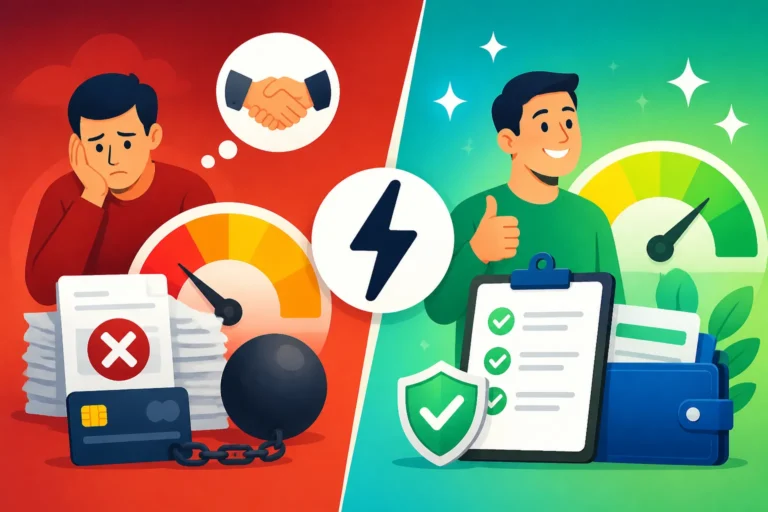
Dealing with the aftermath of a bankruptcy can feel like you've hit rock bottom financially, leaving you wondering if you'll ever bounce back. It's a daunting experience that impacts your credit significantly, making even simple things like renting an apartment or getting a cell phone seem impossible. But don't despair; this comprehensive guide will walk you through the practical, empathetic steps to not just recover, but effectively fix your credit after bankruptcy.
Understanding the Impact of Bankruptcy on Your Credit Score
When you file for bankruptcy, it's a massive event that sends ripples through your entire financial life, especially your credit report. It's often seen as a last resort, and while it can provide much-needed relief from overwhelming debt, it undeniably leaves a deep mark. Understanding exactly what that mark entails is the first step towards healing and rebuilding.
The Immediate Aftermath: Credit Score Drop
Let's be real: seeing your credit score plummet after filing for bankruptcy is disheartening. Before bankruptcy, your score might already be low due to accumulating debt and missed payments. But a bankruptcy filing often triggers one of the most significant drops a credit score can experience. We're talking about potentially hundreds of points, pushing even good credit scores into the "poor" or "very poor" ranges. This happens because bankruptcy signals to lenders that you've been unable to meet your financial obligations, making you a higher risk in their eyes.
The FICO Score, which is widely used by lenders, considers payment history as the most significant factor, accounting for 35% of your score. A bankruptcy is essentially the ultimate negative mark on your payment history. Other factors like amounts owed (30%), length of credit history (15%), new credit (10%), and credit mix (10%) are also indirectly affected. For example, old accounts might be closed, shortening your credit history, and new credit will be hard to get, limiting your credit mix. It’s a tough reality, but acknowledging this impact is crucial for developing a realistic recovery plan.
How Long Does Bankruptcy Stay on Your Report?
One of the biggest anxieties after bankruptcy is wondering how long this negative mark will haunt your credit report. The answer depends on the type of bankruptcy you filed. A Chapter 7 bankruptcy, which involves liquidating assets to pay off debts, typically remains on your credit report for 10 years from the filing date. A Chapter 13 bankruptcy, which involves a repayment plan over three to five years, usually stays on your report for 7 years from the filing date.
It's a long time, no doubt, and it feels like an eternity when you're trying to move forward. However, it’s important to understand that the impact lessens over time. While the bankruptcy filing will still be visible, its negative weight on your credit score diminishes year after year. Early on, it will be the dominant factor, but as you establish new positive credit behaviors, those will gradually start to outweigh the old bankruptcy entry. This means you don't have to wait a decade to start seeing improvements in your credit score; progress can begin much sooner.
Different Types of Bankruptcy and Their Credit Impact
Bankruptcy isn't a one-size-fits-all solution, and the type you file can have slightly different implications for your credit recovery journey.
Chapter 7 Bankruptcy: This is often called "liquidation bankruptcy." It discharges most unsecured debts (like credit card debt, medical bills, and personal loans) in exchange for liquidating some of your non-exempt assets. Because it wipes out debt quickly, it's typically seen as more severe by lenders and thus carries the 10-year reporting period. However, the upside is that once discharged, you have a clean slate much faster, allowing you to begin rebuilding sooner without ongoing debt payments.
Chapter 13 Bankruptcy: This is a "reorganization bankruptcy" that involves creating a repayment plan to pay back some or all of your debts over a three to five-year period. Your assets are generally protected, but you must commit to making regular payments during the plan. Because you are actively repaying debts, some lenders might view this more favorably than a Chapter 7. It also only stays on your report for 7 years. The downside is that you are still under financial obligation for several years, which can delay when you can truly start building new, post-bankruptcy credit.
Regardless of the type, the core principles of credit repair after bankruptcy remain similar: consistent, responsible financial behavior. Understanding these distinctions simply helps set realistic expectations for the timeline and path ahead.
The First Steps to Rebuilding Your Credit
Facing a credit report scarred by bankruptcy can be overwhelming, but the journey to repair begins with concrete, manageable steps. It's about setting a new foundation and addressing any lingering issues proactively. This isn't a race, but a marathon that requires patience and diligence.
Obtaining Your Credit Reports Post-Bankruptcy
The very first thing you need to do, after the dust has settled from your bankruptcy discharge, is to get your hands on all three of your credit reports. That means checking your reports from Equifax, Experian, and TransUnion. You're entitled to a free copy of your credit report from each of these bureaus once every 12 months through AnnualCreditReport.com. It's not enough to just check one; you need all three because they might contain different information or report things slightly differently. For a detailed walkthrough, you can explore guides like "How to Get Your Free Credit Report".
Why is this so important? Well, even after a bankruptcy, your reports might not be perfectly accurate. Accounts that were included in the bankruptcy might still show an outstanding balance, or they might not be correctly marked as "discharged in bankruptcy." Old negative items might still be lurking when they should have been removed. Taking the time to meticulously review each entry on all three reports will be invaluable for the next step. It's your financial blueprint, and you need to know exactly what it says about you.
Addressing Inaccuracies and Errors
Once you have your credit reports in hand, put on your detective hat. Look for any accounts that were part of your bankruptcy but aren't correctly reporting their status. They should show a zero balance and be marked as "discharged in bankruptcy" or similar. If you find any discrepancies, it's crucial to dispute these errors with the credit bureaus immediately. Even small inaccuracies can drag down your score or make it harder to get approved for new credit.
The process of disputing errors can seem intimidating, but it's your right. You'll typically need to send a letter, often called a dispute letter, to the credit bureau explaining the error and including any supporting documentation you have (like your bankruptcy discharge papers). The bureaus then have a certain amount of time to investigate your claim. For more detailed instructions on how to tackle this, check out our guide on "How to Dispute Credit Report Errors Step-by-Step". Clearing up these inaccuracies ensures your credit report accurately reflects your post-bankruptcy status and helps set the stage for positive rebuilding.
Establishing a Budget and Financial Stability
Bankruptcy offers a chance for a fresh start, a clean slate. To truly fix your credit, it’s vital to address the underlying issues that led to bankruptcy in the first place. For many, that means getting serious about budgeting and financial planning. Sitting down and creating a realistic budget is non-negotiable. You need to know exactly where your money is going each month. This means tracking your income and all your expenses – from rent and utilities to groceries and discretionary spending.
The goal here isn't just to track, but to create a plan that ensures you're living within your means and, ideally, saving a little each month. This financial stability is the bedrock of rebuilding good credit. Without a solid budget, you risk falling back into old habits, accruing new debt, and undoing all the hard work you're about to put in. Think of it as building a strong house: you wouldn't start with the roof, right? The foundation (your budget) has to be solid first. It might not be the most exciting part of the journey, but it's arguably the most important.
Strategic Credit Building Tools After Bankruptcy
With a clear understanding of your credit report and a solid budget in place, it's time to start actively building new, positive credit. This often requires exploring specific financial products designed for those with damaged credit or a limited credit history. The key is to be strategic and consistent.
Secured Credit Cards: A Reliable Starting Point
One of the most effective and widely recommended tools for rebuilding credit after bankruptcy is a secured credit card. Unlike traditional unsecured credit cards, a secured card requires you to put down a cash deposit, which typically becomes your credit limit. For instance, if you deposit $300, your credit limit is $300. This deposit acts as collateral, significantly reducing the risk for the lender. This makes secured cards much easier to qualify for, even with a recent bankruptcy on your record.
Using a secured card responsibly means making small purchases you can easily afford to pay off, and then paying the balance in full, on time, every single month. This demonstrates to the credit bureaus that you are capable of managing credit responsibly. Over time, as you prove your reliability, many secured cards offer the option to graduate to an unsecured card, and you'll get your deposit back. Several banks offer excellent secured card options, such as the Discover it® Secured Credit Card or the Capital One Platinum Secured Credit Card, which are known for reporting to all three major credit bureaus, crucial for rebuilding. You can learn more about how these cards function in our article "Secured Credit Cards: How They Build Credit".
Credit Builder Loans for Diverse Credit Mix
Another powerful tool for post-bankruptcy credit repair is a credit builder loan. These loans work a bit differently than traditional loans. Instead of receiving a lump sum upfront, the loan amount is held in a locked savings account or Certificate of Deposit (CD) while you make monthly payments. Once you've paid off the loan in full, you receive the money. The key benefit here is that your on-time payments are reported to the credit bureaus, building a positive payment history.
Credit builder loans are fantastic because they help you in two ways: they establish a positive payment history, and they also force you to save money, giving you a small nest egg when the loan term ends. This adds a different type of credit to your profile (an installment loan rather than revolving credit), which can improve your credit mix – one of the factors influencing your credit score. Companies like Credit Strong specialize in these types of loans, making it accessible for individuals looking to rebuild their credit without needing an upfront deposit like a secured card. They understand that financial recovery requires smart tools that foster discipline. For more details on this strategy, check out our guide "Credit Builder Loans Explained Self Kikoff & More".
Becoming an Authorized User
If you have a trusted family member or friend with excellent credit and a long, positive payment history, becoming an authorized user on one of their credit card accounts can be a shortcut to credit building. When you're added as an authorized user, that account's history, including its low utilization and consistent on-time payments, can appear on your credit report. This can provide an immediate boost to your credit score, as it essentially "inherits" some of their good credit habits.
However, this strategy comes with a significant caveat: choose wisely. You must absolutely trust the primary cardholder to continue managing the account responsibly. If they miss payments or max out the card, it will negatively impact your credit score as well. It's also important to understand that while it helps, it won't be as impactful as building your own primary credit lines. It's a great supplemental tool, but it shouldn't be your only strategy. Discuss the benefits and risks with the primary cardholder and ensure you're both on the same page. Our post "How to Become an Authorized User to Build Credit" offers a comprehensive look at this option.
Here’s a quick overview of these credit-building tools:
| Feature | Secured Credit Card | Credit Builder Loan | Authorized User |
|---|---|---|---|
| Initial Requirement | Cash Deposit (becomes credit limit) | Regular Monthly Payments | Primary cardholder with good credit |
| Credit Type | Revolving Credit | Installment Loan | Revolving Credit (secondary) |
| Reports To Bureaus | Yes, all 3 major bureaus (if reputable) | Yes, all 3 major bureaus (if reputable) | Yes, if the primary issuer reports AUs |
| Builds Payment History | Directly, through your payments | Directly, through your loan payments | Indirectly, through primary user's payments |
| Builds Credit Mix | Yes, revolving credit | Yes, installment credit | Yes, revolving credit (if new type for you) |
| Financial Discipline | Requires careful spending and on-time payments | Requires consistent monthly payments (forced savings) | Relies on primary user's discipline |
| Typical Recovery Time | Starts boosting score within 6-12 months | Starts boosting score within 6-12 months | Can offer immediate boost, but less foundational |
Cultivating Positive Credit Habits
Once you start using credit-building tools, the real work begins: consistently demonstrating responsible financial behavior. This isn't just about getting new accounts; it's about how you manage them. These habits are what truly lay the groundwork for long-term credit health and significant score improvements.
Making On-Time Payments Consistently
This cannot be stressed enough: payment history is the single most important factor in your credit score, making up 35% of your FICO Score. After bankruptcy, every single on-time payment you make becomes a brick in your new credit foundation. Late payments, even just one, can be incredibly detrimental, causing your score to drop significantly and setting back your rebuilding efforts. It feels like you're starting from scratch, and in many ways you are, so every positive mark counts.
To ensure you never miss a payment, consider setting up automatic payments for at least the minimum amount due. If possible, pay the full balance to avoid interest charges. Use calendar reminders, sticky notes, or whatever organizational tools work for you. Whether it's your secured credit card, your credit builder loan, or any other bill that reports to the credit bureaus (like some utility payments if you've opted for rent reporting services), treat every payment due date with the utmost seriousness. This consistent pattern of on-time payments is what will slowly but surely repair your credit.
Managing Credit Utilization Wisely
Credit utilization refers to how much of your available credit you're currently using. It's typically calculated as the total balance across all your revolving credit accounts divided by your total credit limit. This factor accounts for 30% of your FICO Score, making it the second most influential element. After bankruptcy, your credit limits will likely be very low, especially on a secured card. This makes managing utilization even more critical.
The golden rule is to keep your credit utilization below 30%, but ideally, aim for under 10% for the best impact on your score. So, if you have a secured credit card with a $300 limit, you should try to keep your balance below $90, and ideally under $30, when your statement closes. If you use your card for more than that, try to pay it down before your statement closing date. This way, when the issuer reports your balance to the credit bureaus, it shows a low utilization. High utilization can signal to lenders that you're over-reliant on credit and increase their perceived risk. It's a delicate balance, but mastering it is key to watching your score climb.
The Importance of a Diverse Credit Mix
While payment history and credit utilization are the big players, having a healthy mix of credit accounts also contributes to your score, albeit to a lesser extent (around 10% of your FICO Score). What does "credit mix" mean? It simply refers to having different types of credit on your report, such as both revolving credit (like credit cards) and installment credit (like a car loan or a personal loan).
After bankruptcy, you might primarily start with a secured credit card (revolving credit). Adding a credit builder loan, like those offered by Credit Strong, can introduce an installment loan to your profile. This diversification shows lenders that you can responsibly manage different kinds of debt. It suggests a broader financial responsibility. Don't rush into getting new loans or credit cards just for the sake of mix; always ensure it aligns with your budget and your ability to make on-time payments. But strategically adding different credit types as you rebuild can provide that extra boost to your credit profile, showing you're a well-rounded borrower.
Advanced Strategies for Faster Recovery
Once you've got the basics down – making payments on time, keeping utilization low, and starting to build a mix of credit – there are additional steps you can take to accelerate your credit recovery post-bankruptcy. These strategies focus on vigilance and careful planning.
Reviewing Your Credit Reports Regularly
This isn't a one-and-done task. After your initial deep dive into your credit reports post-bankruptcy, it's crucial to make regular reviews a habit. Remember, you can get a free copy of your credit report from each of the three major bureaus (Equifax, Experian, TransUnion) once every 12 months via AnnualCreditReport.com. However, many credit monitoring services and even your credit card issuers now offer free weekly access or monthly updates. Checking your report every few months helps you keep an eye out for any new errors that might pop up, or even signs of identity theft. For a full understanding, you might want to read "How to Read Your Credit Report (2026 Guide)".
Why is this so important, especially after bankruptcy? Because your financial life is in flux. New accounts are being opened, old accounts are being updated, and sometimes mistakes happen. You want to ensure that every positive payment you make is accurately reflected and that the bankruptcy itself continues to be reported correctly. Catching and disputing errors early on can prevent them from dragging down your score for longer than necessary. It's like checking the pulse of your financial health – consistent monitoring gives you peace of mind and the power to act quickly if something is amiss.
Avoiding New Debt and Unnecessary Applications
It's tempting to want to open every credit offer that comes your way after bankruptcy, especially when you're feeling starved for credit. However, resist this urge. The primary goal after bankruptcy is to demonstrate stability and responsibility, not to accumulate new debt. Every time you apply for new credit, a hard inquiry is placed on your credit report. A few hard inquiries within a short period can temporarily ding your credit score. While the impact of a single hard inquiry is usually minor and fades over time, multiple inquiries can signal to lenders that you're desperately seeking credit, which can be viewed negatively.
Focus on managing the few credit accounts you have well. Don't take on new loans or lines of credit unless it's absolutely necessary and you can comfortably afford the payments within your budget. For example, don't rush into a car loan if your current vehicle is still reliable. Prioritize rebuilding with the tools you've already acquired, like your secured credit card and credit builder loan. This measured approach will demonstrate financial prudence and contribute to a more rapid credit recovery than chasing every new credit opportunity.
Considering Professional Guidance
Sometimes, the complexities of credit repair, especially after a bankruptcy, can feel overwhelming. You might be unsure about disputing errors, negotiating with old creditors (though post-bankruptcy, this is less common for discharged debts), or simply figuring out the best next step. This is where considering professional guidance from a reputable credit repair company might be beneficial. These companies specialize in navigating the intricacies of credit law and dealing with credit bureaus on your behalf. They can assist in identifying and disputing inaccuracies, and provide a structured plan for rebuilding.
However, it's crucial to choose wisely. The credit repair industry has its share of scams, so always do your homework. Look for companies with transparent pricing, clear communication, and a strong track record. Brands like Credit Strong, while primarily known for their credit builder loans, also often provide educational resources and tools that can guide you through the rebuilding process. Before committing to any service, understand exactly what they will do for you, how much it will cost, and what results you can realistically expect. For more insights, you can read "Credit Repair Companies vs DIY: Which Is Better?". For some, the peace of mind and expertise offered by professionals can be worth the investment.
The Long Road Ahead: Patience and Persistence
Rebuilding credit after bankruptcy is undeniably a journey that tests your patience. It's not an overnight fix, and anyone telling you otherwise is selling you a pipe dream. However, with consistent effort and smart strategies, significant progress is absolutely achievable.
Understanding the Timeframe for Significant Improvement
Let's manage expectations: while the bankruptcy will remain on your credit report for 7 or 10 years, you won't have to wait that long to see meaningful improvements in your credit score. Typically, people who diligently follow the strategies outlined above start seeing their credit scores improve within 12 to 24 months after discharge. These improvements might be modest at first, but they will gain momentum.
Within 2 to 3 years, with consistent positive payment history and responsible credit use, many people can reach a "fair" or even "good" credit score range. This opens doors to better financial products, lower interest rates, and easier approvals for things like renting a home or securing a car loan. The key is to remember that credit scoring models prioritize recent information. The further you get from the bankruptcy date, and the more positive entries you add to your report, the less weight the bankruptcy will carry. So, while it's a long road, it's a road with visible milestones of progress along the way.
Celebrating Small Victories Along the Way
The journey to repair your credit after bankruptcy can feel relentless, and it's easy to get discouraged when progress seems slow. That's why it's so important to acknowledge and celebrate your small victories along the way. Did you make all your payments on time for three straight months? That's a win! Did your credit score tick up 10 points? Celebrate it! Were you approved for a small, unsecured credit card after successfully managing a secured one? That's huge!
These small victories aren't just feel-good moments; they're tangible proof that your hard work is paying off. They reinforce positive habits and provide the motivation to keep going when things feel tough. Rebuilding your credit is as much a mental game as it is a financial one. Staying positive, focused, and recognizing your achievements will keep you engaged and committed to the long-term goal of regaining excellent credit. Remember, every step forward, no matter how small, is a step away from bankruptcy and towards a brighter financial future.
Disclaimer
The information provided in this guide is for general informational purposes only and does not constitute financial, legal, or credit advice. While we strive to provide accurate and up-to-date content, individual financial situations vary, and the applicability of specific strategies may differ. We recommend consulting with a qualified financial advisor or credit counselor for personalized advice tailored to your circumstances.