What Can You Get With a 710 Credit Score? (Buy a House)
It's a huge step, isn't it? Daring to dream of your own home, especially when you've been diligently working on your credit. If your score just hit a solid 710, you're probably wondering what kind of doors that really opens for you, particularly when it comes to securing a mortgage. This guide is here to unravel just that, showing you exactly what kind of home-buying opportunities a 710 credit score brings to the table.
What a 710 Credit Score Means for Homebuyers
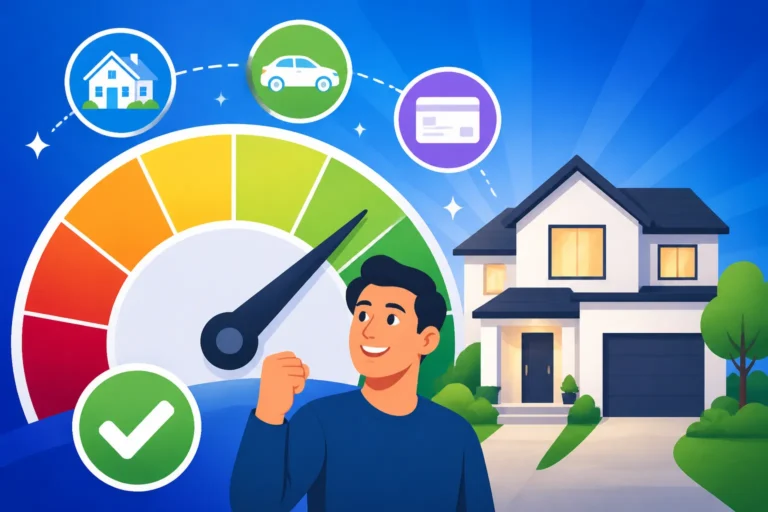
Reaching a 710 credit score is a significant achievement, and it generally places you in a favorable position as a homebuyer. Many people spend years trying to improve their credit, chipping away at debt and making payments on time, so landing in this range means your efforts have definitely paid off. Lenders, whether you're looking at a bank in Tampa or a credit union in Seattle, typically view a 710 FICO score quite positively, indicating a responsible borrower with a strong history of managing financial obligations.
Understanding Credit Score Ranges Where 710 Stands
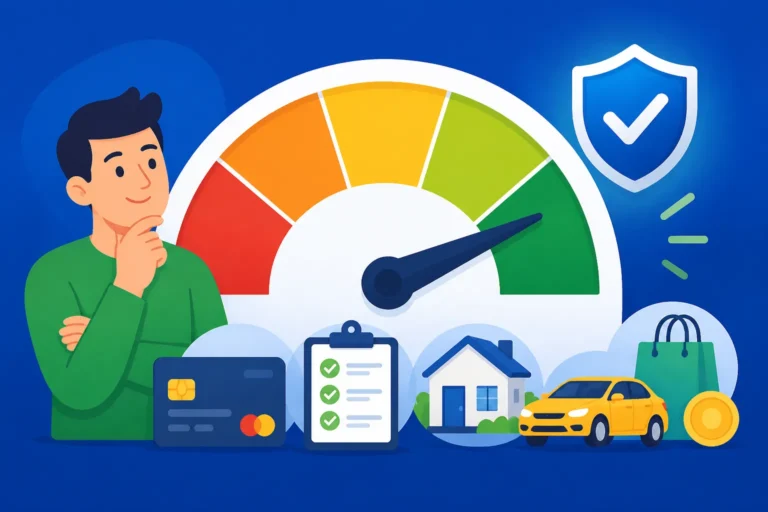
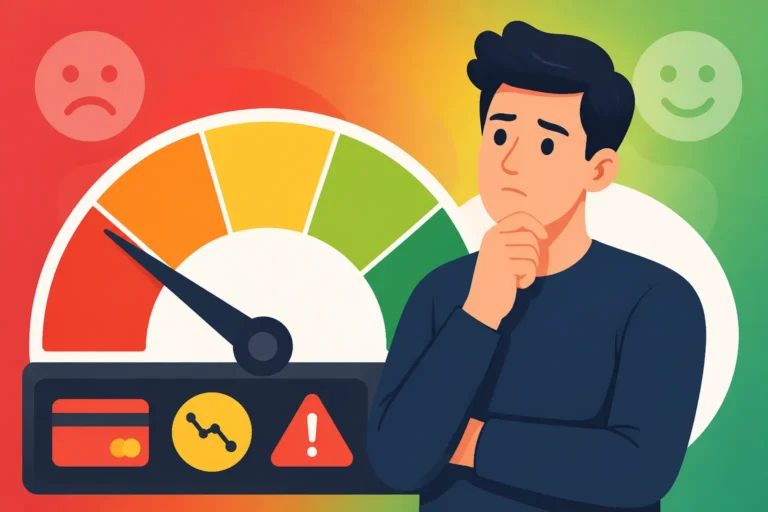
To truly appreciate what a 710 means, it helps to understand where it falls within the broader credit score landscape. Most credit scoring models, like FICO and VantageScore, categorize scores into ranges. Generally, scores from 670 to 739 are considered "Good." So, your 710 sits comfortably in the middle of that "Good" range. It's not "Excellent" (which usually starts around 740 or 760, depending on the model), but it's a far cry from "Fair" or "Poor." This classification is crucial because it directly influences how lenders perceive your risk. You're not just "acceptable"; you're a desirable applicant for many mortgage products.
What this translates to for you, the aspiring homeowner, is access to a wider array of loan options and often more competitive terms than someone with a lower score. You're past the point where lenders might hesitate or demand extensive documentation just to prove your worthiness. Instead, your 710 signals that you have a solid foundation, showing a consistent track record of on-time payments, manageable debt, and a healthy credit history. For a more comprehensive overview, you might find our guide on What Is a Good Credit Score? 2026 Ranges Explained particularly helpful.
Lender Perceptions and Initial Hurdles
When you approach a lender with a 710 credit score, you're likely to find the initial conversation much smoother. Lenders are looking for reliability, and a 710 score shouts "reliable." This doesn't mean you'll bypass every piece of paperwork or suddenly qualify for a mansion, but it significantly reduces potential roadblocks. For example, if you were in the "Fair" range (say, below 670), lenders might require higher down payments, charge more fees, or even deny your application outright, seeing you as too risky. With a 710, these hurdles are considerably lower.
You'll still need to meet other financial requirements, of course. Your income-to-debt ratio, employment history, and the size of your down payment are all factors. However, your credit score acts as a powerful first impression, and a 710 ensures that impression is a positive one. It tells the lender that your financial house is in order, making them more comfortable offering you their best products. This positive perception also means less time spent justifying your past financial decisions and more time focusing on finding the right home and the right loan.
Loan Types and Qualification with a 710 Credit Score
A 710 credit score opens up doors to various mortgage options, including some of the most popular and advantageous ones. Understanding the different loan types available will help you choose the best fit for your financial situation and home-buying goals.
Conventional Loans with a 710 Score
Conventional loans are the most common type of mortgage and are not insured or guaranteed by a government agency. With a 710 credit score, you are typically well-positioned to qualify for a conventional loan. Many lenders look for a minimum FICO score of 620-640 for conventional loans, so your 710 puts you comfortably above that threshold. This means you'll likely have access to favorable interest rates and a broader range of loan products.
One of the big advantages of a conventional loan with good credit is the potential to avoid Private Mortgage Insurance (PMI) if you can make a down payment of 20% or more. Even if your down payment is less, your strong credit score may result in a lower PMI premium compared to someone with a lower score. For example, if you're eyeing a home in the suburbs of Dallas and have a 710 score, lenders like Wells Fargo or Bank of America will see you as a lower risk, potentially offering you a better rate than someone with a 650 score, even with the same down payment. This can save you thousands over the life of the loan. Understanding How Credit Scores Work: The Complete Guide can provide more insights into how your score impacts these factors.
FHA Loans A Solid Option
Federal Housing Administration (FHA) loans are government-backed mortgages designed to help low-to-moderate-income borrowers, especially first-time homebuyers, achieve homeownership. While FHA loans are known for their more lenient credit requirements (as low as 580 for a 3.5% down payment), having a 710 credit score means you’ll easily meet and exceed these minimums. In fact, your high score could actually make an FHA loan more attractive because it signals strong financial health, even though the loan itself is geared towards lower scores.
With an FHA loan, you can often get approved with a lower down payment, sometimes as little as 3.5%. While you'll still pay mortgage insurance premiums (MIP), which include an upfront premium and an annual premium for the life of the loan or a substantial period, your 710 score ensures you're a highly qualified candidate. This makes FHA loans a viable option for those who have excellent credit but might be short on a 20% down payment, allowing them to save their cash for other things, like moving costs or home improvements.
VA and USDA Loans Special Considerations
For eligible veterans and active-duty service members, VA loans are an incredible benefit, requiring no down payment and no mortgage insurance. While the Department of Veterans Affairs doesn't set a minimum credit score, individual lenders typically look for scores in the mid-600s or higher. Your 710 credit score would put you in an excellent position to qualify for a VA loan, giving you access to potentially the best terms available with zero down payment. This can be a huge advantage, especially in competitive markets like San Diego or Northern Virginia.
Similarly, USDA loans, backed by the U.S. Department of Agriculture, offer 100% financing for eligible properties in designated rural areas. While these loans also tend to have more flexible credit requirements, usually in the mid-600s, a 710 score will make your application very strong. If you're looking to purchase a home in a qualifying rural area, your excellent credit history will help you secure these advantageous terms without a problem.
Here's a quick comparison of loan types with a 710 credit score:
| Loan Type | Typical Minimum Score | 710 Score Impact | Down Payment Range | Mortgage Insurance | Best For |
|---|---|---|---|---|---|
| Conventional | 620-640 | Excellent qualification, better rates, lower/no PMI | 3% – 20%+ | PMI (can be avoided with 20% down) | Strong credit, 20% down payment, desire to avoid PMI |
| FHA | 580 | Exceeds minimums, strong application, competitive rates | 3.5% | MIP (Upfront & Annual, often for life of loan) | Lower down payment, good credit but limited savings |
| VA | 620-660 (lender specific) | Strong qualification, best rates, no down payment/PMI | 0% | None | Eligible veterans/service members, zero down payment |
| USDA | 640 | Strong qualification, excellent rates | 0% | Annual guarantee fee (for life of loan) | Eligible rural properties, zero down payment |
The Impact of a 710 Score on Mortgage Rates and Terms
Having a 710 credit score doesn't just get you in the door; it helps you secure better financing terms, which can translate into significant savings over the life of your loan. We're talking about more than just peace of mind – we're talking about real money in your pocket.
Navigating Interest Rates
One of the most direct benefits of a 710 credit score when buying a house is securing a lower interest rate. Mortgage lenders use your credit score as a primary indicator of risk. A higher score means lower risk, and lower risk typically means lower interest rates. Even a difference of half a percentage point might not seem like much on paper, but when you're talking about a 30-year mortgage on a $300,000 home, that can add up to tens of thousands of dollars over the loan's lifetime.
Imagine you're applying for a 30-year fixed mortgage. With a 710 score, you're likely to be offered rates competitive with those reserved for "good" credit tiers. Someone with a 620 score, for instance, might be looking at a rate that's 0.5% or even 1% higher. That difference means your monthly payments are lower, and you pay less in total interest. This frees up money for other essential expenses or investments, making your homeownership journey more affordable and sustainable. For more detailed information on payment history's role, check out our article on Payment History: Why It's 35% of Your Score.
Down Payment Flexibility
While a 710 score doesn't magically eliminate the need for a down payment, it does provide more flexibility. As mentioned, with conventional loans, a 20% down payment is ideal to avoid PMI. However, if you can't quite hit that mark, a 710 score can make lenders more comfortable accepting a lower down payment, such as 5% or even 3% for certain conventional loan programs. This means you might not have to delay your home purchase for years just to save up a massive down payment.
For FHA loans, your 710 score significantly smooths the process for their already low 3.5% down payment requirement. And for VA and USDA loans, your excellent credit combines with their zero down payment feature to create a truly accessible pathway to homeownership. This flexibility is invaluable, especially for first-time buyers or those looking to preserve their savings for other expenses, like renovations or an emergency fund.
Closing Costs and Other Fees
Beyond interest rates and down payments, your credit score can also subtly influence other costs associated with buying a home, known as closing costs. While most closing costs are fixed fees (like appraisal fees, title insurance, etc.), some components can be influenced by lender discretion or the competitiveness of the rate you secure. For example, some lenders might offer slightly lower origination fees or fewer "points" to borrowers with stronger credit profiles.
Furthermore, with a 710 score, you're in a better position to negotiate. Lenders want to attract low-risk borrowers, and your score makes you one. This leverage can potentially lead to some concessions on closing costs or a willingness for the lender to absorb certain fees, though this often requires careful shopping around and asking direct questions. Remember, every little bit counts when you're making such a large purchase, and your 710 credit score is a powerful tool in your financial toolkit.
Strategies to Improve Your Credit Score Even Further
While a 710 credit score is fantastic for buying a house, there's always room to grow! Pushing your score even higher into the "Excellent" range (740+) can unlock even better interest rates and terms, saving you more money over time. Plus, maintaining excellent credit opens doors to other financial products down the line.
Key Areas for Credit Score Enhancement
To nudge your 710 score higher, focus on the fundamentals that make up your credit profile. The two biggest factors are your payment history and credit utilization. Continue to make all your payments on time, every time, for every debt – not just your credit cards, but also student loans, car payments, and any other installment loans. Even a single late payment can ding your score, so vigilance is key. If you're ever worried about missing a payment, set up automatic payments or calendar reminders. Our article on How Many Points Does a Late Payment Drop Your Score? can show you just how critical this is.
Next, keep your credit utilization low. This refers to how much of your available credit you're using. Aim to keep this below 30% on each card, and ideally even lower, like under 10%. If you have a credit card with a $10,000 limit, try to keep your balance below $3,000, and ideally below $1,000. Paying down existing credit card debt is one of the fastest ways to see a positive impact on this factor. If you're struggling with this, understanding Credit Utilization: The Complete Guide can provide valuable insights.
Maintaining Healthy Credit Habits
Beyond payment history and utilization, consistent healthy habits will continue to strengthen your credit. Don't close old credit accounts, even if you don't use them much. The longer your credit history, the better it looks to lenders. An older account shows a longer track record of responsible borrowing. If you're using credit builder tools, like those offered by Credit Strong, ensure you continue to make those payments on time too. These tools are designed to build positive payment history and diversify your credit mix, which are both important for long-term credit health.
Consider adding different types of credit to your profile, known as your "credit mix." If you only have credit cards, perhaps a small installment loan (like a personal loan or a credit builder loan from Credit Strong) could help round out your report. Just make sure it's a loan you can comfortably afford and pay back on time. Regularly check your credit report for errors – you can get your free report annually from each of the three major bureaus. Incorrect information can drag your score down, and removing it can provide a quick boost. Our guide on How to Get Your Free Credit Report is an excellent resource for this.
Finally, resist the urge to open too many new credit accounts at once. While new credit can be good for your mix over time, a flurry of new applications can lead to multiple hard inquiries, which can temporarily lower your score. Instead, be strategic and open new accounts only when truly needed, allowing a few months between applications. If you're curious about how credit builder loans work, you can explore resources like Credit Builder Loans Explained (Self, Kikoff & More).
Disclaimer
The information provided in this guide is for general informational purposes only and does not constitute financial, legal, or credit advice. Credit scores, loan qualifications, interest rates, and terms can vary significantly based on individual circumstances, lender policies, economic conditions, and specific market factors. It is always recommended to consult with a qualified financial advisor, mortgage professional, or credit counseling expert before making any financial decisions related to home buying or credit.