What Can You Get With a 520 Credit Score? (Buy a Car)
Trying to buy a car when your credit score is hovering around 520 can feel like trying to climb a mountain in flip-flops—it's tough, often frustrating, and can leave you feeling defeated before you even start. Many folks find themselves in this exact predicament, needing reliable transportation but facing an uphill battle with lenders. This guide is here to walk you through the realistic possibilities and challenges of securing a car loan with a 520 credit score, and more importantly, how you can improve your situation moving forward.
Understanding a 520 Credit Score
When you see that 520 on your credit report, it's easy to feel a pang of despair. It's a number that signals to lenders that there's a higher risk involved, and it can significantly impact everything from getting a new apartment to securing a car loan. But understanding why it's at that level and what it truly means is the first step toward navigating your options.
What "Poor" Really Means for Lenders
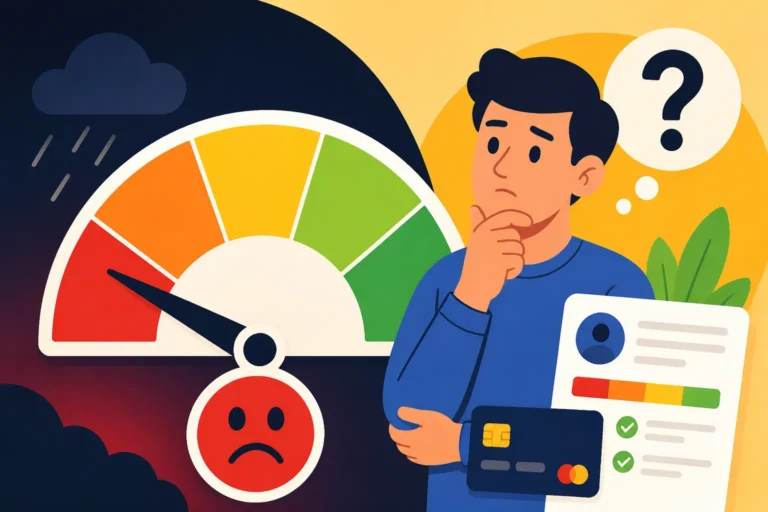
A 520 credit score falls squarely into the "poor" category according to most lending models, including popular ones like FICO and VantageScore. What this translates to for lenders is a higher perceived risk of default. They see a history, or sometimes a lack of history, that suggests you might struggle to make payments on time, or that you've had challenges with credit in the past. This isn't about judging you personally; it's a cold, hard statistical assessment. For financial institutions, it's about mitigating their risk. They use these scores to predict how likely you are to repay debt, and a 520 tells them that the probability isn't in your favor.
Because of this heightened risk, many traditional lenders, like major banks and credit unions, might be hesitant to offer you a loan at all. Or, if they do, it will come with terms that reflect that risk. It’s a tough reality to face, especially when you have a genuine need, like reliable transportation for work or family. This is why it's so important to understand How Credit Scores Work: The Complete Guide so you can begin to demystify these numbers and take control.
The Impact on Interest Rates and Loan Terms
The most significant impact of a 520 credit score on a car loan will be on the interest rate you're offered. Instead of the single-digit APRs that someone with excellent credit might qualify for, you're likely looking at rates in the double digits, potentially even high teens or low twenties. For example, while someone with a 700+ score might get a 6% APR on a new car, you could be offered 15-20% or even higher for a used car. This isn't just a small difference; it can add thousands of dollars to the total cost of your vehicle over the life of the loan.
Beyond interest rates, the loan terms might also be less favorable. You might be offered shorter loan terms, leading to higher monthly payments, or longer terms which mean you'll pay more interest overall. Lenders might also require a larger down payment to offset their risk. It's a financial squeeze that can make getting into a reliable car feel almost impossible, but it's not entirely without solutions. Understanding Credit Utilization: The Complete Guide and how to manage it can be one way to incrementally improve your score to get slightly better rates.
Why Your Score Might Be This Low
There are several common reasons why a credit score might dip into the 520 range, and often it's a combination of factors. One of the biggest culprits is a history of late or missed payments, which are a major red flag for lenders because Payment History: Why It's 35% of Your Score. A collection account, a charge-off, or even a bankruptcy can severely depress your score. High credit utilization, meaning you're using a large percentage of your available credit, can also play a significant role. If you've recently had a significant life event, like a job loss or a medical emergency, these often trickle down to impact your financial standing and, subsequently, your credit score.
Sometimes, a low score isn't due to past mistakes but rather a lack of credit history altogether, known as a "thin file." If you're new to credit or haven't used it much, lenders have little information to go on, making them cautious. It's essential to get your free credit report from all three major bureaus—Equifax, Experian, and TransUnion—to understand the specific items dragging your score down. This way, you can start to address them systematically, perhaps by exploring how to remove negative items from your credit report if there are errors or old debts.
Navigating Car Buying with a 520 Credit Score
It’s completely understandable to feel overwhelmed when thinking about buying a car with a 520 credit score. The typical advice of "just get a better score" isn't helpful when you need a vehicle now. The good news is, it's not impossible. It just means you'll need to approach the process with a realistic mindset and be prepared for some different hurdles than someone with stellar credit.
The Harsh Realities of Subprime Auto Loans
When your credit score is 520, you're squarely in the subprime lending market. This segment of the market caters specifically to borrowers with lower credit scores, which means lenders are willing to take on more risk, but they compensate for it with less favorable terms. This typically means much higher interest rates, as we discussed, but also potentially shorter loan terms (meaning higher monthly payments) or longer terms (meaning more interest paid over time).
You might also encounter specific conditions. Some subprime lenders may require you to have a co-signer, or they might offer loans only on older, higher-mileage vehicles that they consider lower risk collateral. It's crucial to thoroughly read all the fine print and understand every aspect of the loan agreement. Don't let the excitement of getting approved overshadow the importance of scrutinizing the details. Unfortunately, predatory lenders do exist, so be wary of anyone pushing you into a deal without giving you time to review it or pressuring you into add-ons you don't need.
Dealerships That Work with Bad Credit
Not all dealerships are equipped or willing to work with buyers with very low credit scores. You'll generally find better luck with dealerships that specialize in "bad credit auto loans" or "buy here, pay here" lots. These establishments often have relationships with subprime lenders or offer their own in-house financing. While they can be a viable option when traditional routes are closed, it's critical to proceed with caution.
"Buy here, pay here" lots, for example, can be a double-edged sword. They often approve nearly anyone, which is great if you're really stuck. However, their interest rates can be exceptionally high, and they might have strict payment schedules, sometimes weekly or bi-weekly. Some of these dealerships may also install GPS trackers or "starter interrupt" devices in vehicles, allowing them to locate and disable your car if you miss a payment. Always research the dealership thoroughly, read reviews, and check with the Better Business Bureau. Look for transparency in their pricing and willingness to discuss all terms openly.
Down Payments and Trade-Ins: Your Best Friends
With a low credit score, a substantial down payment can be your most powerful tool in securing an auto loan and getting slightly better terms. A larger down payment reduces the amount you need to borrow, which lowers the lender's risk. It also shows them that you're serious and committed to the purchase, and that you have some financial stability. If you can put down 10-20% of the car's value, you'll be in a much stronger position than if you show up with nothing.
Similarly, if you have a trade-in vehicle, its value can act like a down payment. Even an older car that doesn't seem worth much might make a difference, especially if you're trading it in at a "buy here, pay here" lot. The equity you have in a trade-in reduces the principal loan amount, making the loan less risky for the lender and potentially saving you a lot in interest over time. If you can combine a decent down payment with a trade-in, you significantly improve your chances of approval and might even nudge those sky-high interest rates down a couple of points.
Strategies to Improve Your Chances (and Your Score)
While you might need a car now, it's wise to also focus on improving your credit score concurrently. Even a small increase in your score can unlock better loan options and save you considerable money. Think of buying this first car as a stepping stone, not just to transportation, but to better financial health.
Before You Even Look at Cars: Boosting Your Credit
Even if you need a car quickly, taking a few weeks or months to strategically boost your credit score can pay off handsomely. Start by getting a copy of your credit report from each of the three major credit bureaus. Review them meticulously for errors. Things like incorrect late payments, accounts that aren't yours, or old collection accounts that should have dropped off your report can all be disputed. Learning How to Dispute Credit Report Errors (Step-by-Step) can make a real difference.
Beyond disputes, focus on your existing credit. If you have credit cards, even secured ones, aim to keep your credit utilization very low – ideally under 10%. Pay all your bills on time, every time, for at least six months leading up to your car purchase. Consider applying for a secured credit card or a credit builder loan. For instance, services like Credit Strong offer credit builder loans designed to help you build positive payment history without needing a large lump sum upfront. These can be excellent tools for improving your payment history and credit mix, two critical factors in your score. Even adding utility bills to your credit report through services like Experian Boost can provide a small, immediate bump.
Getting Pre-Approved: A Game Changer
One of the smartest moves you can make is to get pre-approved for a car loan before you step foot on a dealership lot. Here's why: when you get pre-approved, a lender gives you an offer with specific terms (interest rate, loan amount, monthly payment) based on your creditworthiness. This is usually a soft inquiry, which doesn't hurt your credit score. Walking into a dealership with a pre-approval in hand puts you in a much stronger negotiating position.
You'll know exactly what kind of interest rate you qualify for, and you can compare it to what the dealership offers. If the dealership tries to give you a higher rate, you can leverage your pre-approval to negotiate for better terms. It also sets a clear budget, preventing you from falling in love with a car you can't realistically afford. Many online lenders, credit unions, and even some banks offer pre-approval processes. Don't be afraid to apply with a few different places to find the best rate you can qualify for with your 520 score. This process is far better than having multiple hard inquiries from different dealerships affecting your score if you apply on the spot.
Considering a Co-signer or Joint Application
If you have a trusted family member or friend with good credit, asking them to co-sign your car loan can dramatically improve your chances of approval and get you a much better interest rate. A co-signer essentially guarantees the loan, promising to make payments if you default. This significantly reduces the risk for the lender.
However, this is a serious commitment for the co-signer. Their credit will be impacted by the loan, and any missed payments by you will negatively affect their credit score too. It's crucial to have an open, honest discussion about the responsibilities and risks involved. If you choose this route, make sure you are absolutely committed to making every payment on time. It's not just your credit on the line, but a relationship. For more detailed information, consider reading about Authorized User Benefits and Risks even though it's typically for credit cards, the underlying principles of shared responsibility apply.
Leveraging Other Factors Beyond Your Score
While your 520 credit score is a major factor, it's not the only thing lenders consider. You can strengthen your application by highlighting other positive aspects of your financial situation:
- Stable Income and Employment History: If you've been at your job for a long time and have a steady income, this shows stability. Lenders appreciate knowing you have a consistent source of funds for payments. Bring recent pay stubs and employment verification.
- Low Debt-to-Income Ratio: If your other debts (credit cards, student loans, etc.) are relatively low compared to your income, this indicates you have more disposable income to put towards a car payment. This ratio is crucial for lenders.
- Proof of Residency: Showing a stable address, perhaps owning your home or having a long-term rental history, can also add a layer of stability to your application.
- References: While less common for direct loans, some smaller "buy here, pay here" lots might appreciate a few personal or professional references.
Presenting a complete picture of your financial responsibility, even with a lower credit score, can sometimes sway a lender, especially smaller, local ones who might have more flexibility than large national banks.
The Road Ahead: Rebuilding Your Credit After a Car Purchase
Getting a car loan with a 520 credit score is often just the beginning of your credit journey, not the end. The real goal should be to use this opportunity to responsibly build your credit so that your next big purchase is much easier and more affordable.
Making On-Time Payments and Avoiding Default
This is arguably the most critical step. Your car loan is a prime opportunity to demonstrate consistent, positive payment behavior. Every single on-time payment you make will be reported to the credit bureaus and will contribute positively to your payment history, which is the largest factor in your credit score. Set up automatic payments if you can, or mark your calendar with reminders, to ensure you never miss a due date.
Missing payments, on the other hand, will severely damage your progress and make it even harder to get credit in the future. Defaulting on the loan could lead to repossession, which would be a huge blow to your credit score and financial standing. If you ever anticipate having trouble making a payment, contact your lender immediately. Some lenders may offer temporary hardship options. Proactive communication is always better than simply missing a payment. This consistent effort is truly how to build credit from scratch, or more accurately, from a challenging starting point.
Smart Financial Habits for Long-Term Improvement
Beyond the car loan, adopt overall financial habits that will continue to boost your credit score. Keep your credit card balances low – well below 30% utilization, and ideally under 10%. Avoid opening too many new credit accounts at once, as this can lead to multiple hard inquiries and potentially lower your average age of accounts. Continue to review your credit reports regularly for any new errors or suspicious activity.
Consider other credit-building tools as well. Perhaps you could get a secured credit card and use it responsibly for small, regular purchases, paying off the full balance every month. After a year or so of excellent payment history on your car loan and any other credit accounts, you'll likely see a significant improvement in your credit score, making future financial endeavors much smoother. For more tips, check out How to Build Credit Fast: What Actually Works.
Exploring Credit-Building Tools
As you work to improve your score, leveraging specific credit-building tools can be incredibly effective. For instance, a secured credit card, where you put down a deposit that becomes your credit limit, can be a great way to show responsible usage. You use it like a regular credit card, but your deposit secures the line of credit, making it less risky for the issuer. Regularly paying this off helps build positive history. You can learn more about Secured Credit Cards: How They Build Credit.
Another excellent option is a credit builder loan. These loans work a bit differently: the money you borrow is held in a locked account while you make payments. Once the loan is paid off, you get access to the funds. Providers like Credit Strong specialize in these types of loans, reporting your consistent payments to the credit bureaus and helping you establish a positive payment history without needing collateral. This can be a structured and effective way to rebuild your credit over time, showing lenders you are a responsible borrower.
| Credit Score Range | Likelihood of Approval | Typical APR Range (Used Car) | Required Down Payment | Additional Considerations |
|---|---|---|---|---|
| 300-499 (Very Poor) | Very Low | 20%+ | High (20%+) | Likely need co-signer, BHPH only |
| 500-599 (Poor) | Low to Moderate | 15-25% | Moderate to High (10-20%) | Subprime lenders, BHPH, co-signer recommended |
| 600-669 (Fair) | Moderate | 10-15% | Low to Moderate (5-10%) | More traditional lenders |
| 670-739 (Good) | Good | 6-10% | Low (0-5%) | Competitive rates |
| 740-799 (Very Good) | Very Good | 4-7% | Optional | Excellent terms |
| 800-850 (Excellent) | Excellent | 3-6% | Optional | Best possible rates |
Note: These are general ranges and can vary based on market conditions, specific lender policies, and individual applicant details.
Disclaimer
This article is for general informational purposes only and does not constitute professional advice. Laws, prices and regulations vary by location and change over time. Consult a qualified professional for guidance on your specific situation.