What Can You Get With a 540 Credit Score? (Buy a Car)
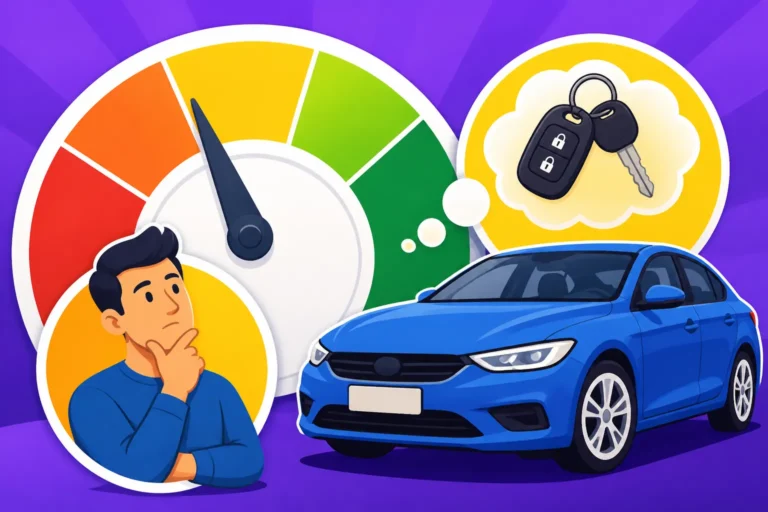
It can feel incredibly frustrating when you're in need of a reliable car, but your credit score, specifically something in the 540 range, seems to stand in your way. Many people believe a low score means no car, period, or that they'll be stuck with an impossible deal. This guide is here to realistically walk you through what your options look like when trying to buy a car with a 540 credit score, and what steps you can take to make the process smoother and more affordable.
Understanding Your 540 Credit Score for Car Buying
When you're looking to purchase a vehicle, your credit score is one of the biggest factors lenders consider. A 540 score places you in a specific category, and understanding what that means for potential lenders is the first step toward navigating the car-buying process.
What a 540 Credit Score Really Means
In the world of credit, scores generally range from 300 to 850. A score of 540 falls into what's typically considered the "poor" or "bad" credit range. Lenders usually categorize scores in ranges like excellent (781-850), very good (740-780), good (670-739), fair (580-669), and poor (300-579). So, with a 540, you're definitely on the lower end of the spectrum.
This isn't just a number on a report; it's a summary of your financial history and perceived risk. It tells lenders that, in the past, there might have been some challenges with timely payments, high credit utilization, or possibly collections or bankruptcies. For example, a single late payment can significantly impact your score, especially if it's recent. Understanding these ranges helps you set realistic expectations for your car-buying journey. You can learn more about these categories in our comprehensive guide, What Is a Good Credit Score? (2026 Ranges Explained).
Why Lenders See a 540 Score as Risky
From a lender's perspective, a 540 credit score indicates a higher risk of default. They look at your credit history to assess the likelihood that you'll pay back the loan on time and in full. Factors like a history of missed payments, high credit card balances (meaning you're using a large portion of your available credit), or even recent bankruptcies or repossessions, all contribute to this perceived risk.
Think about it from their shoes: lending money is their business, and they want to ensure they'll get it back. A low score suggests that you might have struggled with managing debt in the past, making them hesitant to offer favorable terms. This doesn't mean you're a bad person or that you'll never get a loan; it just means they'll need to offset their risk with different loan conditions, which we'll explore next. For a deeper dive into the elements that shape your score, check out our article on What Affects Your Credit Score? The 5 Factors.
The Realities of Buying a Car with a 540 Credit Score
It's important to be realistic about what to expect when you approach car financing with a 540 credit score. While getting a loan is certainly possible, the terms and conditions will likely be different than what someone with excellent credit would receive.
Higher Interest Rates and Loan Terms
The most significant impact of a 540 credit score on a car loan is the interest rate. Lenders compensate for the increased risk by charging higher interest. This can add thousands of dollars to the total cost of your vehicle over the life of the loan. For instance, while someone with a prime credit score might qualify for an annual percentage rate (APR) of 5-7%, you might be looking at an APR of 15-20% or even higher.
Let's put that into perspective with a hypothetical scenario. If you're looking for a $20,000 car and secure a 60-month loan:
- With 6% APR (Good Credit): Your monthly payment would be around $387, and you'd pay about $3,220 in total interest.
- With 18% APR (540 Credit Score): Your monthly payment could jump to approximately $508, and you'd pay roughly $10,480 in total interest.
That's a difference of over $120 per month and more than $7,000 in total interest. It's crucial to understand these numbers before committing to a loan. You might also find that lenders are only willing to offer longer loan terms (e.g., 72 or 84 months) to keep monthly payments lower, which means you pay even more interest over time.
Limited Lender Options
With a 540 credit score, you're unlikely to qualify for car loans from traditional banks and credit unions, which typically reserve their best rates for borrowers with good to excellent credit. Instead, you'll need to explore lenders who specialize in subprime auto loans. These include:
- Subprime Lenders: Companies like Ally Financial, Capital One Auto Finance, and Santander Consumer USA are well-known for working with borrowers across a wider credit spectrum, including those with lower scores. They have specific underwriting criteria for higher-risk loans.
- Dealerships with Special Finance Departments: Many car dealerships have departments dedicated to helping customers with less-than-perfect credit. They often have relationships with various subprime lenders and can help you navigate the application process.
You might also encounter "buy-here-pay-here" dealerships, which lend money directly to buyers rather than going through a third-party bank. While they can be a last resort, they often come with extremely high interest rates and unfavorable terms, which we'll discuss in more detail shortly.
Potentially Larger Down Payments
To reduce their risk, lenders will often require a larger down payment from borrowers with lower credit scores. A significant down payment shows the lender that you're committed to the purchase and have some financial stability. It also means you're borrowing less, which lowers their overall exposure.
While a typical down payment might be 10-20% for someone with good credit, you might be asked for 20-30% or more with a 540 score. Saving up for a substantial down payment can significantly improve your chances of approval and potentially secure a slightly better interest rate. Every dollar you can put down reduces the principal amount you're financing, which can save you money in interest over the loan term.
Navigating Car Financing with Bad Credit
Even with a lower credit score, there are paths to getting a car. The key is knowing which avenues to explore and how to approach them cautiously to protect your financial well-being.
Subprime Auto Lenders and Dealerships
These are often your best bet when dealing with a 540 credit score. Subprime lenders are specifically set up to evaluate applicants with challenged credit histories. They understand that not everyone has a perfect score and use different metrics to assess risk.
When working with these lenders or a dealership's special finance department:
- Do your research: Look up reviews for the lenders and dealerships you're considering. Understand their reputation.
- Shop around: Don't take the first offer you receive. Apply with multiple lenders to compare rates and terms. Each application will likely result in a hard inquiry on your credit report, but if done within a short timeframe (usually 14-45 days, depending on the scoring model), they often count as a single inquiry for scoring purposes.
- Read the fine print: High interest rates are expected, but be wary of excessive fees, prepayment penalties, or extremely long loan terms that make the car much more expensive in the long run.
- Understand total cost: Focus on the total amount you'll pay, not just the monthly payment. A low monthly payment might sound good, but if it's stretched over 84 months at 20% interest, you could be paying double the car's value.
Remember, the goal is to get a car that meets your needs while also setting yourself up for future financial improvement.
Buy-Here-Pay-Here Lots
"Buy-here-pay-here" (BHPH) dealerships are unique because they act as both the car seller and the lender. This means they often approve anyone, regardless of credit history, because they're taking on all the risk. This sounds convenient, but it comes with significant drawbacks:
- Extremely High Interest Rates: APRs at BHPH lots can easily exceed 25-30%, sometimes even higher, depending on state regulations. This will make your car incredibly expensive.
- Older, Higher-Mileage Vehicles: The cars typically offered at these lots are older, higher-mileage models, which can come with their own set of mechanical issues and repair costs.
- Aggressive Collection Practices: Since the dealership is the lender, they can be very aggressive with collections if you miss a payment, often including immediate repossession. Many BHPH cars are even equipped with GPS tracking and starter interrupt devices to facilitate repossession.
- Limited Credit Reporting: Some BHPH dealerships don't report payments to all three major credit bureaus (Equifax, Experian, TransUnion). This means even if you make all your payments on time, it might not help improve your credit score, defeating one of the potential benefits of getting a loan. Always ask if they report to all three bureaus before signing anything.
While BHPH lots can be a last resort, they should be approached with extreme caution. It's generally better to explore other options first, even if they require more effort.
The Role of a Co-signer
A co-signer with good credit can significantly increase your chances of getting approved for a car loan and might even help you secure a lower interest rate. A co-signer essentially promises the lender that if you fail to make payments, they will be responsible for the debt.
- Benefits: A co-signer can bridge the gap between your credit score and the lender's requirements, making you a less risky borrower in their eyes. This could mean access to better loan terms.
- Risks for the Co-signer: It's a huge commitment for the co-signer. If you miss payments, their credit score will be negatively impacted, and they will be legally obligated to pay the loan. This can strain relationships, so both parties should understand the full implications before agreeing.
- Your Responsibility: If you have a co-signer, be incredibly diligent about making payments on time. Not only is your credit on the line, but so is theirs, and the trust between you.
Discuss all scenarios and have a clear agreement with your co-signer beforehand. It's a powerful tool, but one that carries significant shared responsibility.
Strategies to Improve Your Chances (and Your Credit Score)
Even if you need a car now, there are proactive steps you can take to make the current process easier and set yourself up for better financial opportunities down the road.
Boosting Your Credit Score Before You Apply
The best way to get a better car loan is to improve your credit score. While this isn't an overnight fix, even small improvements can make a difference.
- Check Your Credit Report: Obtain your free credit reports from AnnualCreditReport.com. Look for errors, outdated information, or accounts that aren't yours. Disputing inaccuracies can sometimes quickly boost your score. Our guide on How to Dispute Credit Report Errors (Step-by-Step) can walk you through the process.
- Pay Bills On Time: Payment history is the most significant factor in your credit score. Make sure all your payments—credit cards, utilities, rent, and any existing loans—are paid by their due dates, every single time.
- Reduce Credit Card Debt: High credit utilization (using a large portion of your available credit) can severely drag down your score. Try to pay down your credit card balances to below 30% of your credit limit, or even better, below 10%. Even a partial payment can help. Consider creating a plan to Pay Off Credit Card Debt Fast.
- Address Collections or Past-Due Accounts: If you have collections or other negative items, try to address them. Sometimes you can negotiate a "pay for delete" with collection agencies, though this is not always guaranteed. Our article on How to Remove Collections From Your Credit Report offers strategies.
- Consider a Credit Builder Loan or Secured Card: Products like a credit builder loan or a secured credit card can help establish a positive payment history and improve your credit mix. Brands like Credit Strong offer programs designed to help you build credit responsibly by making small, on-time payments, which can gradually improve your standing.
Even if you can't dramatically increase your score before buying a car, starting these habits now means you'll be in a much stronger position when you need to refinance your car or apply for another loan in the future.
Saving for a Substantial Down Payment
As mentioned earlier, a larger down payment is your secret weapon. It directly reduces the amount you need to borrow and signals financial stability to lenders. Aim for at least 20%, but if you can put down more, do it.
Let's say you're looking at a $15,000 car. If you can save up $3,000 (20% down), you'll only need to finance $12,000. This smaller loan amount is less risky for the lender, potentially leading to better terms than if you were trying to finance the full $15,000 with little or no money down. Even an extra few hundred dollars can make a difference in the eyes of a lender when your credit score is 540.
Consider a More Affordable Vehicle
It might not be the dream car you've always wanted, but starting with a less expensive, reliable used car can be a smart move. A lower purchase price means a smaller loan amount, which translates to a smaller monthly payment and less total interest paid.
This strategy serves a few purposes:
- Easier Approval: Lenders are more comfortable approving smaller loan amounts for higher-risk borrowers.
- Lower Payments: You'll have a more manageable monthly payment, reducing the stress on your budget and making it easier to pay on time.
- Credit Building: By successfully making consistent, on-time payments on a smaller loan, you'll actively build a positive payment history, which will boost your credit score over time. After a year or two of perfect payments, you might be in a much better position to refinance for a lower rate or upgrade to a nicer car.
Sacrificing a bit on your first car purchase can be an investment in your financial future.
Alternatives to Traditional Car Buying
If the current market terms for a 540 credit score are simply too steep, or you want to hold off to improve your score, there are other ways to manage your transportation needs.
Public Transportation or Ride-Sharing
In many urban and suburban areas, public transportation (buses, trains, subways) can be a cost-effective alternative to car ownership. While it might add to your commute time, it eliminates car payments, insurance, maintenance, and gas costs.
Ride-sharing services like Uber or Lyft also offer flexibility without the burden of ownership. While not sustainable for daily long commutes for everyone, they can bridge the gap for occasional needs or while you save up for a better down payment or work on your credit. This could be a temporary solution that allows you to focus on How to Build Credit From Scratch (2026 Guide) before diving into a high-interest car loan.
Borrowing from Friends or Family (with caution)
If you have a strong, trusting relationship with a close friend or family member, they might be willing to lend you money for a car. This can offer much more favorable terms than any lender, often with little to no interest.
However, this route comes with significant caveats:
- Formalize the Agreement: Always put the loan terms in writing, detailing the amount, repayment schedule, and any interest. Treat it as a formal agreement, even if it's with family.
- Prioritize Repayment: Missing payments to a family member can damage relationships more severely than missing a payment to a bank. Be extra diligent about paying them back on time.
- Impact on Credit: Unlike a traditional loan, payments to friends or family generally won't be reported to credit bureaus, so it won't directly help improve your credit score.
This is a path that requires careful thought about the potential interpersonal impact and should only be considered if you are certain you can meet the repayment terms.
Credit Builder Programs (Indirect Impact)
While not direct car-buying solutions, credit builder programs focus on helping you establish a positive payment history, which eventually makes car loans more accessible and affordable. Companies like Credit Strong offer "credit builder loans" where you make payments into a locked savings account, and those payments are reported to the credit bureaus. Once the loan term is complete, you get access to the funds you've saved. This is a fantastic way to build a positive credit history without taking on new, risky debt.
By focusing on products like the Credit Strong credit builder loan, you can actively work towards a better credit score. Over time, as your score improves, you'll unlock better interest rates and more favorable terms, not just for cars but for housing, insurance, and other financial products. This long-term approach, while not solving your immediate car need, empowers you for the future. You can also explore how other credit builder programs work in our article, Credit Builder Loans Explained (Self, Kikoff & More).
Here's a quick comparison of car loan terms based on credit score ranges to give you a clearer picture:
| Credit Score Range | Typical APR Range (New Car) | Typical APR Range (Used Car) | Likely Down Payment | Lender Type | Considerations |
|---|---|---|---|---|---|
| 800+ (Excellent) | 3.5% – 6.0% | 4.0% – 6.5% | 0-10% | Banks, Credit Unions, Captive Lenders | Best rates, flexible terms, easy approval. |
| 700-799 (Good) | 4.0% – 7.5% | 5.0% – 8.5% | 5-15% | Banks, Credit Unions, Captive Lenders | Very good rates, generally easy approval. |
| 600-699 (Fair) | 7.0% – 12.0% | 8.0% – 14.0% | 10-20% | Banks, Credit Unions, Subprime Lenders | Higher rates, may require more effort to find best deal. |
| 500-599 (Poor/Bad) | 12.0% – 20.0%+ | 15.0% – 25.0%+ | 15-30%+ | Subprime Lenders, Special Finance Dealerships, BHPH | Significant higher rates, larger down payment often required, limited choice. |
| Below 500 (Very Poor) | 18.0% – 25.0%+ | 20.0% – 30.0%+ | 25-50%+ | BHPH, Deep Subprime Lenders | Very difficult to get approved; extremely high rates, very strict terms. |
Note: These are estimated ranges and can vary based on market conditions, specific lender, loan term, vehicle age, and other individual factors.
Disclaimer
The information provided in this article is for general informational purposes only and does not constitute financial or legal advice. Credit scores and lending terms are complex and can vary widely based on individual circumstances, market conditions, and specific lender policies. It is always recommended to consult with a qualified financial advisor or credit counseling expert for personalized advice regarding your specific situation.