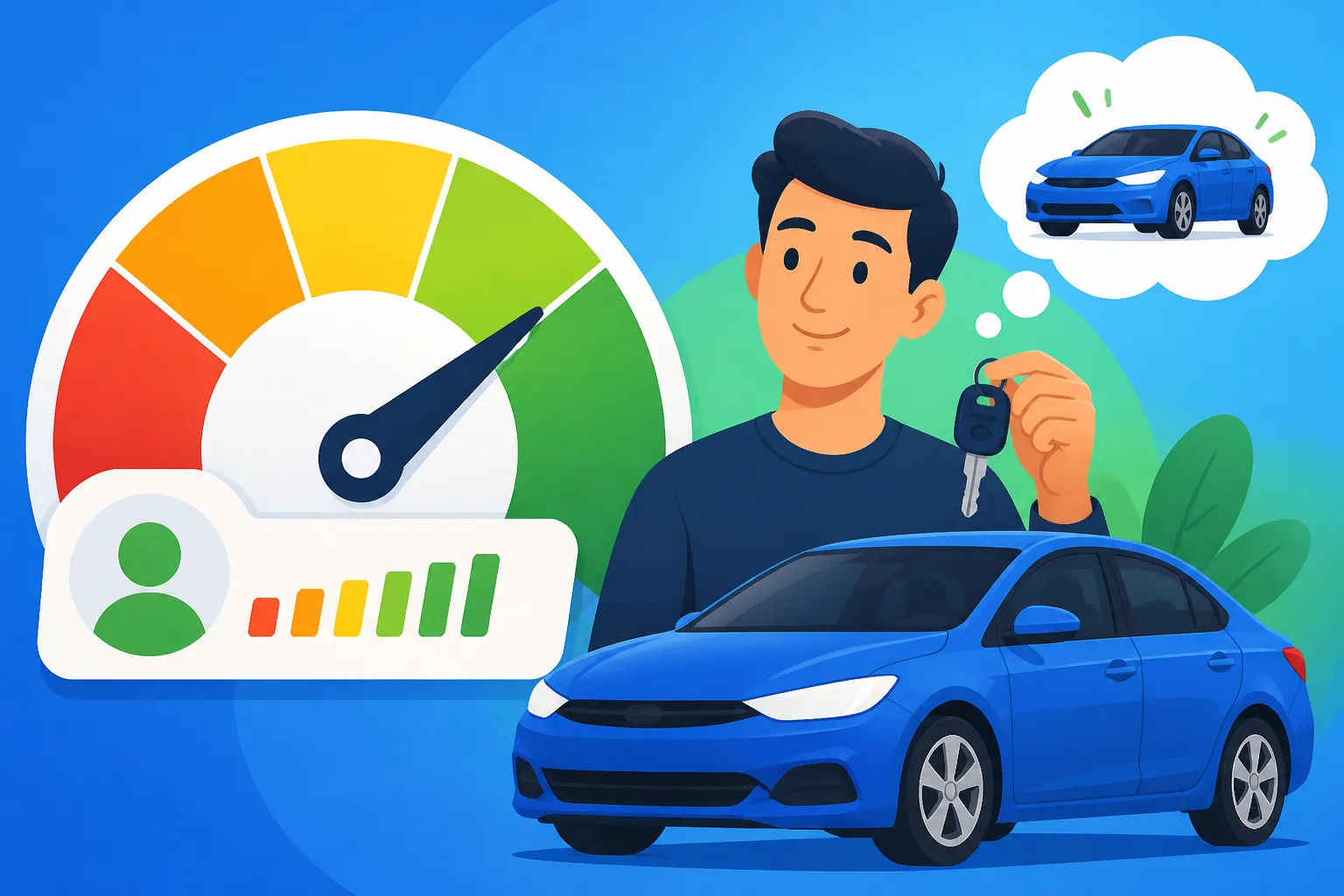
What Can You Get With a 620 Credit Score? (Buy a Car)
Trying to buy a car when your credit score isn't in the "excellent" range can feel like navigating a minefield. You're probably wondering if a 620 credit score is good enough to get approved, what kind of rates you'll be looking at, and if you'll even be able to get the car you need. This guide is here to walk you through exactly what to expect when seeking a car loan with a 620 credit score, helping you understand your options and maximize your chances for a favorable outcome.
Understanding Your 620 Credit Score for Car Loans
When it comes to your credit, a single number often feels like it defines your entire financial life. For car loans, that number is especially crucial. A 620 credit score places you squarely in the "Fair" category, according to most scoring models, and understanding what this means for lenders is your first step.
What a 620 Score Means in Lending Terms
A 620 FICO Score, for instance, is considered "Fair," hovering just above "Poor." While it's certainly not an ideal score, it's also not a definitive deal-breaker when it comes to securing a car loan. Lenders see your credit score as a snapshot of your past financial behavior and an indicator of your future repayment likelihood. A score in the low 600s suggests that while you might have had some bumps in the road — perhaps a few late payments, some collections, or higher credit utilization — you're not necessarily a high-risk borrower on par with someone in the 500s.
However, it also means you're not a prime borrower. You won't be walking into a dealership expecting the absolute best interest rates or the most flexible terms. Lenders will perceive a moderate level of risk, which translates directly into the cost of your loan. It's a score that often requires a bit more effort and strategy on your part to get a good deal, but it's definitely doable. Many people find themselves in this range, so you're certainly not alone in this situation.
How Lenders View Car Loan Applicants with a 620 Score
Lenders, whether they're banks, credit unions, or captive finance companies affiliated with car manufacturers, use a tiered system to assess risk. A 620 score typically falls into what they call "subprime" or "near-prime" territory. This means they are generally willing to lend to you, but they'll be more cautious. You'll likely encounter higher Annual Percentage Rates (APRs) compared to someone with a score in the 700s or 800s. These higher rates are essentially the lender's way of mitigating the increased risk they're taking by lending to a borrower with a less-than-perfect credit history.
Beyond interest rates, lenders might also impose other conditions. They might require a larger down payment, which signals to them that you have some skin in the game and are less likely to default. They could also offer shorter loan terms, which means higher monthly payments but less overall interest paid, or longer loan terms, which lower monthly payments but accumulate more interest over time. Some lenders might even require a co-signer, someone with excellent credit who agrees to take responsibility for the loan if you can't pay. This significantly reduces the lender's risk and can help you secure better terms. Understanding these potential requirements upfront can help you prepare and negotiate more effectively.
Navigating the Car Buying Process with a 620 Credit Score
Going into a dealership or approaching a lender without a plan can lead to frustration, especially with a fair credit score. Taking a few proactive steps can make a world of difference in your car buying journey.
Realistic Expectations for Car Loans
With a 620 credit score, it's crucial to manage your expectations regarding the type of car you can afford and the terms of your loan. While it's exciting to browse the latest models, aiming for a brand-new luxury vehicle might not be realistic right now. Lenders are more likely to approve loans for reliable, late-model used cars, as these often have lower price tags and depreciate less rapidly, making them less of a risk for the bank. Focus on practical, dependable transportation that fits your budget.
Your down payment will also play a significant role. With a fair credit score, lenders will almost certainly expect a down payment, and a larger one can drastically improve your chances of approval and help you secure a better interest rate. Think of your down payment as a demonstration of your commitment and financial stability. If you can put down 10-20% of the vehicle's price, you'll be in a much stronger position. Additionally, be prepared for potentially higher interest rates, which directly impact your monthly payment and the total cost of the car over the life of the loan. It's better to be pleasantly surprised by a lower rate than disappointed by a higher one.
Steps to Take Before Visiting a Dealership
Before you even step foot on a car lot, there are several key actions you should take. First and foremost, you need to know exactly where you stand. This means getting your credit report from all three major bureaus – Equifax, Experian, and TransUnion. You can usually get a free copy once a year. Review these reports meticulously for any inaccuracies or errors. If you find anything incorrect, you absolutely should dispute it. Removing errors can sometimes give your score a quick, vital boost. Understanding How to Get Your Free Credit Report is a critical first step.
Next, consider getting pre-approved for a loan from a bank or credit union before you even look at cars. Pre-approval gives you a clear idea of how much you can borrow, at what interest rate, and what your monthly payments will look like. It also acts as leverage at the dealership; when you have your own financing lined up, you can negotiate the car price more confidently, knowing you don't have to take the dealer's financing. This helps separate the car price negotiation from the financing negotiation. Finally, save up as much as you can for a down payment. The more you put down, the less you need to borrow, which can offset the risk associated with your 620 credit score and potentially lower your interest rate.
Strategies to Improve Your Car Loan Chances
A 620 credit score is a stepping stone, not a dead end. While you might not achieve an "excellent" score overnight, there are tangible steps you can take to strengthen your position before and during the car buying process.
Boosting Your Credit Score Even a Little Bit Helps
Every point counts when it comes to your credit score, especially when you're in the "Fair" range. Even a small increase can move you into a different lending tier, potentially shaving hundreds or even thousands of dollars off the total cost of your car loan. Start by focusing on what truly affects your score: your payment history and credit utilization. Make sure all your current bills, especially credit card payments, are paid on time and in full whenever possible. Late payments are a huge red flag for lenders and can severely damage your score. You can learn more about What Affects Your Credit Score? The 5 Factors.
Beyond consistent payments, try to reduce your credit card balances. High credit utilization – using a large percentage of your available credit – is a significant drag on your score. Aim to keep your utilization below 30% on all cards; ideally, you'd want it even lower, around 10%. If you have any old, lingering negative items on your report, now is a good time to understand How to Repair Your Credit: The Complete Guide (2026). For those looking to proactively build their credit, a credit builder loan can be a powerful tool. Companies like Credit Strong offer products specifically designed to help you establish a positive payment history and improve your score over time. These loans are designed to build your credit without requiring an immediate lump sum payment.
Strengthening Your Application Beyond Your Score
While your credit score is a major factor, it's not the only thing lenders look at. You can significantly strengthen your car loan application by presenting a more compelling overall financial picture. A larger down payment, as mentioned, is paramount. The more cash you put down, the less money the lender has at risk, making them more comfortable approving your loan and potentially offering a better rate. If you have a trade-in vehicle, that can also act like a down payment, further reducing the amount you need to finance.
Another option is to enlist a co-signer with excellent credit. A co-signer essentially vouches for you, agreeing to take on the debt if you can't pay. This reduces the lender's risk considerably and can often help you get approved for loans you might not qualify for on your own, or secure a much lower interest rate. Just be sure both you and your co-signer understand the full implications and responsibilities. Finally, consider where you apply for your loan. Credit unions, for example, are often more forgiving and offer better rates than traditional banks or dealership financing departments, as they are member-owned and tend to prioritize their members' financial well-being.
What Kind of Car and Loan Terms to Expect
With a 620 credit score, you're in a position where careful planning about your vehicle choice and understanding typical loan terms can save you a lot of money and headaches. It’s about making smart, informed decisions that align with your current credit standing.
Types of Vehicles You Can Likely Afford
Given your 620 credit score, focusing on used cars, particularly those a few years old, is a very smart move. New cars depreciate rapidly, meaning you're often underwater on the loan the moment you drive it off the lot. Used cars, especially those in the 3-5 year old range, offer much better value. They've already taken the biggest depreciation hit, and many are still covered by manufacturer warranties or extended service plans. Brands known for reliability, like Toyota, Honda, Subaru, and even some Ford or Chevrolet models, will likely be easier to finance because lenders perceive them as less risky.
Avoid the temptation of high-end luxury vehicles or highly customized cars, as these carry higher price tags and might be difficult to get approved for. Lenders will also consider the vehicle's value in relation to the loan amount; they prefer not to lend more than the car is worth. A practical sedan, a compact SUV, or a minivan that meets your transportation needs without breaking the bank is usually the most attainable option. Remember, the goal here is reliable transportation, not a status symbol. You can always upgrade once your credit improves.
Typical Interest Rates and Loan Durations
With a 620 credit score, you should anticipate interest rates that are higher than those offered to prime borrowers (720+ credit score). While rates fluctuate based on market conditions, the specific lender, and the loan term, you might see rates anywhere from 8% to 15% or even higher, especially for used vehicles. For comparison, someone with excellent credit might get rates as low as 3-5%. The difference in interest can add up significantly over the life of the loan.
Loan durations are also a key factor. Shorter loan terms (e.g., 36 or 48 months) mean higher monthly payments but less total interest paid. Longer terms (e.g., 60 or 72 months) reduce your monthly payment, making the car seem more affordable, but you'll pay substantially more in interest over time. Lenders might favor longer terms for subprime borrowers as it lowers the monthly payment and theoretically reduces the chance of default. It's vital to run the numbers and find a balance you're comfortable with. Don't let a low monthly payment seduce you into a loan that costs you too much in the long run.
Here's a simplified comparison of approximate interest rates you might encounter for a used car loan based on credit score ranges:
| Credit Score Range | Tier Example | Typical APR Range (Used Car) |
|---|---|---|
| 780+ | Excellent | 3.5% – 6% |
| 720-779 | Very Good | 4.5% – 8% |
| 660-719 | Good | 6% – 12% |
| 600-659 | Fair (Your 620) | 8% – 18% |
| 500-599 | Poor | 15% – 25%+ |
Note: These ranges are estimates and can vary widely based on the lender, current economic conditions, vehicle age, and loan term.
What to Do If You're Denied or Unhappy with Offers
It can be incredibly disheartening to get denied a car loan or to receive offers with shockingly high interest rates. But remember, a denial isn't the end of the road. It's an opportunity to understand why and pivot your strategy.
Understanding the Denial Letter
If a lender denies your application, they are legally required to send you an Adverse Action Notice (often called a denial letter). This letter isn't just a polite "no"; it's a vital piece of information. It will explain the specific reasons for your denial, which could range from a low credit score to high debt-to-income ratio, insufficient credit history, or even specific negative items on your report. Take this letter seriously, as it provides a roadmap for what you need to address to improve your chances in the future.
Armed with this information, you can focus your efforts. For example, if the letter mentions a high credit utilization, you know to focus on paying down credit card debt. If it cites a specific collection account, you can prioritize addressing that. You can also review your credit report again to ensure the reasons cited are accurate. Sometimes, errors on your report can lead to a denial, so knowing How to Dispute Credit Report Errors (Step-by-Step) becomes incredibly important. Don't be afraid to ask for clarification from the lender if something in the letter is unclear.
Alternative Financing Options
If traditional lenders aren't working out, don't despair; you still have options. One common route for those with lower credit scores is "buy-here-pay-here" dealerships. These dealerships offer in-house financing, meaning they lend you the money directly. While they can be a viable option for approval, be very cautious. Their interest rates are typically much higher than traditional lenders, and the vehicles might be older or less reliable. Always scrutinize the terms and the total cost of the car.
Another good option, as mentioned earlier, are credit unions. They often have more flexible lending criteria and are willing to work with members who have fair credit, sometimes offering better rates than large banks. If you're not a member of a credit union, it might be worth exploring local options and joining. Finally, if you're struggling to get approved, it might be a sign to take a step back and focus on further credit improvement. Utilizing tools like a Credit Strong account can help you build a stronger payment history and show financial responsibility, which will open up more doors for better loan terms in the future. Remember, improving your credit and understanding How to Raise Your Credit Score (Step-by-Step) takes time, but it's an investment that pays off with better rates on future loans, not just for cars but also for homes and other financial products.
Disclaimer
The information provided in this article is for general informational purposes only and does not constitute financial, legal, or credit advice. Credit scores and lending terms can vary widely based on individual circumstances, market conditions, and specific lender policies. Always consult with a qualified financial advisor or credit expert for personalized advice.