What Can You Get With a 650 Credit Score? (Buy a Car)
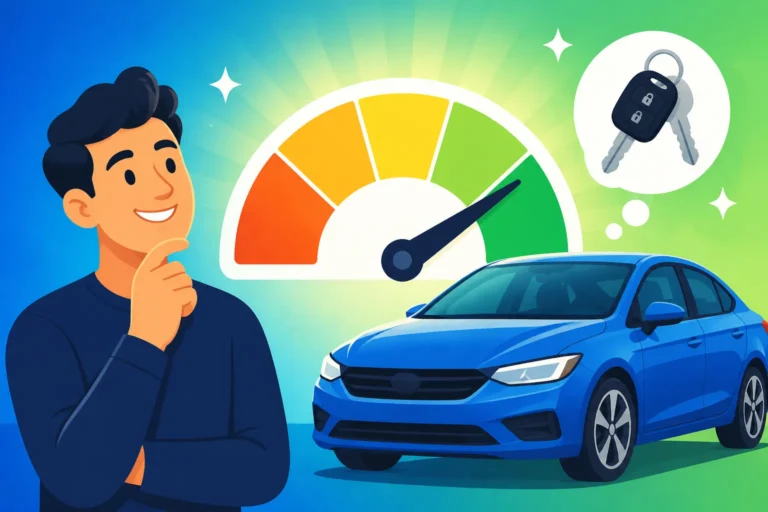
It can feel incredibly frustrating when you're ready to make a big purchase, like a car, and you're not sure if your credit score is "good enough." A 650 credit score sits in that tricky "fair" territory, leaving many wondering what kind of auto loan terms they can really expect. This guide is here to cut through the confusion, offering a realistic look at buying a car with a 650 credit score, what factors lenders consider, and concrete steps you can take to secure the best possible deal.
Understanding Your 650 Credit Score in the Auto Loan World
When you have a credit score of 650, you're not in the "poor" category, which is a relief, but you're also not in the "good" or "excellent" ranges that typically unlock the very best interest rates and loan terms. It's a solid start for many financial products, but it does mean lenders will approach your application with a bit more caution.
What "Fair" Credit Means for Lenders
A 650 credit score generally falls into the "Fair" category for both FICO and VantageScore models. What does "Fair" truly signify to a lender, especially when it comes to something as substantial as a car loan? It tells them you have a credit history, which is a good thing – it means you're not starting from scratch. However, it also suggests that there might have been some bumps along the road. Perhaps a late payment here or there, a slightly higher credit utilization ratio than ideal, or a relatively short credit history.
Lenders see "fair" as a moderate risk. They're willing to lend to you, but they'll often try to mitigate that perceived risk with less favorable terms. Think of it this way: you're not a complete unknown, but you haven't consistently proven yourself to be a low-risk borrower over a long period. This is why understanding What Affects Your Credit Score The 5 Factors is so important; each piece contributes to this overall picture.
How Auto Lenders View Scores Differently
It's a common misconception that all lenders use the exact same criteria for every loan type. While the core FICO and VantageScore models are widely used, auto lenders often use industry-specific scoring models. These models might place a different emphasis on certain aspects of your credit history that are particularly relevant to car loans. For example, they might look closely at your payment history on previous car loans, if you have any, or how quickly you've paid off installment debt in the past.
These specialized scores can sometimes be a little more forgiving for auto loans than, say, a mortgage. Dealerships and dedicated auto finance companies are often more accustomed to working with a broader range of credit scores, including those in the "fair" category. They want to sell cars, and they understand that not everyone has an 800 FICO score. However, this doesn't mean they'll ignore your score; it just means their internal thresholds and risk assessments might be slightly different than a traditional bank or credit union for other types of debt. It's a nuanced landscape, and understanding How Credit Scores Work The Complete Guide can really empower you.
The Reality of Car Loans with a 650 Credit Score
So, you've got a 650 credit score and you're looking to buy a car. What does that actually look like in terms of real-world offers? The truth is, you're likely going to pay more for your car than someone with a much higher score, primarily due to interest rates. But it's definitely possible to get approved.
Interest Rates You Can Expect
This is where your 650 score will have the most significant impact. While the exact interest rate you'll be offered can fluctuate based on the current economic climate, the specific lender, and even the car you're buying (new vs. used), a 650 credit score typically means you'll be offered an Annual Percentage Rate (APR) that is higher than the lowest advertised rates.
For context, someone with an "excellent" credit score (780+) might see APRs as low as 4-6% on a new car. With a 650 score, you might be looking at rates ranging from 7% to 15% or even higher, especially for a used vehicle or if you have a short credit history. This isn't meant to discourage you, but to set realistic expectations. Every percentage point higher in interest can add hundreds, if not thousands, of dollars to the total cost of your car over the life of the loan. This is why knowing How to Pay Off Credit Card Debt Fast is so critical, as reducing existing debt can free up more cash for a car payment and improve your credit.
Let's look at a hypothetical scenario: You want to borrow $25,000 for a car.
| Credit Score Range | Example APR (New Car) | Example APR (Used Car) | Monthly Payment (60 months, New) | Total Interest Paid (New) | Monthly Payment (60 months, Used) | Total Interest Paid (Used) |
|---|---|---|---|---|---|---|
| Excellent (780+) | 4.0% | 5.5% | $460 | $2,580 | $477 | $3,620 |
| Good (670-739) | 6.5% | 8.0% | $489 | $4,340 | $507 | $5,420 |
| Fair (600-669) | 9.5% | 12.0% | $524 | $6,440 | $556 | $8,360 |
| Poor (300-599) | 14.0%+ | 18.0%+ | $582 | $9,920+ | $635 | $13,100+ |
Note: These are illustrative examples. Actual rates and payments will vary based on market conditions, lender, specific vehicle, and other factors.
As you can see, the difference in total interest paid for a “fair” score versus an “excellent” score can be substantial. It's a clear financial incentive to work on raising your credit score before making a big purchase.
Potential Loan Terms and Conditions
Beyond the interest rate, a 650 credit score can influence other aspects of your auto loan. Lenders might offer you less flexible terms. For instance, they might be more hesitant to approve a very long loan term (e.g., 72 or 84 months) because a longer term means more risk for them. They want to see the debt paid off sooner, reducing their exposure.
You might also find that some lenders have stricter requirements regarding the vehicle itself. They might prefer newer cars with lower mileage, as these are easier to repossess and sell if you default. Older, higher-mileage vehicles can be seen as riskier collateral. Additionally, you might encounter limits on the maximum loan amount they're willing to extend, or they might require a higher income-to-debt ratio to feel comfortable. These conditions are all designed to compensate for the slightly elevated risk associated with a fair credit score.
The Role of a Down Payment
This is perhaps one of your most powerful tools when buying a car with a 650 credit score. A significant down payment works wonders for two main reasons:
First, it directly reduces the amount of money you need to borrow. Less money borrowed means less risk for the lender. If you're borrowing $20,000 instead of $25,000, that's $5,000 less that the lender is on the hook for.
Second, a substantial down payment signals to the lender that you are serious and have a vested interest in the vehicle. It shows financial responsibility and commitment, which can make them more willing to offer you a better interest rate or more flexible terms than they would otherwise. For instance, putting down 10-20% of the car's purchase price can often make your application much more appealing and potentially shave a few percentage points off your interest rate. This could literally save you thousands over the life of the loan.
Strategies to Improve Your Chances and Terms
While a 650 score is perfectly capable of getting you a car loan, there are definite steps you can take to make the process smoother and potentially save you a lot of money in interest. It's all about presenting yourself as the most reliable borrower possible.
Boosting Your Score Before Applying
Even a small bump in your credit score can make a significant difference in the interest rate you qualify for. If you're not in a rush, dedicating a few months to credit improvement can pay dividends. Here are some key areas to focus on:
- Pay down credit card debt: Your Credit Utilization The Complete Guide is a huge factor in your score. Aim to keep your credit card balances below 30% of your available credit, and ideally even lower, like under 10%. Paying down a high balance can quickly increase your score.
- Check your credit report for errors: You'd be surprised how often mistakes pop up. Get your free credit reports from AnnualCreditReport.com and meticulously review them. If you find errors, dispute them immediately. Even small inaccuracies, like an old address or an account that isn't yours, can drag your score down. This is where knowing How to Get Your Free Credit Report and How to Dispute Credit Report Errors Step-by-Step becomes essential.
- Establish a positive payment history: Payment history is the biggest factor in your credit score. Make sure all your bills, especially loan and credit card payments, are paid on time, every time. If you have a short credit history, consider a credit-builder product. Companies like Credit Strong offer credit builder loans that report your on-time payments to the credit bureaus, helping you build a positive payment history over time. It's a strategic way to demonstrate responsible financial behavior.
- Consider a credit builder loan: If your credit file is a bit thin or you want to actively add positive payment history, a credit builder loan can be a fantastic tool. Products like those from Credit Strong allow you to make regular, on-time payments that are reported to the credit bureaus. After successfully completing the loan term, you get the money back, often with a little interest, and you've significantly strengthened your credit profile. This could be particularly helpful if you're trying to move from "fair" to "good" credit before applying for a car loan.
Exploring Different Lender Types
Don't just walk into the nearest dealership and assume their financing offer is your only option. Dealerships often work with a range of lenders, but they might not always present you with the absolute best rate you could qualify for. It pays to shop around:
- Credit Unions: These member-owned financial institutions are often known for offering more competitive interest rates and being more flexible with borrowers who have less-than-perfect credit. If you're eligible to join one, it's definitely worth checking their auto loan rates.
- Local Banks: Your existing bank might offer you a better deal, especially if you have a long-standing relationship with them. They know your banking habits, which can sometimes work in your favor.
- Online Lenders: Companies like Capital One Auto Finance, LightStream, and others specialize in online auto loans. They often have streamlined application processes and can offer competitive rates. Just be sure to read reviews and check their legitimacy.
The key here is to get pre-approved from a few different sources before you step onto the car lot. A pre-approval gives you a concrete interest rate and loan amount, which acts as leverage. You'll know your budget and can negotiate the car's price with confidence, rather than letting the dealership dictate terms based on their preferred financing. Remember, getting pre-approved typically results in a soft credit inquiry, which won't impact your score, until you finalize the loan.
Considering a Cosigner or Secured Loan
If you've shopped around and the interest rates are still higher than you'd like, or if you're finding it difficult to get approved for the amount you need, there are two additional avenues to explore:
- Cosigner: A cosigner with an excellent credit score can significantly improve your chances of approval and help you secure a much lower interest rate. When someone with strong credit co-signs, they are essentially guaranteeing the loan, taking on equal responsibility for repayment. This reduces the risk for the lender, making them more comfortable offering better terms. However, it's crucial to understand the implications for your cosigner: if you miss payments, their credit score will also be negatively impacted. It's a big ask and should only be considered with someone you trust implicitly and with whom you have a clear agreement.
- Secured Auto Loan: While most auto loans are naturally secured by the vehicle itself, some lenders offer "secured personal loans" where you put up other collateral, or they might offer specific programs for those with lower scores that are more overtly "secured." For instance, a credit builder loan from Credit Strong acts as a secured loan of sorts, as your funds are held until you complete the payments. In the auto world, this means the car is the collateral, and if you default, the lender can repossess it. However, if your credit is very weak, some alternative lenders might consider a higher-value car or a larger down payment as additional security.
Beyond the Loan: Other Factors Lenders Consider
Your credit score is undoubtedly a major player in the auto loan game, but it's not the only card on the table. Lenders look at your overall financial picture to assess your ability to repay. Overlooking these other factors can derail even an applicant with a decent credit score.
Your Income and Debt-to-Income Ratio
Lenders want to see that you have a stable and sufficient income to comfortably afford your car payments, in addition to your other monthly expenses. Your income-to-debt ratio (DTI) is a critical measure here. This ratio compares your total monthly debt payments (including the proposed car payment, credit cards, student loans, mortgage, etc.) to your gross monthly income.
If your DTI is too high, even with a 650 credit score, a lender might worry about your ability to handle another monthly obligation. They generally prefer a DTI below 36%, though some auto lenders might go up to 43-50% depending on other factors. A steady job history, proof of income (pay stubs, tax returns), and a manageable DTI demonstrate financial stability, which can sometimes help offset a "fair" credit score. For a deeper dive into your financial health, consider understanding What Is a Good Credit Score? in broader terms.
The Vehicle's Age and Value
Believe it or not, the car you choose can also influence your loan approval and terms. Lenders assess risk not only based on you but also on the asset they're financing.
- New Cars: Generally, new cars are less risky for lenders. They hold their value better initially, are less prone to mechanical issues, and are easier to resell if repossessed. This can sometimes lead to slightly better rates or easier approval for a new car compared to an older, higher-mileage used car, even with a 650 score.
- Used Cars: The age and mileage of a used car play a significant role. An older car with very high mileage might be harder to finance because its value depreciates rapidly, and its reliability can be questionable. Lenders might offer shorter loan terms or higher interest rates for such vehicles to mitigate their risk. They want to ensure that if they have to repossess the car, they can still recoup their losses. If you're looking at a used car, focusing on models known for reliability and good resale value can sometimes improve your loan prospects.
Importance of a Strong Down Payment
We touched on this earlier, but it's worth reiterating and expanding on the sheer importance of a robust down payment, especially with a 650 credit score. Imagine two individuals, both with a 650 credit score, applying for the same car loan. One has scraped together a 5% down payment, while the other has meticulously saved up 20%. The individual with the 20% down payment is almost certainly going to receive more favorable terms.
Why? Because a higher down payment immediately reduces the loan-to-value (LTV) ratio. A lower LTV means the lender has less money at risk. If you default, they are much more likely to recover their investment through the sale of the repossessed vehicle. This reduction in risk translates directly into a higher likelihood of approval and, crucially, a lower interest rate. If you can save up 10-20% of the car's purchase price, you'll be in a much stronger negotiating position and likely save a considerable amount of money over the life of the loan. This discipline in saving can also indirectly reflect positively on your overall financial picture to a lender, showcasing your commitment to financial health. Consider exploring options like How to Build Credit From Scratch 2026 Guide to understand all the ways you can strengthen your financial standing before your next big purchase.
Disclaimer
Please note that this content is for informational purposes only and does not constitute financial or legal advice. Credit scores, interest rates, and loan terms can vary significantly based on individual financial situations, market conditions, and specific lender policies. Always consult with a qualified financial advisor or credit professional for personalized advice.