How to Build Credit After Closing All Cards
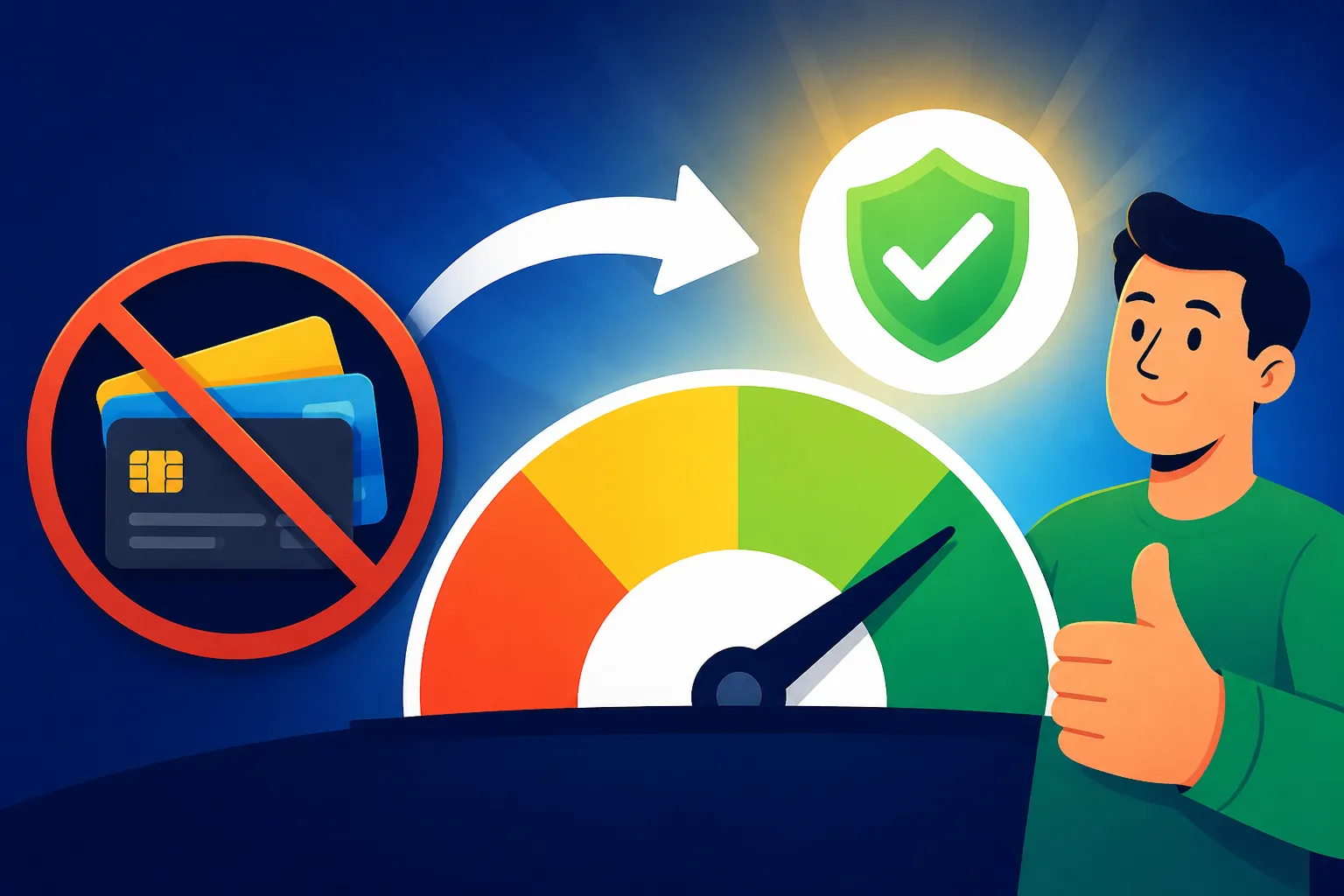
It’s a common misconception that closing all your credit card accounts is a surefire way to get out of debt and simplify your finances. While the intention might be good, many people find themselves in a tricky spot afterward, realizing that shutting down those lines of credit can actually do more harm than good to their credit score. This guide is here to walk you through the often-frustrating reality of building credit after closing all your cards, offering practical steps and a realistic timeline for recovery.
Understanding the Impact of Closed Accounts on Your Credit Score
When you decide to close all your credit card accounts, you're not just wiping the slate clean; you're fundamentally altering the very factors that make up your credit score. Many folks think that eliminating all debt means a higher score, but the credit scoring models see things a bit differently. They evaluate your ability to manage credit responsibly over time, and a sudden disappearance of all your active accounts can send confusing signals. It’s not just about the debt you owe; it’s about the credit you have available and how you handle it.
The Immediate Hit to Credit Utilization
One of the biggest, most immediate impacts of closing all your credit cards is how it affects your credit utilization ratio. This ratio looks at how much of your available credit you're currently using. For example, if you had a total credit limit of $10,000 across several cards and owed $2,000, your utilization was 20%. That's generally considered good. However, when you close all those accounts, even if you paid them off before doing so, your total available credit drops to zero. If you happened to have any other revolving credit, like a store card or a personal line of credit that you didn't close, its utilization would suddenly spike.
Even if you had absolutely no balances when you closed everything, the credit bureaus no longer see any available credit from those sources. This can make it appear as though you have no credit to manage, or worse, if you did have a small balance somewhere else, your utilization on that account would look incredibly high in proportion to your total (now zero or near-zero) credit limit. Lenders often view high utilization as a sign of financial distress, even if it's just a byproduct of closing accounts, and it can significantly lower your score. Aiming for a low Credit Utilization: The Complete Guide is always a smart move for your credit health.
Shrinking Your Credit History
Another crucial factor that takes a hit when you close accounts is the length of your credit history. Credit scoring models, particularly FICO, heavily weigh the average age of your accounts and the age of your oldest account. Lenders like to see a long, established history of responsible credit management. When you close your oldest credit cards, even if they remain on your report for up to 10 years, they eventually fall off, and the average age of your active credit accounts will decrease.
This is why many financial advisors suggest keeping your oldest accounts open, even if you don't use them frequently, perhaps by making a small purchase once a month and paying it off immediately. Losing that long history means that when you eventually apply for new credit, lenders have less data to assess your long-term reliability. It essentially makes your credit profile look "younger" and less experienced, which can translate to a lower score and potentially higher interest rates on future loans. Understanding How Long Does It Take to Build Credit? can help set realistic expectations for recovery.
Limiting Your Credit Mix
Your credit mix refers to the different types of credit you have, such as revolving accounts (credit cards) and installment loans (mortgages, car loans, student loans). Having a healthy mix demonstrates to lenders that you can handle various forms of credit responsibly. When you close all your credit cards, you essentially eliminate the revolving portion of your credit mix. If you only have installment loans remaining, your credit profile becomes less diverse.
While credit mix isn't the most heavily weighted factor in your credit score (it accounts for about 10%), it still plays a role. A diverse mix signals financial stability and versatility, which can be beneficial, especially as you work towards higher credit goals like buying a home. Without any credit cards, you miss out on demonstrating responsible revolving credit usage, which is a key indicator for many lenders. This makes it harder for potential creditors to assess your overall creditworthiness, sometimes leading to unfavorable terms or denials when you need new credit down the line.
Your Roadmap to Rebuilding Credit After Closing Accounts
It might feel like you're starting from scratch, or even worse, in a deeper hole than if you had no credit at all. But don't despair! Building credit after closing all your cards is absolutely achievable. It takes a strategic approach, a good dose of patience, and a commitment to new, healthy financial habits. The key is to consciously add positive credit accounts back to your report and manage them impeccably.
The Power of Secured Credit Cards
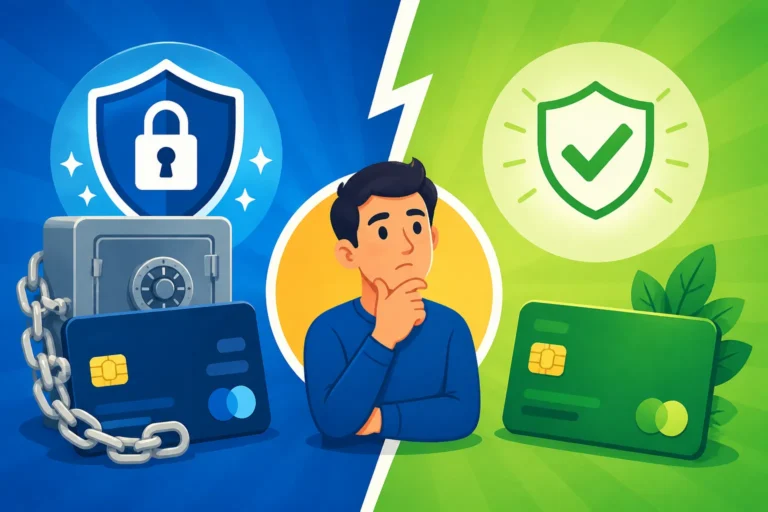
One of the most effective ways to begin rebuilding your credit is by opening a secured credit card. These cards are specifically designed for people looking to establish or re-establish credit. Unlike traditional credit cards, a secured card requires you to put down a cash deposit, which typically becomes your credit limit. So, if you deposit $200, your credit limit is $200. This deposit acts as collateral, minimizing the risk for the issuer.
Because of this built-in security, secured cards are much easier to qualify for, even if your credit score has taken a significant hit. The important thing to remember is that it functions just like a regular credit card. You make purchases, and you need to pay your bill on time, every single month, preferably in full, to avoid interest and keep your utilization low. The card issuer reports your payment activity to the major credit bureaus – Equifax, Experian, and TransUnion – which helps you build a positive payment history. After several months or a year of responsible use, many secured cards will allow you to graduate to an unsecured card and get your deposit back. Many people find options like the Discover it Secured Card or the Capital One Platinum Secured Card to be great starting points. You can learn more about Secured Credit Cards: How They Build Credit to see if this option is right for you.
Exploring Credit Builder Loans
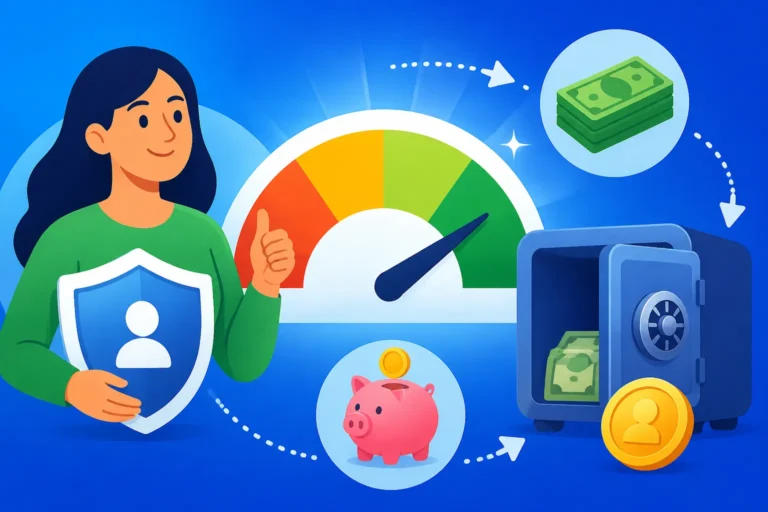
Another fantastic tool for rebuilding credit, especially if you're hesitant about another credit card, is a credit builder loan. These loans work in reverse compared to traditional loans. Instead of receiving the money upfront, the loan amount is held in a locked savings account or certificate of deposit (CD) while you make monthly payments. Once you've paid off the loan, you get access to the money, plus any interest it might have accrued.
What's powerful about credit builder loans is that the regular, on-time payments are reported to the credit bureaus as an installment loan. This adds a positive tradeline to your credit report, demonstrates your ability to make consistent payments, and diversifies your credit mix. It’s a low-risk way to show responsible borrowing behavior. Companies like Self and Kikoff offer popular credit builder loan options. Another excellent choice is Credit Strong, which provides various credit builder loan products designed to help you establish a positive payment history. The structure of a Credit Strong account makes it a really accessible way to kickstart your credit rebuilding journey, as they report to all three major credit bureaus. For a deeper dive into how these work, check out our guide on Credit Builder Loans Explained (Self, Kikoff & More).
Becoming an Authorized User (Carefully!)
If you have a trusted family member or friend with excellent credit, becoming an authorized user on one of their credit card accounts can be a speedy way to boost your own score. When you're added as an authorized user, the account's payment history, credit limit, and utilization are often reflected on your credit report. If the primary account holder has a long history of on-time payments and low utilization, this positive information can quickly improve your credit profile.
However, this strategy comes with a significant caveat: choose your primary account holder wisely. Their financial habits directly impact your credit. If they suddenly start missing payments or max out the card, that negative activity will also show up on your report, undoing your hard work. Always have a clear understanding and agreement with the primary cardholder about how the card will be used (or not used by you) and paid. While it can be an effective shortcut, it relies entirely on someone else's financial discipline. Our article on Does Being an Authorized User Build Credit? offers more insights into this approach.
Reporting Your Rent and Utility Payments
In recent years, more services have emerged that allow you to report your regular rent and utility payments to the credit bureaus. Historically, these payments weren't included in your credit report, even though they represent consistent, on-time financial obligations. Now, services like Experian Boost or dedicated rent reporting platforms can take this data and add it to your credit file.
For someone rebuilding credit after closing all their cards, this can be incredibly beneficial. It leverages payments you're already making and transforms them into positive credit history. While not all scoring models fully incorporate these alternative data points yet, their inclusion can still help strengthen your payment history, which is the most influential factor in your credit score. Many people find that reporting rent and utilities provides a steady stream of positive data, offering a foundation of reliability. Exploring Rent Reporting: Can Paying Rent Build Credit? will give you a clearer picture of how this can benefit you.
Monitoring Progress and Practicing Patience
Rebuilding credit isn't an overnight sprint; it's a marathon that requires consistent effort and a realistic understanding of how credit scores work. After you've taken the initial steps to add positive accounts to your credit report, the next phase is all about vigilant monitoring and letting time do its work. It can feel frustrating to see slow progress, but every on-time payment and responsible credit action adds another brick to your credit foundation.
Regularly Checking Your Credit Report
This step is non-negotiable. Once you start rebuilding, you need to regularly check your credit reports from all three major bureaus: Equifax, Experian, and TransUnion. You are legally entitled to a free copy of your credit report from each bureau once every 12 months through AnnualCreditReport.com. Take advantage of this. Scrutinize every detail to ensure that new accounts are being reported correctly and that there are no errors that could be hindering your progress. Look for the accounts you've opened – your secured card, your credit builder loan from Credit Strong, or your authorized user account – and verify that payments are listed as on-time.
Checking your credit report isn't just about spotting mistakes; it's also a way to track your progress and understand what's actually showing up for lenders. If you see inaccuracies or accounts you don't recognize, it’s crucial to dispute them promptly. Our guide on How to Read Your Credit Report (2026 Guide) will help you decipher all the complex information you'll find there. Remember, consistent monitoring helps you stay on top of your financial health and catch any issues early.
Understanding Credit Score Fluctuations
It’s completely normal for your credit score to fluctuate as you rebuild. Don't be alarmed if you see small dips or gains from month to month. Your score is a dynamic number that responds to every piece of data reported to the credit bureaus. For instance, when you open a new account like a secured credit card or a Credit Strong loan, you might see a slight dip initially due to the new hard inquiry. However, as you make consistent, on-time payments, your score will steadily improve.
Factors like credit utilization also play a big role. If you use a significant portion of your secured card limit in one month, your score might dip, even if you pay it off. Once the payment is reported, the score usually recovers. The key is to focus on the long-term trend: is your score generally moving upward over several months? Are you consistently making payments on time? Are you keeping your utilization low? If the answer is yes, then you're on the right track. Remember, building a What Is a Good Credit Score? (2026 Ranges Explained) takes time and patience, but the rewards are well worth the effort.
Here's a quick comparison of the rebuilding strategies discussed:
| Strategy | Pros | Cons | Typical Impact on Credit |
|---|---|---|---|
| Secured Credit Card | Easy to get, reports as a regular credit card, builds payment history. | Requires a security deposit, often has low credit limits. | Strong positive impact with responsible use, improves utilization and payment history. |
| Credit Builder Loan | Builds installment loan history, provides savings, low risk. | Money is locked away until paid off, takes time to complete. | Excellent for credit mix and payment history, adds a new tradeline. |
| Authorized User | Fast boost if primary user has excellent credit, no deposit needed. | Reliant on another person's financial habits, less control. | Can significantly boost score quickly, but also risks damage if primary user is irresponsible. |
| Rent/Utility Reporting | Utilizes existing payments, no new debt, adds positive payment history. | Not all services report to all bureaus, not all scoring models fully utilize this data. | Helps establish payment history and lengthen credit age, particularly for thin files. |
This table should help illustrate why combining a few of these methods, such as a secured card and a Credit Strong credit builder loan, can be the most effective way to address multiple aspects of your credit profile and build a robust foundation after closing all your cards. Building How to Build Credit From Scratch (2026 Guide) often involves using a blend of these tools.
The Long Road to a Stronger Credit Profile
Rebuilding your credit after closing all your cards isn't a quick fix, but it's a journey that is entirely within your control. It demands discipline, smart choices, and consistent effort. Remember the core principles of good credit: always pay your bills on time, keep your credit utilization low, and aim for a diverse mix of credit accounts. Start with accessible tools like secured credit cards and credit builder loans, like those offered by Credit Strong, to establish a positive payment history.
As you consistently demonstrate responsible financial behavior, you'll see your credit score steadily climb. This upward trend will eventually open doors to better financial opportunities, from lower interest rates on loans to easier approval for apartments or even a mortgage. Don't let past financial decisions define your future; empower yourself with knowledge and proactive steps to build the strong credit profile you deserve.
Disclaimer
The information provided in this article is for general informational purposes only and does not constitute financial, legal, or professional advice. Always consult with a qualified financial advisor or credit counselor for advice tailored to your specific situation. Credit scores and reporting practices can vary, and individual results may differ.