How to Build Credit After a Foreclosure
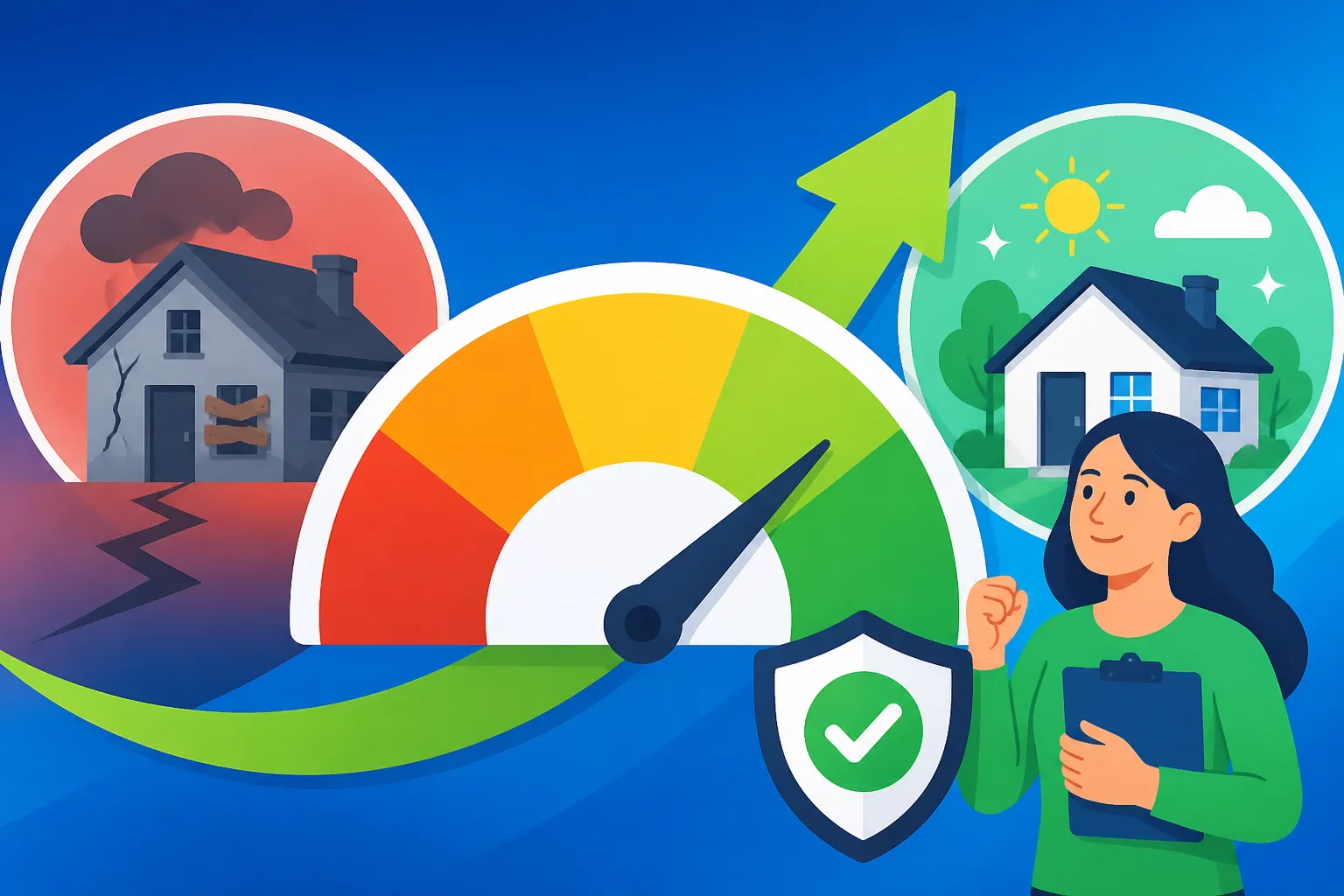
Experiencing a foreclosure is a truly devastating event, leaving many feeling hopeless about their financial future and wondering if they'll ever qualify for a loan again. The good news is that while it's a major setback, it's absolutely possible to rebuild your credit and regain financial stability. This guide will walk you through the practical, step-by-step process of repairing your credit score after a foreclosure, offering real strategies to get you back on track.
Understanding the Impact of Foreclosure on Your Credit Score
When a foreclosure hits your credit report, it feels like a financial earthquake. It’s not just a small ripple; it’s a significant event that can shake your credit score to its core. Understanding precisely how it affects your credit is the first step toward recovery.
How a Foreclosure Appears on Your Report
A foreclosure isn't just a single entry; it's often a series of negative marks that chronicle the entire process. Before the foreclosure itself, you likely had a string of late payments reported on your mortgage account. Each one of those late payments chips away at your credit score. Then, the foreclosure itself, whether it's a judicial or non-judicial process, will be explicitly listed on your credit report. It typically shows up under the public records section or as a notation on the mortgage account itself, clearly indicating the property was foreclosed upon. This mark signals to potential lenders that a significant financial obligation was not met, raising a red flag about your creditworthiness.
It's important to remember that these entries aren't just temporary blips. The late payments leading up to the foreclosure, and the foreclosure itself, can remain on your credit report for up to seven years from the date of the first missed payment that led to the foreclosure. This means you'll be dealing with its presence for quite some time, making consistent and proactive credit rebuilding strategies crucial. You can learn more about how to read your credit report by checking out our comprehensive guide on How to Read Your Credit Report (2026 Guide).
The Immediate Credit Score Drop
The immediate impact of a foreclosure on your credit score is usually severe. Depending on where your score stood before the foreclosure, you could see a drop of 100 points, 200 points, or even more. If you had an excellent credit score in the 700s or 800s, the fall might feel even more dramatic. Why such a drastic dip? Because payment history is the single most influential factor in your credit score calculations, accounting for about 35% of your FICO score. A foreclosure, by its very nature, represents a failure to make agreed-upon payments on a very large debt, signaling a high level of risk to lenders.
Think of it like this: if you're a perfect driver for years, and then suddenly you get into a major accident, your insurance rates are going to skyrocket. A foreclosure is that major accident for your credit profile. It impacts the payment history, credit utilization (if other accounts also went delinquent), and potentially the length of your credit history if it was one of your oldest accounts. This immediate drop can make it incredibly challenging to get approved for new credit, rent an apartment, or even secure certain jobs, highlighting the urgent need for a plan to rebuild.
Long-Term Effects and Waiting Periods
Beyond the initial score plunge, a foreclosure creates long-term challenges, particularly when it comes to securing new loans like mortgages or even car loans. Most lenders, especially for significant loans, impose waiting periods after a foreclosure before they will even consider your application. For example, Fannie Mae and Freddie Mac, which back a huge portion of U.S. mortgages, generally require a waiting period of at least seven years from the completion date of the foreclosure before you can qualify for a conventional loan again. There are exceptions for extenuating circumstances, which might reduce the waiting period to three years, but these are rare and require extensive documentation.
Government-backed loans, like FHA and VA loans, often have shorter waiting periods (typically three and two years, respectively), which can be a lifeline for some. However, even with these shorter periods, you'll need to demonstrate a consistent history of on-time payments, a stable income, and a rebuilt credit profile during that time. The presence of a foreclosure on your report also means you’ll likely face higher interest rates and less favorable terms on any credit you do obtain until sufficient time has passed and your credit has significantly improved. This makes rebuilding a marathon, not a sprint, requiring patience and persistent effort.
Essential First Steps After Foreclosure
Facing the aftermath of a foreclosure can be overwhelming, but taking a few critical first steps can lay a solid foundation for your credit rebuilding journey. These actions are about getting organized, understanding your current financial standing, and setting realistic expectations.
Get Your Credit Reports
The very first thing you need to do is get your hands on all three of your credit reports—from Equifax, Experian, and TransUnion. Don't just look at one; you need all three because they can differ. You're legally entitled to a free copy of your credit report from each bureau once every 12 months through AnnualCreditReport.com. It's crucial to examine these reports with a fine-tooth comb.
What are you looking for? You're checking for accuracy. Make sure the foreclosure is reported correctly. Sometimes, errors can occur, such as a foreclosure being listed when it was actually a short sale, or incorrect dates. You'll also want to identify any other accounts that might have gone into default or collection during the financial hardship that led to the foreclosure. These "negative items" are prime targets for dispute if they are inaccurate or outdated. Catching and correcting errors can be a vital part of your credit repair process, as even small inaccuracies can affect your score. Our guide on How to Get Your Free Credit Report provides more detailed instructions.
Address Any Remaining Deficiencies
A common misconception after a foreclosure is that all your obligations related to that property are gone. Unfortunately, that's not always the case. In some states, lenders can pursue a "deficiency judgment." This means if the foreclosure sale didn't cover the full amount of your mortgage debt, plus legal fees and other costs, the lender can sue you for the remaining balance, known as the "deficiency."
If a deficiency judgment is issued against you, it will show up on your credit report and can severely hinder your ability to rebuild credit. It's essential to understand if you have any remaining deficiency and, if so, to actively address it. This might involve negotiating a settlement with the lender, establishing a payment plan, or, in some cases, filing for bankruptcy if the debt is insurmountable. Ignoring a deficiency judgment will only prolong your financial distress and make credit rebuilding much harder. Getting clarity on these outstanding debts is a crucial step towards a fresh start.
Budgeting and Financial Stability
Before you even think about applying for new credit, you absolutely must get a handle on your personal finances and establish a solid budget. A foreclosure often stems from underlying financial difficulties, and without addressing those root causes, you risk falling into the same trap again. Sit down and meticulously track all your income and expenses. Where is your money going? Are there areas where you can cut back?
Creating a realistic budget helps you identify how much disposable income you genuinely have each month. This income can then be strategically allocated towards building savings, paying down other existing debts, and eventually making timely payments on new credit-building tools. The goal here isn't just to scrape by; it's to create a surplus that allows you to confidently manage new financial obligations without stress. Achieving financial stability is not just about showing lenders you're responsible; it's about giving yourself peace of mind and confidence in your ability to manage your money effectively.
Strategies to Rebuild Your Credit Post-Foreclosure
Rebuilding credit after a foreclosure requires a strategic, patient approach. It won't happen overnight, but by consistently implementing specific tools and behaviors, you can steadily improve your credit health.
Secured Credit Cards
One of the most effective and accessible tools for rebuilding credit after a major negative event like a foreclosure is a secured credit card. Unlike traditional credit cards, a secured card requires you to put down a cash deposit, which typically becomes your credit limit. For example, if you deposit $300, your credit limit will be $300. This deposit acts as collateral, significantly reducing the risk for the lender, which is why they are often available to individuals with lower credit scores or those recovering from financial hardship.
The key to using a secured card effectively is to treat it exactly like a regular credit card. Make small, manageable purchases that you can easily afford to pay off in full every single month, often multiple times a month to keep your utilization low. Using less than 10-30% of your credit limit is generally recommended. For instance, if your limit is $300, try to keep your balance below $30-$90. The most important part? Always pay your bill on time. Timely payments are reported to the three major credit bureaus and will gradually help re-establish a positive payment history, which, as we discussed, is the biggest factor in your score. Many lenders, after a period of responsible use (typically 6-12 months), will even consider upgrading your secured card to an unsecured one and refunding your deposit. If you want a deeper dive, check out Secured Credit Cards: How They Build Credit.
Credit Builder Loans
Another excellent tool to consider is a credit builder loan. These loans are designed specifically to help individuals establish or rebuild credit, often without requiring a good credit score upfront. The way they work is a bit counter-intuitive compared to a traditional loan: instead of receiving the money upfront, you make payments into a locked savings account over a set period, say 12 to 24 months. Once you've paid off the "loan," the money is released to you.
During this period, your monthly payments are reported to the credit bureaus. It's like you're essentially borrowing your own money, but in the process, you're demonstrating a consistent ability to make on-time payments, which builds a positive credit history. Companies like Credit Strong offer these types of accounts, making it easier for people with past financial issues to get started. By showing you can manage a loan responsibly, even if it's structured differently, you are actively improving your credit mix and payment history. This is especially helpful if you're struggling to get approved for even a secured credit card. You can explore more about these products in our guide on Credit Builder Loans Explained (Self, Kikoff & More) or by researching options like those from Credit Strong.
Becoming an Authorized User
For some, becoming an authorized user on another person's credit card can offer a jumpstart to their credit rebuilding efforts. This strategy works best if you have a trusted family member or friend with excellent credit and a long, positive payment history who is willing to add you to their account. As an authorized user, the account's history, including its low credit utilization and on-time payments, will often appear on your credit report. This can immediately boost your credit score, as you benefit from their established positive credit behavior.
However, this comes with important considerations. First, the primary cardholder needs to be incredibly disciplined with their credit. If they make late payments or max out the card, it will negatively impact your credit score, undoing your rebuilding efforts. Second, while it can provide a quick boost, it's not a substitute for establishing your own lines of credit. Lenders prefer to see you manage your own accounts responsibly. It's often best used as a temporary measure to gain some initial traction while simultaneously pursuing secured cards or credit builder loans. For a full breakdown of the pros and cons, see How to Become an Authorized User to Build Credit.
Responsible Use of New Credit
Once you start acquiring new credit, whether it's a secured card, a credit builder loan, or even being an authorized user, the most critical step is managing it responsibly. This means consistently making all your payments on time, every single time. Payment history is paramount, and even one missed payment can significantly set back your progress. Set up automatic payments or calendar reminders to ensure you never miss a due date.
Additionally, keep your credit utilization low. For credit cards, this means not using more than 30% of your available credit, and ideally even less, around 10%. If you have a secured card with a $500 limit, try to keep your balance under $50. High credit utilization signals to lenders that you might be over-reliant on credit, which can hurt your score. Regularly checking your credit reports for progress and for any new errors is also a part of responsible credit management. This consistent, disciplined behavior will be the bedrock of your credit recovery.
Here's a quick comparison of some credit-building tools:
| Credit Building Tool | Initial Cost/Deposit | Impact on Credit History | Time to See Results (Typical) | Ideal For | Risks |
|---|---|---|---|---|---|
| Secured Credit Card | Required | Payment history, utilization | 6-12 months | Building own payment history, low utilization | Late payments, high utilization |
| Credit Builder Loan | None (payments held) | Payment history, credit mix | 12-24 months | Demonstrating reliable payments, forced savings | Late payments |
| Authorized User | None | Payment history, credit age | 1-3 months (fastest initial) | Quick boost from trusted individual's good credit | Primary user's mistakes affect your credit |
| Rent Reporting | Small fee | Payment history (if reported) | Varies, typically ongoing | Adding rent payments to credit history | Not all bureaus accept, service fees |
| Experian Boost | None | Payment history (utility/cell) | Immediate | Boosting FICO 8 score with positive payment data | Only impacts Experian FICO 8, not all scores/bureaus |
Advanced Tips and What to Avoid
Once you've started making progress, it's time to refine your strategy with some advanced tips and steer clear of common pitfalls that could derail your efforts.
Diversifying Your Credit Mix Over Time
As your credit score begins to stabilize and improve, you'll eventually want to diversify your credit mix. This factor, while less impactful than payment history or utilization, still plays a role in your overall credit score. Credit mix refers to having a healthy blend of different types of credit accounts, such as revolving credit (like credit cards) and installment credit (like personal loans, auto loans, or mortgages).
After a foreclosure, you might primarily focus on secured cards and credit builder loans, which often start as installment loans then transition to revolving credit. Over time, as your score rises, you might qualify for a small personal loan (if needed and affordable) or even an auto loan with reasonable terms. The key is to add new credit responsibly and only when necessary. Don't take out loans just for the sake of diversification; ensure they fit into your budget and financial goals. This demonstrates to lenders that you can manage various forms of debt effectively, further strengthening your credit profile. This is part of the broader strategy for How to Build Credit From Scratch (2026 Guide).
Monitoring Your Credit Regularly
Consistent credit monitoring is not just a good idea; it's absolutely essential, especially after a major event like a foreclosure. You should check your credit reports from all three bureaus at least once a year, and ideally more frequently, for free through AnnualCreditReport.com. Many credit card companies, like Capital One with CreditWise or Discover with their Credit Scorecard, also offer free credit score monitoring tools that provide updates more often, sometimes even weekly.
What are you looking for during monitoring? You're checking for continued accuracy, making sure all your payments are being reported correctly, and watching out for any new negative items or signs of identity theft. If you find any discrepancies, it's crucial to dispute them promptly. An incorrect address, a duplicate entry, or a collection account that isn't yours can needlessly drag down your score. Staying vigilant helps you catch problems early and ensures your hard work in rebuilding credit isn't undermined by errors. We also have a guide on How to Get Your Free Credit Report that can help you with this.
Pitfalls and Scams to Avoid
The journey to rebuild credit after a foreclosure can unfortunately attract unscrupulous operators. Be incredibly wary of "credit repair" companies that promise to remove accurate negative items from your credit report quickly and easily. While legitimate credit repair services exist and can help you dispute inaccurate information, no one can legally remove accurate information, including a foreclosure, before its time limit expires.
Also, avoid any companies that demand upfront fees before performing any services, pressure you into signing contracts, or instruct you to create a "new credit identity" by using a different EIN or ITIN (Employer Identification Number or Individual Taxpayer Identification Number) instead of your Social Security number. These are red flags for scams. Stick to proven methods: make on-time payments, keep utilization low, and patiently work on establishing new positive credit. There are no shortcuts to truly rebuilding your credit score, only consistent effort and responsible financial behavior. If a deal sounds too good to be true, it almost certainly is. For more information on spotting these, read How to Spot a Credit Repair Scam.
Disclaimer
This article is for general informational purposes only and does not constitute professional advice. Laws, prices and regulations vary by location and change over time. Consult a qualified professional for guidance on your specific situation.