How to Build Credit After a Repossession Using a Kikoff Account
It's incredibly tough when life throws you a curveball like a vehicle repossession. That feeling of losing something so essential, combined with the stress of knowing it's going to hit your credit hard, can feel overwhelming. But here's the honest truth: a repossession isn't a life sentence for your credit. This guide will walk you through understanding the impact of a repossession and, most importantly, show you how to start building back your credit, specifically by leveraging a tool like a Kikoff account.
Understanding the Impact of a Repossession on Your Credit
A repossession isn't just about losing your car; it's a significant event that leaves a distinct mark on your financial profile. It signals to future lenders that there was a default on a secured loan, which is a major red flag for risk assessment. Understanding precisely how this impacts your credit is the first step toward effective recovery.
The Long Shadow of a Repossession
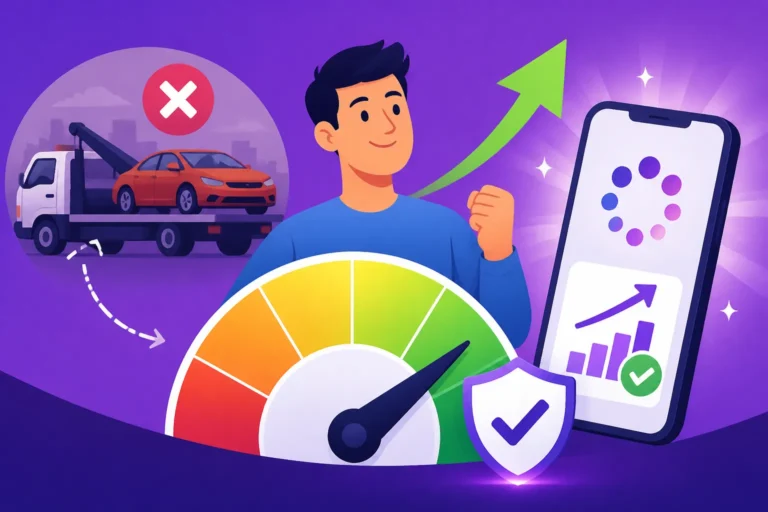
When a lender repossesses your vehicle, that negative information is promptly reported to the three major credit bureaus: Equifax, Experian, and TransUnion. It will typically appear on your credit report for seven years from the original date of the default, not the date of the repossession itself. This isn't just a minor blip; it's a glaring negative item that can cause your credit score to plummet by hundreds of points almost instantly. Imagine going from a respectable 680 to suddenly seeing your score in the low 500s or even worse – it's a stark reality many face.
The ripple effects are far-reaching. You'll find it much harder to qualify for new loans or credit cards, and if you do, the interest rates offered will likely be much higher, costing you more in the long run. Even things you might not immediately associate with credit, like auto insurance premiums, can be affected as some insurers use credit-based scores to determine rates. Landlords might view you as a higher risk, and in some job sectors, employers may even check your credit report as part of their background checks, making it harder to secure employment. It's a frustrating cycle, and it can feel like you're constantly fighting an uphill battle.
Why Rebuilding is Crucial
Despite the severity of a repossession, it's absolutely vital to remember that it's not a permanent roadblock. Your credit report and score are dynamic, always changing based on your most recent financial activities. Lenders, while noting past negative events, are also very interested in seeing consistent, positive behavior after those events. This is why rebuilding isn't just an option; it's a necessity for reclaiming your financial freedom.
Actively working to rebuild your credit demonstrates responsibility and reliability. As you establish new accounts and make on-time payments, these positive actions begin to outweigh the older negative marks. Over time, a strong pattern of good financial habits will start to mitigate the impact of the repossession. The benefits of rebuilding are tangible and life-changing: access to better interest rates on mortgages and car loans, easier approval for credit cards with rewards, lower insurance premiums, and a smoother path to renting an apartment or even securing certain jobs. It’s about regaining control and opening doors that once felt slammed shut.
Essential First Steps to Rebuilding Your Credit Post-Repossession
Before you jump into specific credit-building tools, there are some foundational steps you absolutely need to take. These actions lay the groundwork for a successful credit repair journey and ensure you're starting from an informed position.
Get Your Credit Reports in Order
The very first thing you should do is pull your credit reports from all three major bureaus: Equifax, Experian, and TransUnion. The only official, truly free source for this is AnnualCreditReport.com. You are entitled to a free report from each bureau once every 12 months. It's crucial to check all three because information can sometimes vary between them. What's on Your Credit Report? Explained will give you a good overview of what you'll find.
Once you have them, scrutinize every single detail, especially concerning the repossession. Look for inaccuracies:
- Incorrect dates: Is the date of the repossession or the date of last activity correct? Even a slight error could impact how long it stays on your report.
- Wrong amounts: Does the deficiency balance (if any) match what you were told?
- Duplicate entries: Is the repossession listed more than once, perhaps by different creditors or collection agencies?
- Incorrect status: Does it still show as "open" when it should be "closed" or "charged off"?
If you find any errors, you need to dispute them. The Fair Credit Reporting Act (FCRA) gives you the right to dispute inaccurate information. You can do this directly with the credit bureaus, providing any documentation you have to support your claim. Check out our guide on How to Dispute Credit Report Errors Step-by-Step for a detailed walkthrough. Even seemingly small errors can sometimes make a difference in how a negative item impacts your score.
Address Any Remaining Balances
A common misconception after a repossession is that losing the vehicle absolves you of all debt. Unfortunately, this isn't always the case. Most lenders will sell the repossessed vehicle at auction. If the sale price is less than what you owed on the loan, the difference – plus any fees for towing, storage, and auction costs – is called a "deficiency balance." You are typically still legally responsible for this balance.
Ignoring this deficiency balance can lead to further negative impacts on your credit. The original lender might turn the debt over to a collection agency, which will then report its own collection account on your credit report, piling on more negative marks. You have a few options for addressing a deficiency balance:
- Pay it off in full: If possible, this is the quickest way to resolve the debt and stop further interest or fees from accruing.
- Negotiate a settlement: Often, collection agencies or even the original lender are willing to settle for less than the full amount, especially if they believe it's unlikely they'll get the full payment. Be prepared to offer a lump sum if you go this route. Always get any agreement in writing before making a payment. Our article on How to Negotiate With Debt Collectors can give you some valuable strategies.
- Debt validation: If a collection agency contacts you, you have the right to request debt validation within 30 days. This forces them to prove the debt is yours and that they have the legal right to collect it. This can sometimes expose errors or debts that are past the statute of limitations.
By proactively addressing any outstanding balances, you prevent further damage and start to show a commitment to resolving your financial obligations, which is a crucial part of rebuilding trust with lenders.
How a Kikoff Account Can Help Rebuild Credit After Repossession
After a repossession, establishing new, positive payment history is paramount. Many traditional lenders are hesitant to extend credit to individuals with a recent repossession. This is where alternative tools designed specifically for credit building, like a Kikoff account, can become incredibly valuable. They offer a lower barrier to entry and a structured way to start proving your reliability.
What is Kikoff and How It Works
Kikoff is a financial technology company that offers products specifically designed to help individuals build credit, even if they have a limited credit history or, in your case, are recovering from a significant negative event like a repossession. It's not a traditional loan or a standard credit card; instead, it focuses on building a positive payment history through micro-loans or small lines of credit for its own ecosystem.
Kikoff primarily offers two main products:
- Kikoff Credit Account (Credit Builder Loan Alternative): This is often where people start. With the Kikoff Credit Account, you get approved for a small line of credit, typically $750 or $500, to use exclusively in the Kikoff online store. You don't actually get cash; instead, you purchase digital products like budgeting guides or online courses for a small monthly fee, often around $5-$10. These small, recurring payments are reported to the credit bureaus. Since it's a closed-loop system, you're not tempted to overspend, and the payments are very manageable.
- Kikoff Secured Credit Card: This is a more recent offering. It functions like a secured credit card, where you make a refundable security deposit to establish your credit limit (e.g., $100 deposit for a $100 credit limit). This card can be used anywhere Visa is accepted. Like other secured cards, your on-time payments and low utilization are reported to the credit bureaus.
The beauty of Kikoff, especially the Credit Account, is its accessibility. They typically don't perform a hard credit inquiry when you apply, which is a huge relief when your credit is fragile after a repossession. This means you can get approved without further damaging your score. The goal is simple: make small, on-time payments month after month.
Leveraging Kikoff's Benefits for Recovery
For someone recovering from a repossession, a Kikoff account offers several distinct advantages that can significantly accelerate your credit rebuilding efforts.
First and foremost, Kikoff reports your payment activity to major credit bureaus. For the Credit Account, they report to Experian and Equifax. If you opt for the Kikoff Secured Credit Card, they report to all three: Experian, Equifax, and TransUnion. This reporting is absolutely critical. A repossession creates a void of trust on your credit report; lenders see that you defaulted on a loan. Kikoff allows you to immediately start filling that void with consistent, positive payment history. Each on-time payment you make acts as a small, positive counter-argument to the repossession, showing that you can manage credit responsibly now.
Secondly, the low barrier to entry is a game-changer. After a repossession, getting approved for a traditional unsecured credit card or loan is often nearly impossible. Kikoff understands this challenge. They don't typically require a minimum credit score for their Credit Account, and they don't do a hard inquiry that further dings your score. This means you can start building credit right away without facing repeated rejections, which can be demoralizing.
Finally, the structure of Kikoff's products naturally encourages good habits. With the Credit Account, the small monthly payments (often under $10) are easy to manage and budget for. This helps you get into the rhythm of making on-time payments without the stress of a large bill. For the Secured Credit Card, your credit limit is tied to your deposit, preventing overspending and helping you maintain low credit utilization, which is another crucial factor in your credit score. By consistently managing a Kikoff account responsibly, you're creating a new foundation of positive financial behavior that will, over time, help overshadow the repossession.
Integrating Kikoff with Broader Credit Building Strategies
While a Kikoff account is an excellent tool for jump-starting your credit rebuilding process after a repossession, it's most effective when integrated into a broader, holistic strategy. Think of it as a vital piece of the puzzle, but not the entire picture. To truly recover and thrive financially, you'll need to diversify your credit-building efforts and maintain consistent positive habits.
Diversifying Your Credit-Building Efforts
Reliance on a single credit-building tool, even an effective one like Kikoff, might not be enough to reach your full credit potential. As your credit score slowly begins to improve with Kikoff, you should start exploring other avenues to build a robust credit profile.
- Secured Credit Cards: These are often the next logical step. A secured credit card requires a cash deposit, which typically acts as your credit limit. Because there's less risk for the lender, they are much easier to get approved for, even with a repossession on your record. Cards like the Capital One Platinum Secured Credit Card or the Discover it® Secured Card are popular options. Using a secured card responsibly, by keeping your utilization low (ideally under 30%) and paying on time every month, will report positive activity to all three credit bureaus. Eventually, with good behavior, many secured cards can "graduate" to unsecured cards, and you'll get your deposit back. Learn more about Secured Credit Cards: How They Build Credit.
- Credit Builder Loans: These are another fantastic option to diversify your credit mix. Unlike traditional loans where you receive funds upfront, with a credit builder loan, you make payments into an account, and once the loan is fully paid off, you receive the money. This is a clever way to build savings while simultaneously building credit. Companies like Credit Strong and Self offer these types of loans. They report your regular, on-time payments to the credit bureaus, adding another positive tradeline to your report. For a deeper dive, check out our guide on Credit Builder Loans Explained Self, Kikoff & More.
- Become an Authorized User: If you have a trusted family member or friend with excellent credit and a long-standing account, they might be willing to add you as an authorized user to one of their credit cards. This can allow you to benefit from their positive payment history and credit age. However, this strategy comes with risks, as their spending habits could also impact your credit negatively if they mismanage the account.
- Rent Reporting Services: Services like Experian Boost or similar offerings can sometimes allow you to include utility and rent payments in your credit report calculations. While not all scoring models factor these in, it can provide an additional layer of positive payment history.
Sustaining Positive Credit Habits
The journey to an excellent credit score after a repossession isn't a sprint; it's a marathon that requires consistent effort and discipline. Sustaining positive credit habits is even more critical now that you're actively rebuilding.
- Always Pay On Time: This is the single most important factor in your credit score. A single late payment can set your progress back significantly. Set up automatic payments for all your accounts, including your Kikoff account, secured credit card, and any credit builder loans, to ensure you never miss a due date.
- Keep Credit Utilization Low: Aim to keep the amount of credit you use relative to your total available credit below 30%, but ideally even lower, around 10%. If you have a secured card with a $200 limit, try to keep your balance under $20-$60. This shows lenders you're not reliant on credit and can manage your finances effectively.
- Keep Old Accounts Open: Even if you've paid off a secured card and it's graduated to an unsecured one, resist the urge to close older accounts, especially those with positive history. The length of your credit history is another important factor in your score. Closing accounts can shorten your average account age and reduce your overall available credit, which could negatively impact your utilization.
- Monitor Your Credit Regularly: Regularly check your credit reports and scores. Services like Credit Karma, Credit Sesame, or even your bank often provide free credit scores. While these might use VantageScore models rather than FICO, they give you a good indication of your progress and help you spot any new errors or potential identity theft quickly. Our guide on How to Check Your Credit Score for Free can help you find reliable sources. Watching your score gradually rise can also be a powerful motivator.
By combining the focused approach of a Kikoff account with these broader strategies and a commitment to consistent financial discipline, you'll be well on your way to not just recovering from a repossession, but building a stronger, healthier credit profile for your future.
Kikoff Account for Credit Rebuilding After Repossession: At a Glance
Here's a quick comparison of key aspects of using a Kikoff account specifically when you're working to rebuild credit after a repossession.
| Feature | Kikoff Credit Account (Credit Builder) | Kikoff Secured Credit Card (Optional Add-on) | Relevance After Repossession |
|---|---|---|---|
| Credit Check | No traditional hard credit check for approval | Soft credit check (no impact on score) for approval | Essential for avoiding further score damage; high approval odds. |
| Initial Barrier | Low/No minimum credit score required | Requires a refundable security deposit | Accessible when other lenders are rejecting applications. |
| Type of Credit | Installment-style account (reports like a loan) | Revolving credit account | Helps diversify credit mix; establishes positive payment history. |
| Credit Bureaus | Reports to Experian and Equifax | Reports to Experian, Equifax, and TransUnion | Builds history with major bureaus, gradually offsetting repossession. |
| Payment Structure | Small, fixed monthly payments (e.g., $5-$10) | Minimum payment due monthly, based on spending | Easy to manage, promotes consistent on-time payments. |
| Credit Limit | Virtual credit line for Kikoff store (e.g., $750, $500) | Based on your security deposit (e.g., $100 deposit = $100 limit) | Encourages low utilization; low risk of overspending. |
| Cost | Small monthly fee (e.g., $5-$10) | No annual fee, interest if balance carried (but ideally pay in full) | Affordable way to begin credit building. |
| Direct Cash Access | No | Yes, can be used like a regular Visa card | Focuses on responsible credit use, not cash access. |
| Long-Term Impact | Establishes positive payment history, improves payment history factor (35%) | Establishes positive payment history, helps utilization & credit mix factors | Crucial for gradually raising score and demonstrating reliability. |
Disclaimer
This article is for general informational purposes only and does not constitute professional advice. Laws, prices and regulations vary by location and change over time. Consult a qualified professional for guidance on your specific situation.