What Is a Credit Lock and How Does It Work?
It's an unsettling feeling, isn't it? That nagging worry that someone, somewhere, might be trying to open credit in your name. We live in an age where data breaches are unfortunately common, and the thought of having your identity compromised can keep you up at night. This guide is here to walk you through one powerful tool in your defense arsenal: the credit lock. We'll explore exactly what a credit lock is, how it functions, and why it might be the perfect solution for protecting your financial future.
Understanding the Basics of a Credit Lock
When you hear about credit protection, terms like "credit freeze" and "fraud alert" often come up. But a credit lock is another vital player in the game, offering a unique blend of security and convenience. It's not just a fancy name; it’s a proactive step you can take to safeguard your personal information against unauthorized access.
What Exactly Is a Credit Lock?
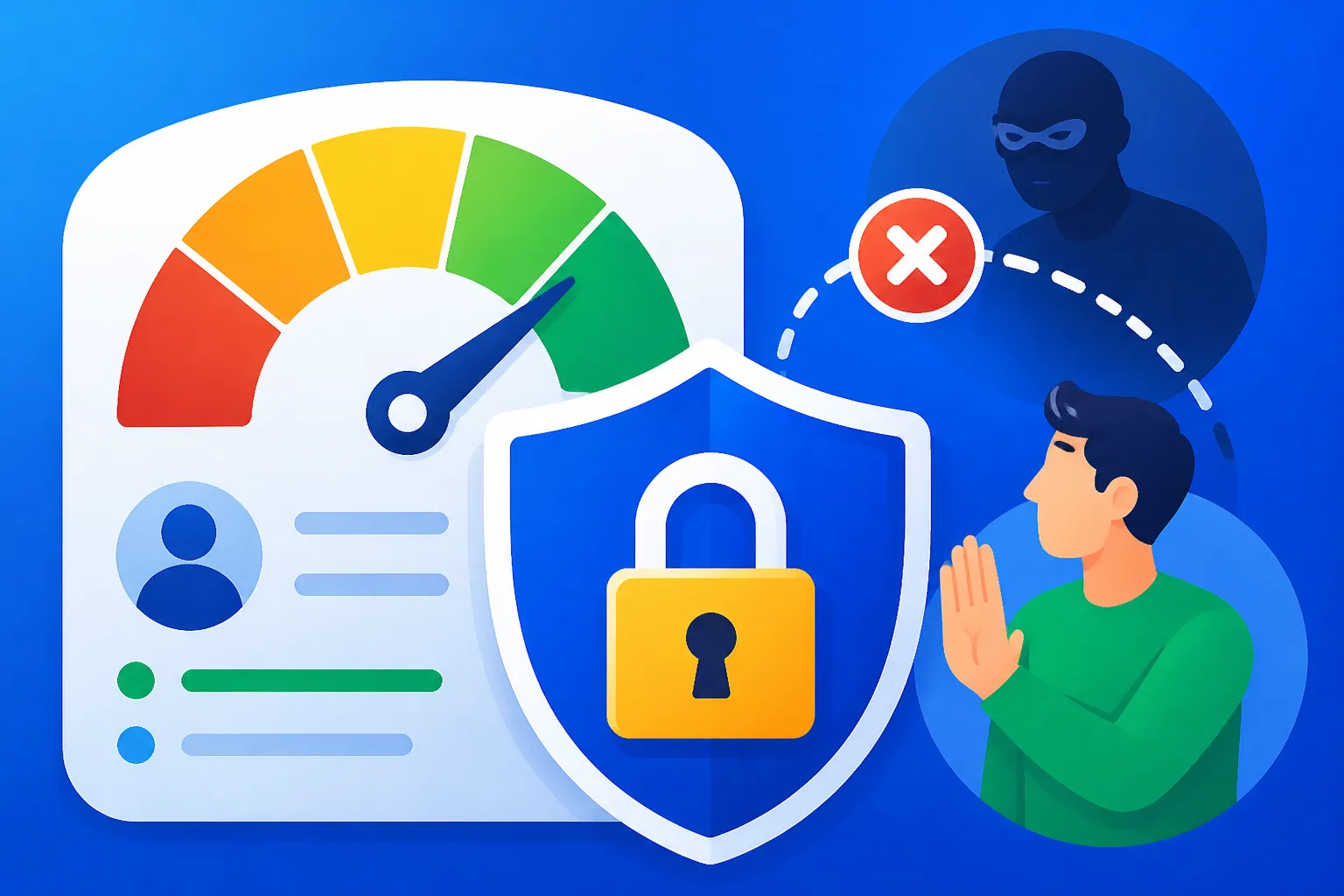
At its core, a credit lock is a service offered by each of the three major credit bureaus – Experian, TransUnion, and Equifax – that allows you to instantly restrict access to your credit reports. Think of it like putting a digital padlock on your financial file. When your credit report is locked, most lenders and creditors won't be able to view it. This means that if an identity thief tries to open a new credit card, take out a loan, or secure other lines of credit in your name, their application will likely be denied because the lender can't access the necessary information to approve it. It's a powerful way to stop fraudulent activity before it even starts.
Unlike a credit freeze, which is mandated by federal law to be free, credit locks are typically a paid service. They often come bundled with a broader credit monitoring subscription. The key advantage here is the sheer speed and control. You can usually toggle a credit lock on and off in real-time using a mobile app or an online portal provided by the credit bureau. This on-demand functionality is what truly sets it apart, offering immediate protection when you need it and quick access when you want to apply for legitimate credit.
How a Credit Lock Differs from a Credit Freeze
While credit locks and credit freezes both aim to prevent unauthorized access to your credit report, they operate under different frameworks and offer distinct experiences. Understanding these differences is crucial for deciding which protective measure is right for you. A credit freeze, often referred to as a security freeze, is a more formal and legally mandated protection. It allows you to restrict access to your credit report, meaning lenders cannot pull your credit file without your explicit permission. By federal law, placing and lifting a credit freeze is entirely free with all three major bureaus. You initiate it by contacting each bureau directly, and it remains in place until you manually lift it. The process to lift a freeze might take a little longer than unlocking a credit report, sometimes up to an hour or more, though often it's quicker online.
A credit lock, on the other hand, is a contractual service offered by the credit bureaus, usually as part of a paid subscription. While it achieves a similar outcome – preventing access to your credit report – the method of control is vastly different. With a credit lock, you gain instant, on-demand control, often through a dedicated app. You can tap a button to lock your credit, and tap another to unlock it, making it incredibly convenient for those who might need to grant temporary access to their credit file frequently. For a deeper dive into the nuances of these options, you might find our guide on Credit Freeze vs Credit Lock vs Fraud Alert particularly enlightening.
The Mechanics Behind a Credit Lock
Knowing what a credit lock is conceptually is one thing, but understanding the practical mechanics of how it functions can give you a clearer picture of its effectiveness. It's all about controlling who gets to see your credit report and when. This control is facilitated by the credit bureaus themselves, who act as gatekeepers to your financial data.
How a Credit Lock Prevents New Credit Applications
Imagine your credit report as a physical file cabinet. When you place a credit lock, it's like putting a "Do Not Disturb" sign on that cabinet. When a potential creditor, like a bank or a car dealership, attempts to run a credit check on you, their request goes through the credit bureau. If your report is locked, the bureau simply won't release the information. The application will either be flagged as unprocessable or rejected because the necessary data for a hard inquiry isn't available. This effectively halts any new credit accounts from being opened in your name, whether by you or by an identity thief. This is especially vital when you consider how many points a hard inquiry is worth on your score if too many are made in a short period.
It’s important to clarify that this mostly applies to new credit applications that require a hard pull. Existing creditors, those you already have accounts with, may still be able to access your report for account maintenance or offers, as these often involve soft inquiries. Similarly, government agencies in certain situations might still have access. The primary benefit of the lock is stopping unauthorized new accounts. By preventing a lender from viewing your credit history, it creates an insurmountable hurdle for anyone trying to impersonate you to gain financial access.
The Instant On-and-Off Control
One of the most appealing features of a credit lock is the unparalleled control it offers. Traditional credit freezes, while robust, often require you to remember a PIN and go through a slightly more involved process to temporarily lift or permanently remove them. With a credit lock, this entire experience is streamlined. Most credit bureaus provide a dedicated mobile application or an intuitive online portal where you can manage your lock status with just a few clicks or taps.
Consider a scenario: you're planning to apply for a mortgage next week, but you want your credit protected until the exact moment you submit your application. With a credit lock, you can keep it engaged and then, right before hitting 'submit,' use your phone to quickly unlock your credit report. Once the application is processed, you can just as easily re-lock it. This level of immediate control is particularly beneficial for individuals who are actively managing their credit, perhaps through efforts to build credit or applying for various loans and cards. It provides peace of mind, knowing that your credit is secure right up until you personally authorize its accessibility, without significant delays or complex steps.
Why You Might Consider a Credit Lock
Deciding whether a credit lock is right for you involves weighing its benefits against your personal financial habits and security concerns. It's a powerful tool, but like any tool, it shines brightest in specific situations. For some, the enhanced security and convenience it offers are well worth the cost.
Enhanced Protection Against Identity Theft
The primary motivation for anyone considering a credit lock is, of course, protection against identity theft. In an era where data breaches at large corporations are regular occurrences—think of the Equifax breach back in 2017, which exposed sensitive personal information for millions—it's not a question of if your data will be exposed, but when. A credit lock provides an immediate, proactive defense. If your Social Security number or other identifying information falls into the wrong hands, a locked credit report means those criminals won't be able to use that information to open new lines of credit in your name. They might have your data, but they can't weaponize it to incur debt that would later show up on your credit report.
This enhanced protection extends beyond major data breaches. It safeguards against other forms of identity fraud, such as someone stealing your mail, rummaging through your trash for discarded documents, or even sophisticated phishing scams. The moment you perceive any risk, or simply desire constant vigilance, a credit lock offers that immediate barrier. It gives you incredible peace of mind, knowing that even if a fraudster has your details, the critical step of accessing your credit report to open new accounts is blocked. For those who want to know what steps to take if they're a victim, our guide on What to Do If You're a Victim of Identity Theft offers comprehensive advice.
Convenience and Control for Active Credit Management
Beyond just pure protection, a credit lock is a fantastic tool for individuals who are actively engaged in managing their credit. Maybe you're in the process of buying a new car, applying for a new credit card, or seeking a personal loan. Each of these actions typically requires a lender to perform a hard inquiry on your credit report. If you have a traditional credit freeze in place, you'd need to go through the process of temporarily lifting the freeze with each bureau that the lender uses, which can sometimes introduce delays.
With a credit lock, this process becomes significantly more fluid. You can keep your credit locked 99% of the time, providing robust protection. Then, when you're ready to apply for a specific product, you can use the associated mobile app to instantly unlock your credit for a brief window, allowing the legitimate hard inquiry to go through. Once your application is submitted, you can instantly re-lock it. This convenience means you don't have to sacrifice protection for practicality, allowing you to quickly secure and unsecure your financial data as your needs dictate. Companies that help build credit, like Credit Strong, often highlight the importance of active credit management, and a credit lock can complement such strategies by providing security while you're working to improve your score.
The Process of Setting Up and Managing a Credit Lock
Getting a credit lock isn't as complicated as it might sound, but it does involve understanding that each of the three major credit bureaus operates independently. This means you'll need to engage with each one separately if you want comprehensive protection across the board. The good news is that they've made the process quite user-friendly.
How to Initiate a Credit Lock with Each Bureau
To initiate a credit lock, you'll typically need to subscribe to a credit monitoring service offered by each of the major credit bureaus: Experian, TransUnion, and Equifax. These services bundle the credit lock feature with other benefits like credit alerts, dark web monitoring, and access to your credit scores. For instance, Experian offers Experian IdentityWorks, TransUnion has TransUnion Credit Monitoring, and Equifax provides Equifax Complete Premier. You'll sign up for their respective services, which usually involve creating an online account and providing personal identification details to verify your identity.
Once enrolled in a service that includes a credit lock, you'll typically find an option within your online dashboard or their dedicated mobile app to "lock" your credit report. It's often a simple toggle switch or a clearly labeled button. Remember, a lock with Experian only locks your Experian report, a lock with TransUnion only locks your TransUnion report, and so on. For complete protection against new account fraud, you'll want to subscribe to and activate a credit lock with all three bureaus. This ensures that no matter which credit bureau a potential lender queries, they won't be able to access your file without your explicit action to unlock it. It’s a bit more involved than simply checking How to Get Your Free Credit Report, but the added security is often worth the extra steps.
Costs Associated with Credit Locking Services
Unlike credit freezes, which are free by federal law, credit locks are proprietary services offered by each credit bureau and come with a fee. These fees vary between the bureaus and depending on the level of monitoring service you choose. Typically, you can expect to pay a monthly subscription fee for these services. For example, some Experian IdentityWorks plans or TransUnion Credit Monitoring packages might range from around $19.99 to $29.99 per month for a single bureau's comprehensive package that includes the lock feature. If you want to lock your credit reports with all three bureaus, you're looking at potentially paying a subscription for each one, which can add up.
Some companies or financial institutions might offer access to credit locks as part of their broader security packages, sometimes at a reduced rate or even included with premium accounts. However, generally speaking, if you want direct control over your credit reports through a lock, you'll be paying the bureaus directly. It's important to weigh this recurring cost against the peace of mind and convenience it provides. While it's a paid service, many find the instant control and comprehensive monitoring worth the investment, especially if they are concerned about identity theft or are frequently applying for credit. Before signing up, always check the exact pricing and features to ensure you're getting the best value for your specific needs.
Credit Lock vs. Credit Freeze: Making the Right Choice
When it comes to protecting your credit, the choice between a credit lock and a credit freeze isn't always straightforward. Both are powerful tools, but they cater to slightly different needs and preferences. Understanding their respective strengths can help you make an informed decision that aligns with your financial lifestyle and security concerns.
Situations Where a Credit Lock Shines
A credit lock truly shines when you prioritize flexibility and immediate control. If you're someone who might apply for new credit, refinance a loan, or open a new account periodically, the instant on-and-off capability of a credit lock is a game-changer. Imagine you're house hunting and know you'll be applying for multiple mortgages over a few weeks. Instead of dealing with the potentially slower process of thawing and refreezing your reports with a credit freeze each time, a credit lock allows you to toggle access with a few taps on your phone. This makes the process much smoother and reduces potential delays in your application process.
Furthermore, credit locks often come bundled with additional features as part of a credit monitoring service. These typically include alerts for suspicious activity, dark web monitoring, and access to your credit scores and reports. This comprehensive package means you're not just locking your credit; you're also staying informed about changes and potential threats. For those who want constant vigilance and the ability to react instantly to credit-related events, the convenience and added benefits of a credit lock make it an exceptionally appealing choice. It's ideal for the proactive individual who wants both robust protection and nimble management of their credit profile.
When a Credit Freeze Is the Better Option
While credit locks offer impressive convenience, there are definite situations where a traditional credit freeze emerges as the superior option. The most significant advantage of a credit freeze is its cost: it is absolutely free to place and lift with all three major credit bureaus. This makes it an incredibly accessible and budget-friendly option for maximum security, particularly for those who aren't planning to apply for new credit in the foreseeable future. If you're not actively seeking new loans or credit cards, a freeze provides robust protection against identity theft without any recurring monthly fees. You can find detailed instructions on How to Freeze Your Credit (All 3 Bureaus) right here on our blog.
Moreover, a credit freeze is backed by federal law, specifically the Economic Growth, Regulatory Relief, and Consumer Protection Act of 2018. This legal mandate ensures that bureaus must process your freeze and thaw requests, providing a strong layer of consumer protection. The legal framework also dictates response times and protocols, adding a layer of reliability that contractual credit locks might not always have. For individuals seeking long-term, set-it-and-forget-it protection, or those on a tight budget who cannot justify the monthly fees of a credit lock service, a credit freeze is often the more practical and equally effective choice. It offers durable security without any ongoing financial commitment, which is hard to beat.
| Feature | Credit Lock | Credit Freeze |
|---|---|---|
| Cost | Typically a paid monthly subscription | Free to place and lift |
| Control | Instant on/off via app/online portal | May take minutes to hours to lift |
| Legal Basis | Bureau-specific contractual service | Federal law (FACTA, Economic Growth Act) |
| Protection Scope | Prevents most new credit access | Prevents most new credit access |
| Bundled Services | Often comes with monitoring, alerts, scores | Usually standalone, no extra features |
| Convenience | High, for frequent credit seekers | Lower, for infrequent credit seekers |
| Ideal For | Active credit managers, high vigilance | Long-term security, budget-conscious individuals |
Important Considerations and Limitations
While credit locks are a fantastic tool for identity protection, it's crucial to understand that no single solution is a silver bullet. Credit locks have their specific capabilities, but also limitations. Being aware of these can help you manage your expectations and ensure you have a truly comprehensive strategy for safeguarding your financial well-being.
What a Credit Lock Doesn't Prevent
It's vital to clarify that a credit lock, despite its robust protection, doesn't guard against every single type of fraudulent activity. For starters, it won't prevent unauthorized transactions on existing accounts. If an identity thief gains access to your current credit card number, for instance, they can still use that card for purchases. The lock specifically targets the opening of new lines of credit. You'll still need to monitor your bank and credit card statements diligently for any suspicious activity. Our guide on What's on Your Credit Report? Explained can help you understand what to look for.
Furthermore, a credit lock typically doesn't prevent access to your credit report for purposes that don't involve new credit approval. This includes what are known as "soft inquiries," which are often made by insurance companies, potential employers (with your permission), or pre-approved credit offers. These inquiries don't affect your credit score, and a lock usually won't block them. Also, a lock won't stop government agencies from accessing your report under certain circumstances, nor will it necessarily prevent collection agencies from reporting existing, legitimate debts to the bureaus. It also won't protect you from non-credit identity theft, such as someone using your identity for medical services, government benefits, or tax fraud. These are significant limitations that highlight the need for a multi-faceted approach to security.
The Importance of Comprehensive Credit Monitoring
Given the limitations of a credit lock, it becomes abundantly clear that it's just one piece of a larger puzzle when it comes to financial security. True protection requires a comprehensive approach, and credit monitoring plays a crucial role in that. Even with a credit lock in place, you still need to be vigilant. Credit monitoring services, often bundled with credit locks, provide alerts about critical changes to your credit file, such as new accounts being opened (which a lock should prevent), changes in your personal information, or significant shifts in your credit score.
Beyond paid services, you should be regularly checking your credit reports from all three major bureaus. You're entitled to a free copy of your credit report from each bureau annually via AnnualCreditReport.com. Reviewing these reports lets you spot discrepancies, unfamiliar accounts, or errors that a credit lock might not address. For example, if an old address appears incorrectly, or if you see a collection account that isn't yours, you'll need to dispute it directly, regardless of whether your credit is locked. Keeping an eye on your credit reports and scores is paramount, providing an essential layer of defense that complements the proactive barrier of a credit lock. For more information on this, consider reading Credit Monitoring: Is It Worth It?.
Disclaimer
This article is for general informational purposes only and does not constitute professional advice. Laws, prices and regulations vary by location and change over time. Consult a qualified professional for guidance on your specific situation.