How to Freeze Your Credit After Identity Theft
Experiencing identity theft feels like a punch to the gut. It's a terrifying violation that leaves you feeling exposed and overwhelmed, wondering who's out there using your good name to wreak financial havoc. But here's the good news: you're not powerless. This comprehensive guide will walk you through the essential steps to freeze your credit after identity theft, protecting yourself from further damage and giving you a vital sense of control back.
The Gut Punch of Identity Theft and Why a Credit Freeze is Your Shield
That moment you realize your identity has been stolen is incredibly unsettling. It's not just about a lost wallet; it's about the unsettling thought of strangers accessing your most personal financial information. The immediate fallout can be devastating: new credit cards opened in your name, loans taken out you know nothing about, even utility accounts showing up on your report that you never authorized. These fraudulent activities can quickly tank your credit score, making it impossible to get approved for things you do need, like a car loan or a new apartment, and leaving a trail of debt you didn't create.
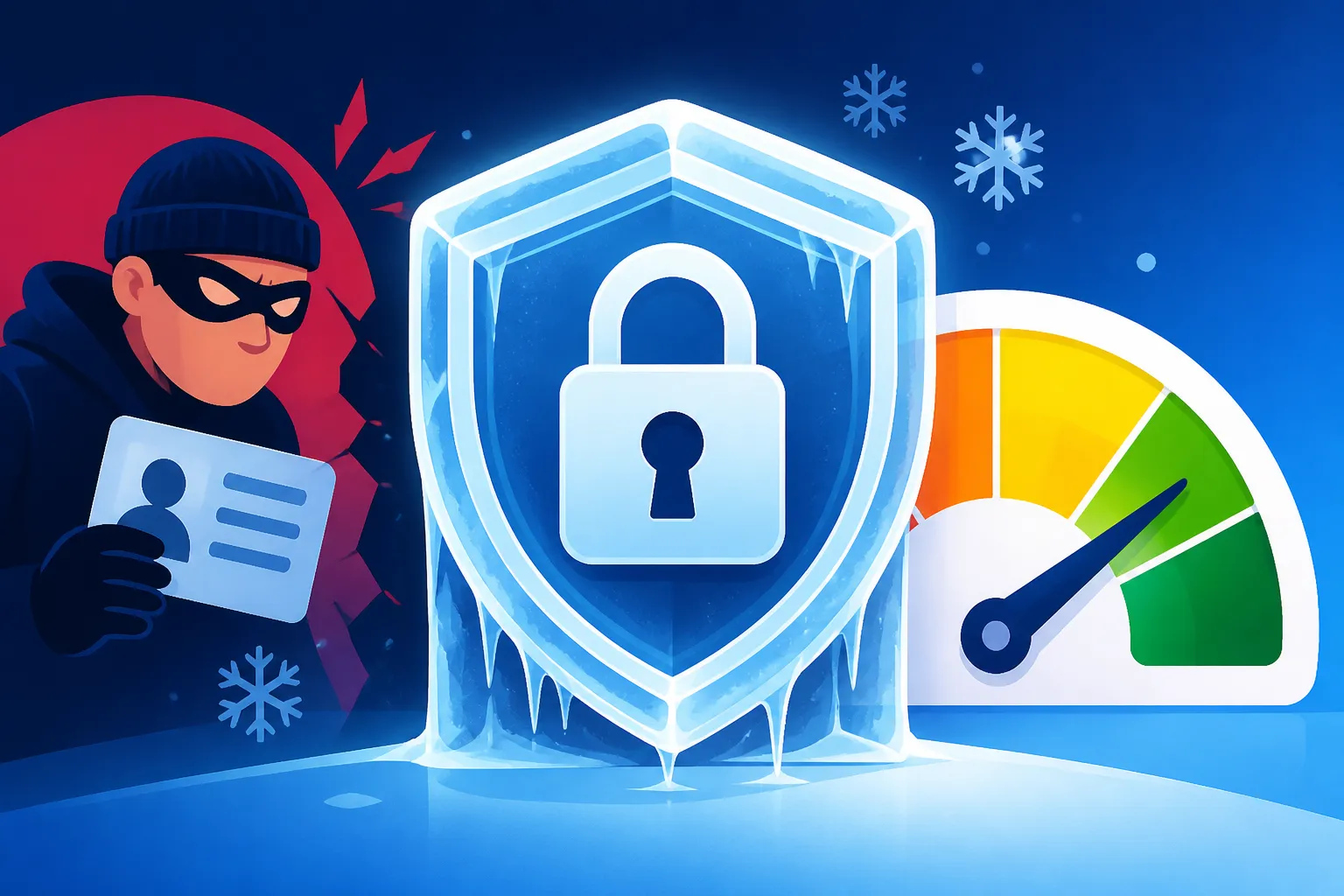
Identity thieves move with astonishing speed once they have your data. They know that the longer you take to react, the more damage they can inflict. Every minute counts. While there are many steps to take after identity theft, like filing reports and disputing fraudulent charges, the absolute first line of defense to stop the bleeding is a credit freeze. It's like putting up a massive, impenetrable wall around your credit file, preventing anyone – including the thieves – from opening new lines of credit in your name. This proactive measure immediately limits the financial damage and buys you crucial time to address the existing issues. Without it, you're essentially leaving the door open for continued abuse.
A credit freeze is not just a suggestion; it's a critical emergency measure. Think of it as hitting the pause button on your financial life, but only in the best possible way. It doesn't affect your existing accounts or your ability to use the credit cards you already have. What it does do is prevent new creditors from accessing your credit report, which is a necessary step for opening any new account. If a lender can't pull your report, they can't approve new credit. It's a simple, yet incredibly effective, safeguard against future fraudulent accounts that could further erode your credit and peace of mind.
Your Three-Pronged Defense: Freezing with Equifax, Experian, and TransUnion
Here's the crucial thing about freezing your credit: you can't just do it with one bureau and call it a day. Identity thieves don't discriminate, and neither should your protection strategy. You absolutely must freeze your credit with all three major credit reporting agencies: Equifax, Experian, and TransUnion. Each bureau maintains its own separate credit file for you, and a freeze with one doesn't automatically extend to the others. Failing to freeze with even one bureau leaves a gaping hole in your defense that a thief can exploit. It might seem like a hassle, but taking the time to secure all three is non-negotiable for true peace of mind. This entire process is covered in more detail in our guide on How to Freeze Your Credit (All 3 Bureaus).
Freezing with Equifax
Equifax makes it fairly straightforward to place a security freeze, but you'll still need to be diligent. The quickest way is usually online through their dedicated security freeze page. You'll need to provide some personal identifying information, like your Social Security number, date of birth, and addresses where you've lived. Sometimes, they'll ask a series of knowledge-based authentication questions – things only you should know, like previous addresses or loans you've held. Once you've successfully placed the freeze, Equifax will provide you with a unique Personal Identification Number (PIN). Keep this PIN in a safe, memorable place, because you'll need it every time you want to temporarily lift or remove the freeze in the future. Without that PIN, thawing your credit can become a much more cumbersome process involving proving your identity through other means.
If you prefer to speak to someone or don't have easy internet access, you can also initiate a freeze by phone. Their automated system or a representative will guide you through the same identity verification steps. Sending a request by mail is another option, though it's the slowest. If you choose mail, you'll need to send a letter with your full name, current and previous addresses for the last two years, date of birth, Social Security number, and a copy of a government-issued identification card (like a driver's license or state ID) and a copy of a utility bill or bank statement showing your current address. Equifax will then mail you confirmation of the freeze and your PIN.
Freezing with Experian
Experian also offers multiple ways to place a credit freeze. Their online portal is often the fastest and most convenient method, designed to walk you through the necessary steps. Similar to Equifax, you'll enter your personal details and answer security questions to verify your identity. Once the freeze is successfully placed, Experian will give you a unique PIN or a security phrase. Again, this is paramount for future access, so store it securely. Don't just save it in an easily accessible document on your computer or phone; consider writing it down and keeping it in a secure physical location like a fireproof safe or a locked drawer.
You can also call Experian directly to place a freeze. Their customer service lines are equipped to handle these requests and will go through the same verification process. For those who prefer snail mail, Experian also accepts written requests. The mail option requires the same identifying documents as Equifax: your personal information, proof of identity, and proof of address. Be prepared for a delay of several business days or even weeks for mailed requests to be processed and for you to receive your confirmation and PIN in return. Our guide on How to Dispute With Equifax, Experian, and TransUnion provides more details on contacting each bureau.
Freezing with TransUnion
TransUnion is the third pillar of your credit defense. You can initiate a freeze through their website, which is usually the quickest way. Be prepared to provide your personal information and answer security questions to confirm your identity. Once the freeze is placed, TransUnion will issue you a unique PIN. Like the other bureaus, this PIN is essential for managing your freeze in the future, so treat it with the utmost care. Losing it can create significant headaches when you need to temporarily unfreeze your credit.
TransUnion also provides a phone option for placing a freeze, which can be useful if you're having trouble with the online system or prefer verbal guidance. As with the others, be ready to confirm your identity thoroughly. Mail requests are also accepted, and they require the same documentation: a letter stating your request, your full name, current and previous addresses, date of birth, Social Security number, and copies of supporting identity and address verification documents. It’s worth noting that sometimes TransUnion might offer a “Credit Lock” service, which is a bit different from a freeze. While a lock can be convenient for quick on/off access, a traditional security freeze generally offers stronger legal protections under federal law. Understand the distinction, which you can learn more about in our article Credit Freeze vs Credit Lock vs Fraud Alert, and ensure you're placing a full security freeze.
Here's a quick reference table for placing a credit freeze with the three major bureaus:
| Credit Bureau | Online Portal | Phone Number | Mail-In Address (General) | Key Information Needed | What You Get |
|---|---|---|---|---|---|
| Equifax | Equifax.com/personal/credit-report-services/credit-freeze/ | 1-888-298-0045 | Equifax Security Freeze, P.O. Box 105788, Atlanta, GA 30348-5788 | SSN, DOB, Address History, Security Q&A | Unique PIN |
| Experian | Experian.com/freeze/center.html | 1-888-EXPERIAN (1-888-397-3742) | Experian Security Freeze, P.O. Box 9554, Allen, TX 75013 | SSN, DOB, Address History, Security Q&A | Unique PIN/Security Phrase |
| TransUnion | TransUnion.com/credit-freeze | 1-888-909-8872 | TransUnion (Fraud Victim Assistance Department), P.O. Box 2000, Chester, PA 19016 | SSN, DOB, Address History, Security Q&A | Unique PIN |
Note: Always double-check the latest contact information on each bureau's official website, as it can sometimes change.
Living with a Credit Freeze: What Changes and What Doesn't
Once you've successfully placed a security freeze with all three credit bureaus, you've taken a massive step toward protecting your financial future from identity thieves. It's a huge relief, but it's important to understand what a credit freeze actually does and doesn't do. The primary function of the freeze is to prevent new credit accounts from being opened in your name. This means that if an identity thief tries to apply for a new credit card, a personal loan, or even a mortgage, the lender won't be able to access your credit report, and the application will be denied. This is exactly the wall you wanted to put up.
However, a credit freeze isn't a magical shield that stops all financial activity. It specifically targets new credit. Your existing credit accounts, such as your current credit cards, mortgage, or car loan, will continue to function as normal. You can still use your existing credit cards, make payments on your loans, and access your bank accounts without any issue. Your credit score will continue to be updated based on your existing accounts and payment history. Utility companies, landlords, and employers can still access a modified version of your report that doesn't include sensitive credit account information, or you can temporarily unfreeze your report for them if needed. In essence, it locks down new avenues for fraud while letting your current financial life proceed largely uninterrupted. If you're wondering Can You Still Get a Loan With a Credit Freeze?, the answer is yes, but with an extra step.
The biggest practical change you'll notice is when you need to apply for new credit. Since your report is frozen, any legitimate lender will be blocked from accessing it, and your application will be denied. This means that if you plan to apply for a new credit card, a new car loan, or even a rental apartment that requires a credit check, you'll need to temporarily lift, or "thaw," your credit freeze. This is why those PINs you received from each bureau are so vital. You'll log into each bureau's website or call them, provide your PIN, and specify a timeframe or a particular creditor for which you want to lift the freeze. Many people choose to lift it for a specific number of days, say 3-5, or for a particular company. Once that time passes, or the designated company performs their check, your credit report automatically refreezes. For a more detailed guide, check out How to Unfreeze Your Credit Temporarily.
The Path Forward: Cleaning Up and Rebuilding Your Financial Life
Placing a credit freeze is an indispensable first step after identity theft, but it's really just the beginning of your recovery journey. While the freeze protects you from future new fraudulent accounts, it doesn't undo the damage already done. You still need to actively work on cleaning up your credit report and disputing any fraudulent activity that occurred before the freeze. This involves filing an identity theft report with the Federal Trade Commission (FTC), which serves as an official record of the theft and is often required by creditors when disputing fraudulent accounts. You'll also want to file a police report, particularly if you know specifics about the theft or if your state requires it for certain protections. Our comprehensive guide on What to Do If You're a Victim of Identity Theft can walk you through these crucial initial steps.
Next, you'll need to meticulously review your credit reports from all three bureaus. Remember, you can get a free credit report from each bureau once a year through AnnualCreditReport.com, and after identity theft, you might be eligible for additional free reports. Look for any accounts you don't recognize, unauthorized charges, or incorrect personal information. Once you've identified these errors, you must dispute them directly with the credit bureaus and often with the creditors themselves. This can feel like a daunting task, but it's essential for clearing your name and restoring your credit. For guidance on this process, see our article on How to Dispute Fraudulent Accounts. You might also consider placing an extended fraud alert on your credit reports, which adds another layer of security by requiring creditors to take extra steps to verify your identity before opening new accounts.
After the dust settles and you've addressed the fraudulent accounts, your focus will shift to rebuilding your credit score if it took a hit. This part of the journey requires patience and strategic effort. You might explore options like secured credit cards, where you put down a deposit that acts as your credit limit, helping you establish a positive payment history. Another excellent option, especially for those who've been through a credit crisis, is a credit-builder loan. Products like those offered by Credit Strong are designed specifically for this purpose. With a Credit Strong account, you make regular payments into a savings account, and those payments are reported to the credit bureaus, showing responsible financial behavior. It's a way to build payment history and savings simultaneously, without needing an upfront deposit like a secured card. Over time, consistent on-time payments contribute significantly to improving your credit score, laying the groundwork for a stronger financial future.
Utilizing tools like Credit Strong can be a game-changer when you're working to recover from identity theft. Once your credit files are secure and the fraudulent items are disputed, actively adding positive payment history is key to showing lenders that you are a reliable borrower. Whether it's through a secured card or a credit-builder product like Credit Strong, the goal is consistent, positive reporting. Remember, the journey to a healthy credit score after identity theft is a marathon, not a sprint. Regularly monitoring your credit reports for any new or lingering issues, which you can learn more about in How to Monitor for New-Account Fraud, is also paramount. Stay vigilant, stay proactive, and know that with each step, you're regaining control and moving towards financial stability.
Disclaimer
The information provided in this guide is intended for general informational purposes only and does not constitute financial, legal, or credit advice. While we strive to provide accurate and up-to-date content, credit laws and practices can change. Always consult with a qualified financial advisor, credit counselor, or legal professional for advice tailored to your specific situation.