How to Freeze Your Credit in Alabama
It's incredibly frustrating and scary to think about your personal information falling into the wrong hands. Identity theft is a real threat, and for residents across Alabama, from the bustling streets of Huntsville to the quiet coastal towns, protecting your credit is more important than ever. This guide will walk you through exactly how to freeze your credit in Alabama, giving you a powerful tool to shield yourself from fraudulent accounts and unauthorized access.
What is a Credit Freeze and Why You Need One
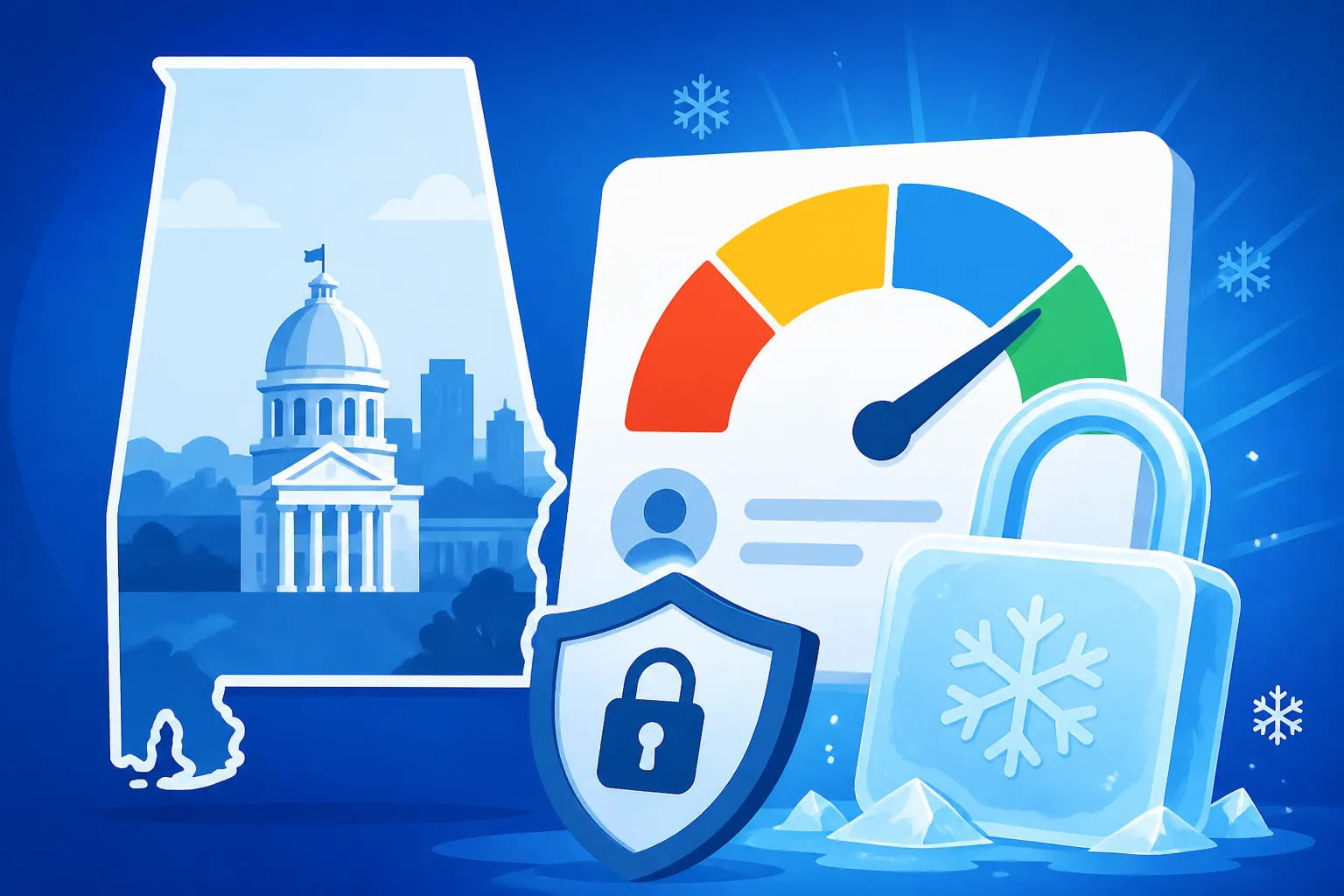
A credit freeze, also known as a security freeze, is one of the strongest actions you can take to protect your credit report from unauthorized access. It essentially locks down your credit file, preventing new creditors from accessing it without your explicit permission. Think of it like putting an impenetrable vault around your financial history. In today's digital age, where data breaches seem to be a regular occurrence, understanding and utilizing a credit freeze is no longer just a good idea—it's practically a necessity.
Understanding the Basics of a Credit Freeze
When you freeze your credit, the three major credit bureaus—Equifax, Experian, and TransUnion—place a restriction on your credit report. This means that if someone, even an identity thief, tries to open a new credit card, take out a loan, or apply for services that require a credit check in your name, the application will be denied because the lender cannot access your credit file. It's a fundamental barrier that can stop criminals dead in their tracks before they cause serious financial damage.
Many people wonder if a credit freeze will affect their existing accounts or their ability to apply for a job or apartment. The good news is, for the most part, it won't. A freeze does not impact your credit score, prevent you from accessing your own credit report, or stop collection agencies from trying to collect on existing debts. It primarily prevents new credit accounts from being opened in your name. You can still use your existing credit cards, pay your bills, and manage your current financial life without interruption. The process is free, thanks to federal law, making it an accessible and vital layer of security for everyone. If you’re ever curious about the basics, you might find more comprehensive information in our guide on How to Freeze Your Credit (All 3 Bureaus).
The Growing Threat of Identity Theft and Data Breaches
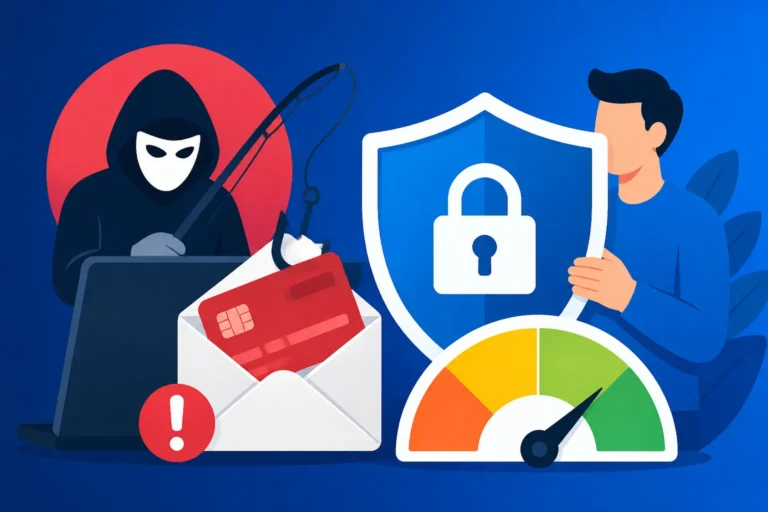
Unfortunately, identity theft is a pervasive problem that impacts millions of Americans every year, and Alabama residents are no exception. Whether it's a massive corporate data breach that exposes your personal information or a smaller, more localized scam, your Social Security number, address, and other sensitive details can easily end up on the dark web. Once this information is out there, criminals can attempt to open new credit accounts, commit tax fraud, or even seek medical care in your name. Imagine the nightmare of receiving a bill for a credit card you never applied for, or discovering a new loan tied to your name that you know nothing about.
This isn't just about large-scale attacks; it can also be as simple as a lost wallet or stolen mail. By proactively freezing your credit, you're not just reacting to a potential threat; you're building a fortress around your financial identity. It's a smart, preventative measure that can save you countless hours of stress, legal battles, and financial recovery efforts down the road. For anyone living in Alabama and concerned about the security of their financial future, understanding What to Do If You're a Victim of Identity Theft is crucial, but prevention through a credit freeze can often avert the crisis altogether.
How to Freeze Your Credit with Each Major Bureau
Freezing your credit in Alabama involves contacting each of the three major credit bureaus individually. While the process is generally straightforward and legally required to be free, it does require a separate request for Equifax, Experian, and TransUnion. This might sound like a bit of a hassle, but think of it as three distinct locks on three different doors to your financial information—you want all of them secured. Each bureau has a similar process, but they aren't interconnected, so you can't just freeze it with one and expect it to apply to all.
Freezing Your Credit with Equifax
To place a security freeze with Equifax, you typically have a few options: online, by phone, or by mail. The quickest and often easiest way for most people is through their dedicated online portal. You'll need to provide some personal identifying information to verify your identity, such as your name, address, Social Security number, and date of birth. Once successfully initiated, Equifax will provide you with a unique PIN or password. This PIN is crucial; you’ll need it to temporarily lift or permanently remove the freeze in the future. Don't lose it! Many folks keep a secure, digital note or even a physical record of this information in a safe place.
It’s important to remember that if you move within Alabama, say from Montgomery to Dothan, or if any of your personal information changes, you'll need to update that information with each bureau to ensure your freeze remains effective and you can manage it easily. Equifax makes this process fairly user-friendly through its online account management. For specific instructions on how to handle disputes with this particular bureau, you can always refer to our detailed guide on How to Dispute With Equifax, Experian, and TransUnion.
Freezing Your Credit with Experian
Experian also offers an online portal, a phone number, and a mailing address for placing a security freeze. Similar to Equifax, you'll be asked to provide your personal details for verification. Once the freeze is successfully applied, Experian will also furnish you with a unique PIN. This PIN, like the one from Equifax, is your key to managing your freeze, so guard it carefully. The online process usually involves creating an account, which can be beneficial for future management, such as temporarily unfreezing your credit when you need to apply for something new.
For example, let's say you're applying for a new car loan in Birmingham. You'll need to temporarily lift your Experian freeze (and the others) to allow the dealership to pull your credit report. This controlled access is the beauty of the freeze—you decide who gets to see your credit, and when. While you’re securing your existing credit, remember that building a strong credit profile is also important for future financial goals. Tools like Credit Strong offer credit builder accounts that can help you establish a positive payment history, working in tandem with your protective measures.
Freezing Your Credit with TransUnion
Finally, to complete your credit freeze trifecta, you'll need to contact TransUnion. Their process mirrors the other two bureaus, offering online, phone, and mail options. You'll provide your identifying information, confirm your request, and receive a unique PIN or password. Each bureau manages its own security freeze database, so submitting requests to all three individually ensures comprehensive protection. It's a bit of an administrative task, but the peace of mind it provides is well worth the effort.
Many people worry about the time commitment involved, especially when dealing with the potential for long phone waits. However, the online portals have become incredibly efficient, allowing most individuals to complete all three freezes within an hour or so. Just make sure you have all your personal information readily available to expedite the process. Understanding The 3 Credit Bureaus: Equifax, Experian & TransUnion can further demystify why these separate steps are necessary for complete coverage.
Here's a quick comparison of the options for contacting each bureau to freeze your credit:
| Bureau | Online Request | Phone Request | Mail Request | Notes |
|---|---|---|---|---|
| Equifax | Yes | Yes | Yes | Often fastest online. Provides PIN. |
| Experian | Yes | Yes | Yes | Online account for management. Provides PIN. |
| TransUnion | Yes | Yes | Yes | Online portal available. Provides PIN. |
What Happens After You Freeze Your Credit in Alabama?
Once you've successfully placed a security freeze with all three credit bureaus, you've taken a significant step toward safeguarding your financial identity. The immediate impact is that new lenders or service providers will be unable to access your credit report unless you explicitly unfreeze or "thaw" it. This means that if someone tries to open a fraudulent credit card in your name with, say, a bank in Mobile, the application will likely be declined because the bank can't perform a credit check.
However, the world doesn't stop, and neither do your financial needs. You'll still need to manage your existing accounts and potentially apply for new services down the line. Understanding how to manage your freeze—especially those all-important PINs—is key to keeping this powerful protection effective yet flexible. This is why it's so important to not only freeze your credit but also know how to control that freeze.
PINs, Passwords, and Keeping Your Information Safe
Each credit bureau will provide you with a unique Personal Identification Number (PIN) or a secure password when you place a credit freeze. These aren't just random numbers; they are your keys to unlocking and relocking your credit file. Losing these PINs can be a major headache, as you'll have to go through a potentially lengthy verification process with each bureau to regain access to your freeze management options. Imagine trying to get a mortgage in Birmingham, only to realize you can't unfreeze your credit because you lost your Experian PIN from five years ago. It’s a scenario you definitely want to avoid.
It's highly recommended to store these PINs and passwords in a secure place. This could be a password manager, a locked safe, or even a securely encrypted digital document that only you can access. Do not keep them in an easily accessible place like an unencrypted note on your phone or tacked to your computer monitor. Just as you wouldn't leave your car keys in the ignition, you shouldn't leave your credit freeze PINs vulnerable. This proactive approach to security is a theme that extends beyond freezes; for example, using services like Credit Strong requires diligent management to ensure positive reporting to the bureaus.
Temporarily Thawing or Permanently Unfreezing Your Credit
Life happens, and sometimes you'll need to grant legitimate access to your credit report. This is where temporarily thawing your credit comes in. Let's say you're applying for a new apartment in Montgomery or seeking a new car loan. You'll need to contact each bureau (Equifax, Experian, and TransUnion) and request a temporary lift of your freeze. You'll provide your PIN, specify the dates you want the freeze lifted, or even provide a specific creditor’s name. Once the specified period ends, or the creditor has pulled the report, your freeze automatically reinstates.
Alternatively, you might decide you no longer need the freeze, or you’re ready to permanently close out that level of protection. In that case, you can request a permanent unfreeze, again by contacting each bureau and providing your PIN. It’s a good idea to only unfreeze your credit when absolutely necessary and to keep the duration as short as possible. For more detailed instructions, our guide on How to Unfreeze Your Credit Temporarily offers step-by-step advice.
Common Questions and Misconceptions About Credit Freezes in Alabama
When it comes to something as important as your financial security, it's natural to have questions and encounter misconceptions. Many people in Alabama might hear conflicting advice or misunderstand the true implications of a credit freeze. Let's clear up some of the most common points of confusion so you can feel confident in your decision to protect your credit.
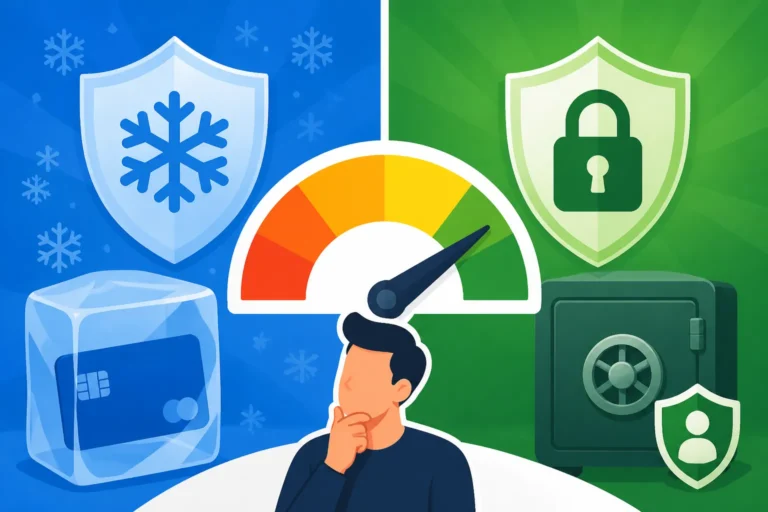
Credit Freeze vs. Credit Lock vs. Fraud Alert
These three terms often get used interchangeably, but they are distinctly different tools for credit protection. Understanding the nuances is crucial for choosing the right level of security.
- Credit Freeze (Security Freeze): This is the most robust protection. It prevents anyone, including you (unless you lift it), from accessing your credit report to open new accounts. It's free and federally mandated. It requires you to actively lift it to apply for new credit.
- Credit Lock: Offered by some credit bureaus (and often tied to a paid service or credit monitoring subscription), a credit lock works similarly to a freeze by preventing access to your credit file. The key difference is that a lock is often managed more easily through a mobile app or online portal, allowing for instant locking and unlocking. While convenient, locks may come with a fee or be part of a broader service bundle, and they don't always carry the same legal backing as a traditional freeze.
- Fraud Alert: A fraud alert is a notification added to your credit file that advises lenders to take extra steps to verify your identity before extending credit. It's less restrictive than a freeze or lock. There are two types: an initial 1-year alert and an extended 7-year alert (if you've been a victim of identity theft). It's also free and can be placed with one bureau, which then notifies the other two. Lenders are supposed to contact you to verify any new credit applications, but it doesn't prevent access to your report like a freeze does.
For Alabama residents, choosing between these options depends on your risk tolerance and financial activity. If you're not planning on applying for new credit soon and want maximum protection, a credit freeze is usually the best choice. For a detailed breakdown of these options, check out Credit Freeze vs Credit Lock vs Fraud Alert.
Does a Credit Freeze Affect Your Existing Accounts?
This is a common concern, and thankfully, the answer is generally no. Placing a credit freeze in Alabama does not impact your existing credit accounts. You can continue to use your credit cards, make payments on your mortgage or car loan, and manage all your current financial obligations without any issues. The freeze only prevents new credit accounts from being opened in your name without your permission.
What else isn't affected by a credit freeze?
- Your Credit Score: A credit freeze has no impact on your credit score itself.
- Your Ability to Access Your Own Credit Report: You can still request your annual free credit report from AnnualCreditReport.com. In fact, regularly checking your credit report, perhaps with a service like Credit Strong that provides credit monitoring as part of its offering, is a smart practice even with a freeze in place to spot any existing errors or fraudulent activity.
- Existing Creditors: Your current lenders can still access your report for account review purposes, such as sending you pre-approved offers (though you can opt out of these separately) or monitoring your existing accounts for risk.
- Collection Agencies: If you have outstanding debts, collection agencies can still access certain information to pursue those debts, though they generally can't open new accounts.
So, while it feels like a big step, a credit freeze is a surgical tool designed to protect against new account fraud, leaving your established financial life untouched. It's a key part of an overall strategy for managing and protecting your credit, alongside responsible borrowing and regular credit monitoring.
Disclaimer
This article is for general informational purposes only and does not constitute professional advice. Laws, prices and regulations vary by location and change over time. Consult a qualified professional for guidance on your specific situation.